
Amares, between Homem and Cávado, is one of the 14 municipalities that make up the district of Braga. It is 14 km from the city of Braga and is made up of 16 parishes, covering an area of 83...
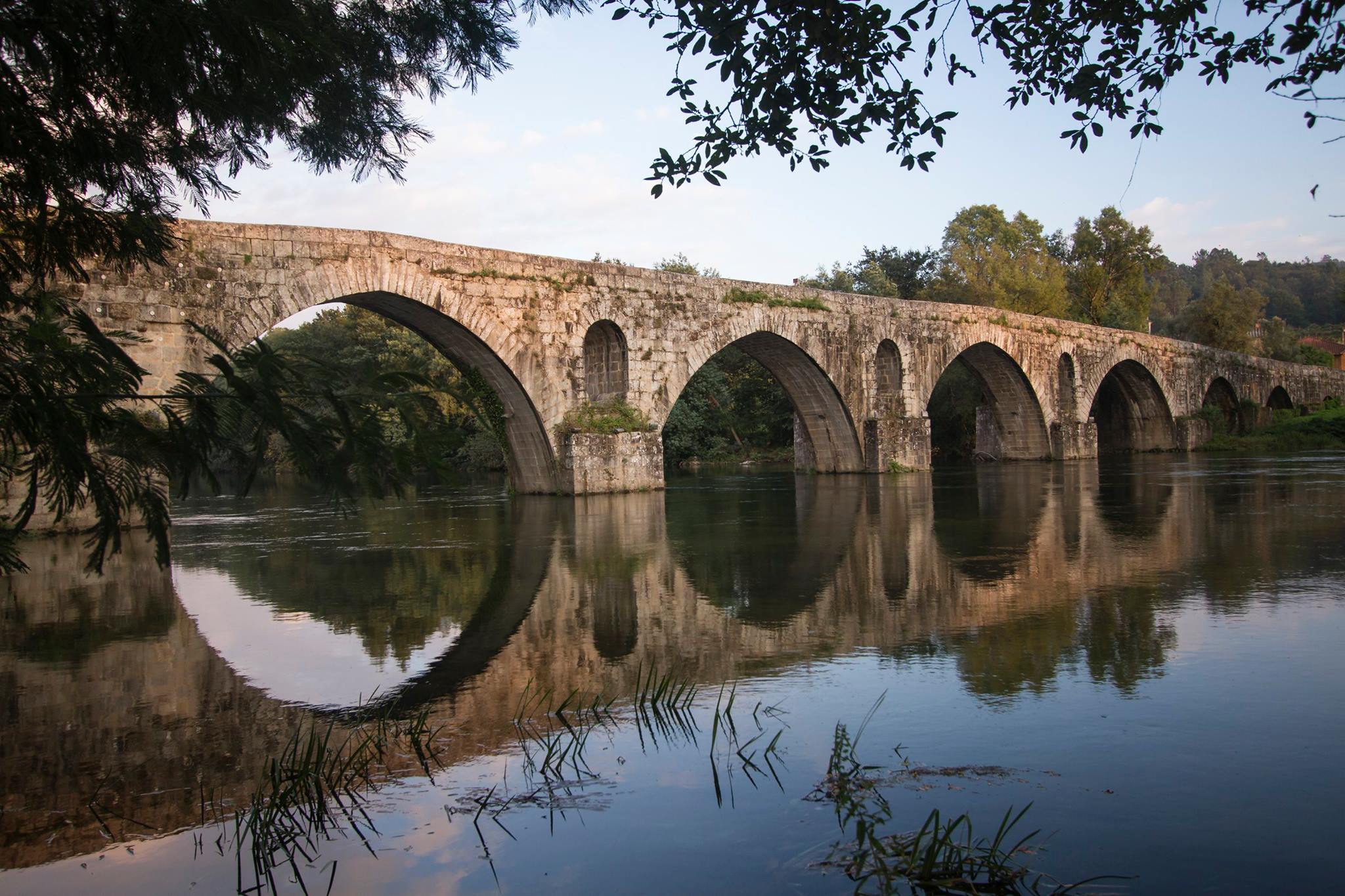
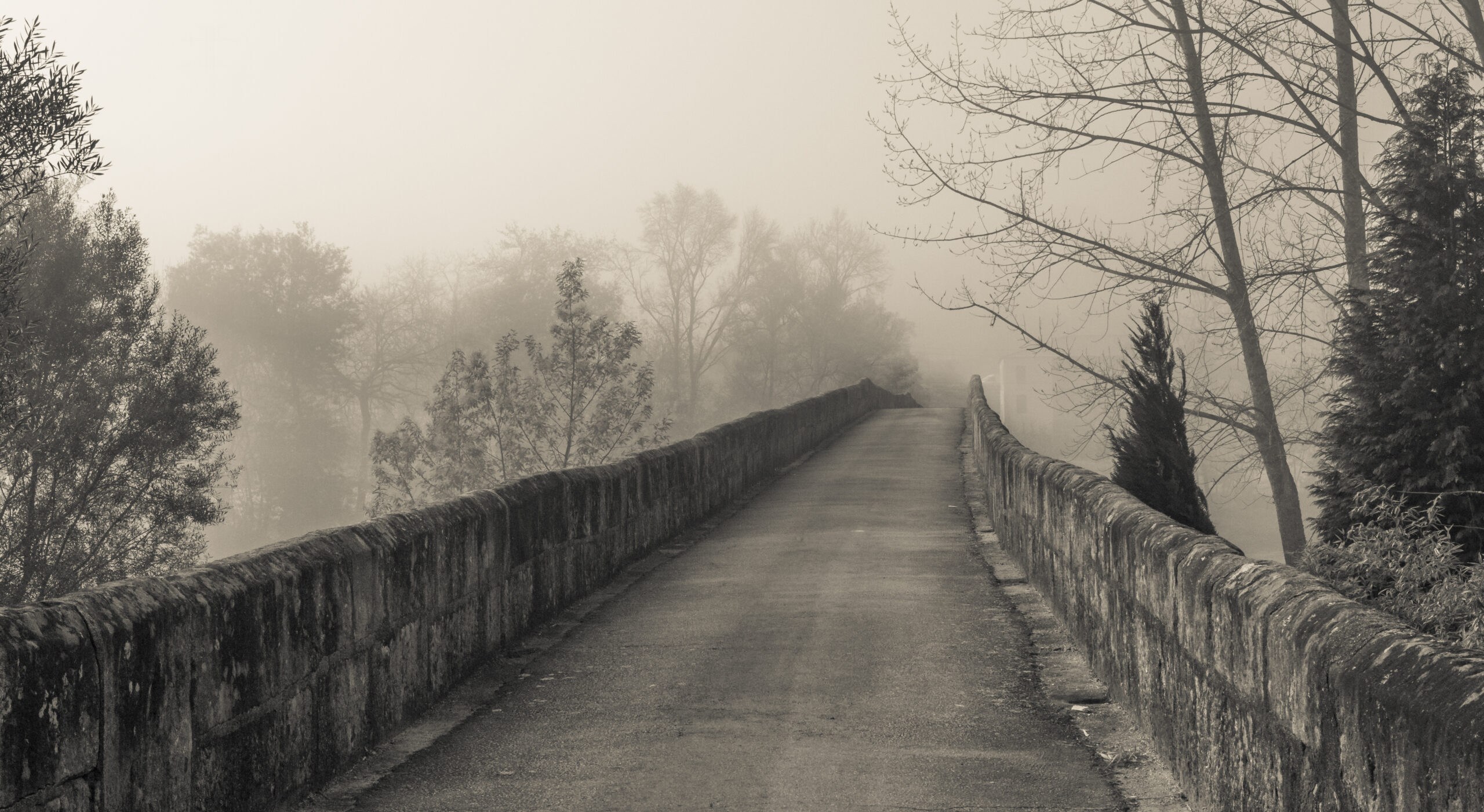
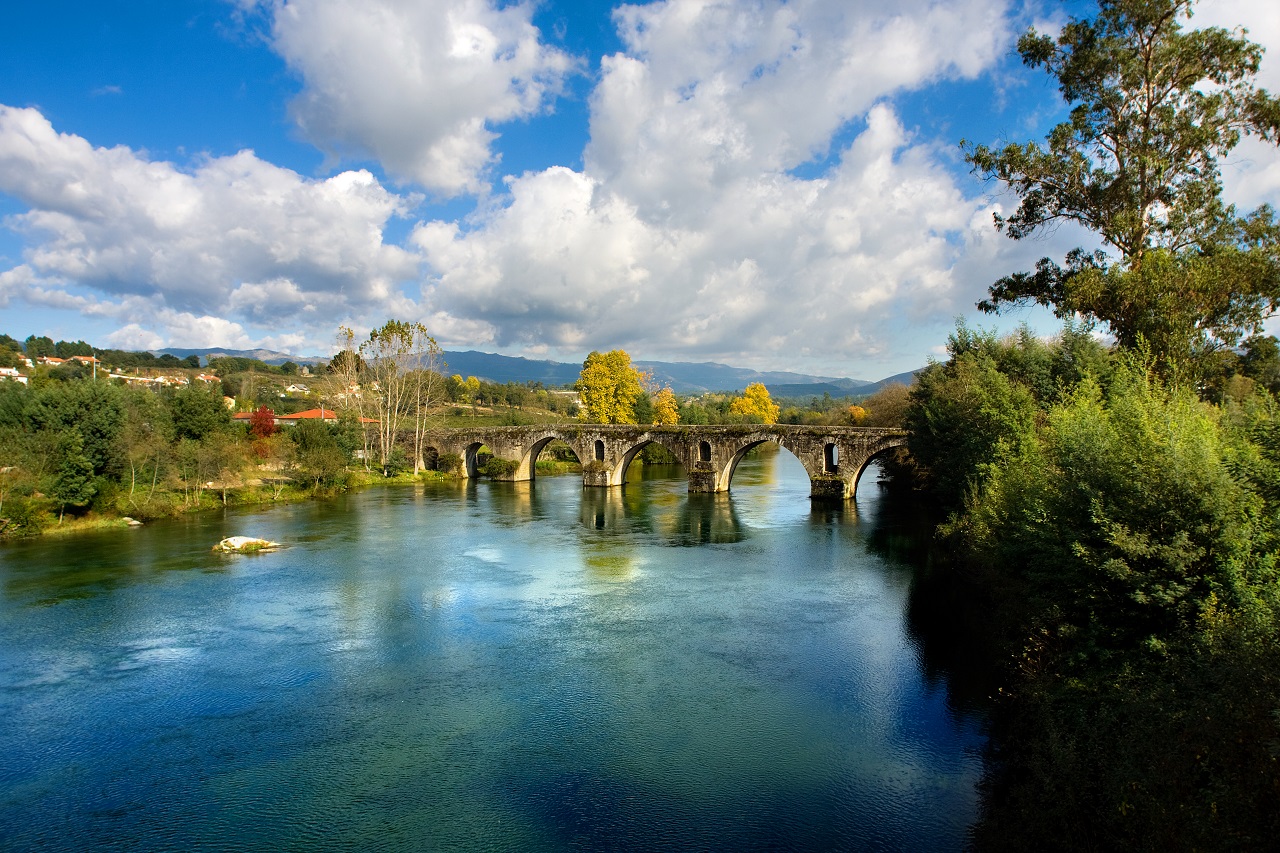
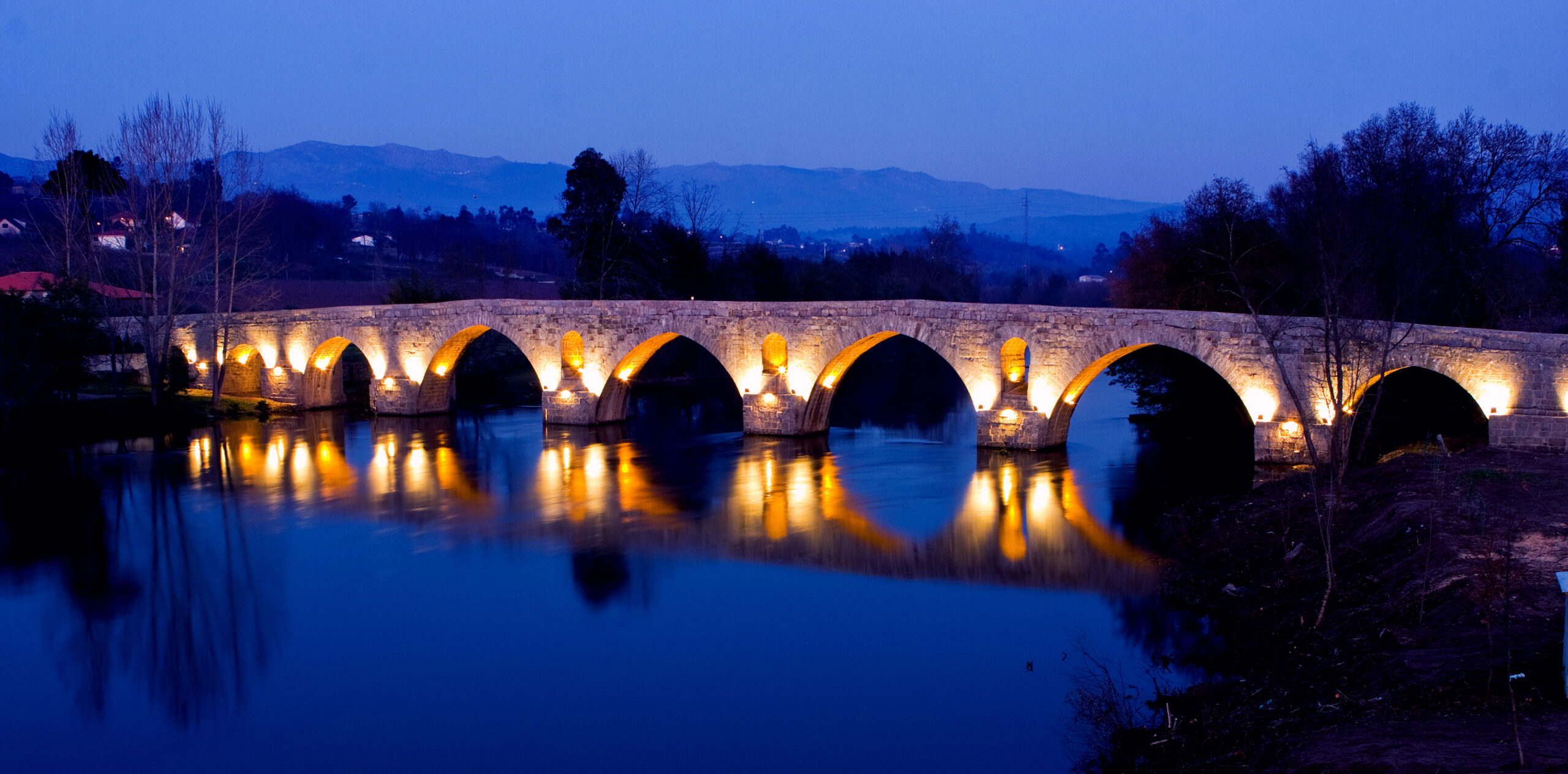
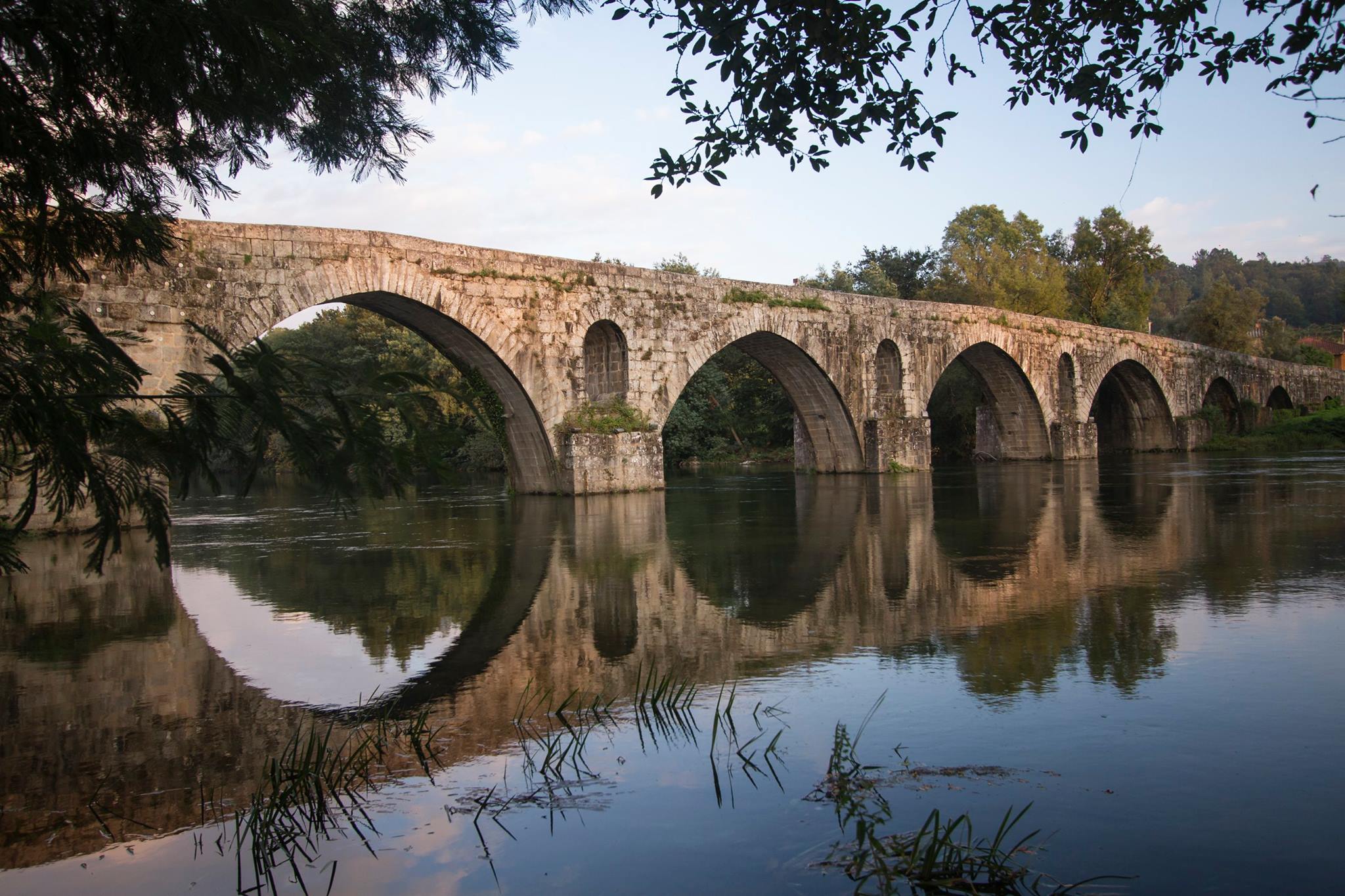
This bridge, with its simple architecture and simple beauty, holds stories from other times, featuring a long, narrow deck with a flat profile. Probably built in the 16th century, the four arches under the horizontal section of the deck are broken and the upper part of the three piers that separate them have eyelets.
Currently, the Ponte do Porto, which connects the municipality of Amares and the municipality of Póvoa de Lanhoso, has no traffic, which allows you to appreciate one of the most beautiful scenes in the Municipality of Amares.
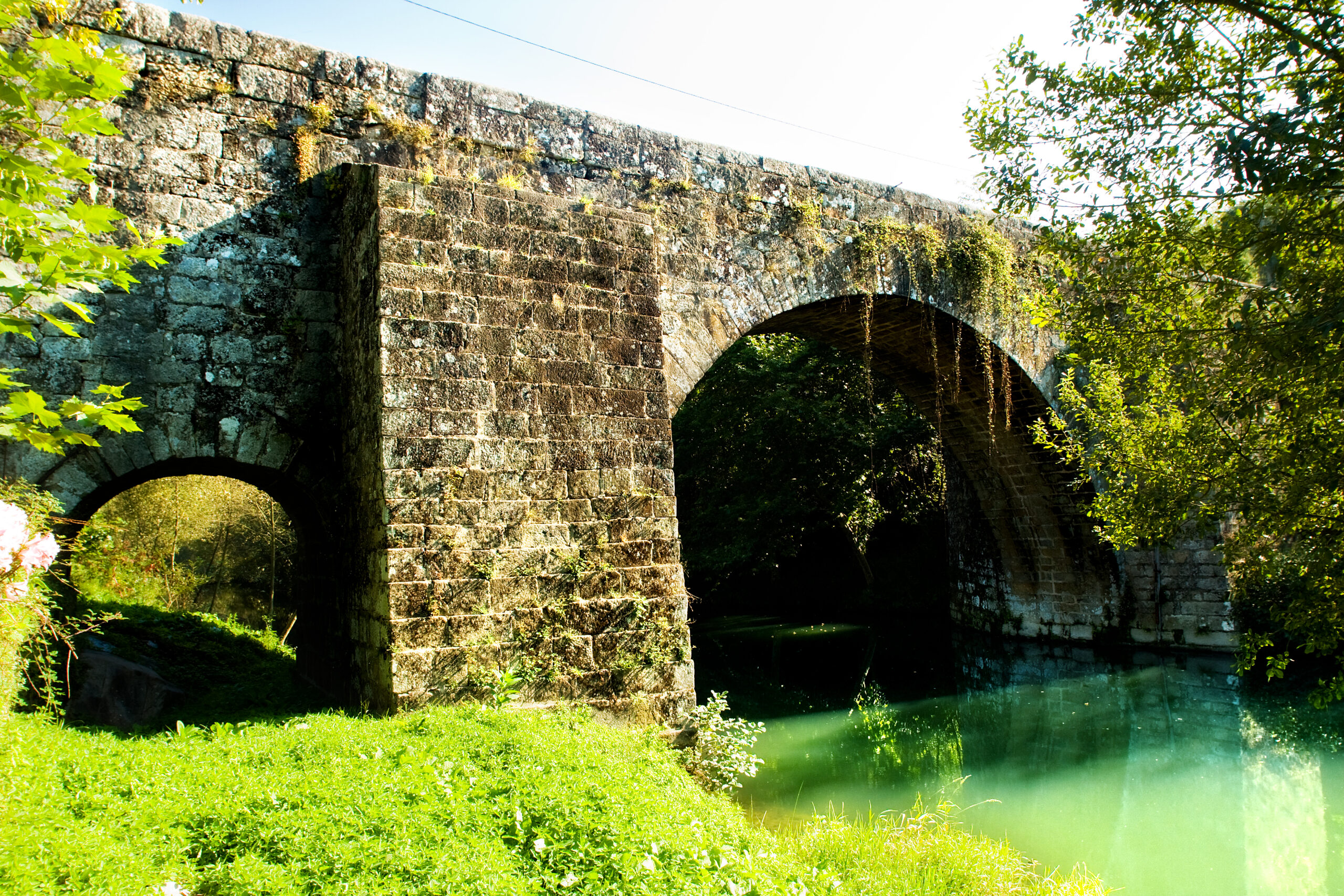
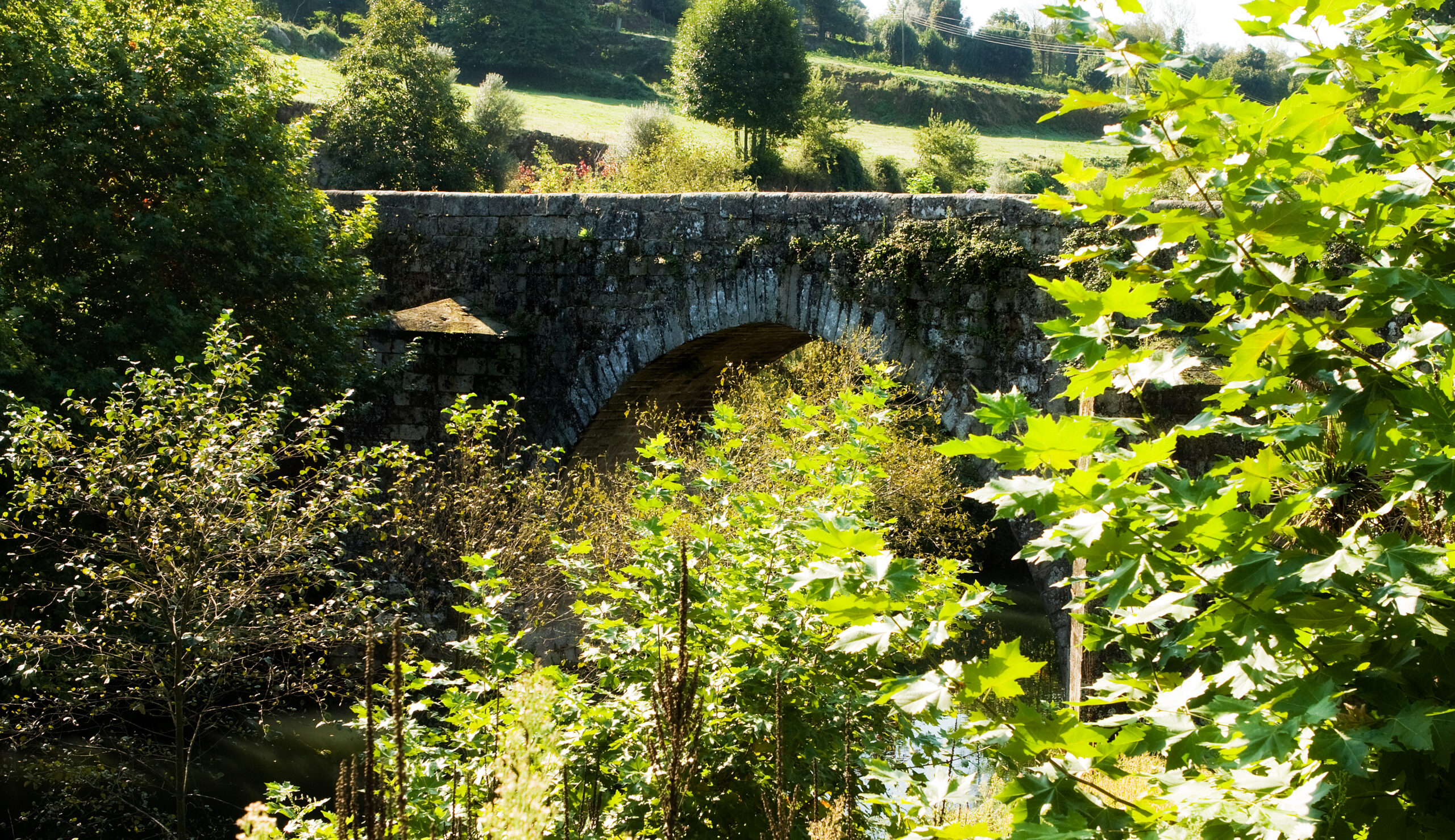
It is located in Caldelas (Union of Parishes of Caldelas, Sequeiros and Paranhos) and has a flat deck over three unequal arches, with two buttresses with a triangular-shaped cut and a rectangular cut.
Its grandiose beauty belies its size, that is, although the Ponte de Rodas has small dimensions, with a single car lane, it does not call into question its grandeur and robustness.
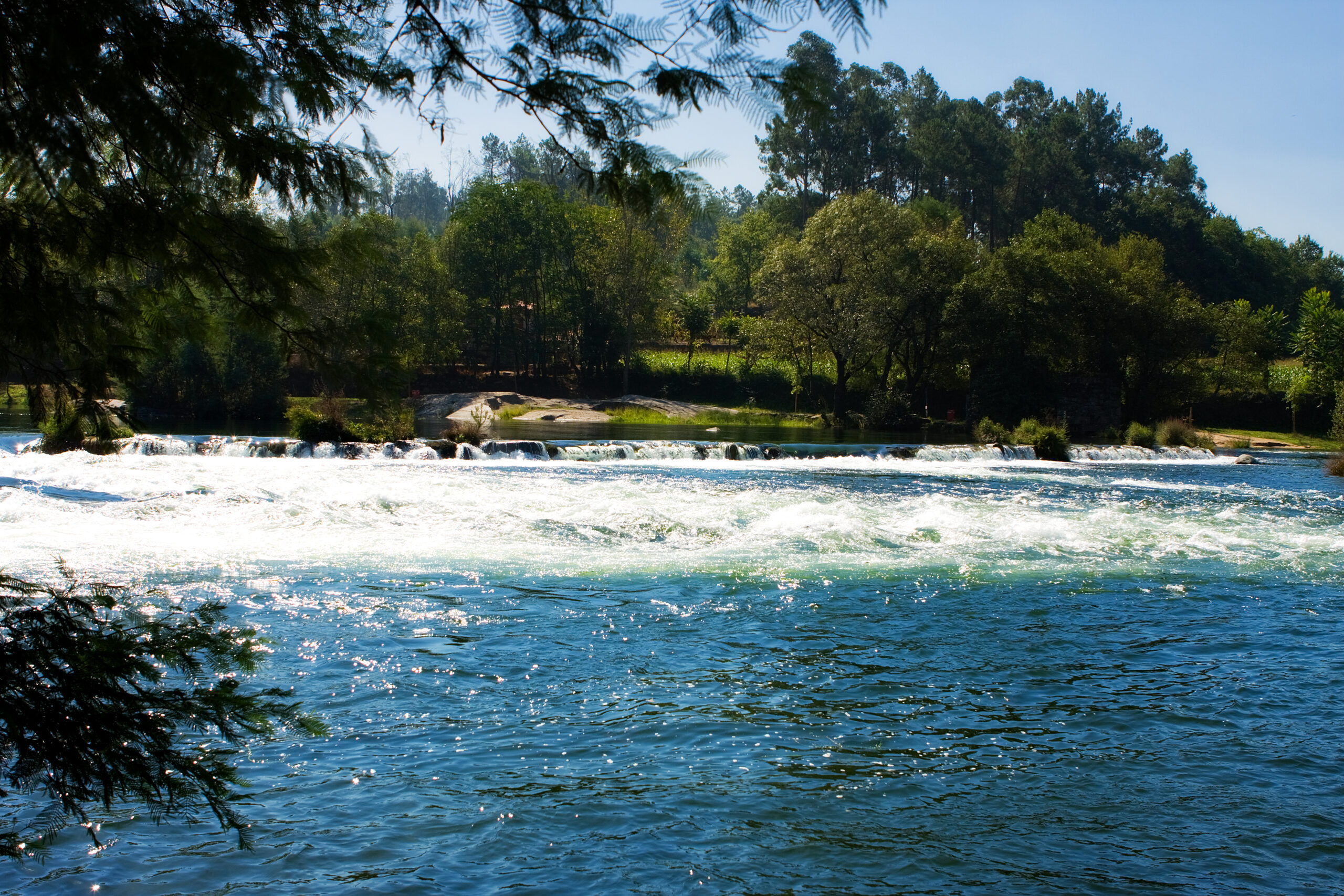
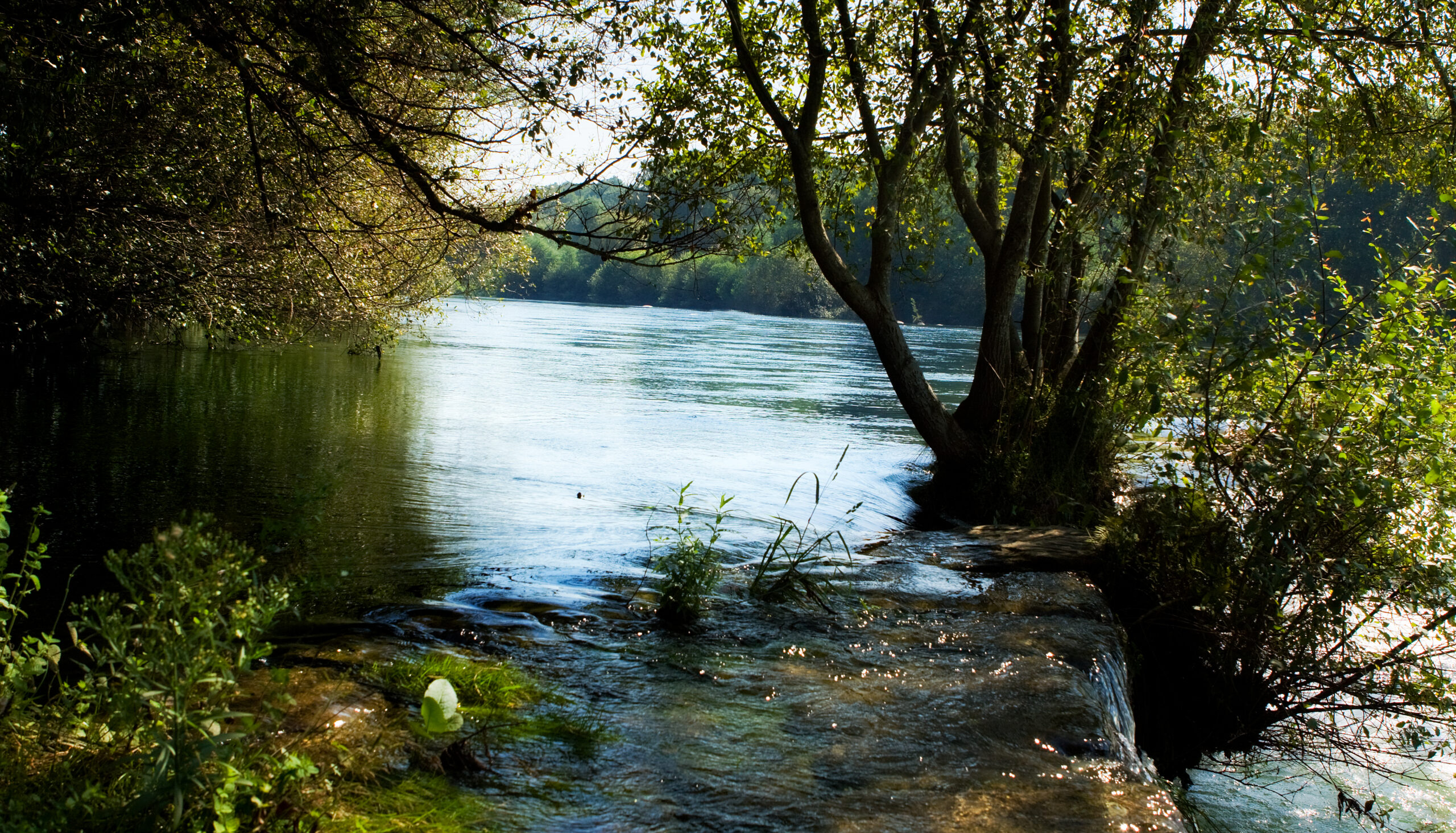
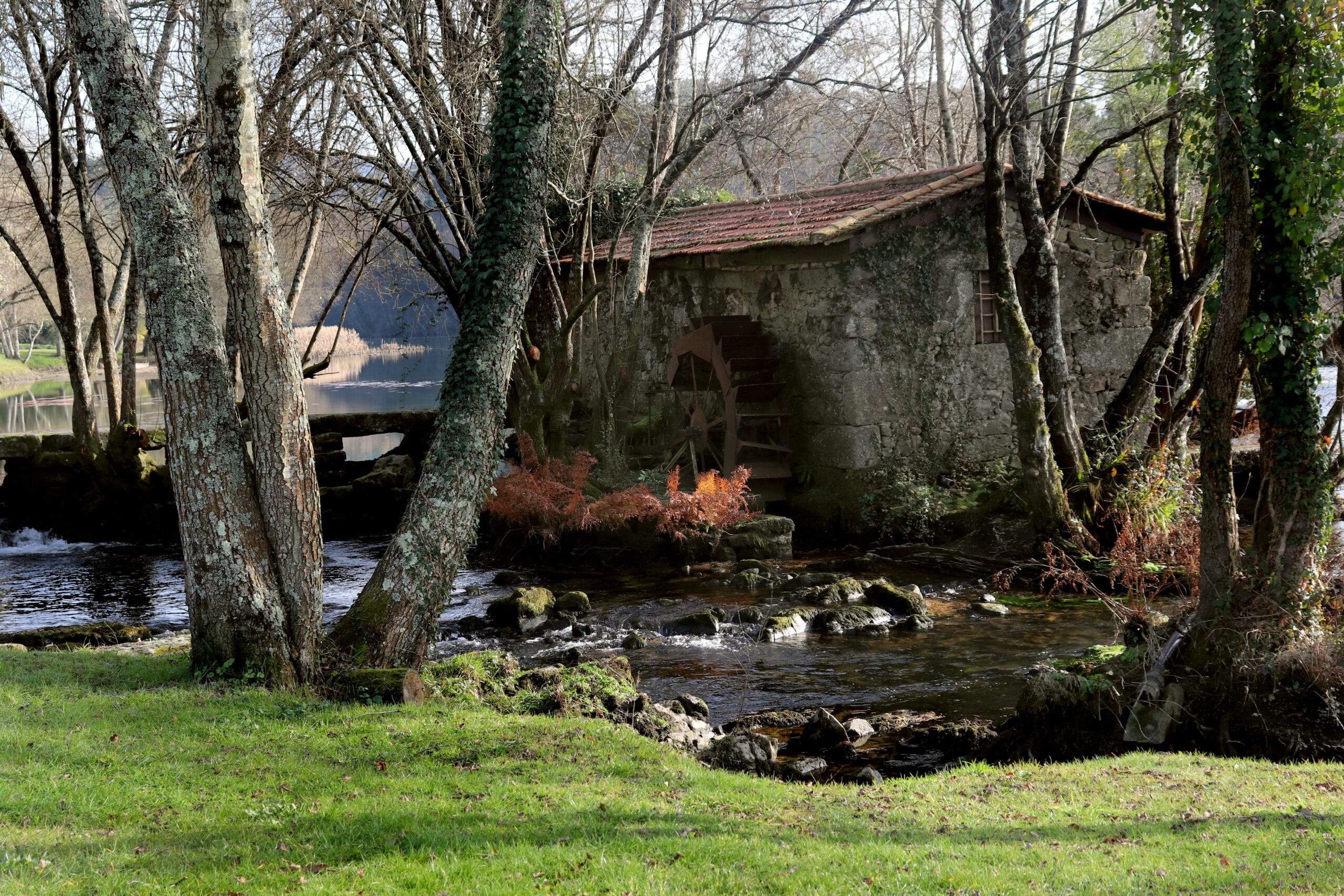
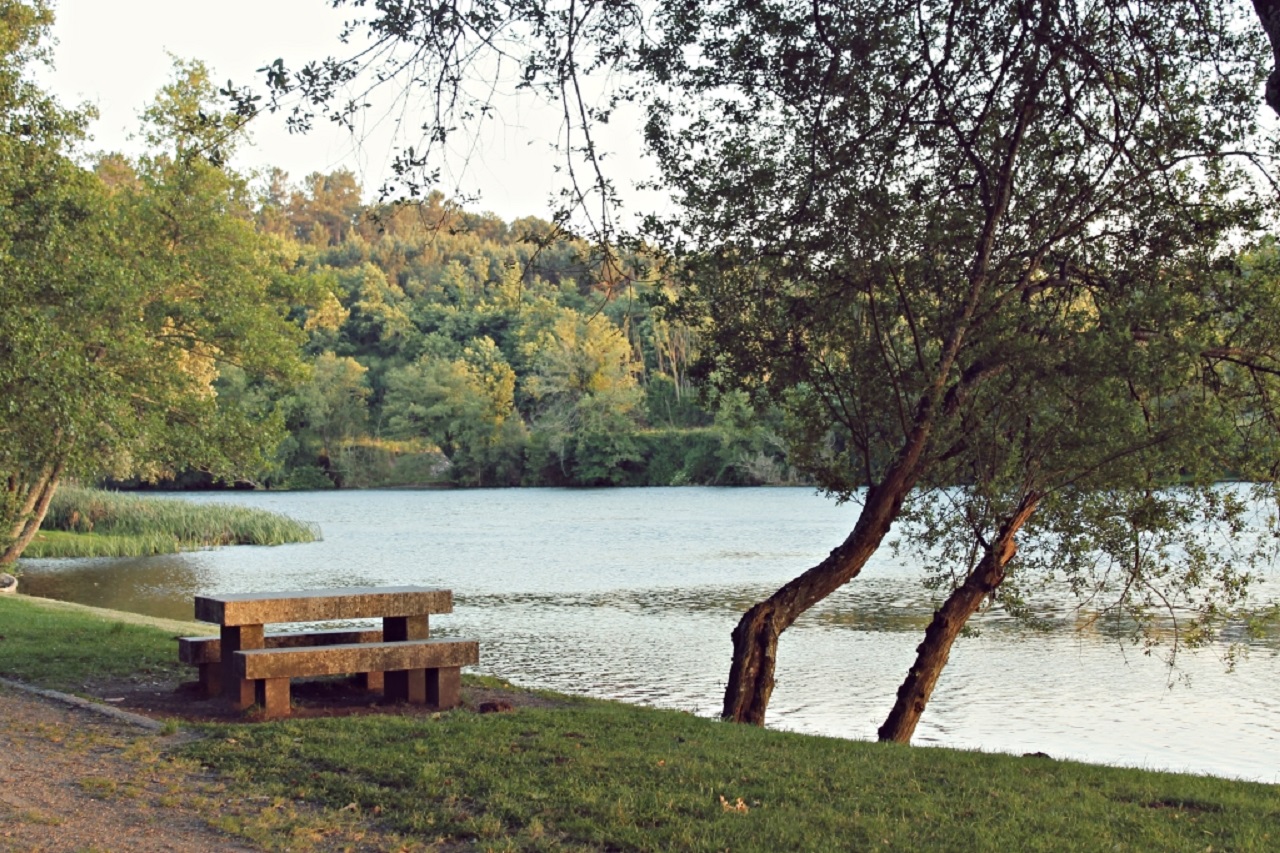
The Cávado River rises in the Serra do Larouco, at an altitude of around 1,520 metres, flowing into the Atlantic Ocean, in the municipality of Esposende, having travelled around 129 km.
The Municipality of Amares is located on the right bank of this river, with spaces and places of rare natural and scenic beauty, providing pleasant moments of leisure.
It is crossed by the Ponte do Porto, in the parish of Prozelo.
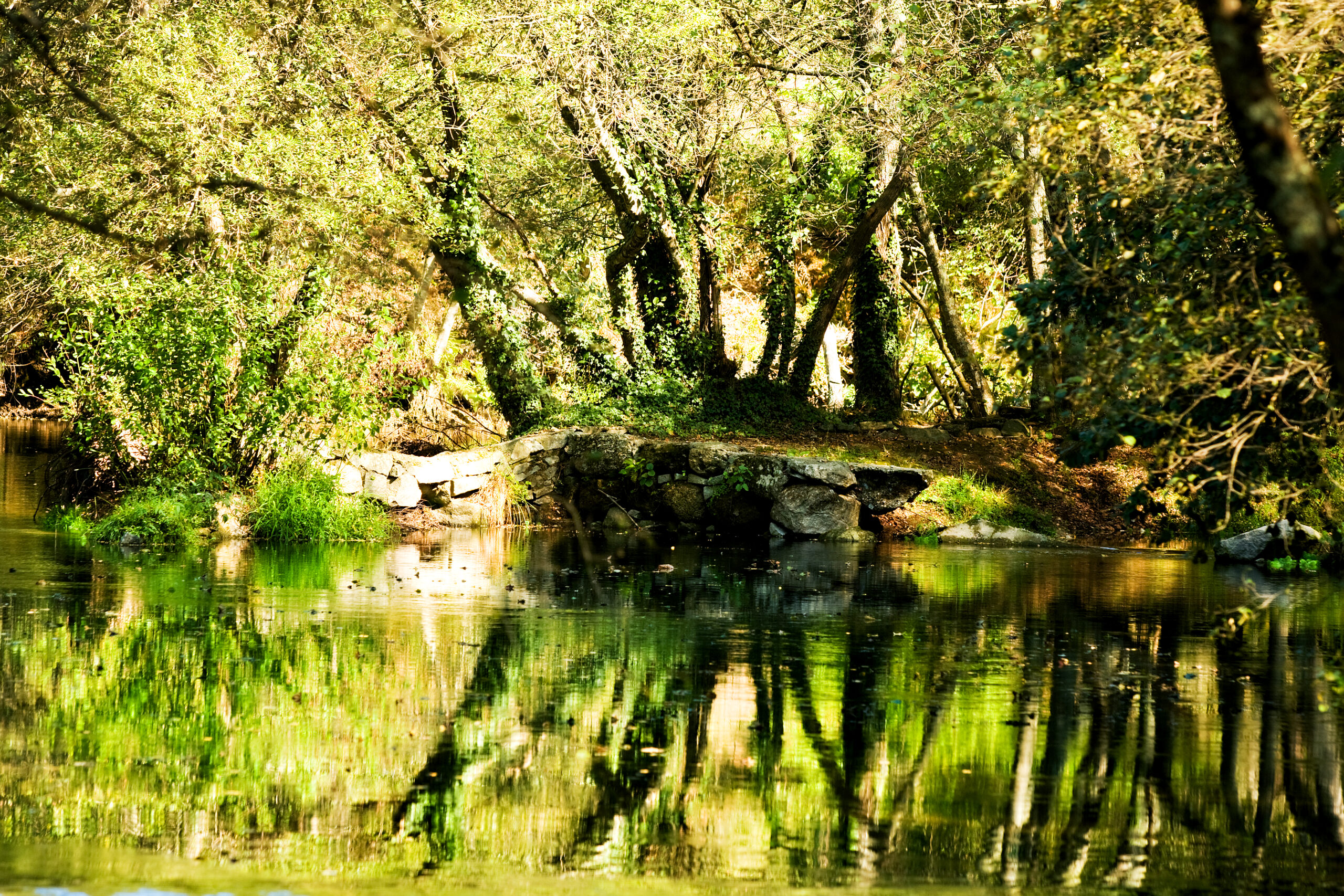
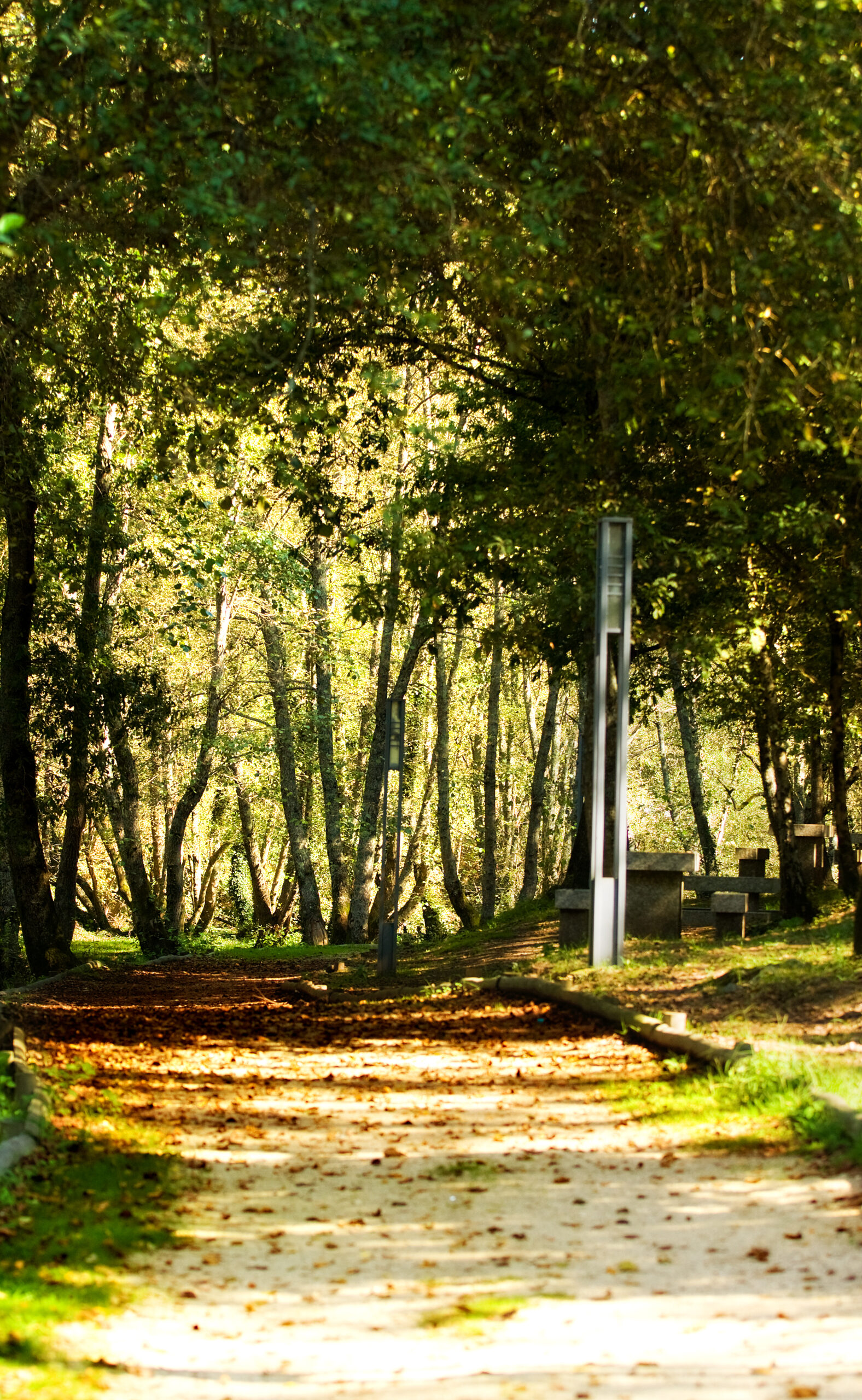
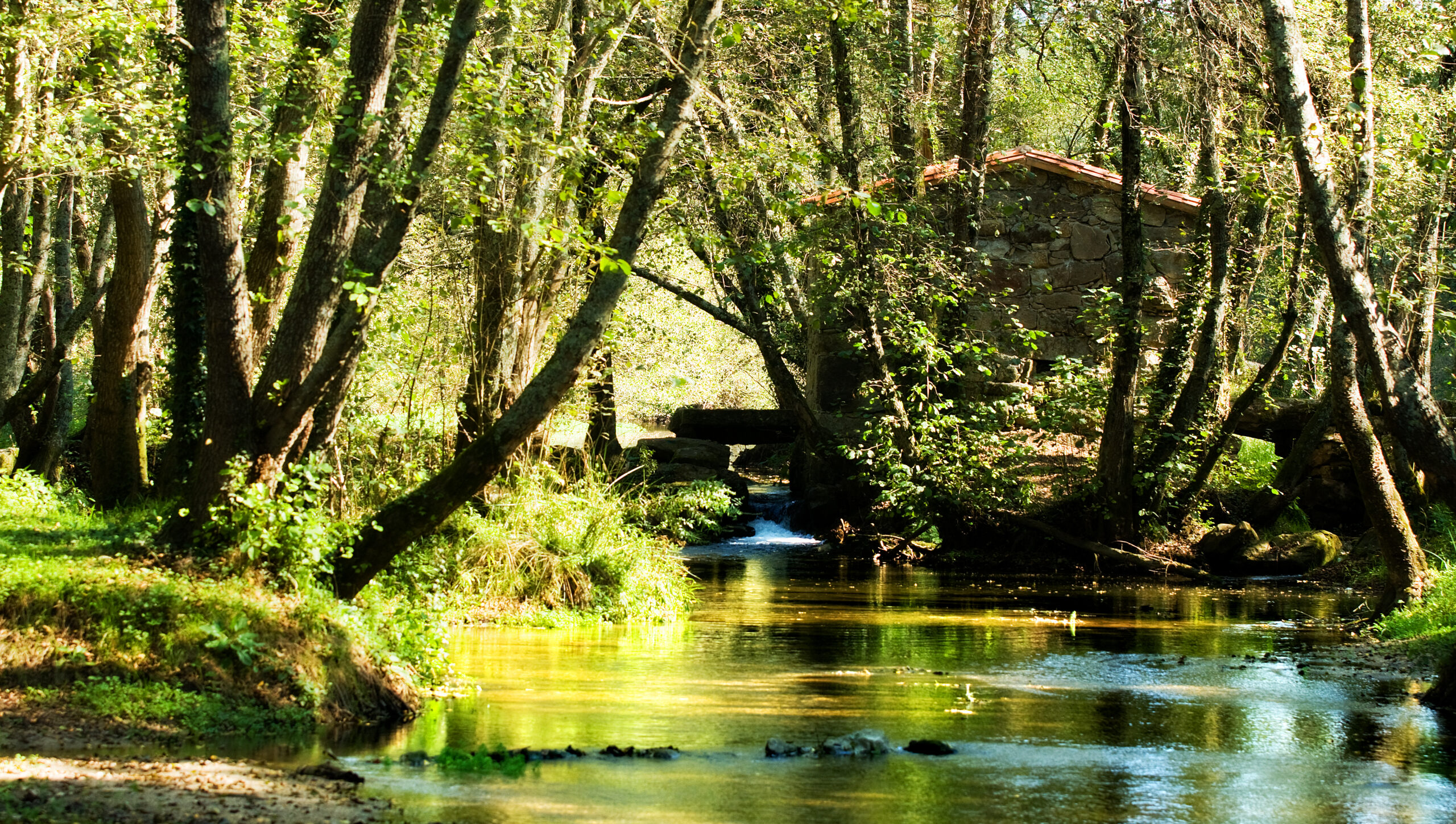
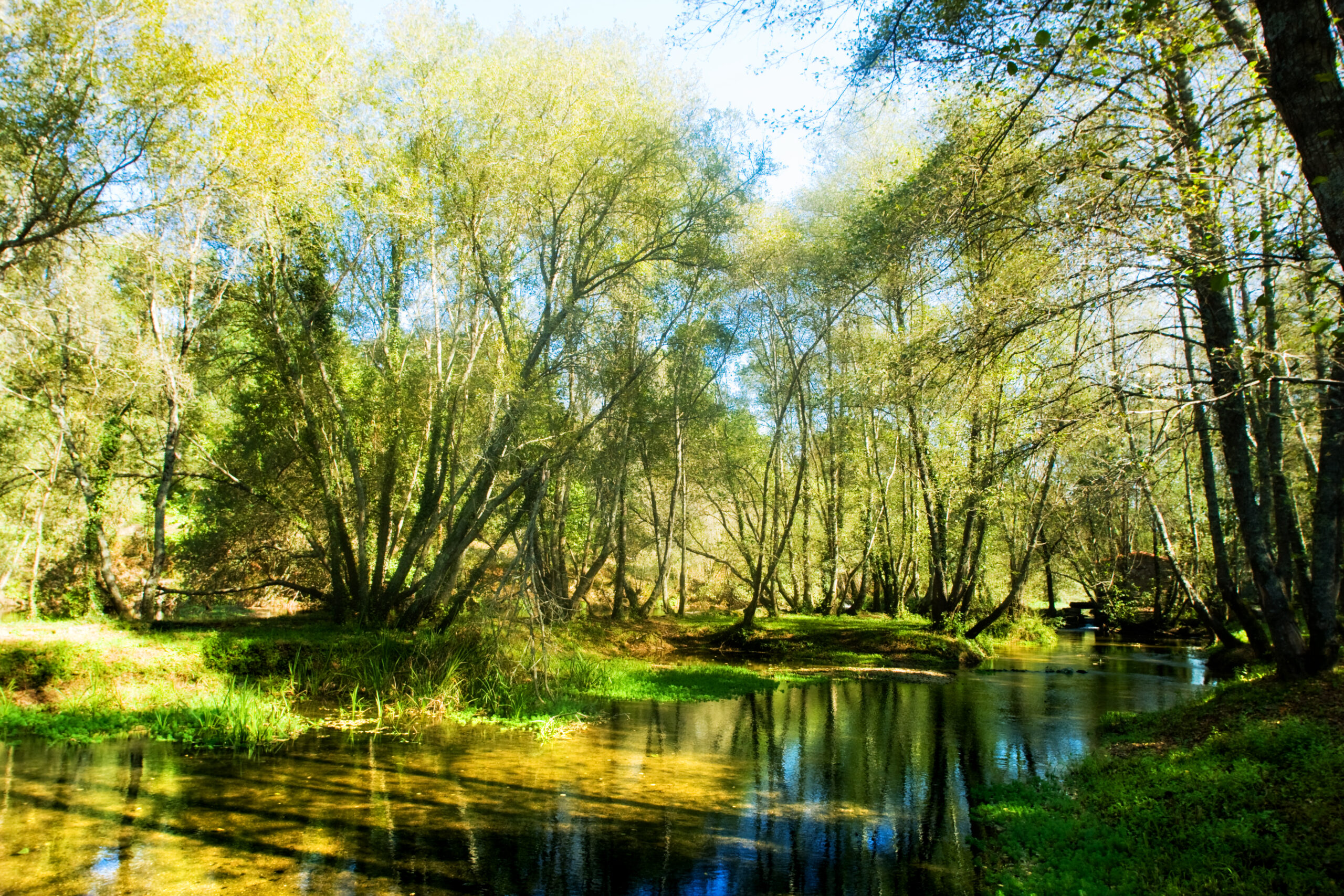
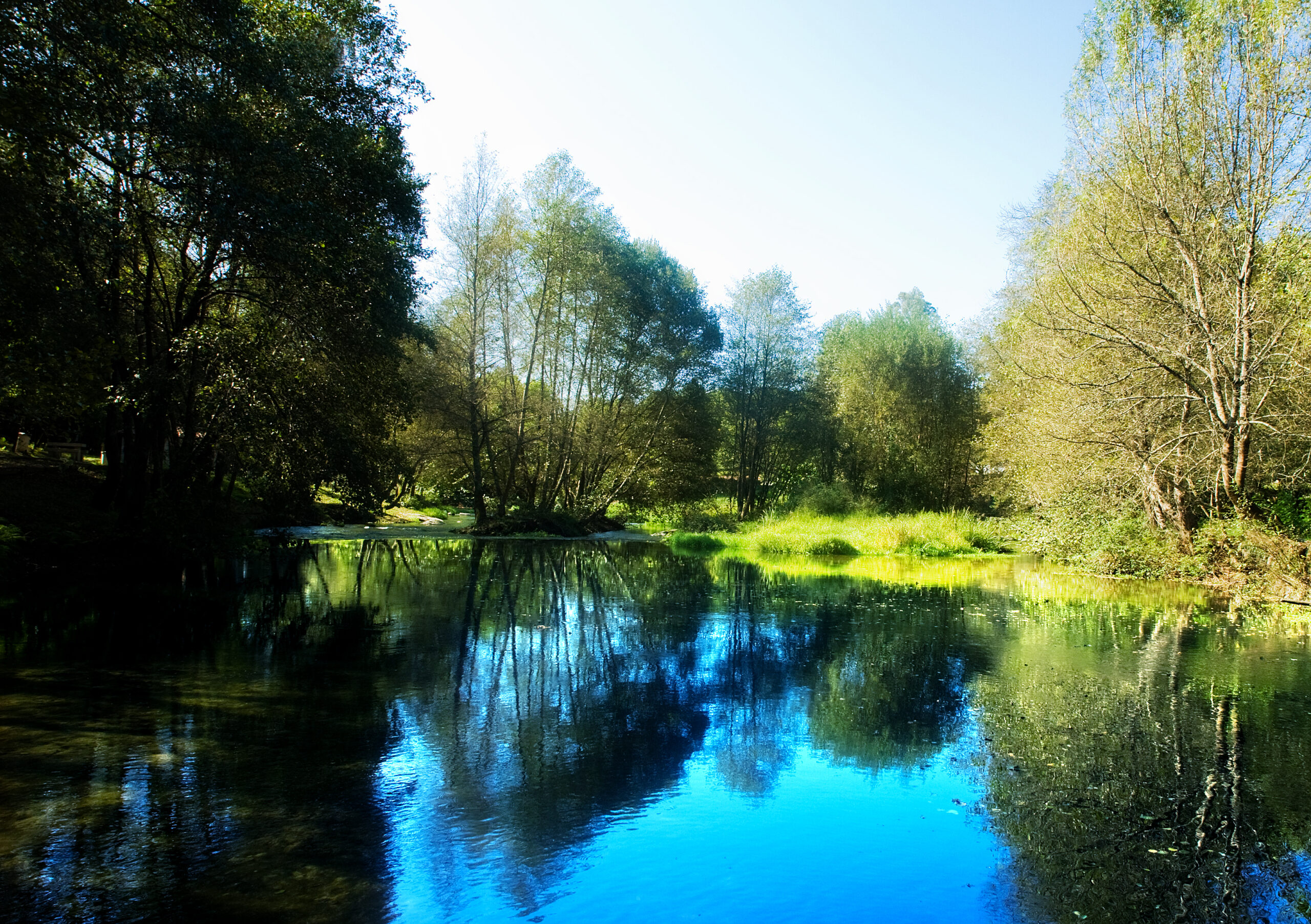
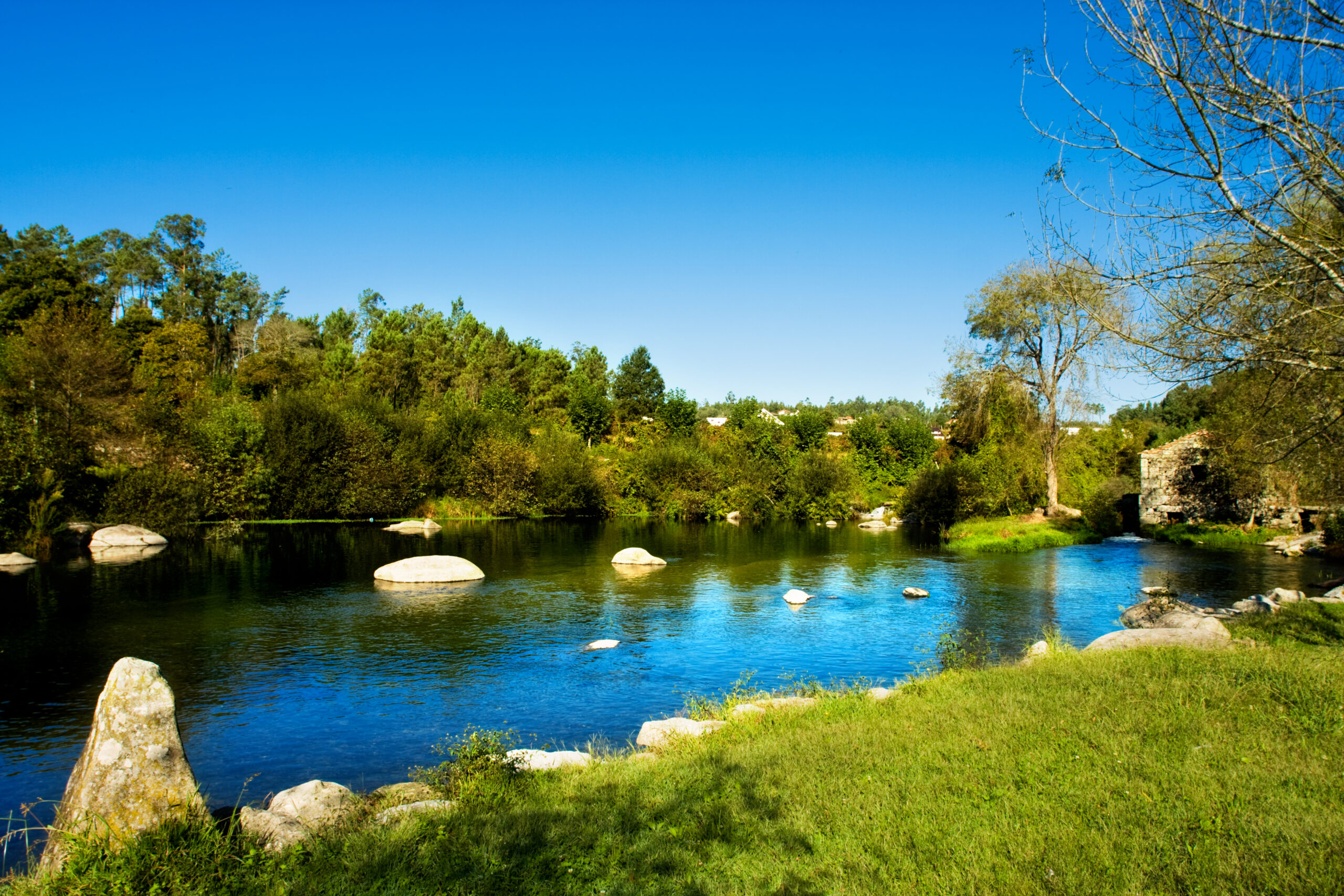
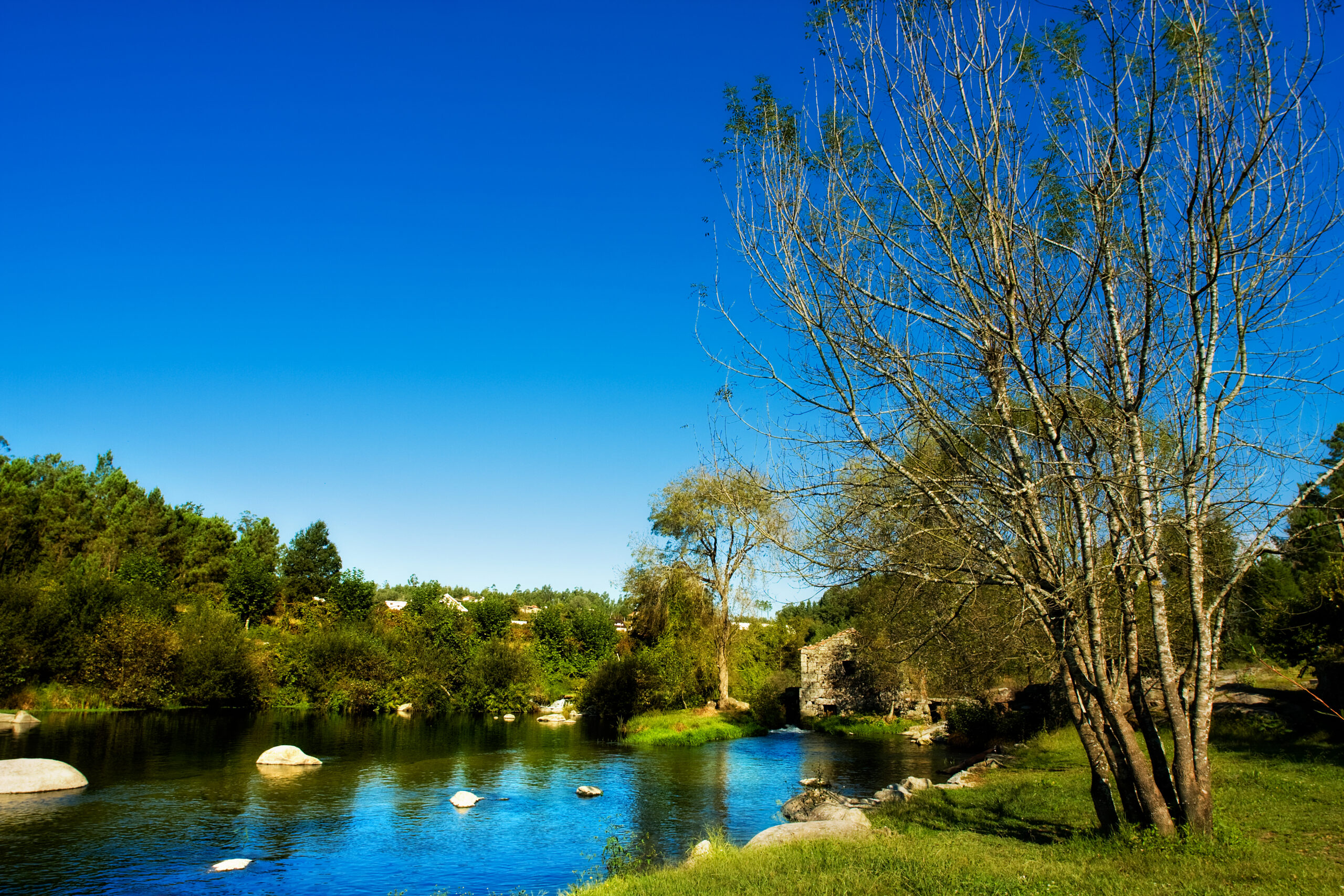
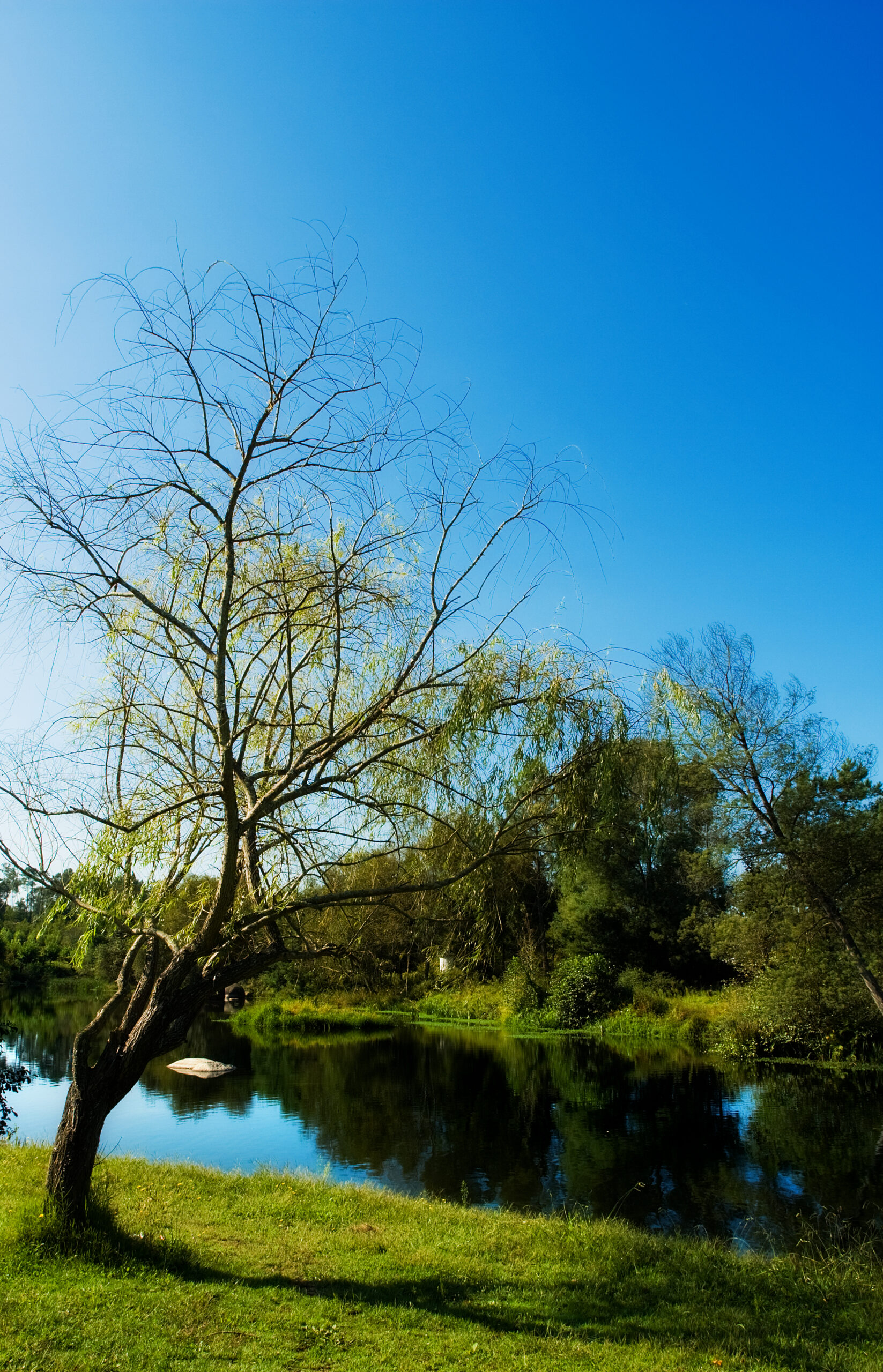
Approximately 45 km long, the Homem River rises in the Serra do Gerês and is a tributary of the Cávado River.
The Municipality of Amares is located on the left bank of this river. There are several leisure areas and beautiful landscapes.
It is crossed by the Ponte de Rodas, connecting Caldelas to Vila Verde.
This bridge is classified as a National Monument. Of public civil architecture, built in the Middle Ages, it is a living testimony to the ancestry of the Municipality of Amares and is composed of a flat deck over three unequal arches, with two buttresses with triangular contour carving and rectangular contour butcher block.
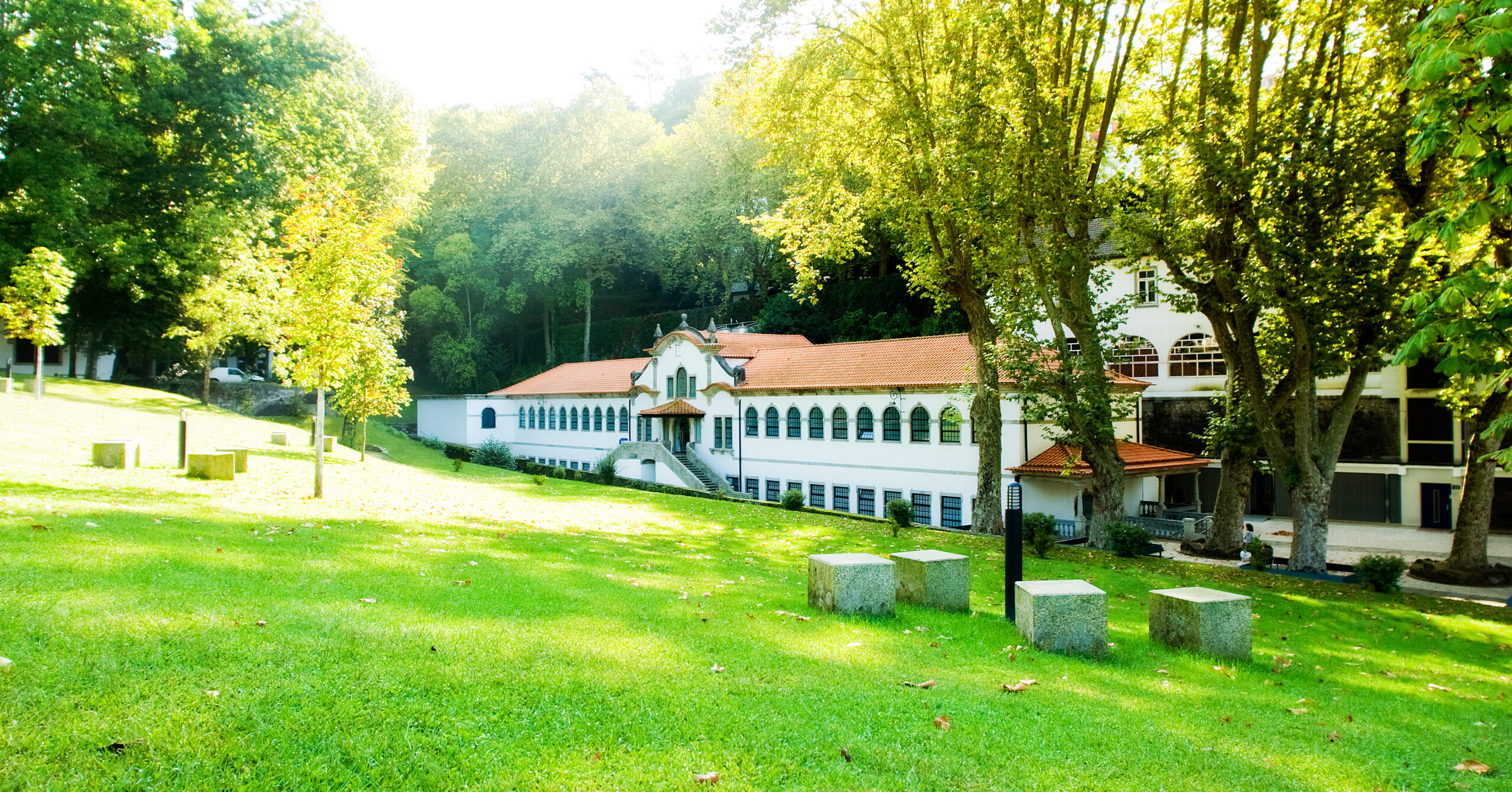
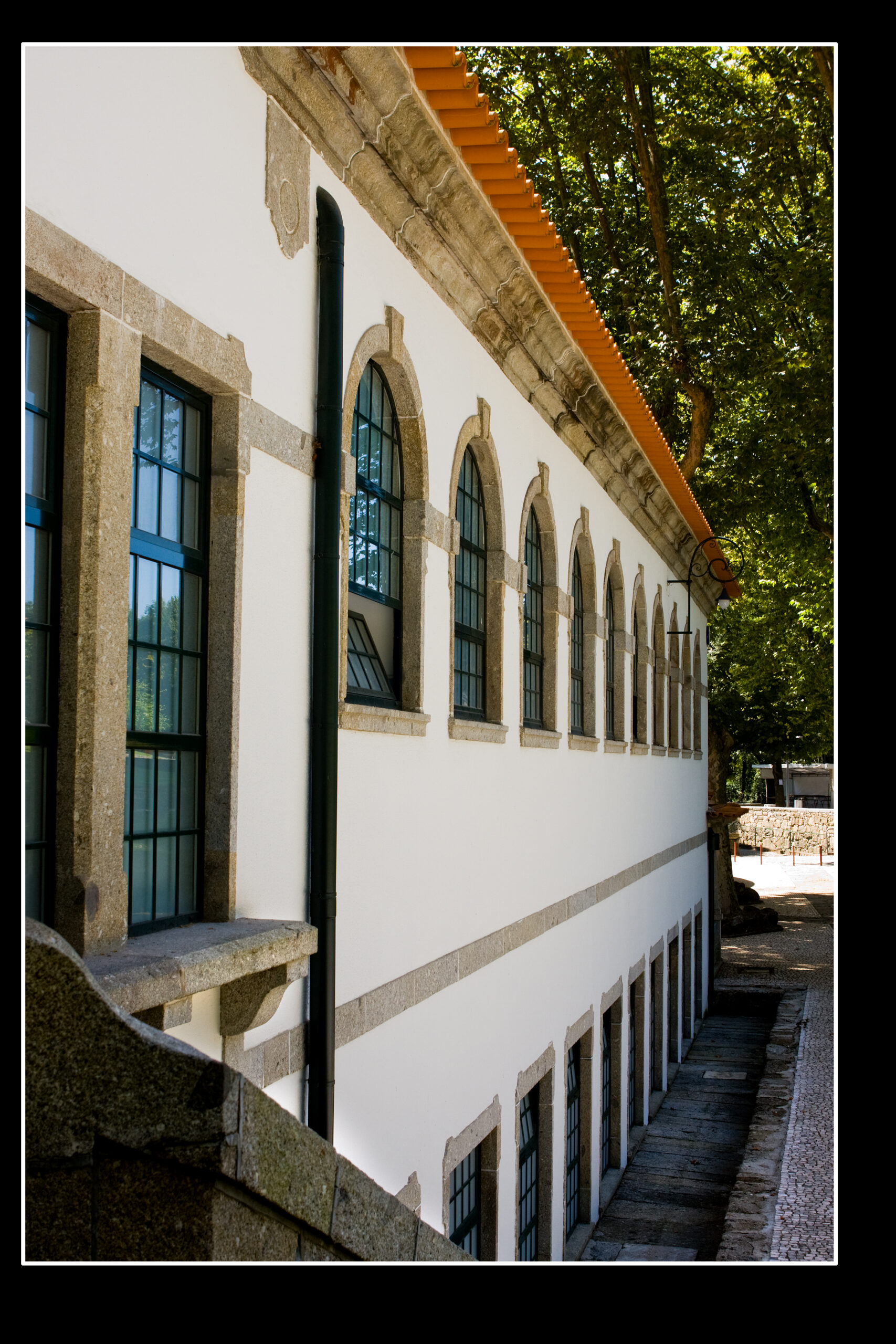
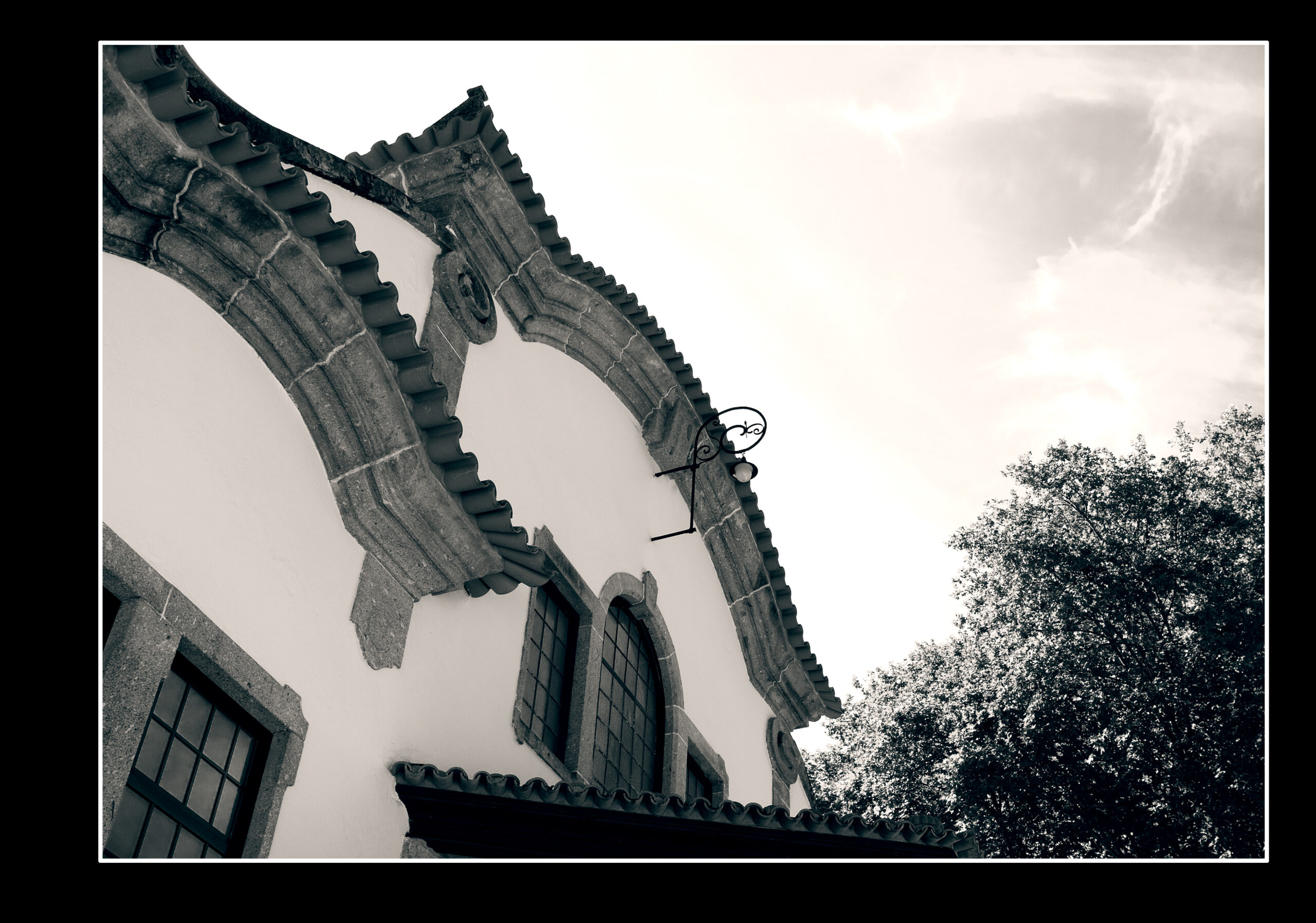
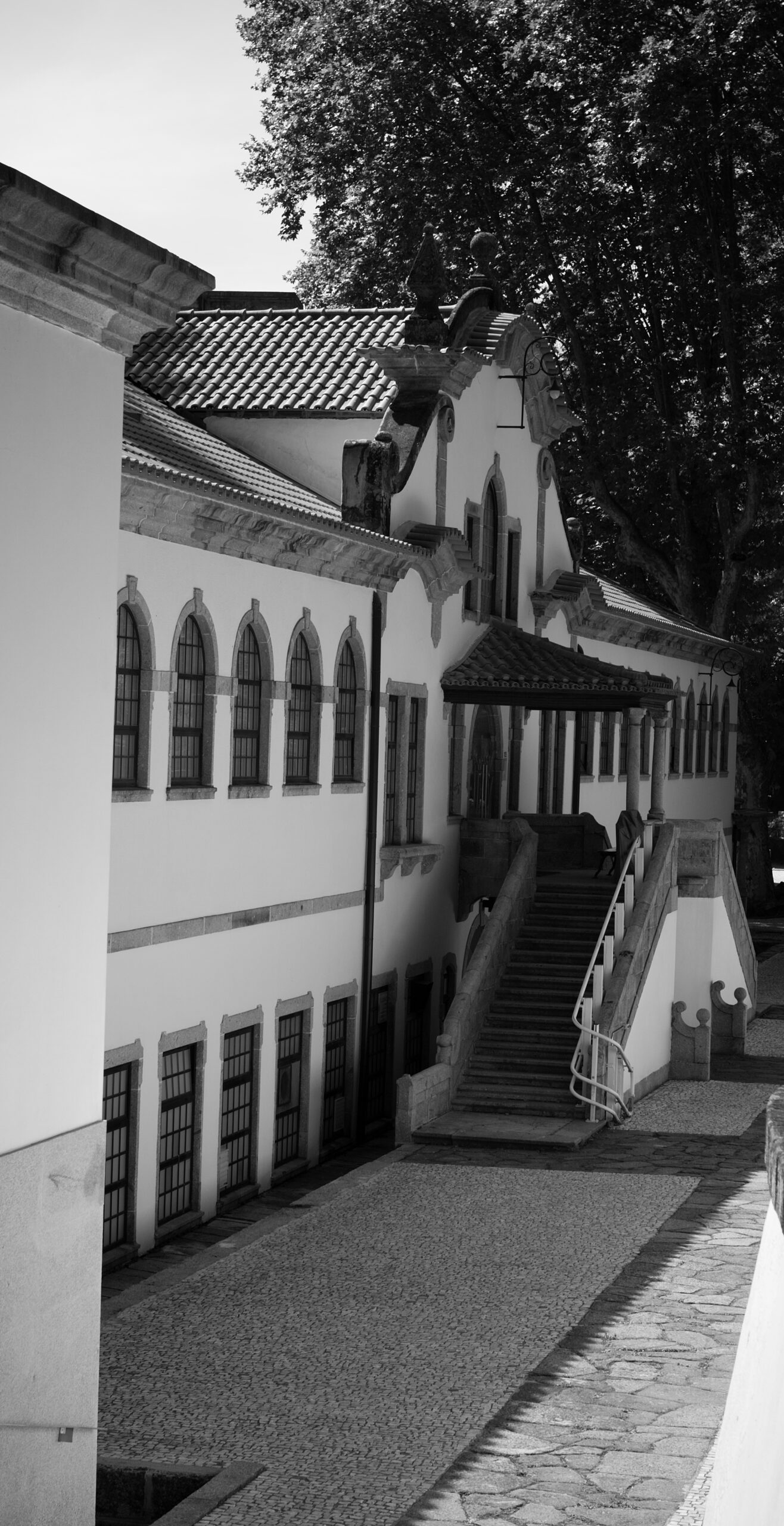
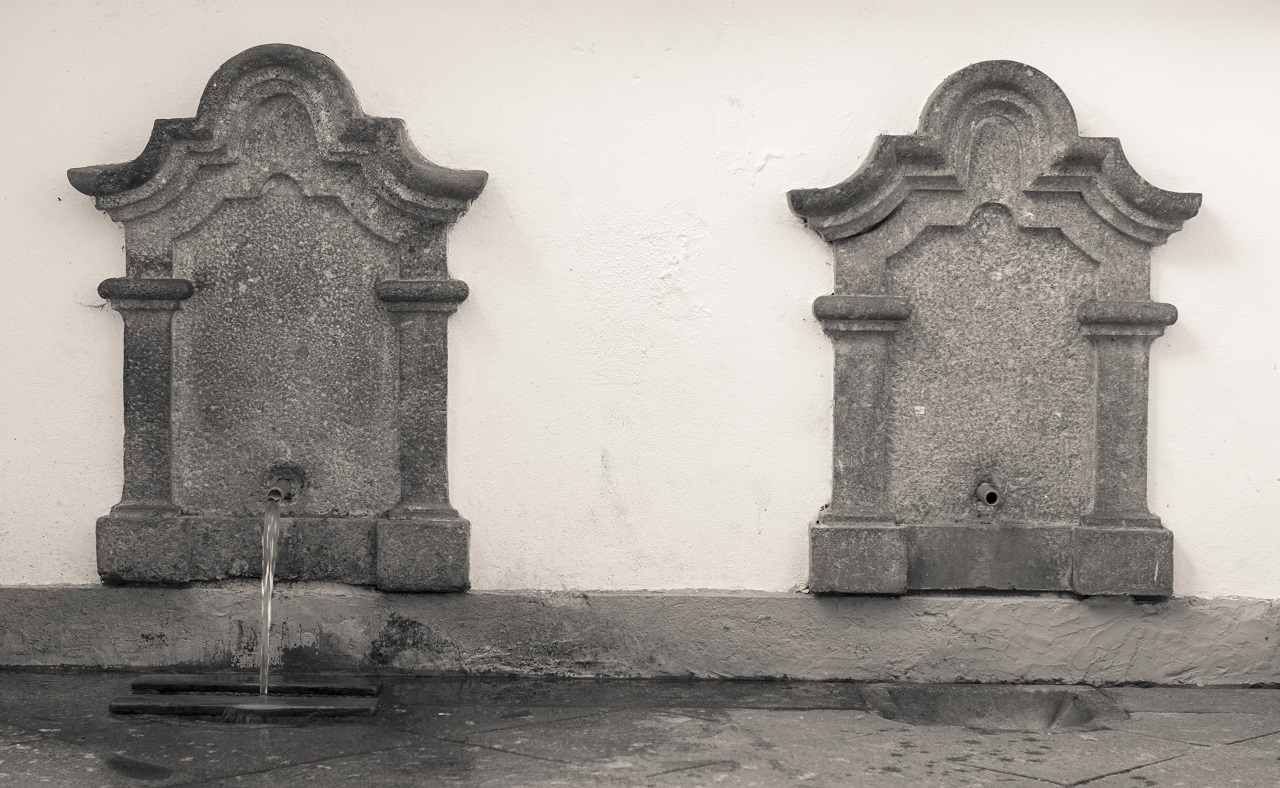
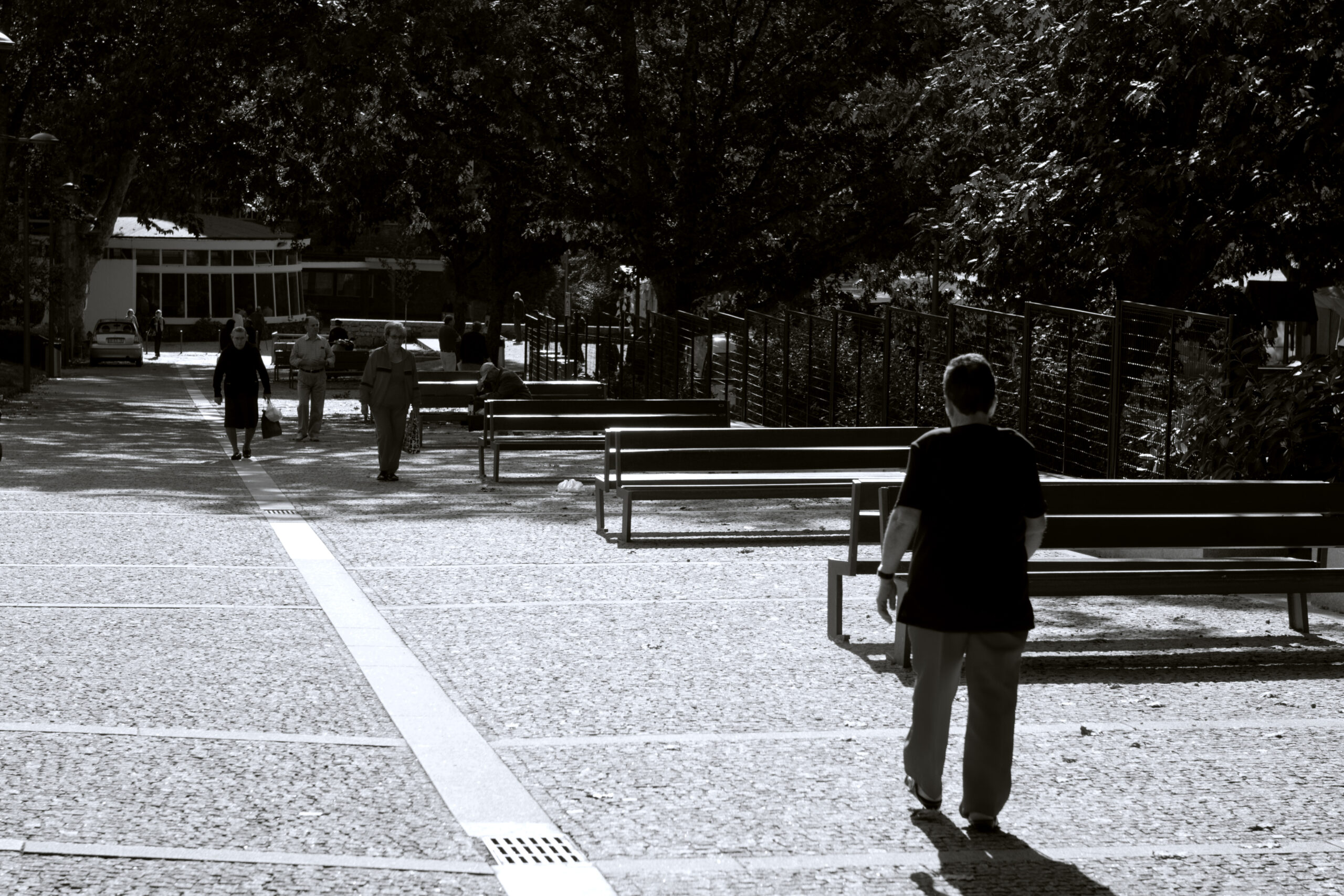
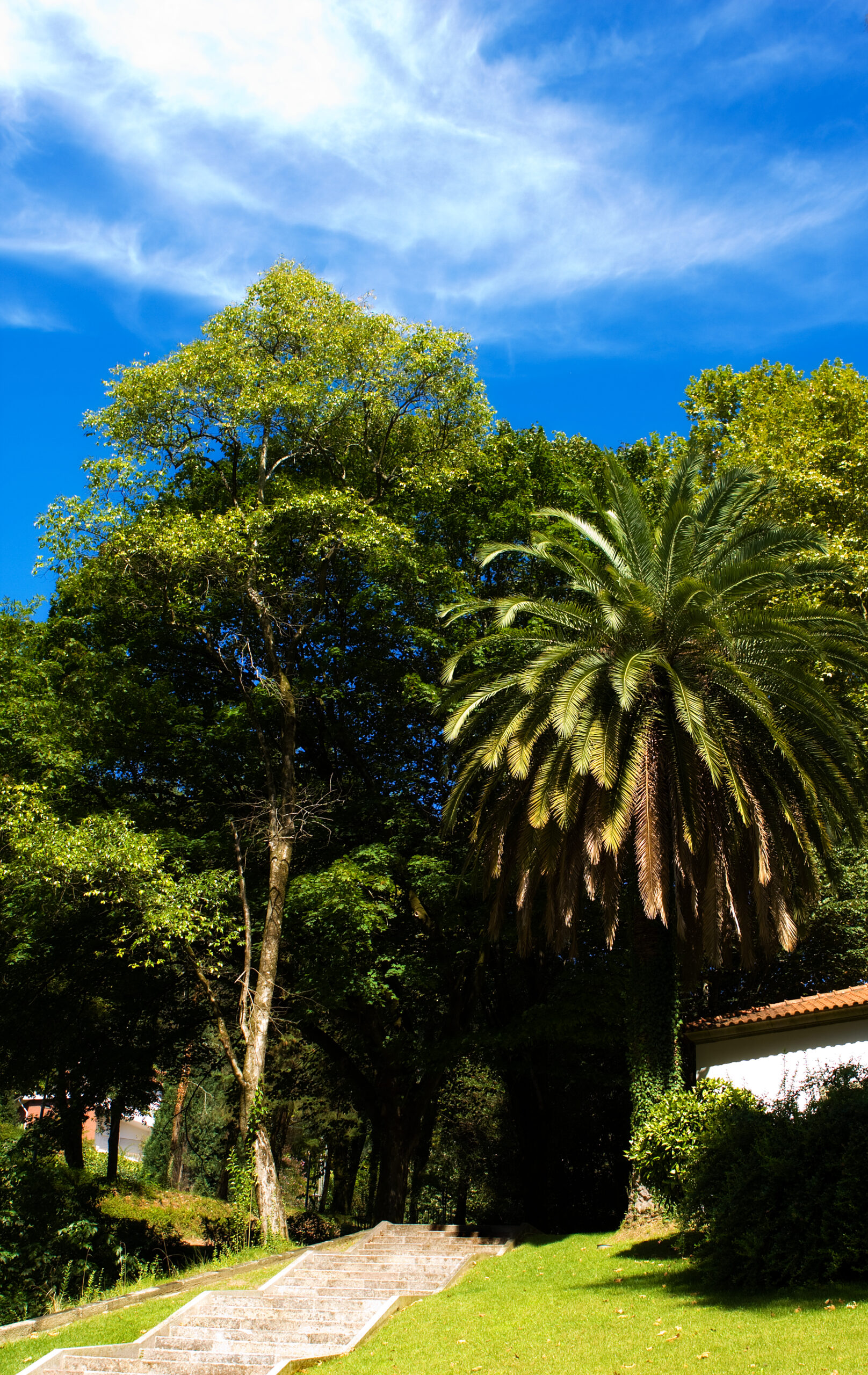

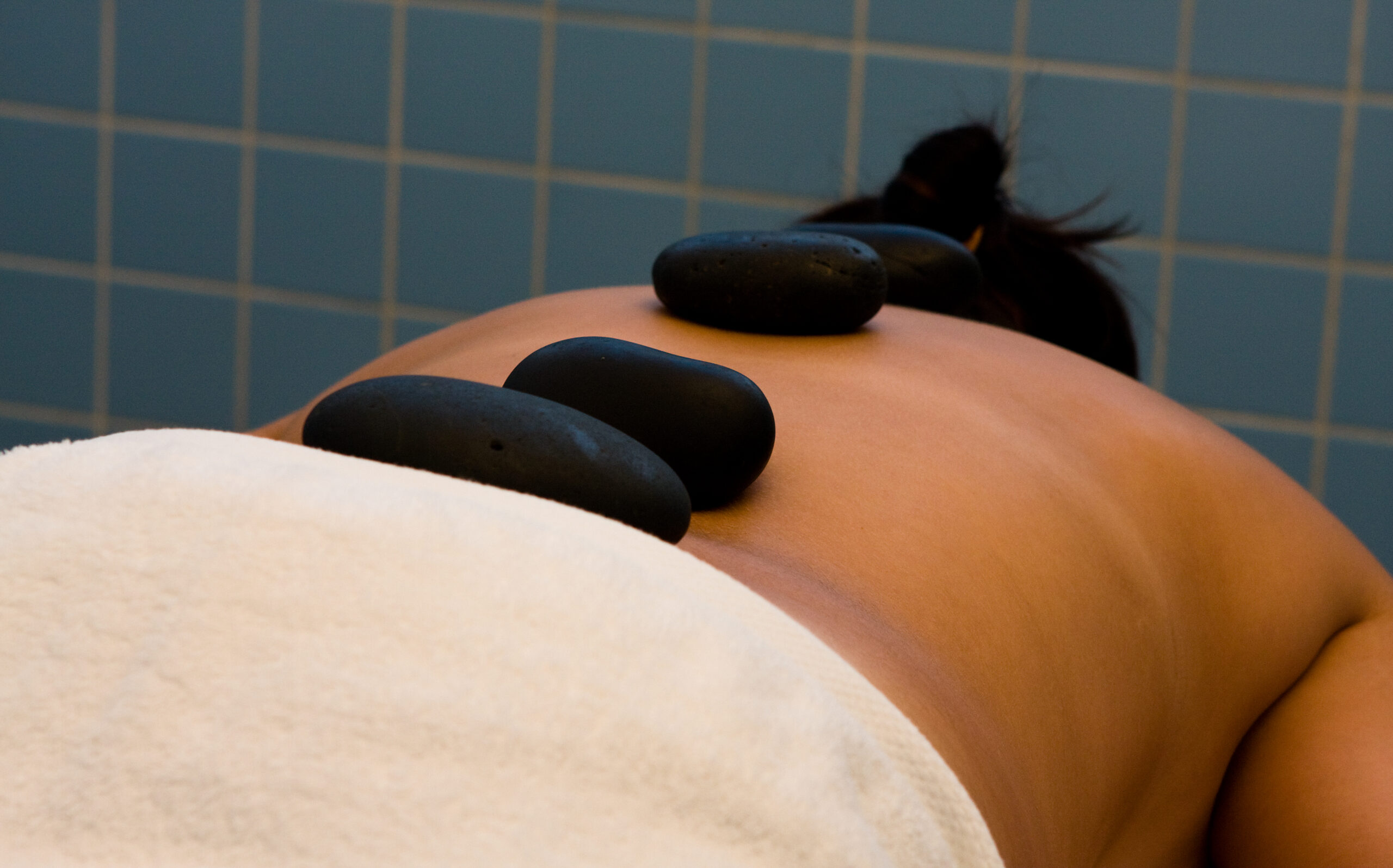
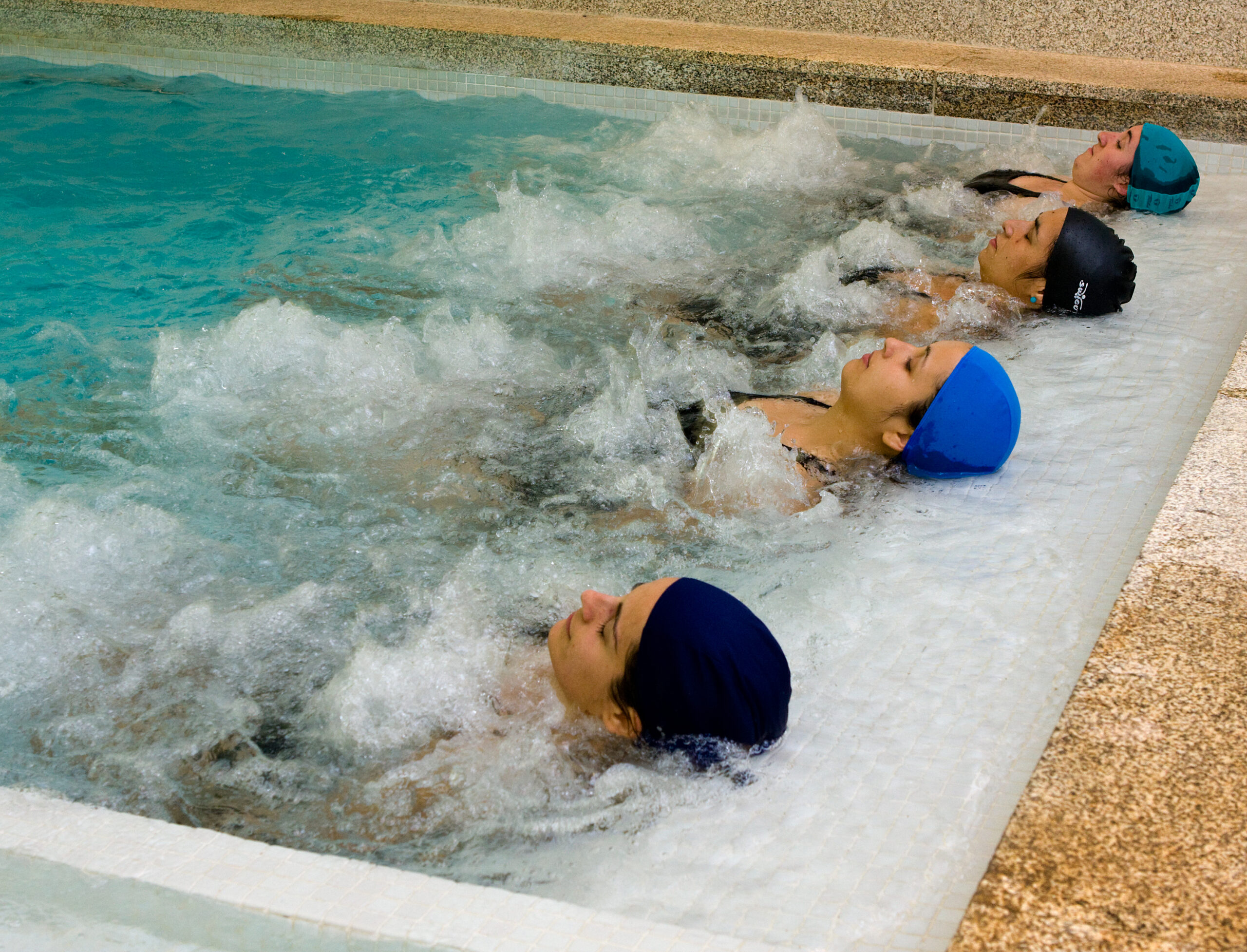
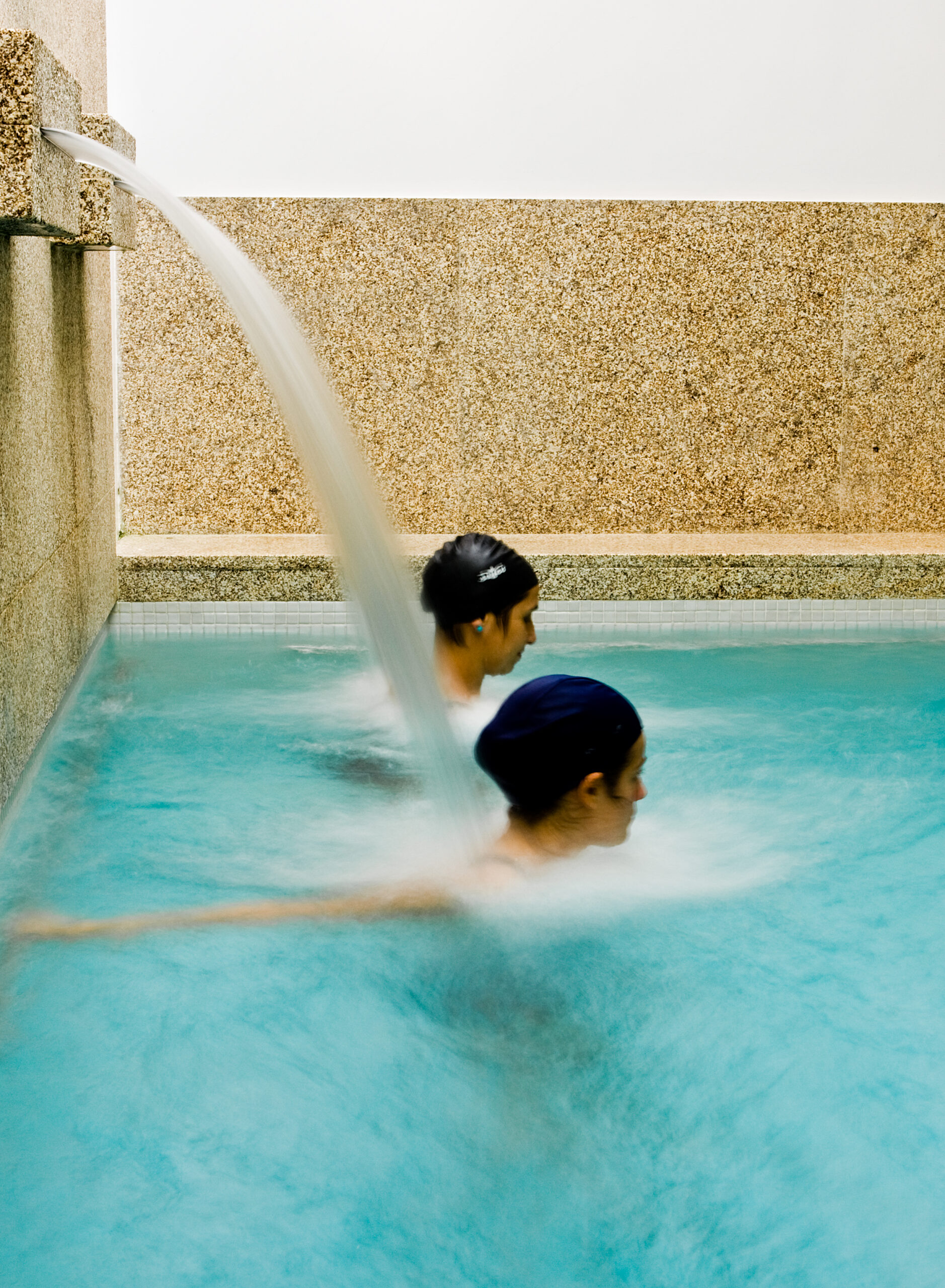
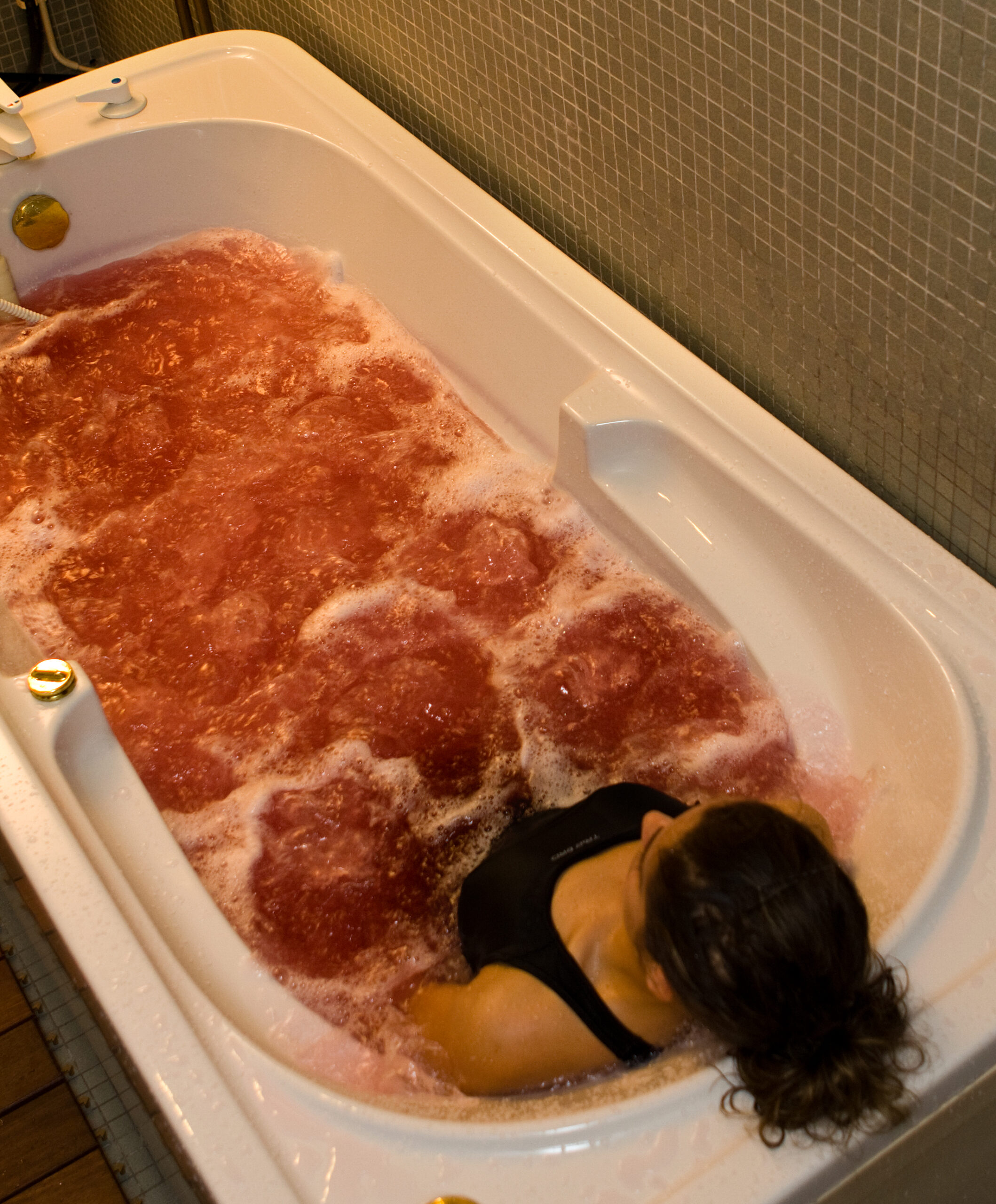

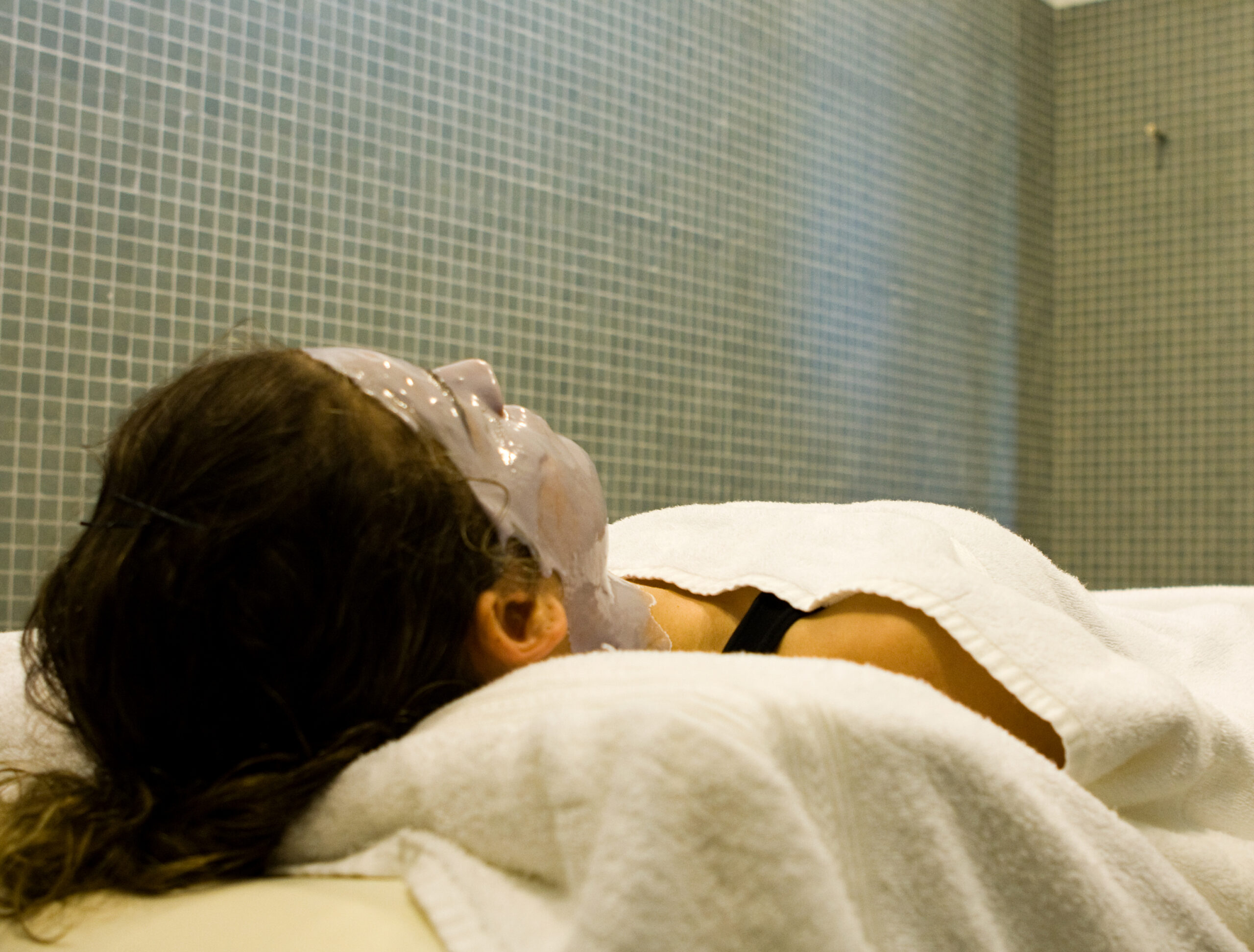
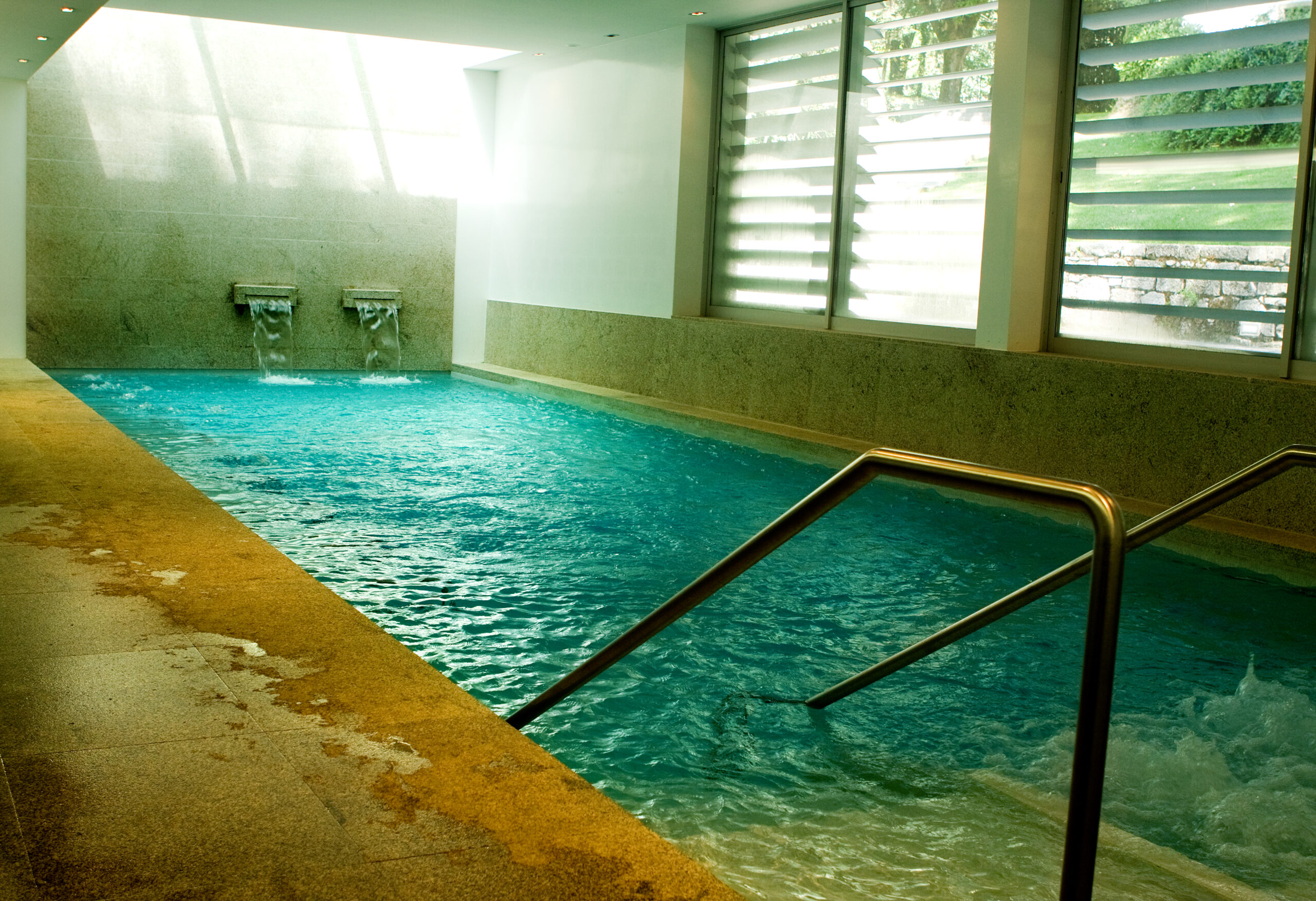
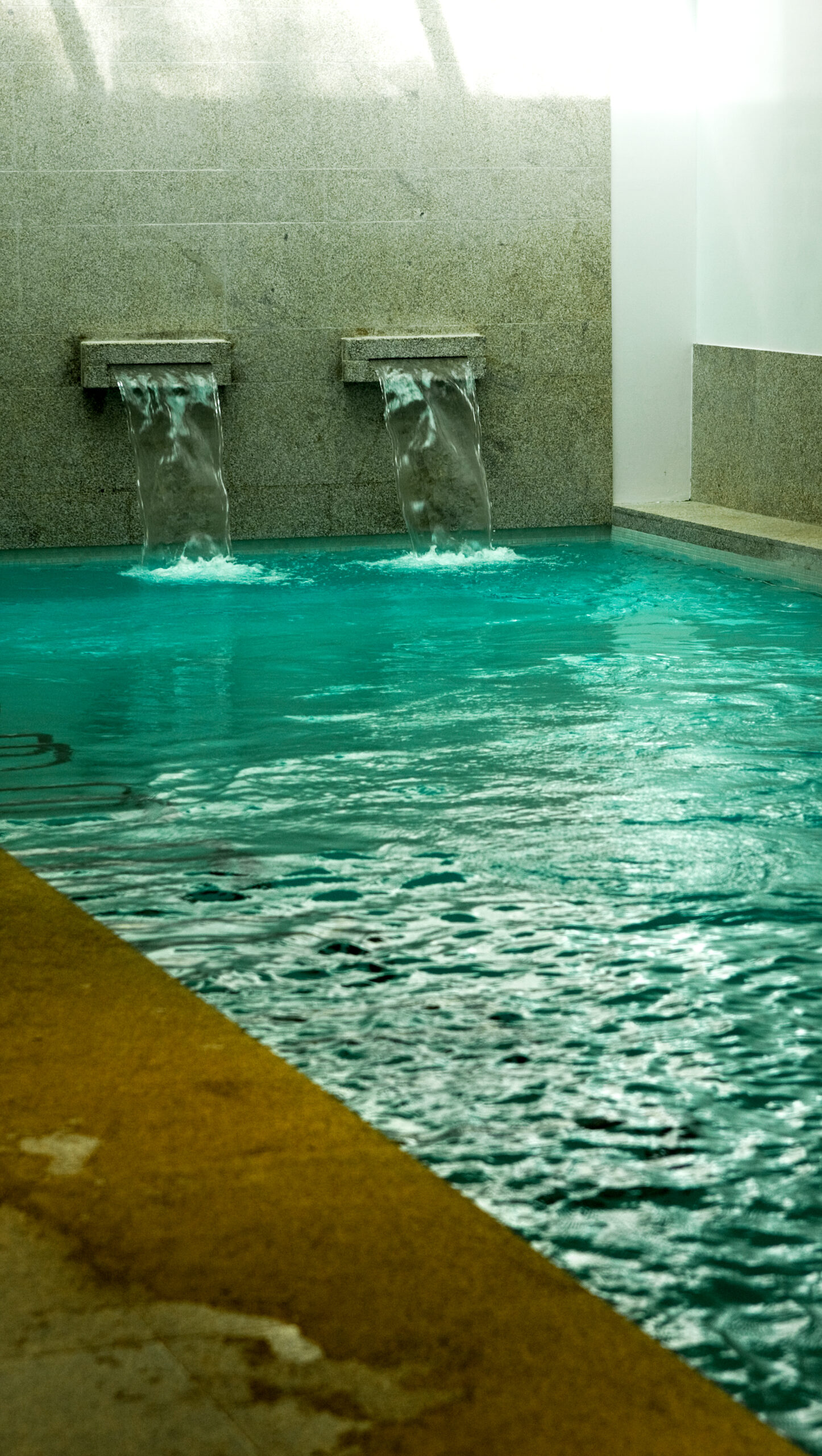
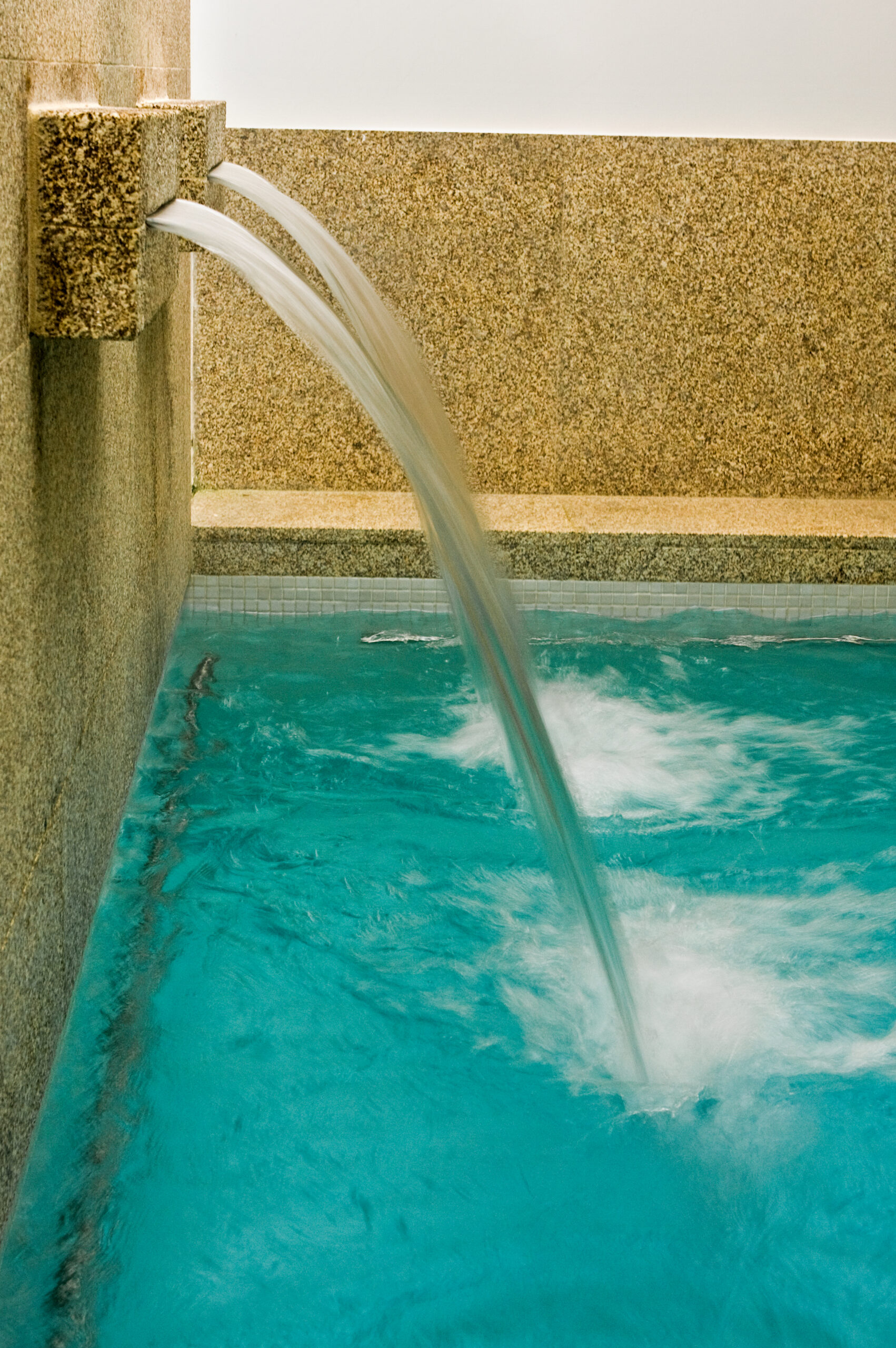
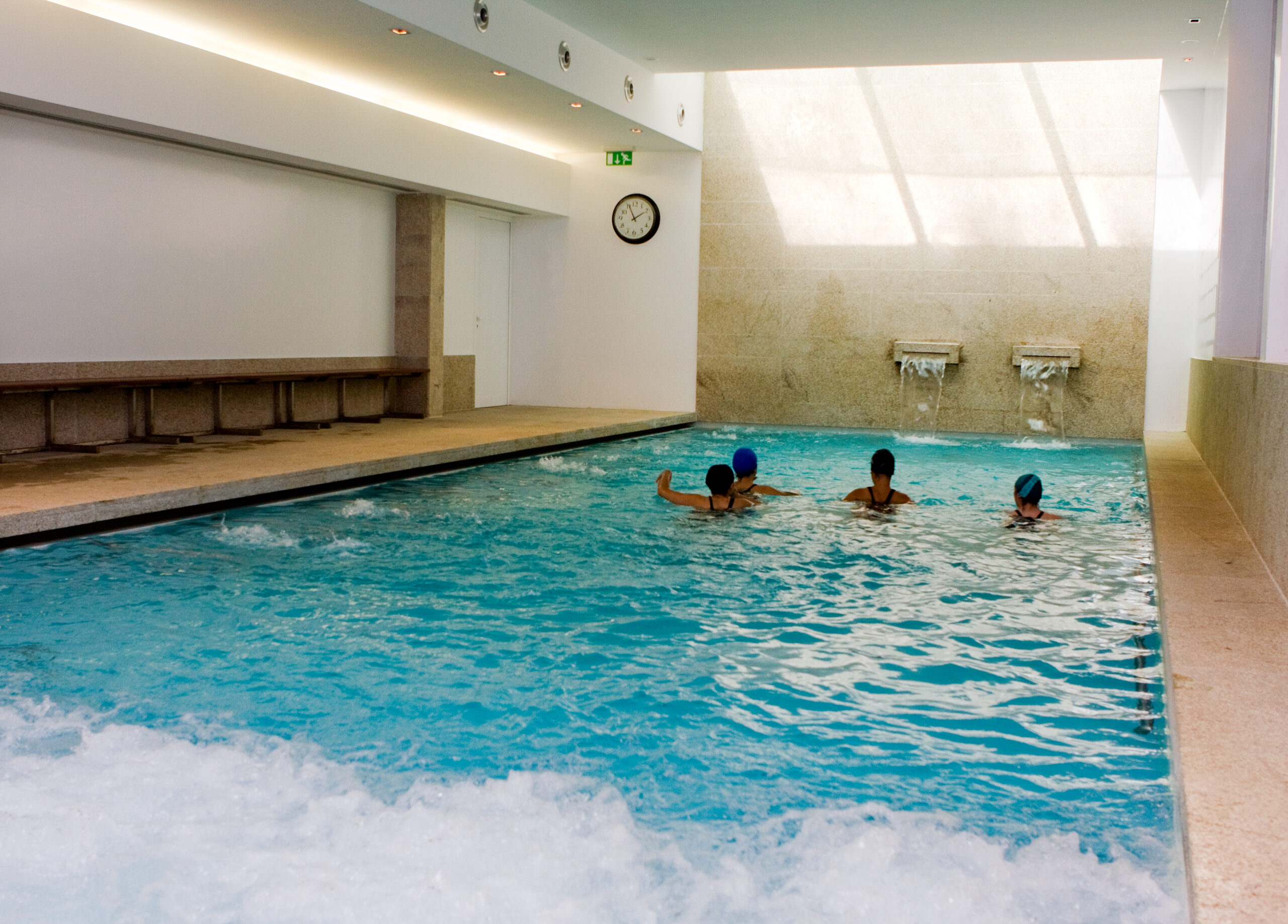
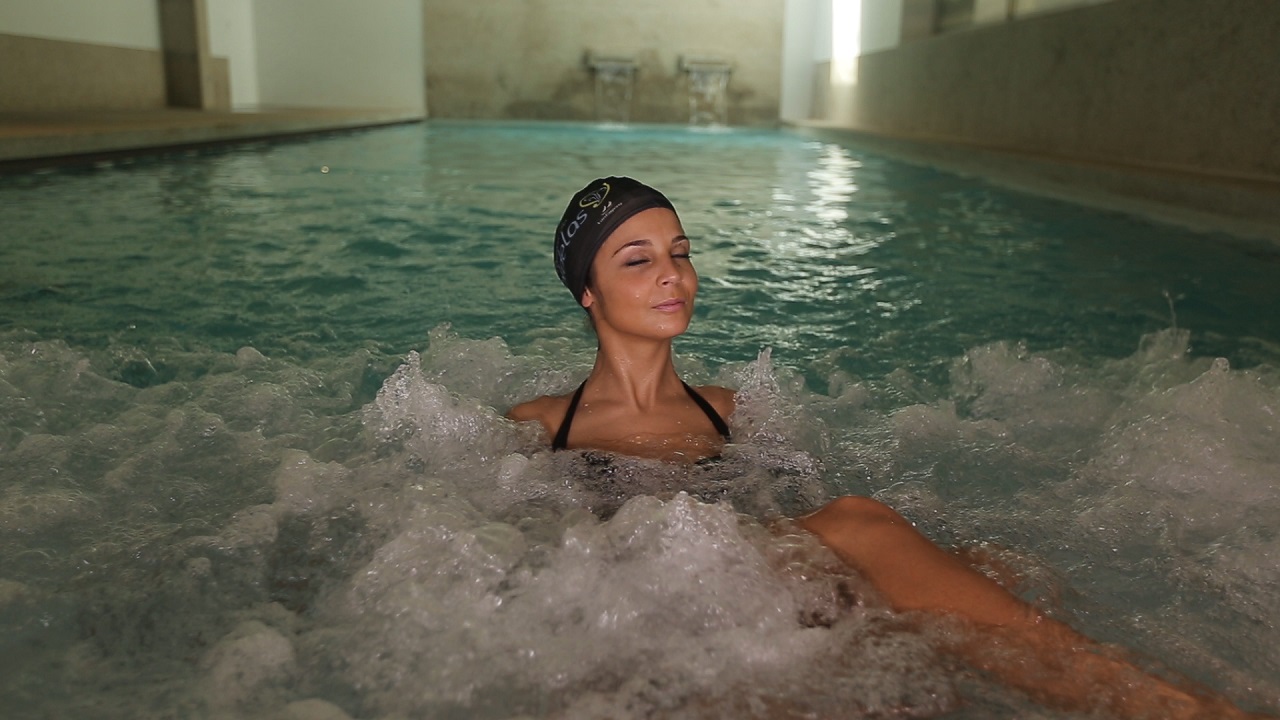
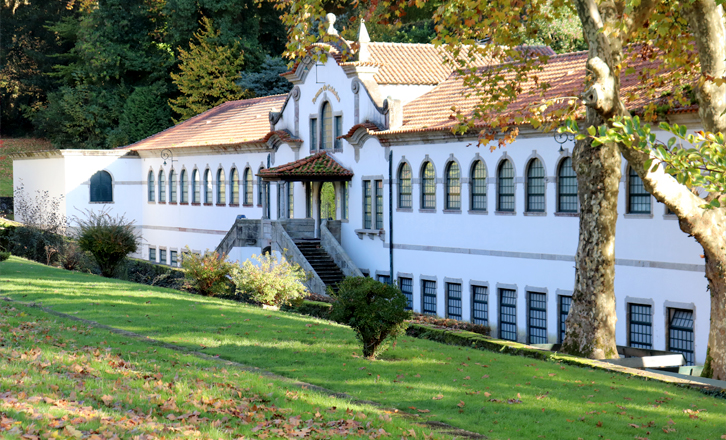
Currently, the entire space of Vila Termal has been refurbished, providing, in addition to therapeutic indications for the digestive system and musculoskeletal system, programs aimed at anti-stress, weight loss, rejuvenation or energy recovery.
The history of the Caldelas Thermal Baths dates back to prehistoric times, as traces of a castreja village were found on the hill of S. Sebastião. Later, traces of Roman presence were found, which seem to indicate the existence of a Roman thermal establishment.
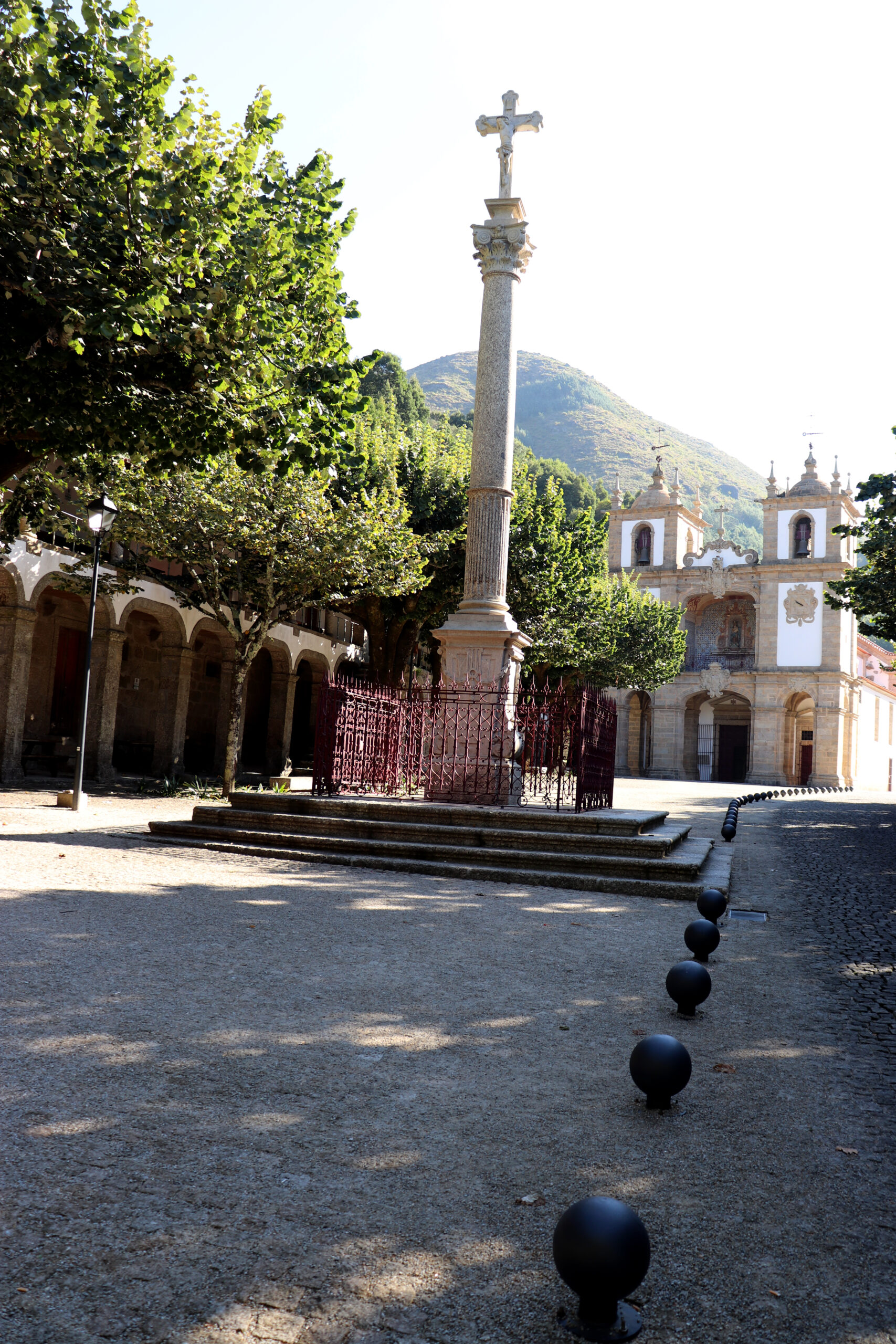
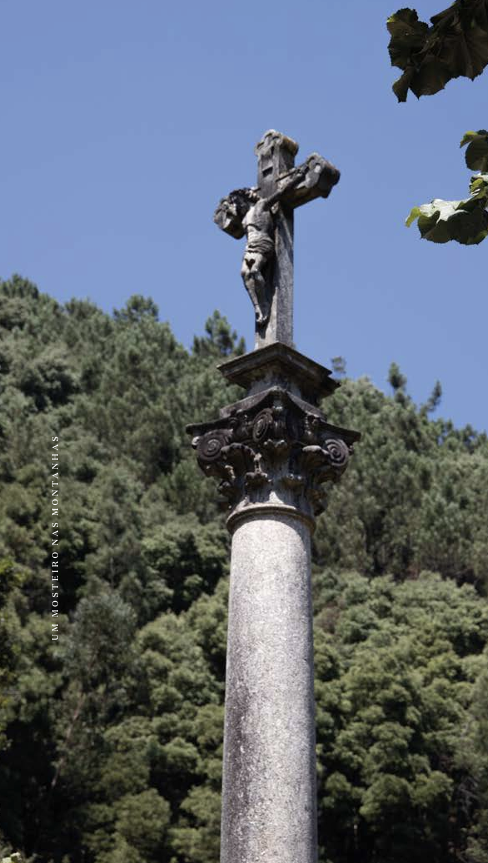
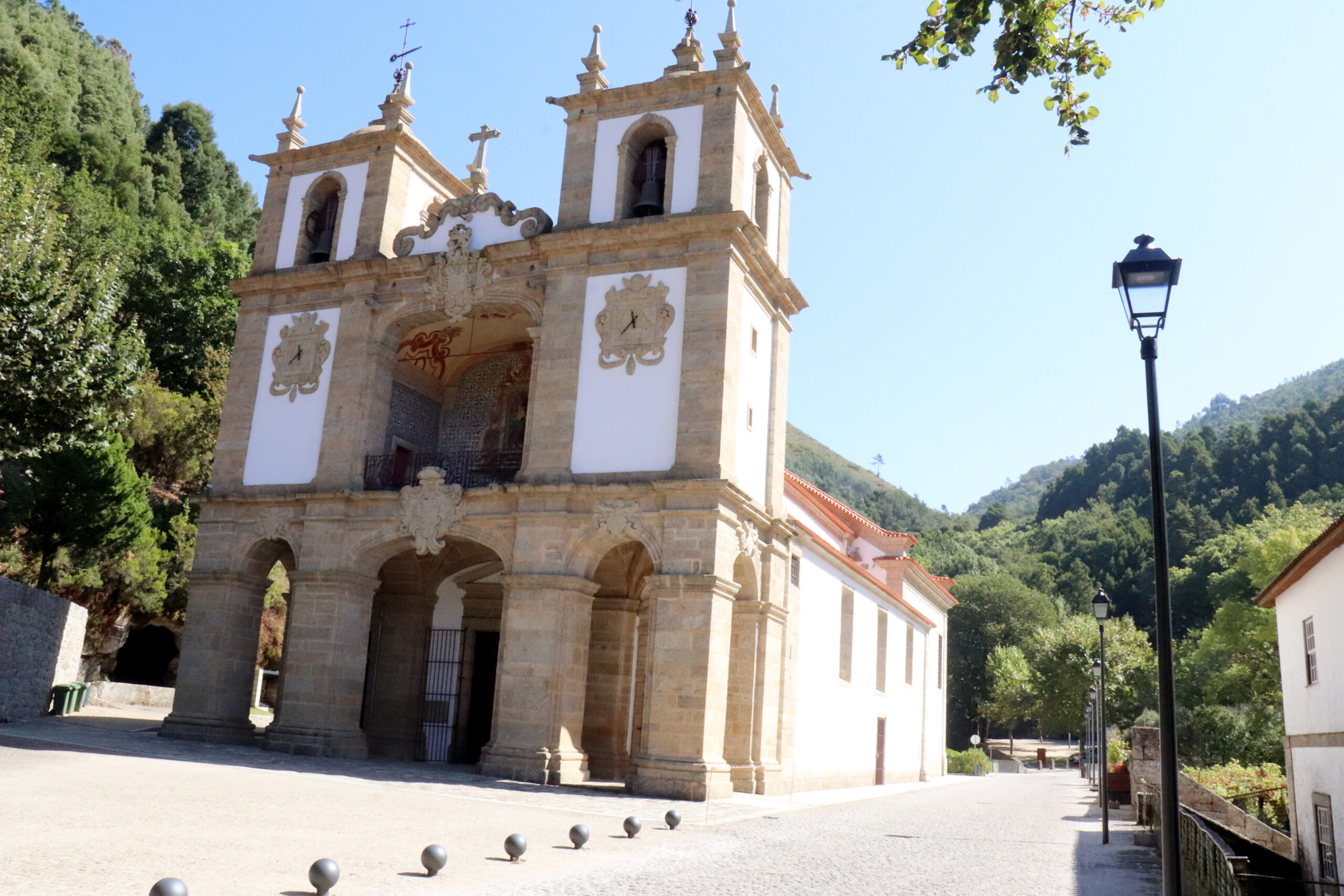
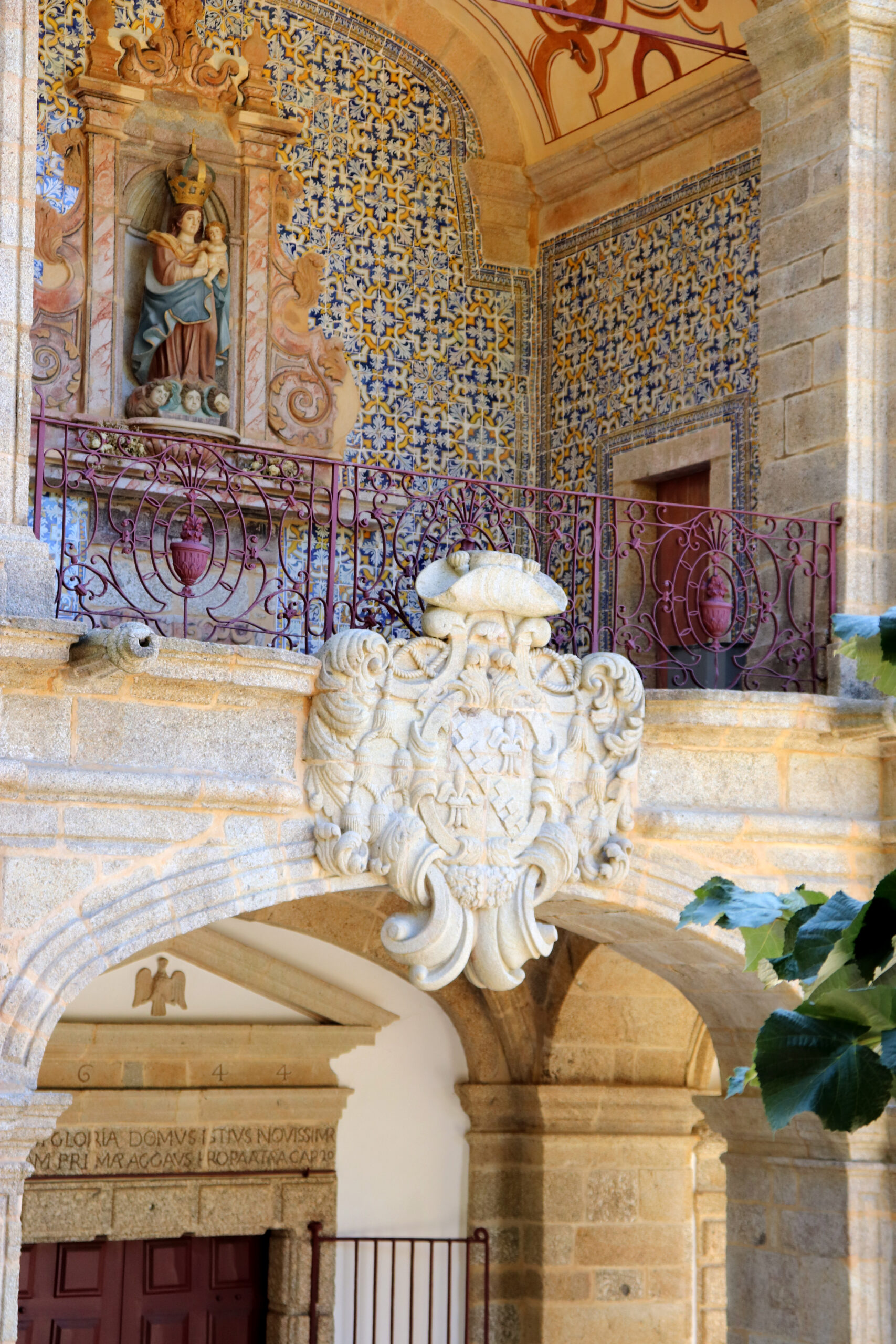
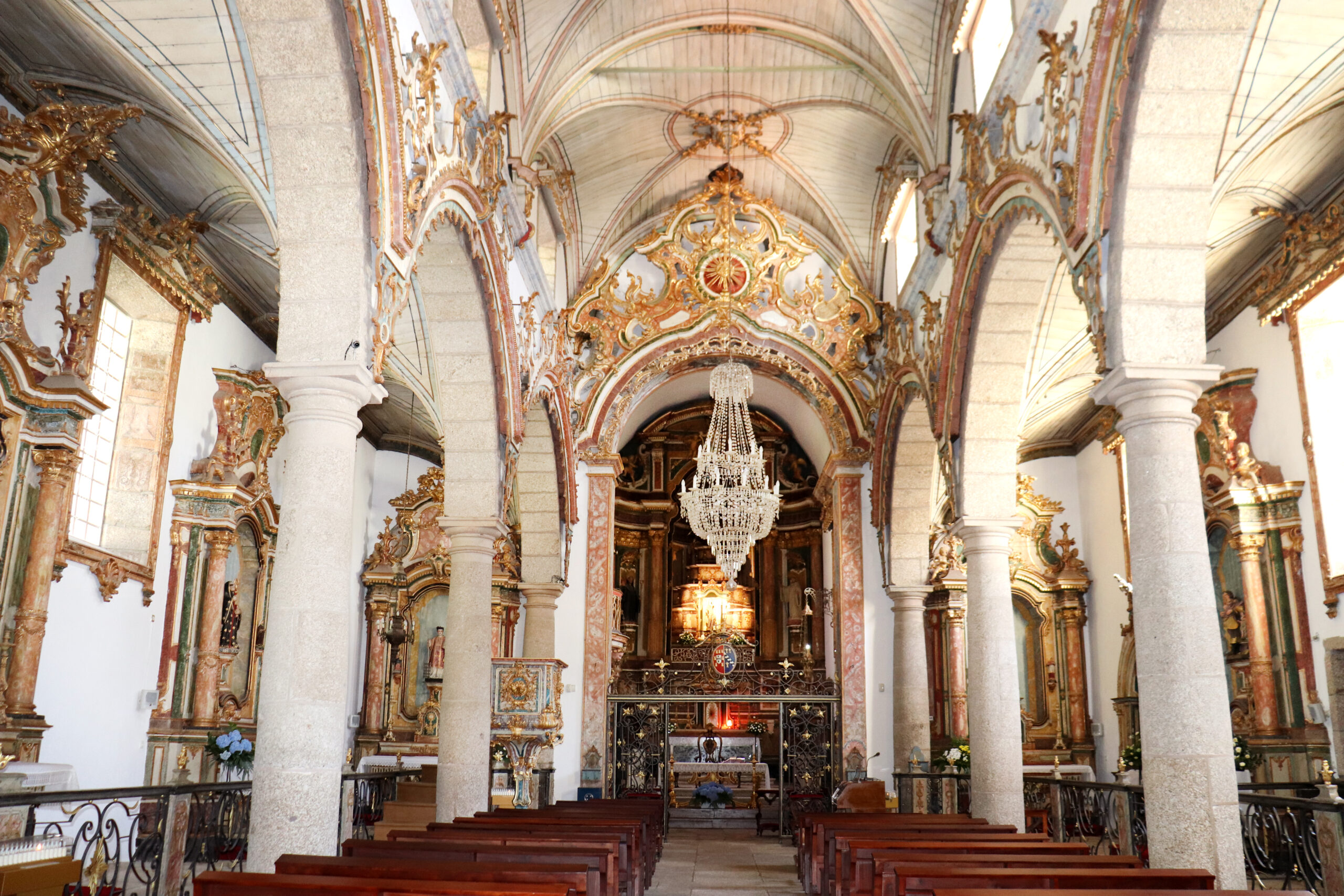
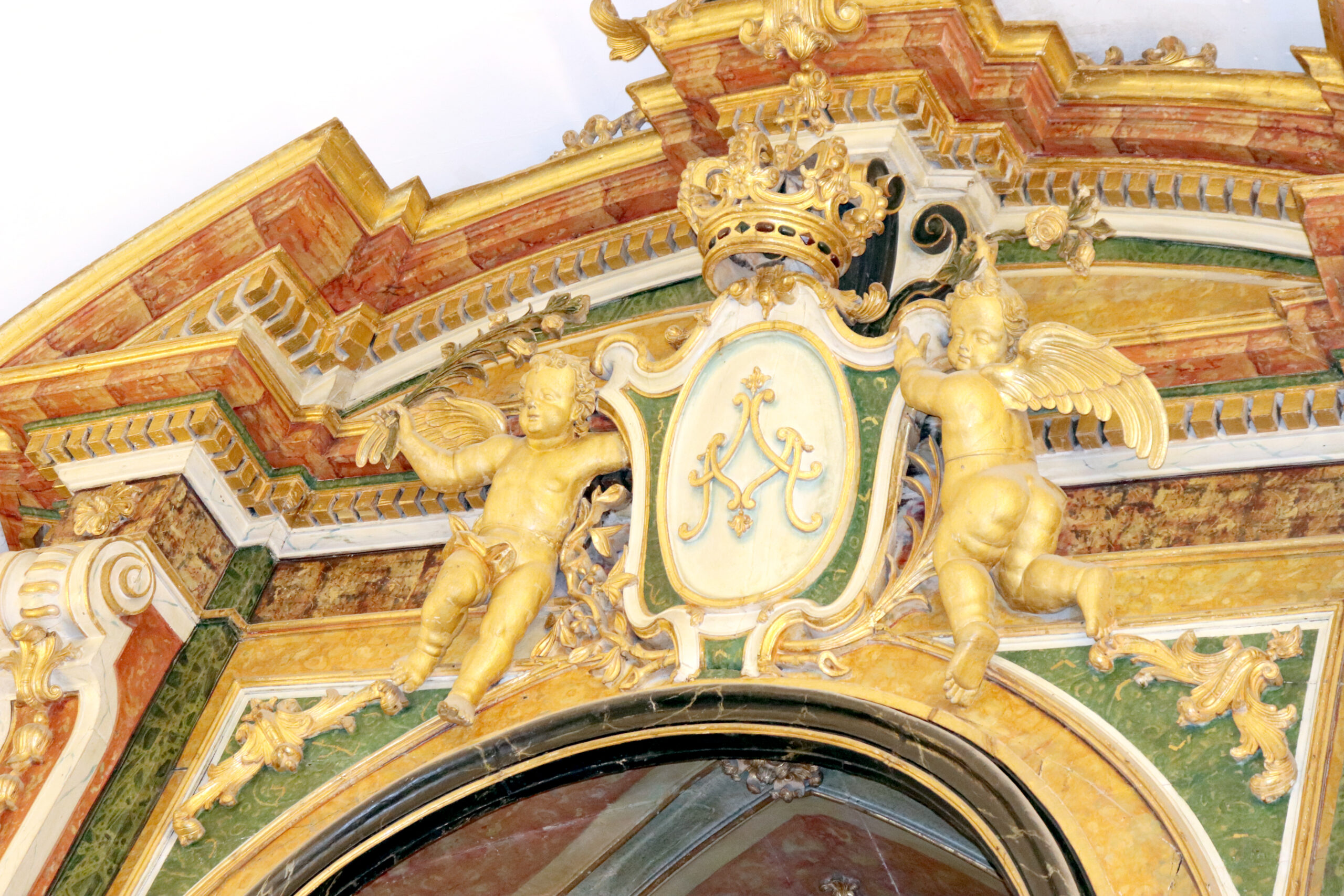
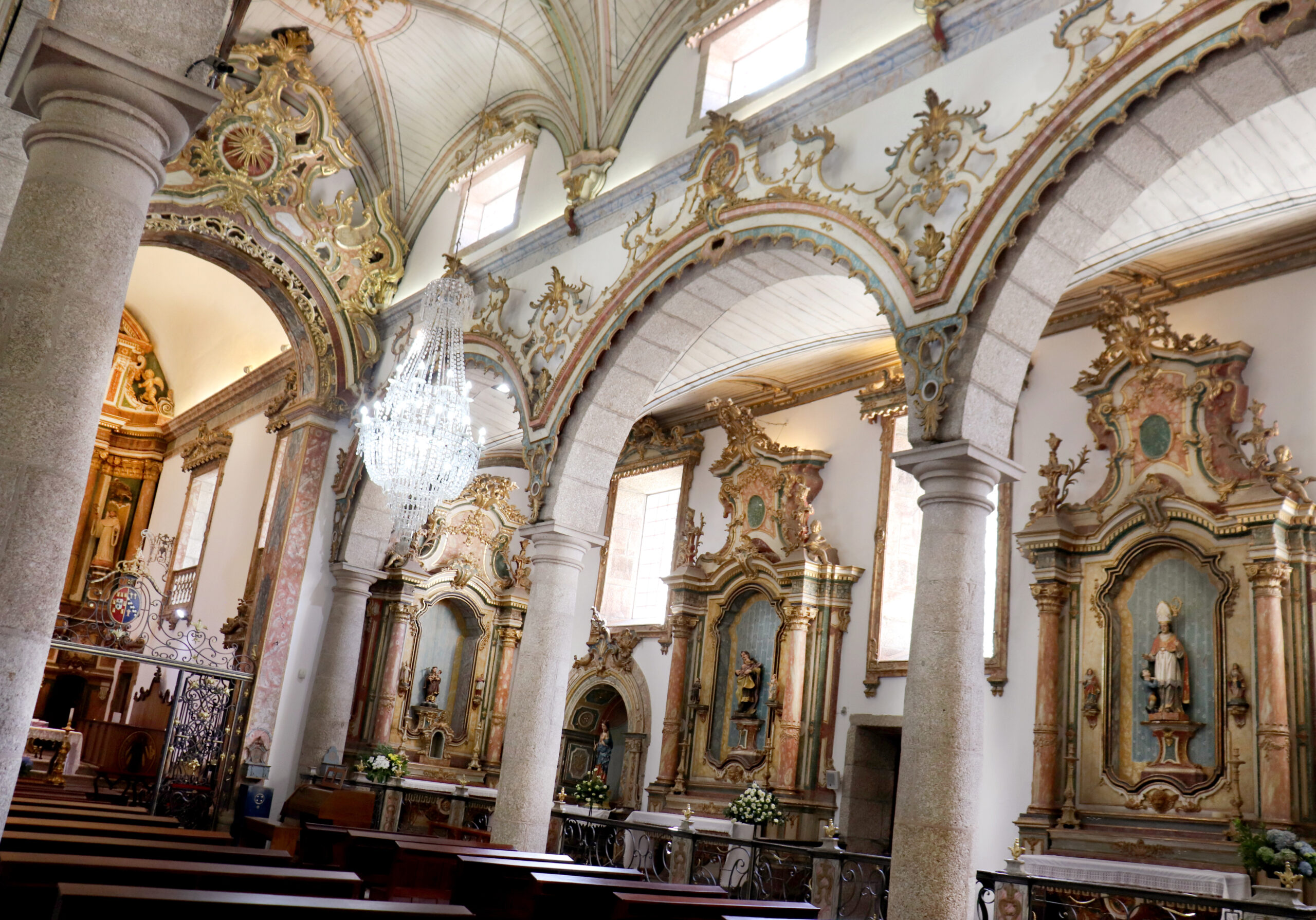
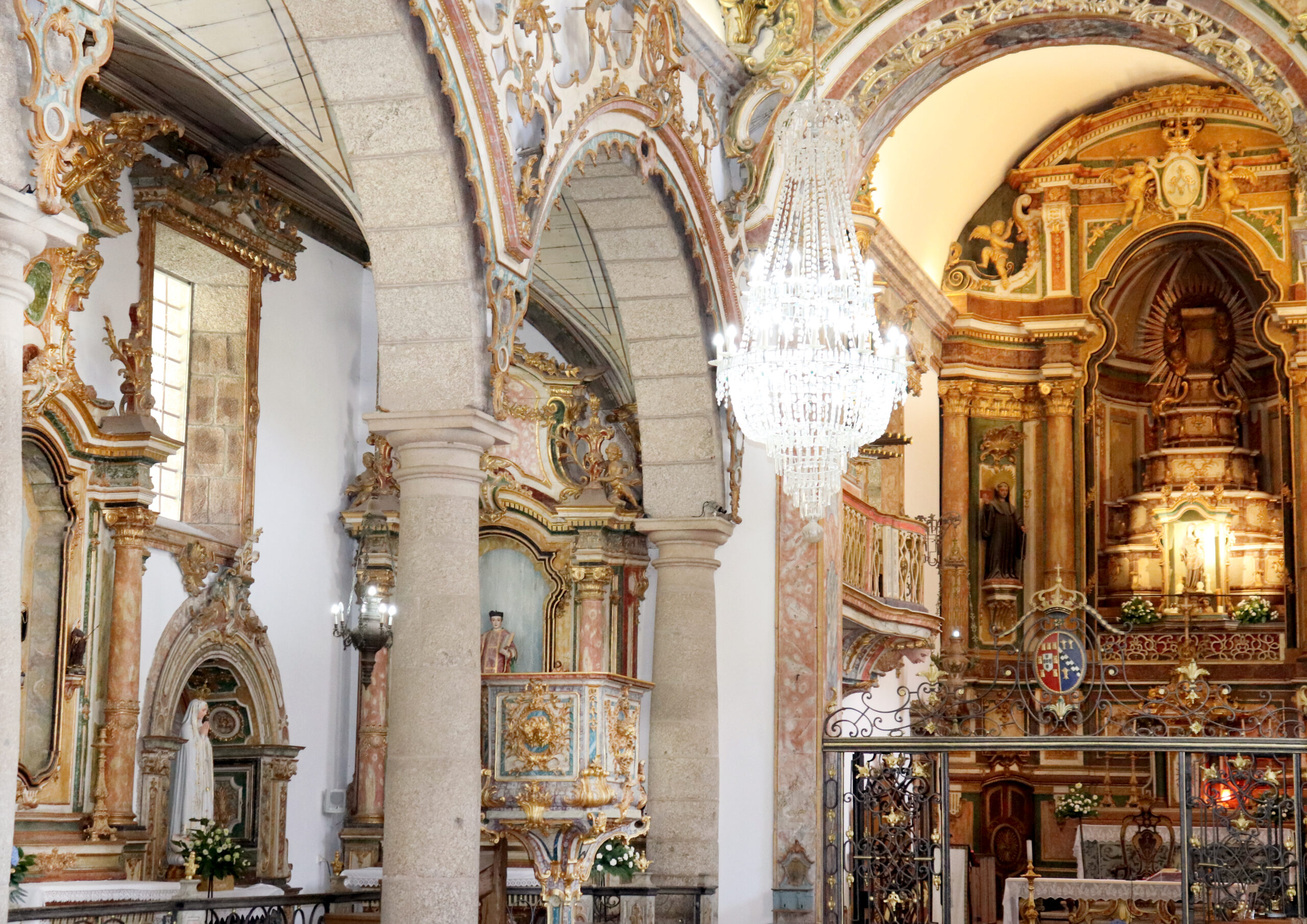
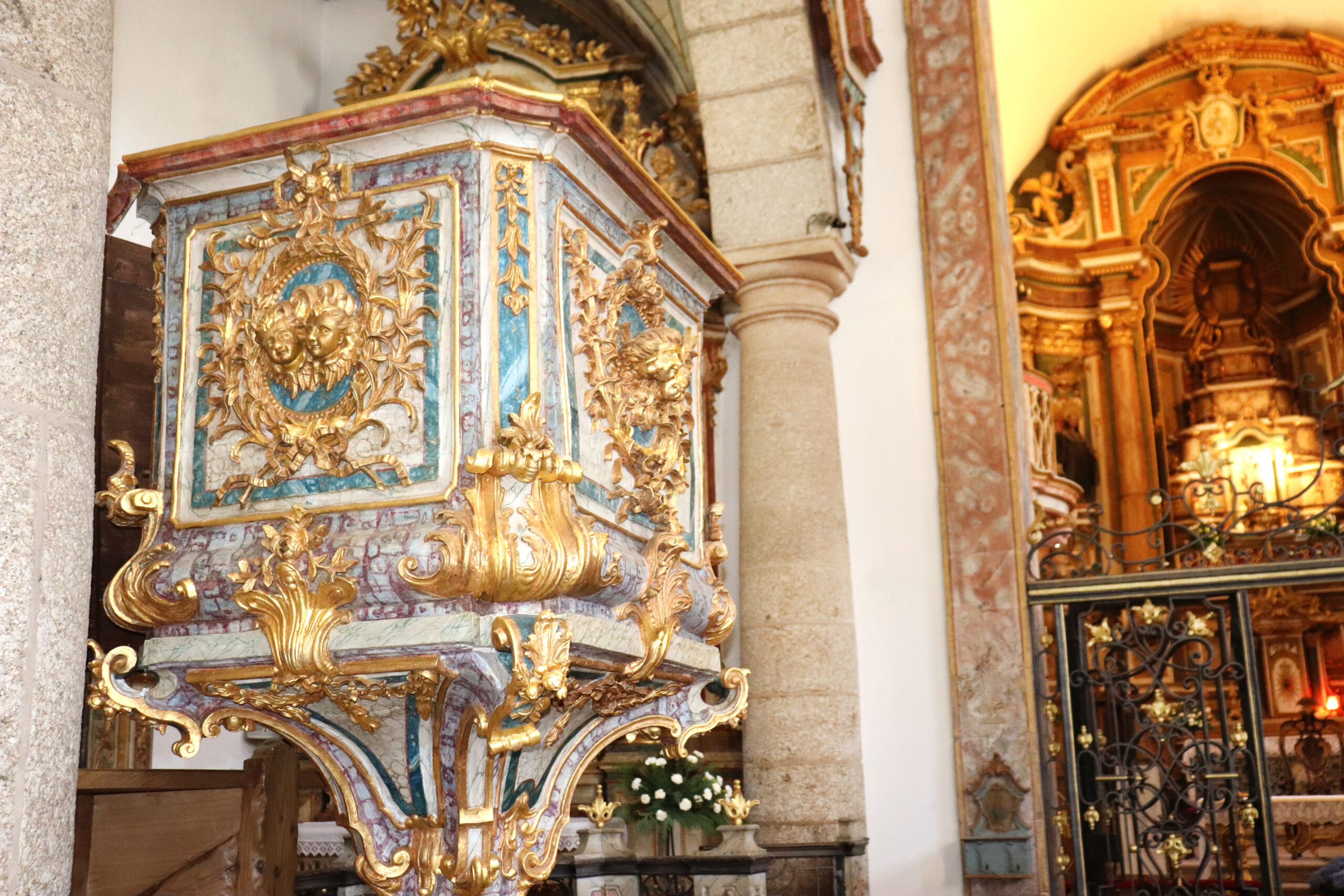
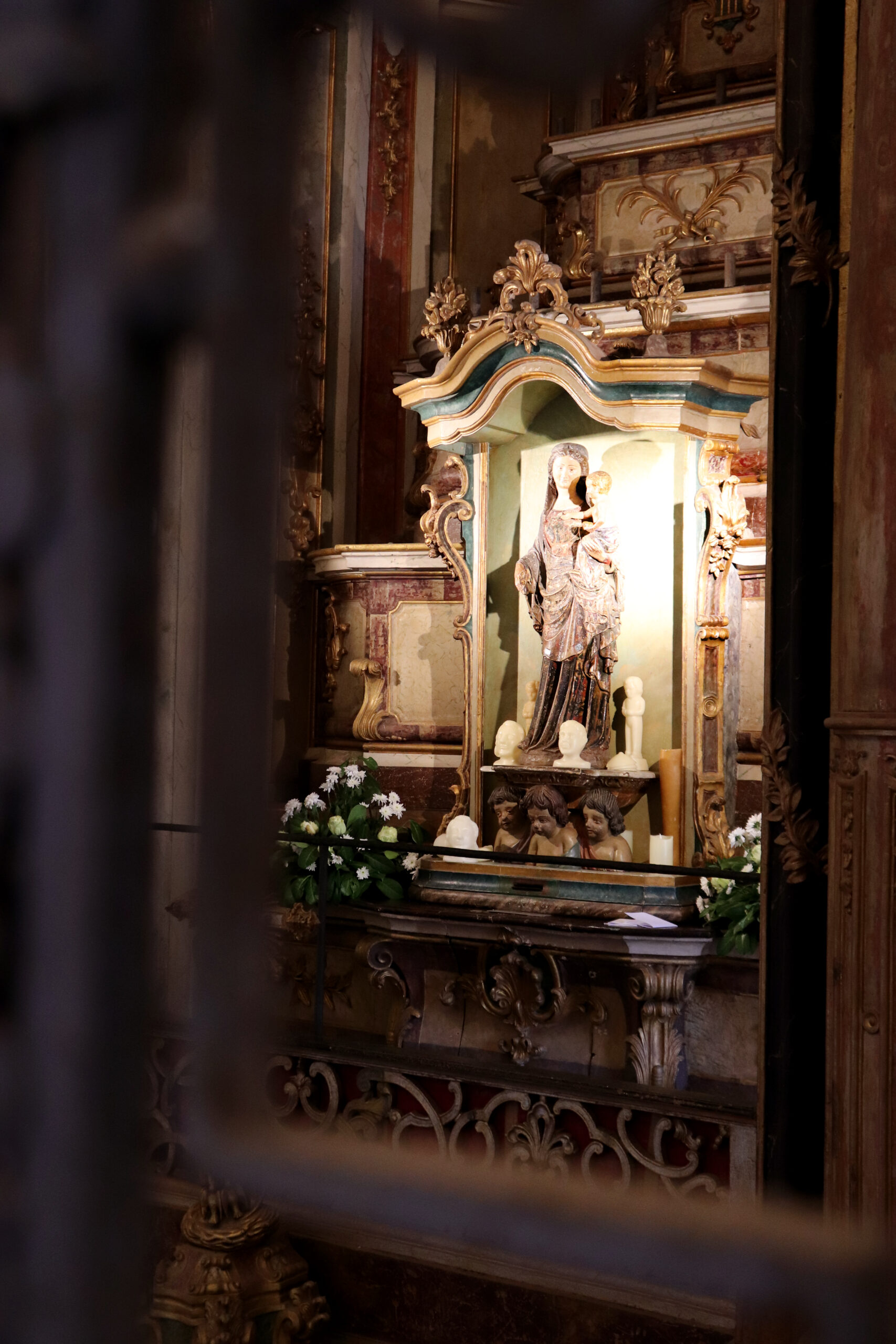
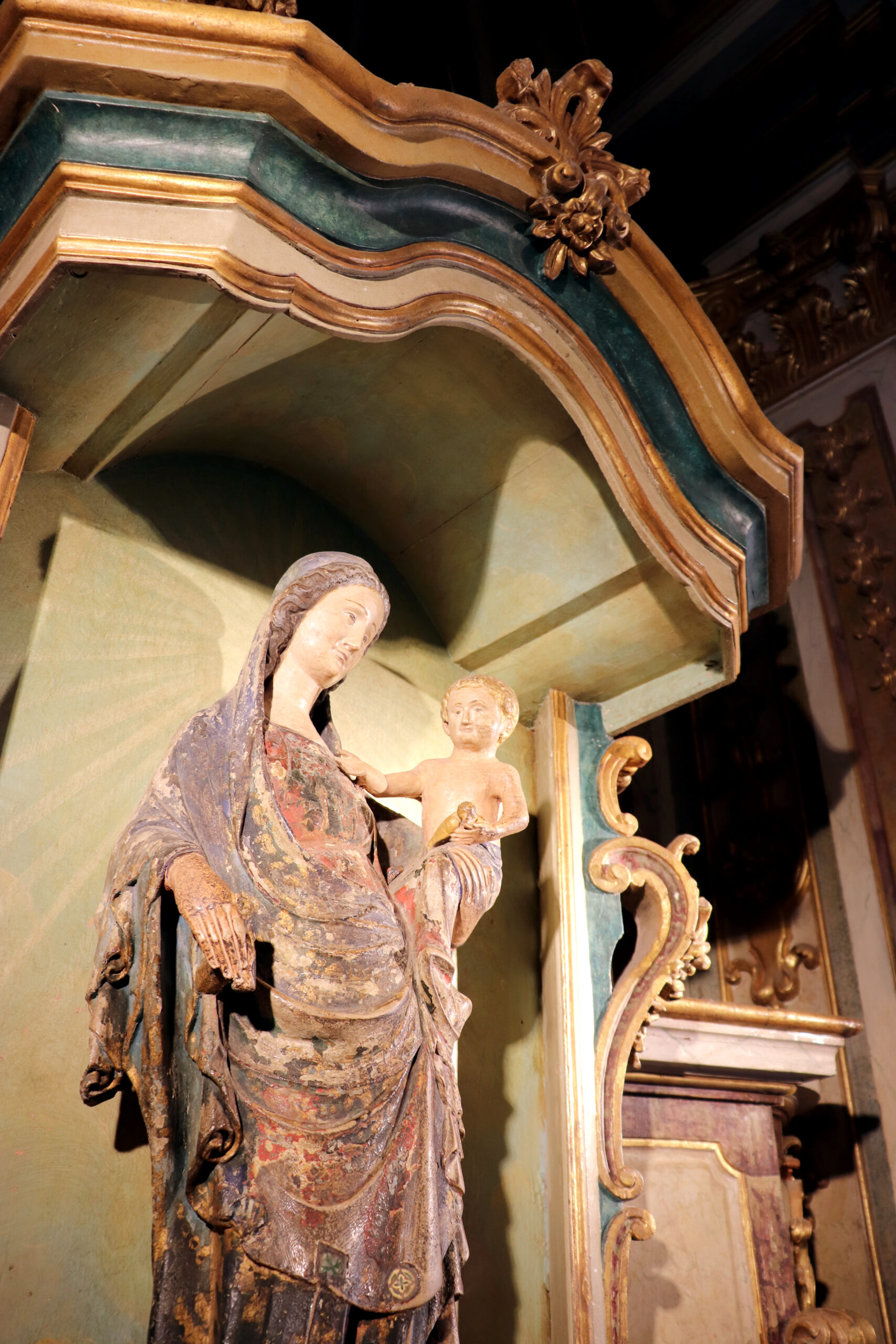
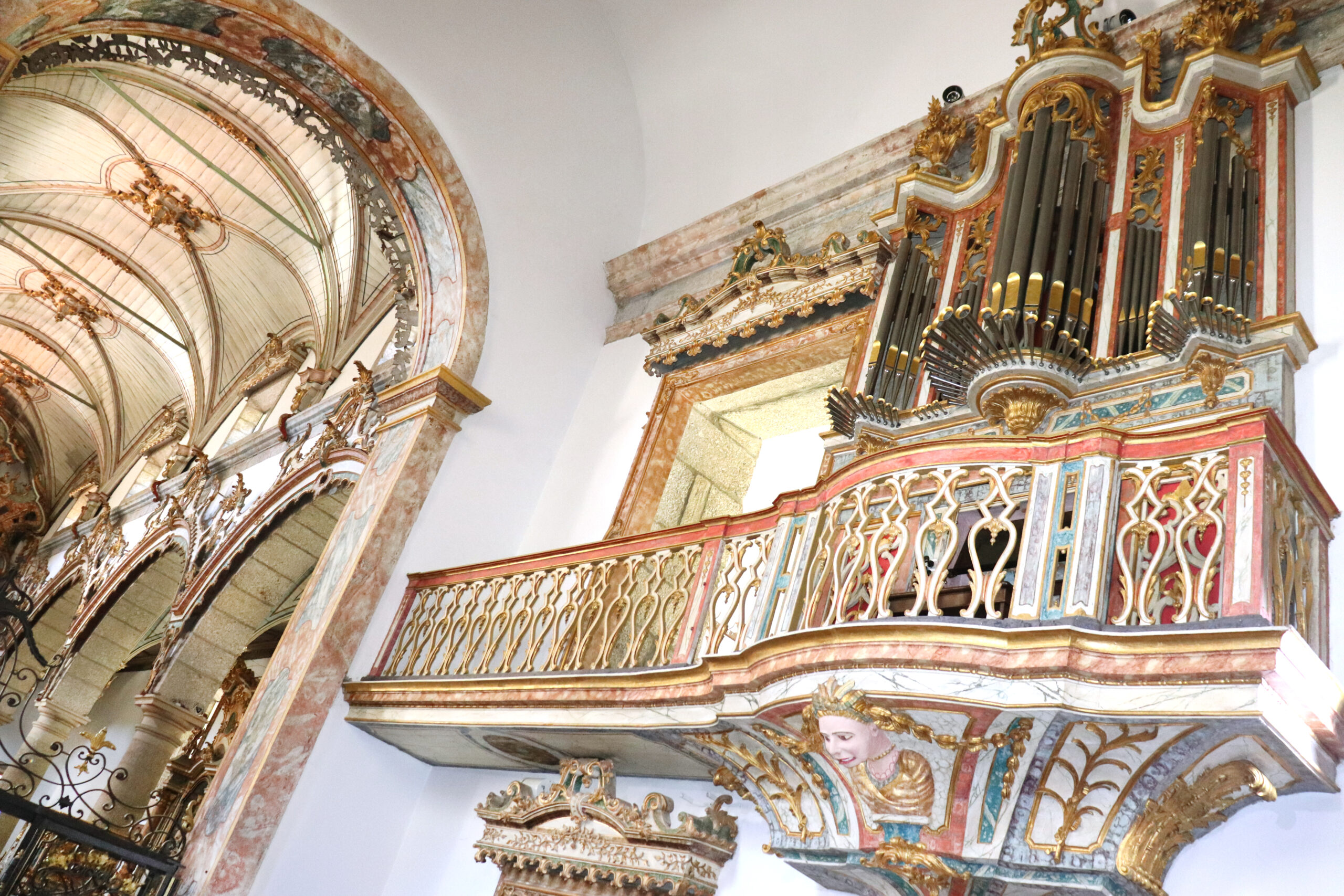

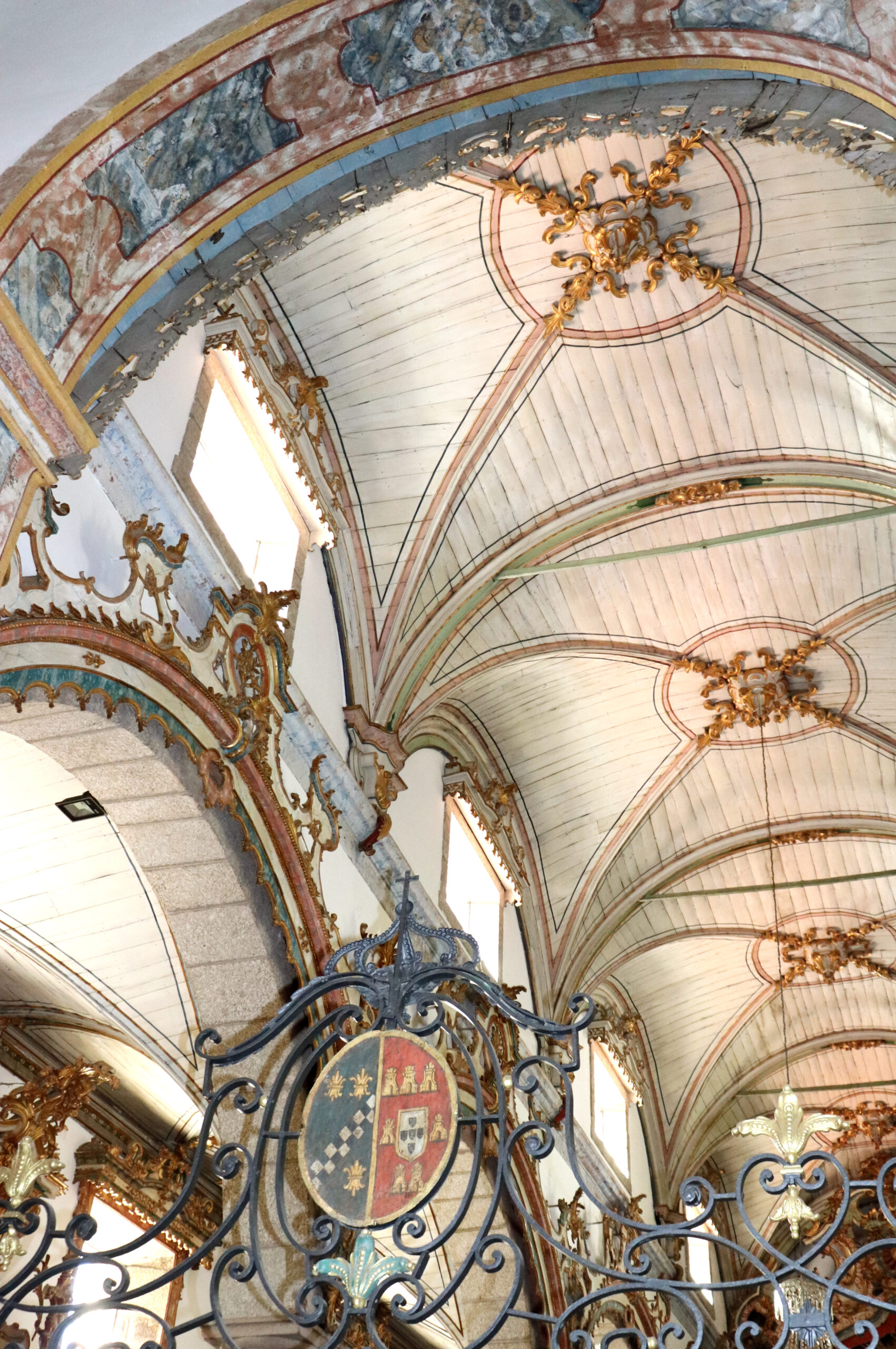
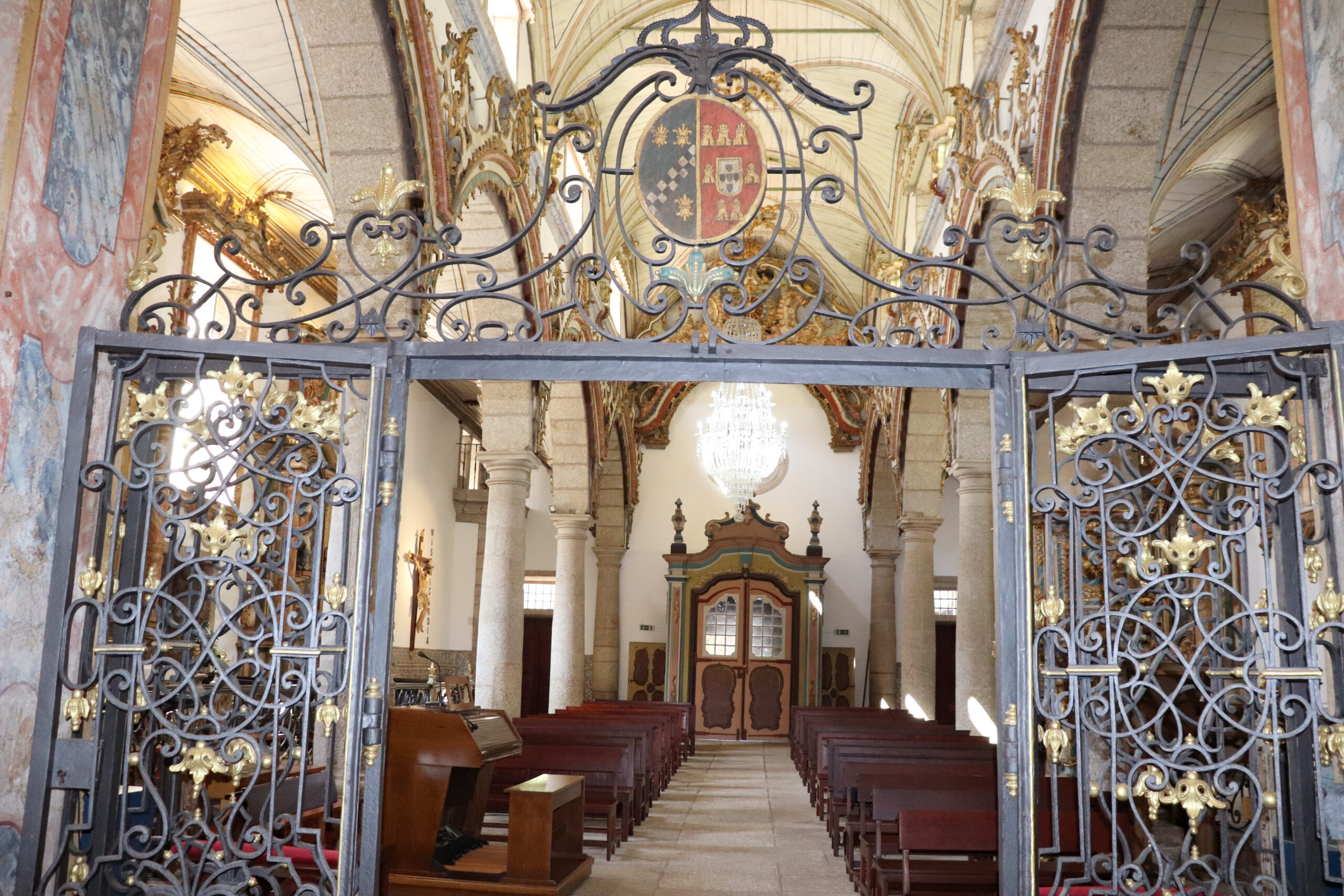
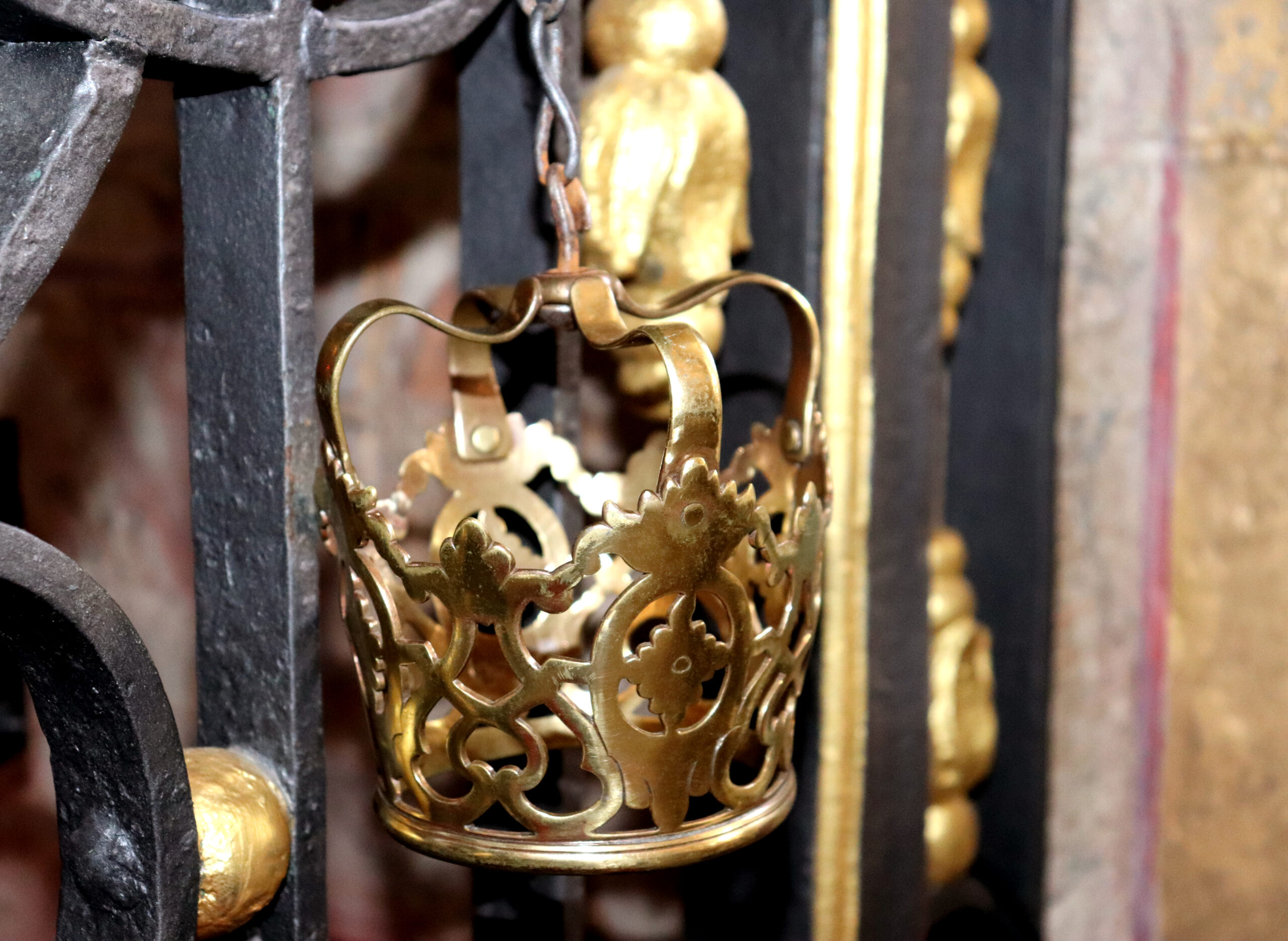
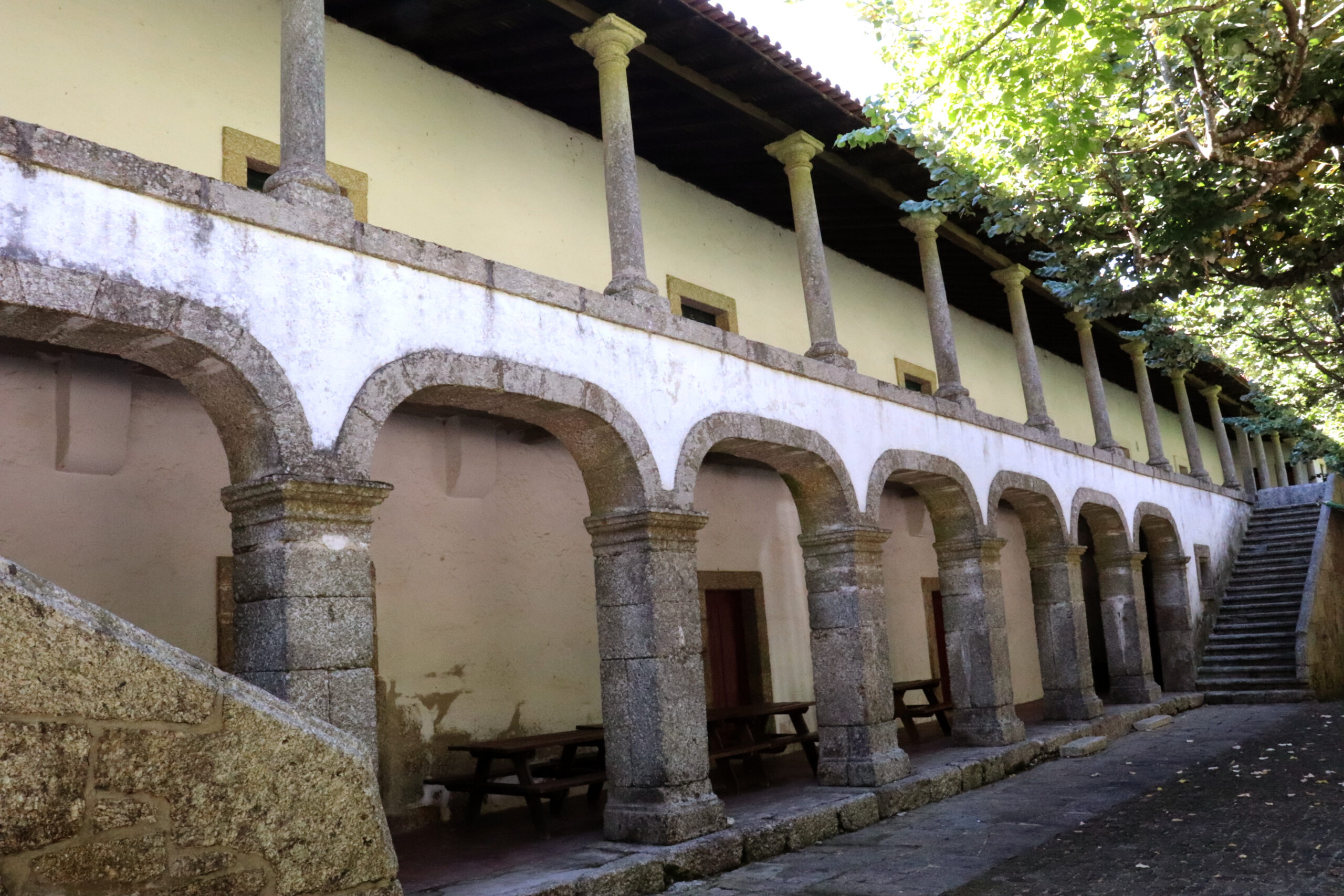
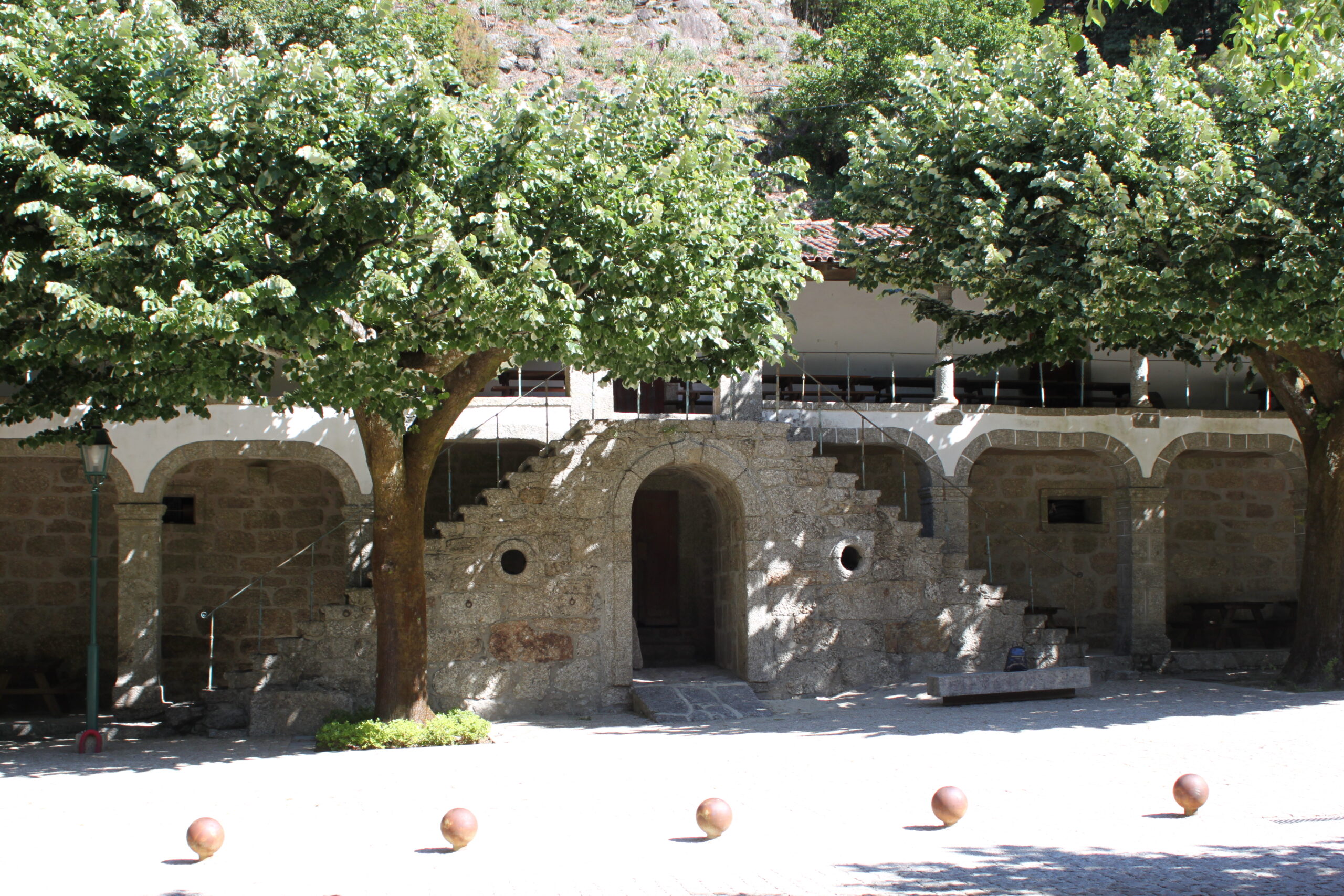
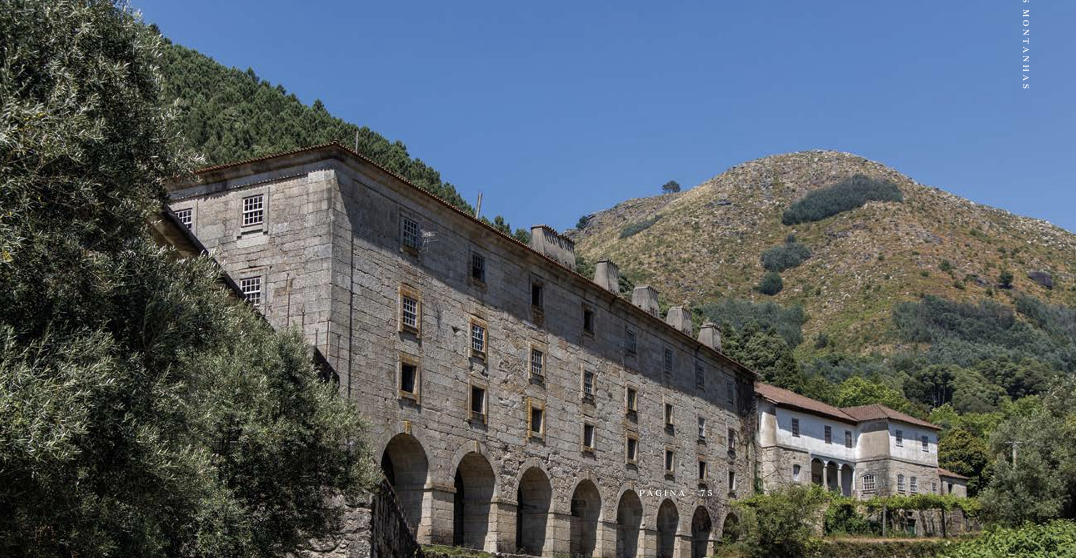
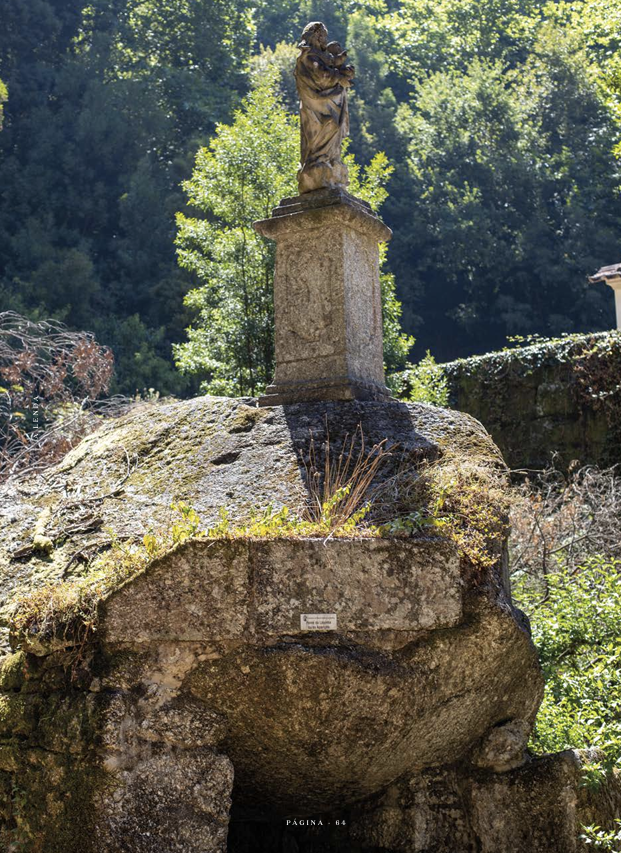
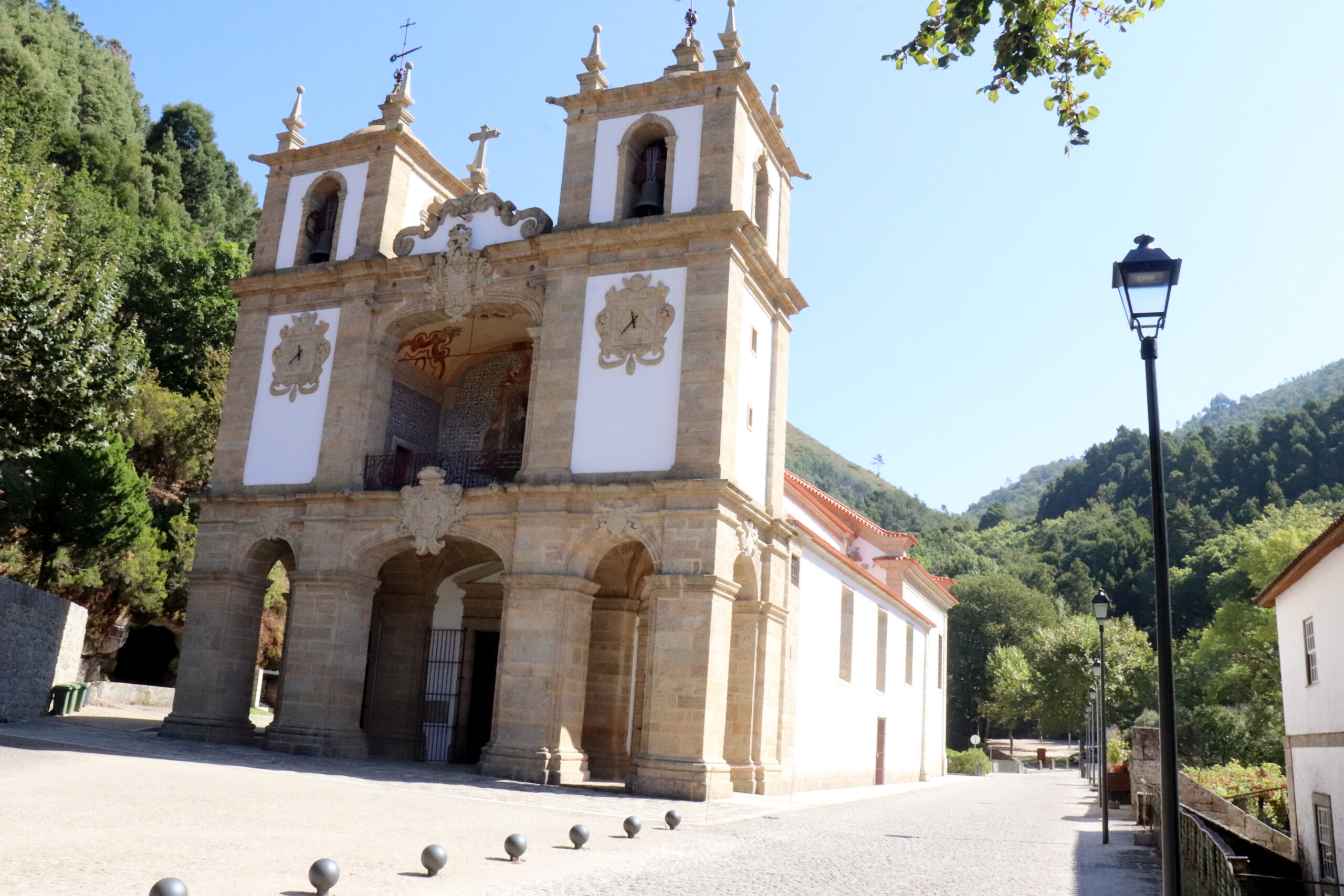
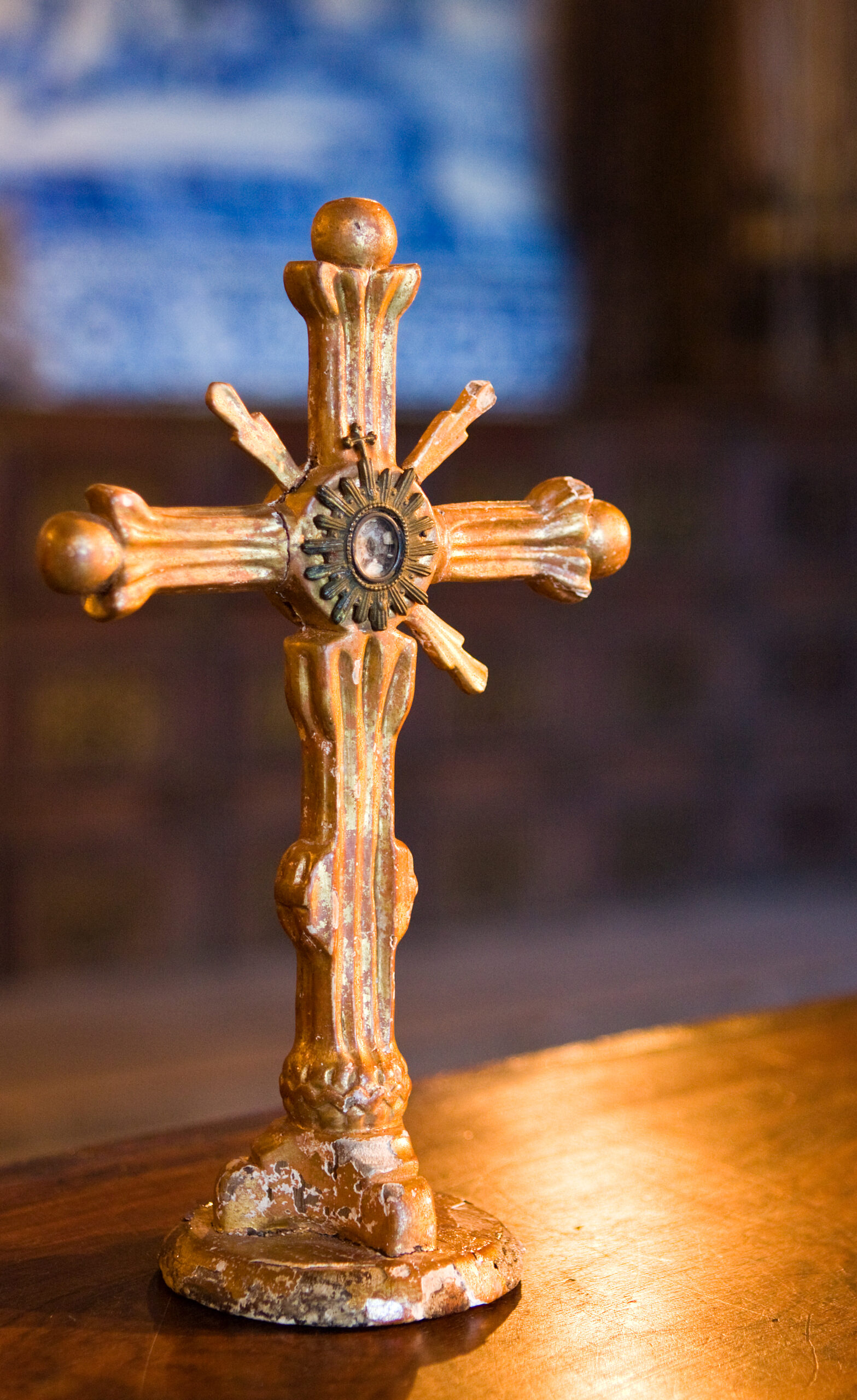
The Sanctuary of Nossa Senhora da Abadia is built on the mountainside, surrounded by vast vegetation, with the river flowing through the mountains and silence reigning throughout the space. The cross from the end of the 18th century, located in the center of the church’s large courtyard, indicates our arrival. On both sides of the square in front of the church, there are two buildings: the Casa das Ofertas dos Romeiros and the Barracks where, in times past, pilgrims spent the night. Today, it has been transformed into the Museum of Sacred Art of the Brotherhood of Nossa Senhora da Abadia. In the background, the Sanctuary stands out, considered by many to be the oldest Marian sanctuary in the Iberian Peninsula.
It was built in the first quarter of the 18th century, replacing a small medieval chapel built there in the 12th century, after the apparition of Nossa Senhora at the site of Abadia. The Sanctuary was integrated into the Monastery of Santa Maria de Bouro, built at the end of the 12th century by Benedictine monks who had occupied Monte de S. Miguel since the 9th century. A few years later, it began to be governed by the order of São Bernardo, remaining Cistercian until its extinction in 1834.
The main façade of the church is preceded by two granite bell towers with clock cartouches. In the center, a depressed arch with a coat of arms at the base, and at the top, a niche with the image of Nossa Senhora da Abadia.
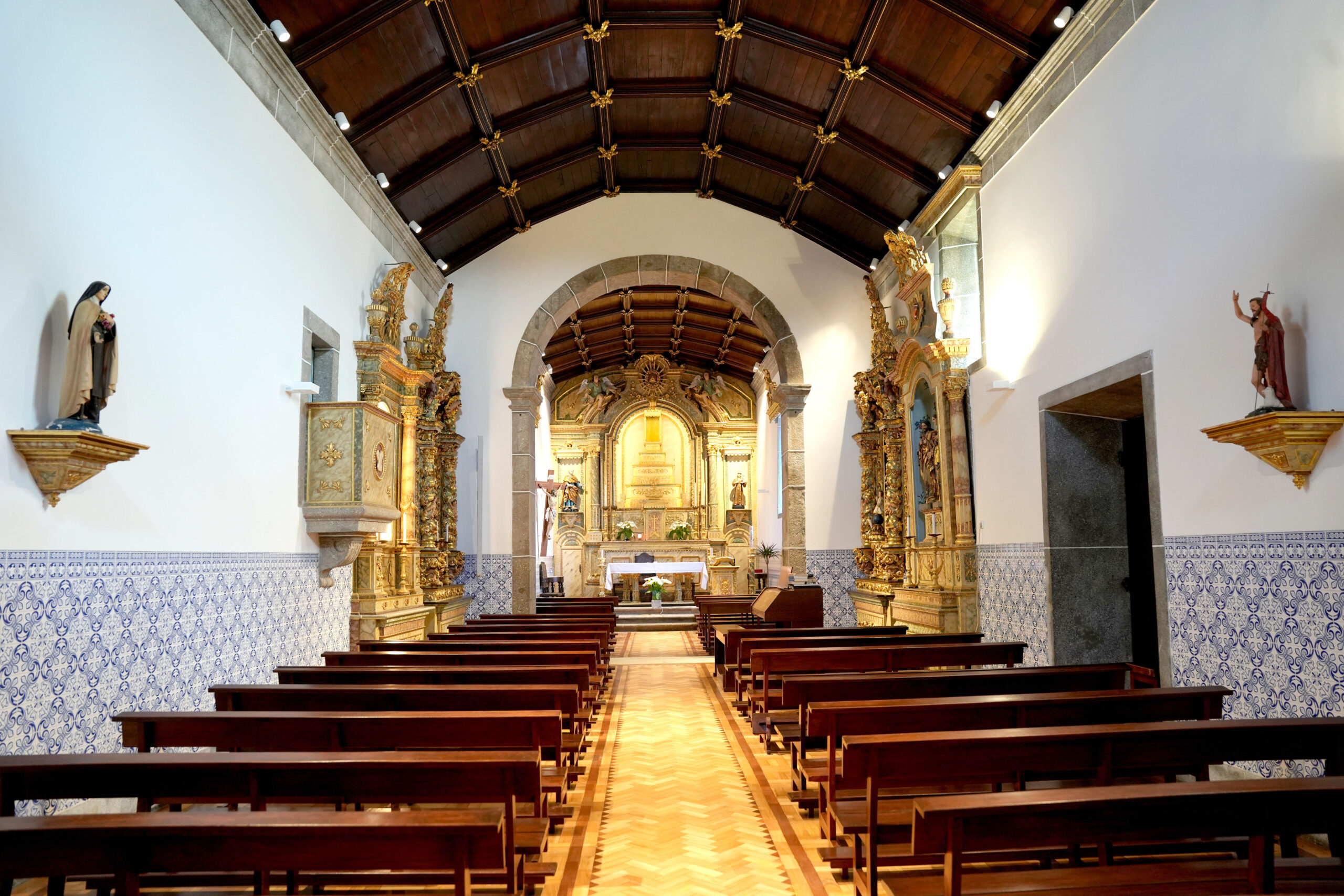
Inside, the numerous altars in the three side naves stand out, separated by round arches which, together with the main altar, impress with their grandeur and the beauty of their gilded carving. Also noteworthy is the 18th century organ, hand-carved, with the particularity of having a figurehead whose mouth moves simultaneously with the sound.
On the main altar, it is possible to climb up to the secular image of Nossa Senhora da Abadia with the Child in her arms, which is venerated by thousands of pilgrims who come there, mainly on the last Sunday of May and on August 15th. This sanctuary was classified as being of public interest in 2016.
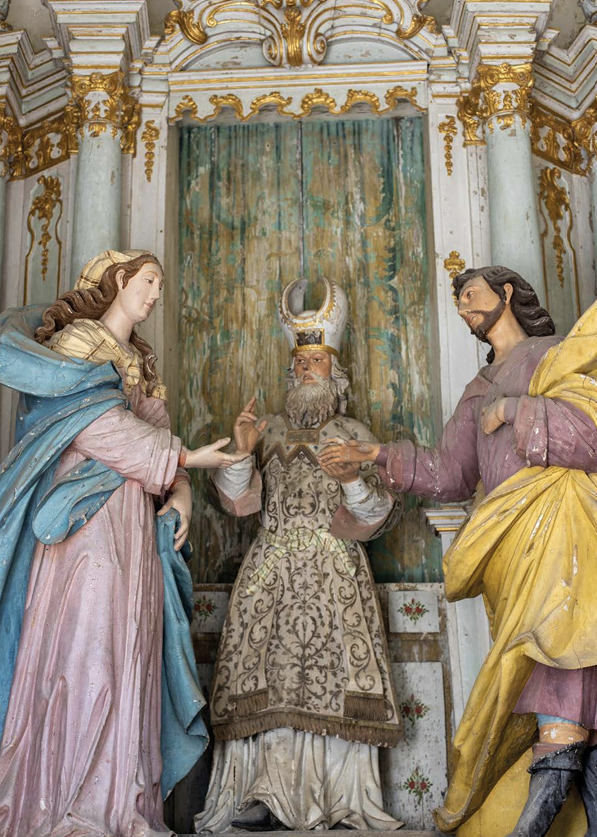
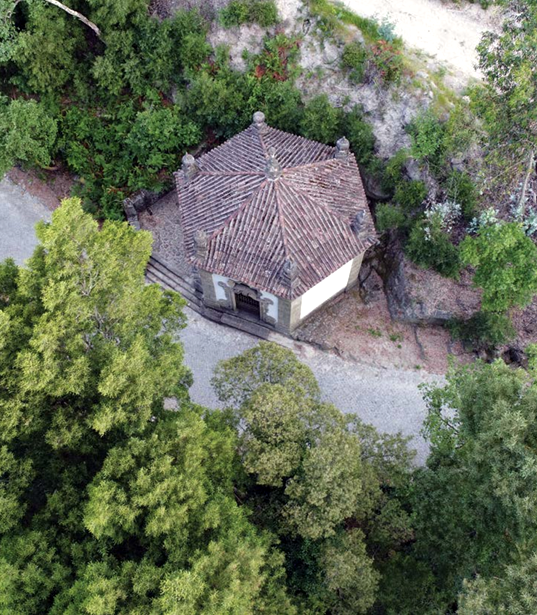
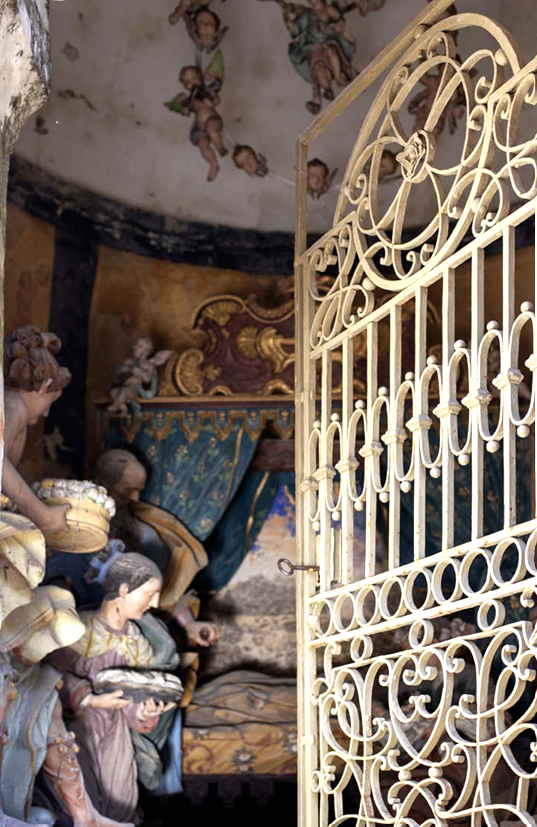
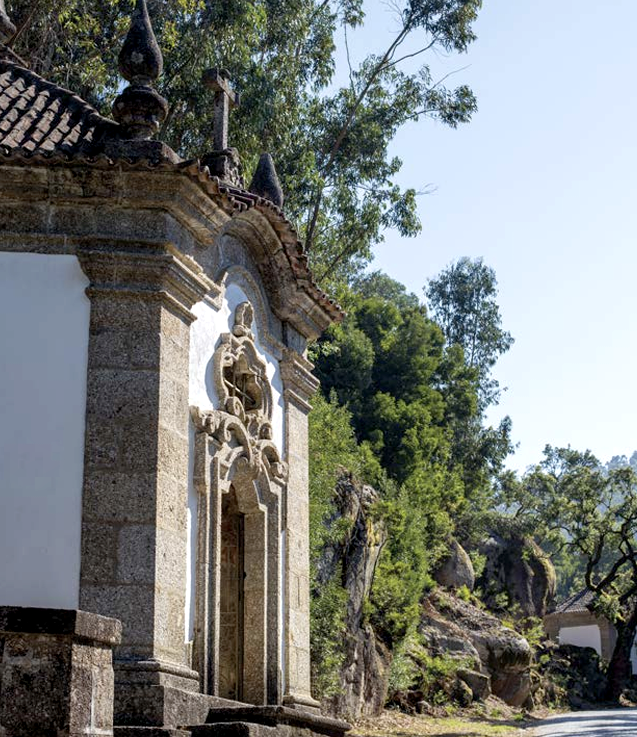
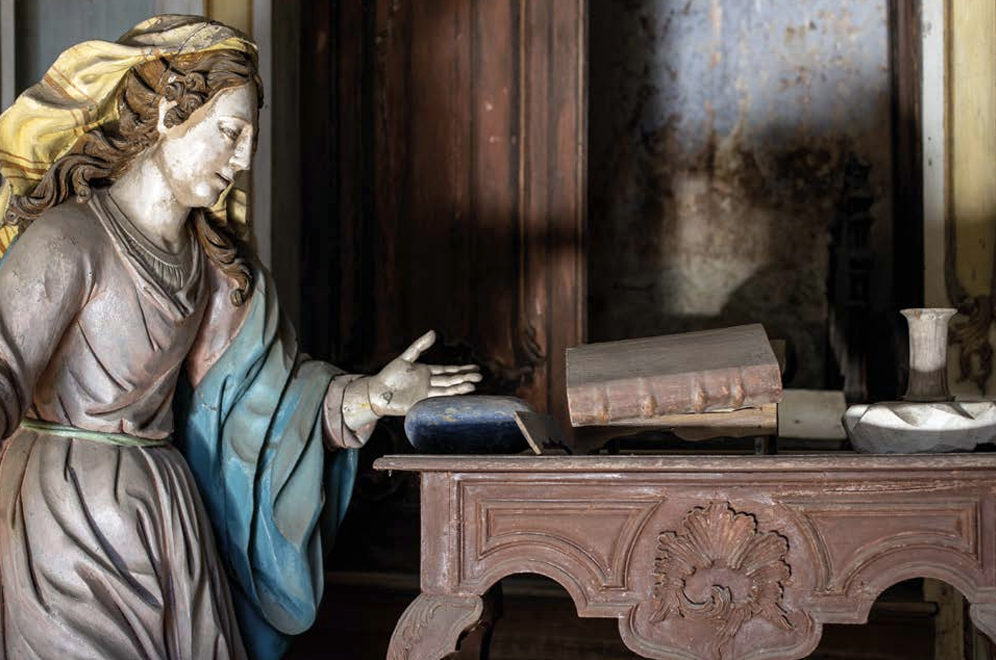
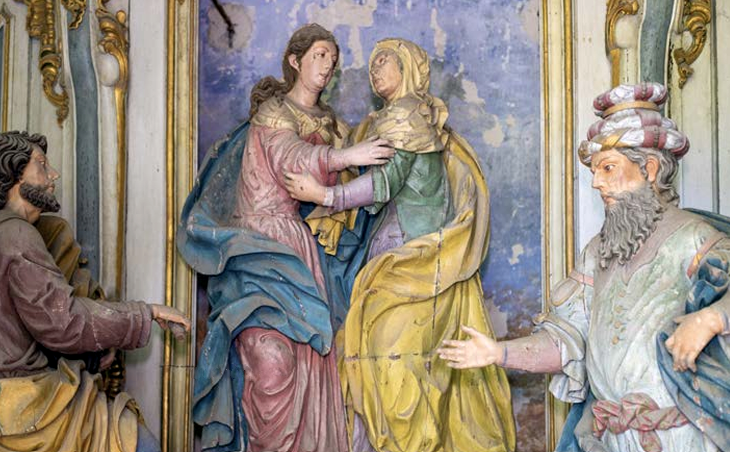
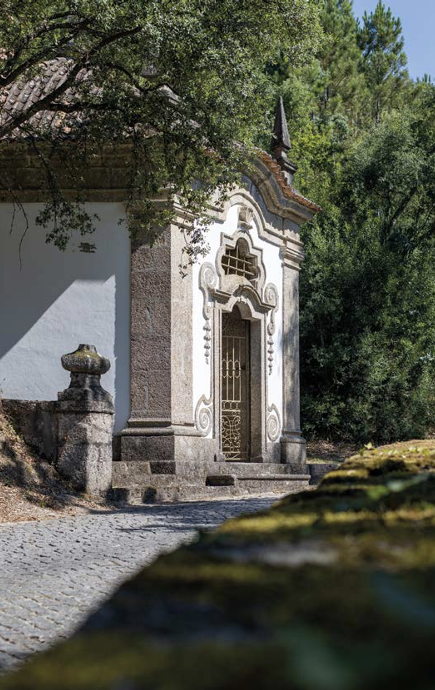
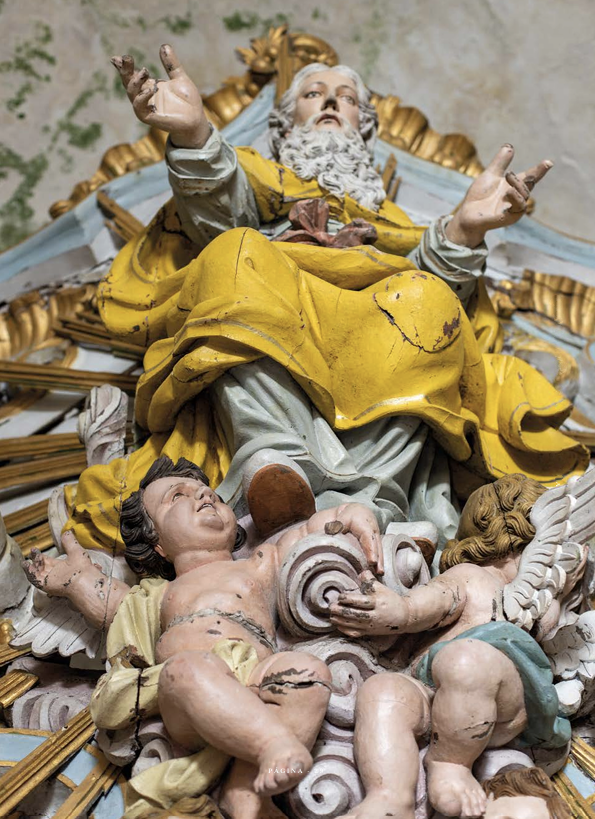
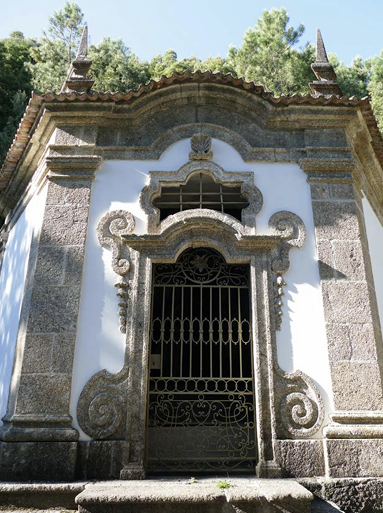
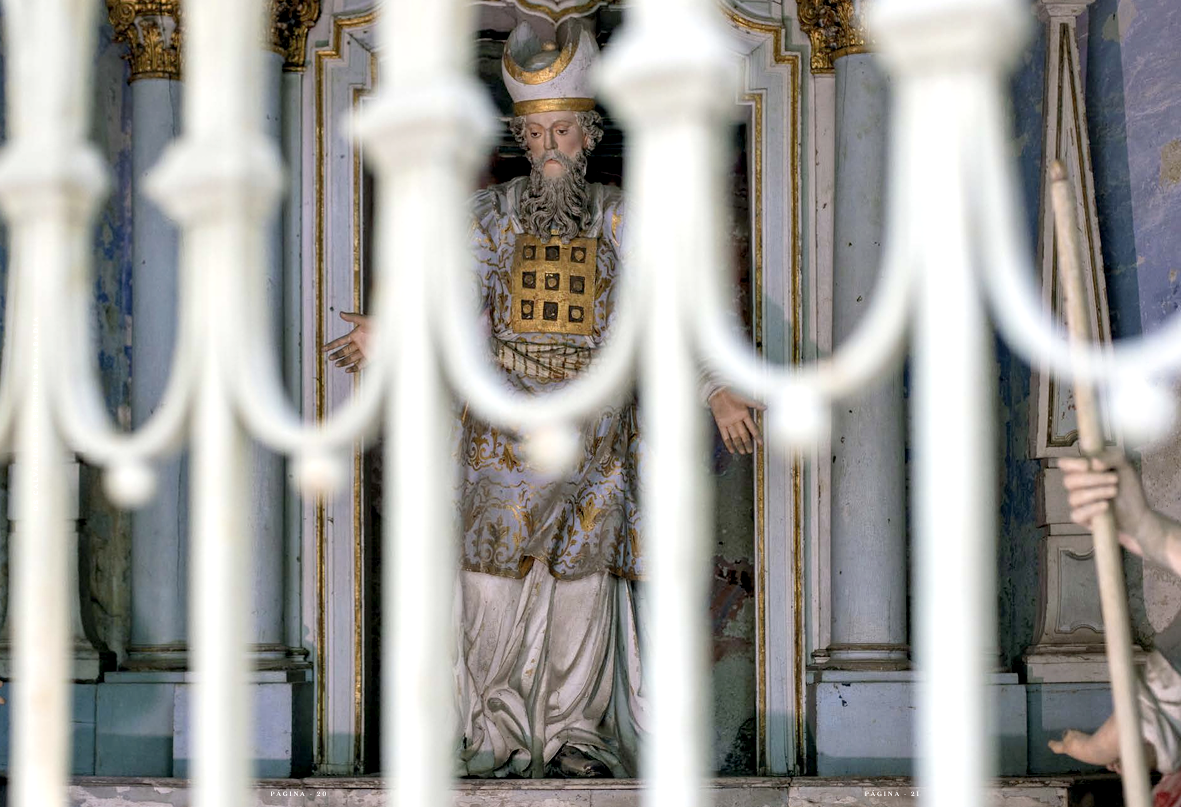
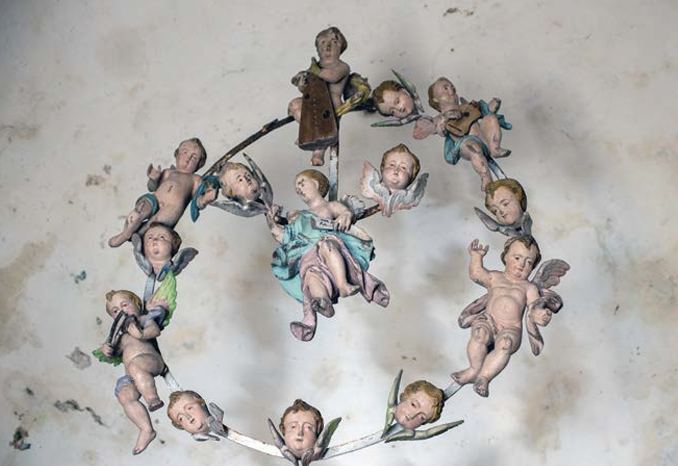
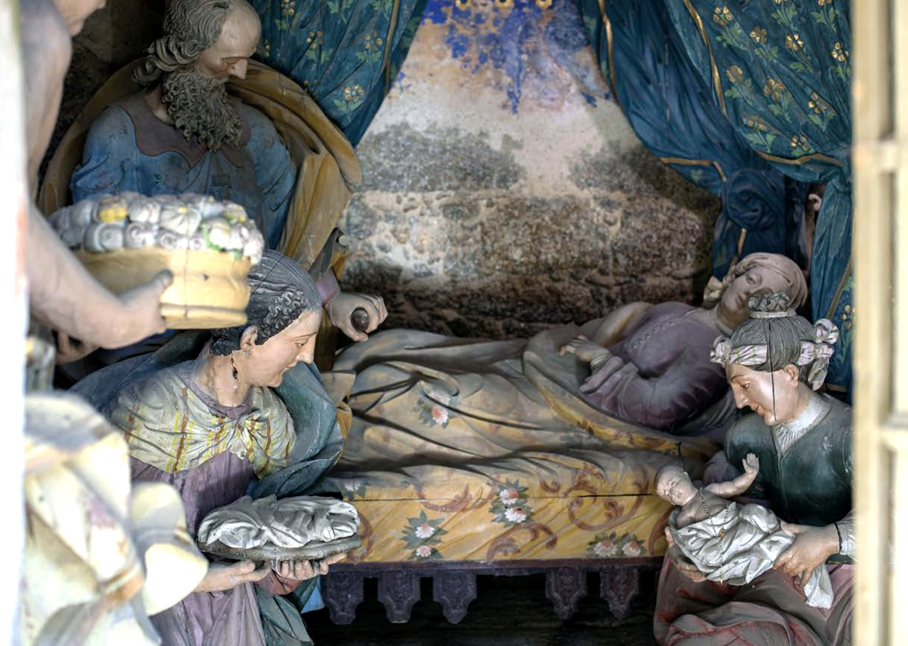
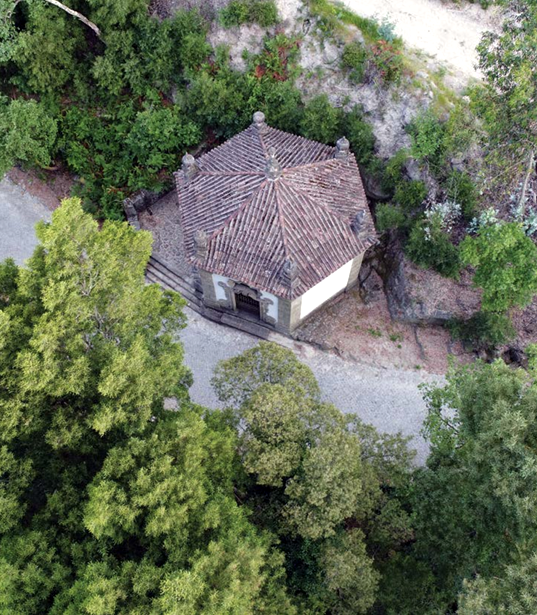
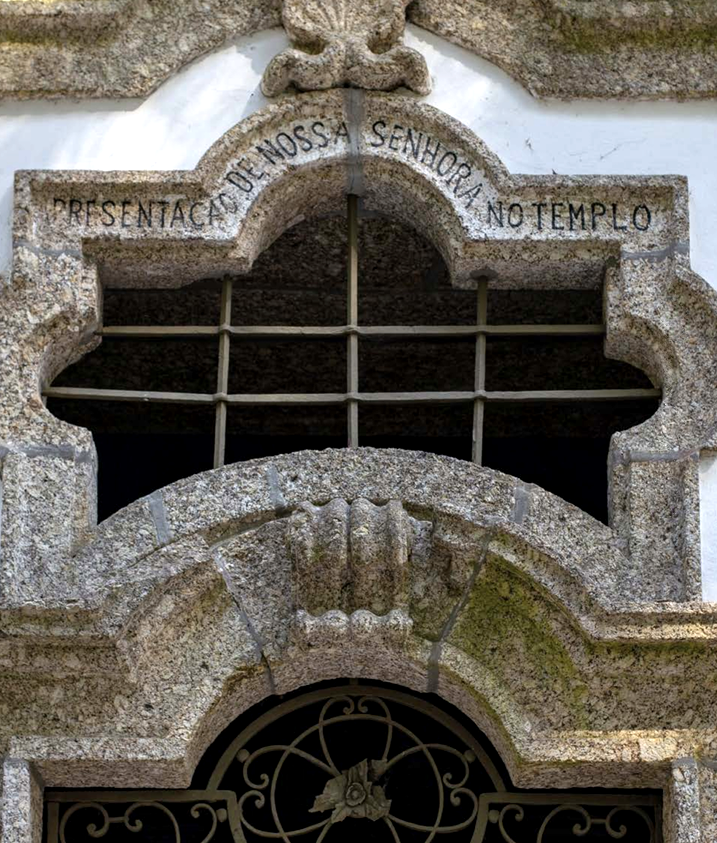
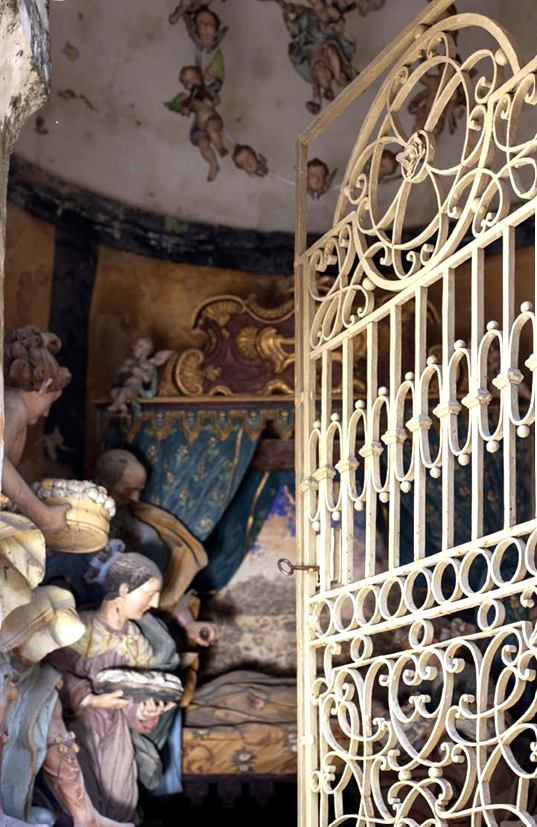
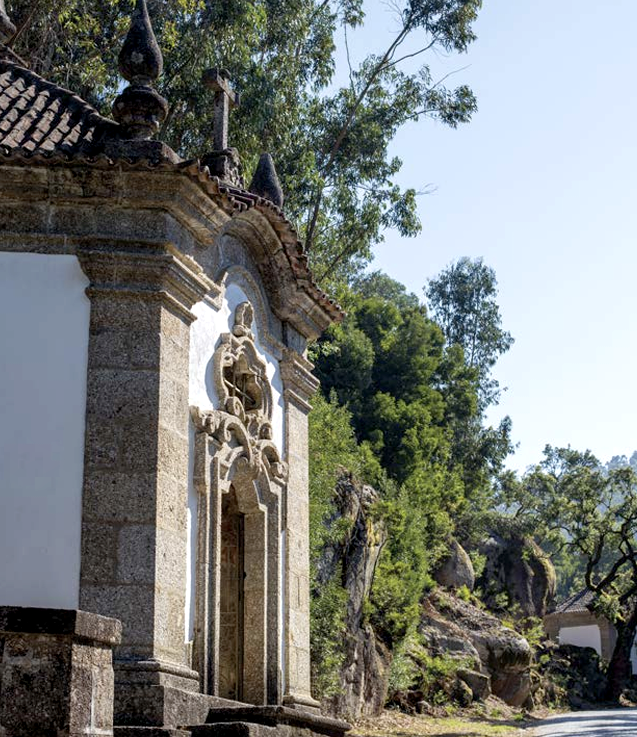
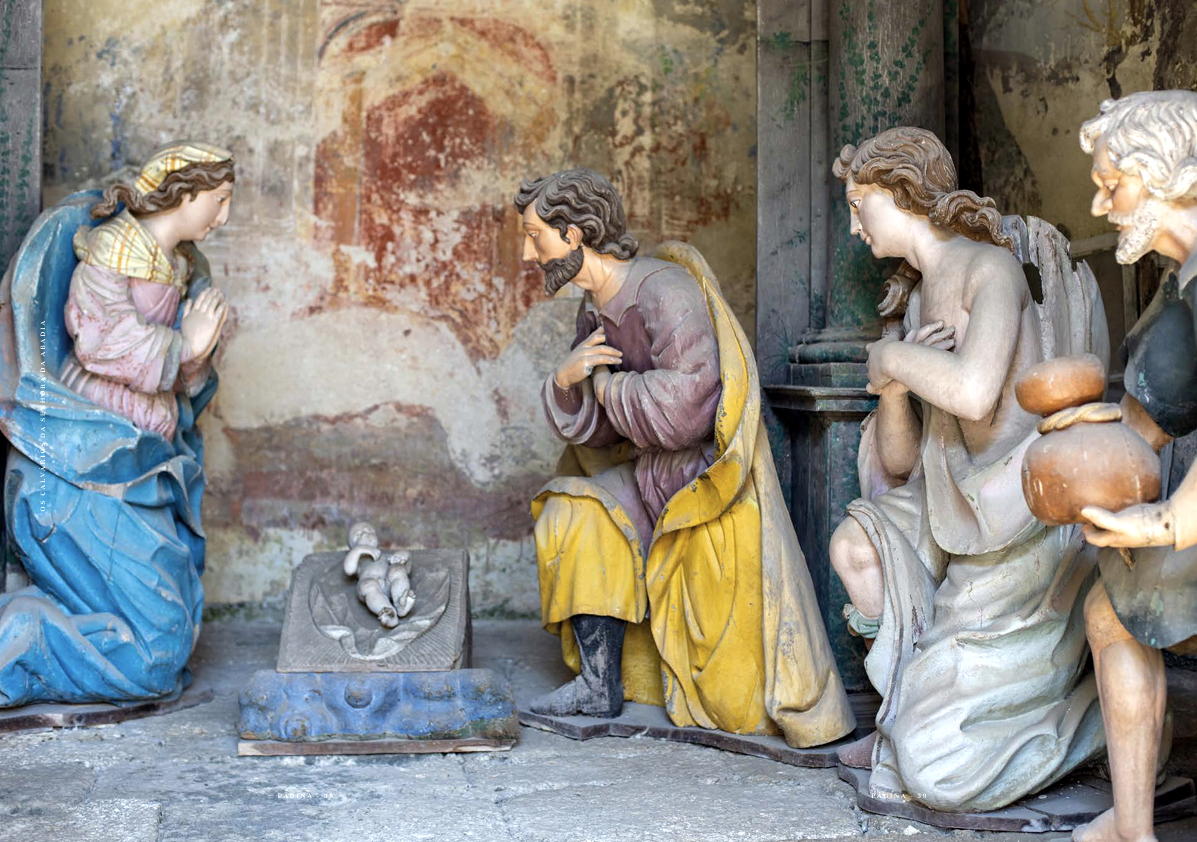
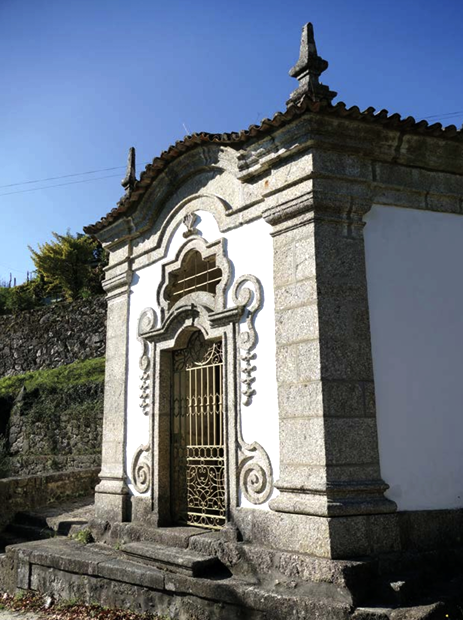
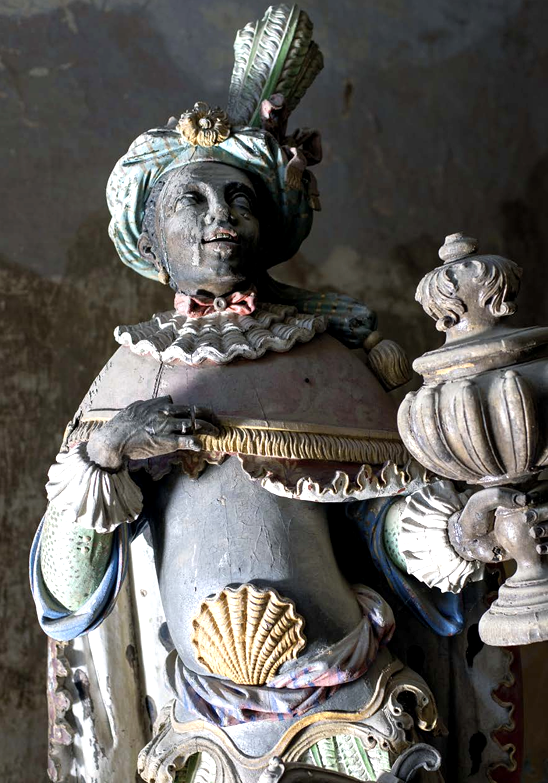
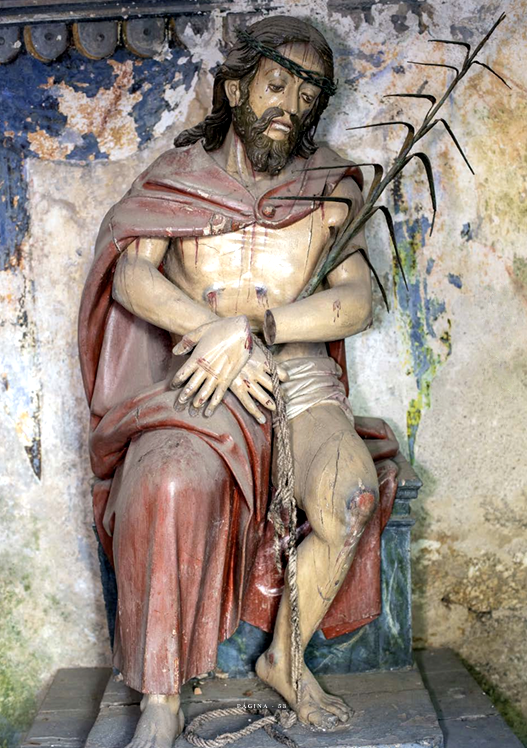
About a kilometer before the Santuário da Abadia, you can see the chapels corresponding to the paths of the “Passion of Christ” and the “Life of Mary”, popularly known as “Calvários da Senhora da Abadia” or “Caminhos de Belém”. A visit to the 15 chapels: seven rectangular and eight hexagonal with late Baroque façades, built mainly on the left side of the path, is a must, whether on a pilgrimage or just to enjoy nature. The rectangular chapels correspond to the main steps of the Passion of Christ, while the hexagonal ones represent the life of the Virgin Mary.
It is assumed that the chapels were built in the 18th century, after the visit of Archbishop D. Rodrigo de Moura Teles. Rodrigo de Moura Teles, responsible for the construction of the Bom Jesus do Monte staircase, in Braga.
The route is highly recommended for those who want to immerse themselves in the silence of the mountain, lulled by the singing of birds and the lapping of water, which are an uninterrupted feature throughout the Abadia.
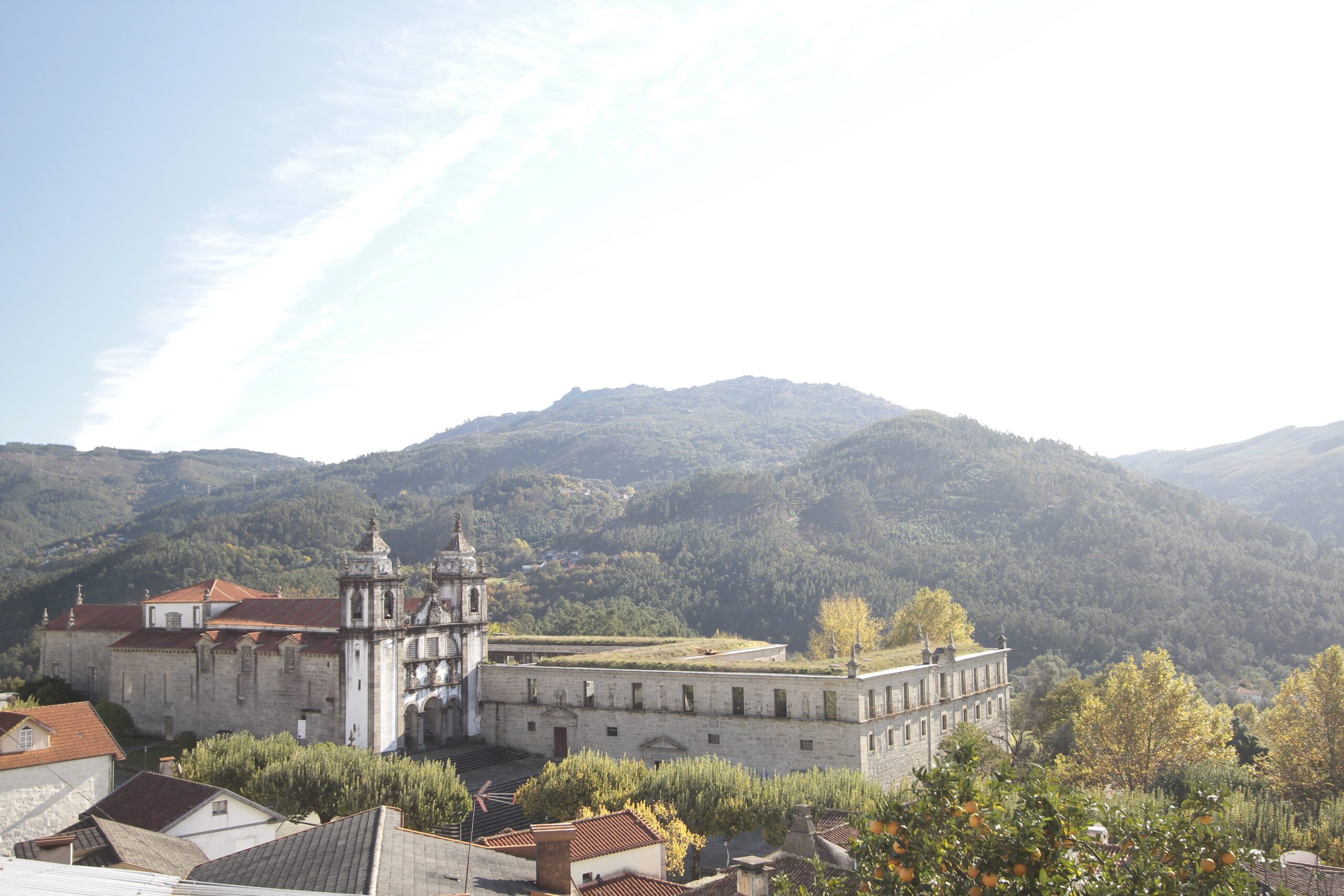
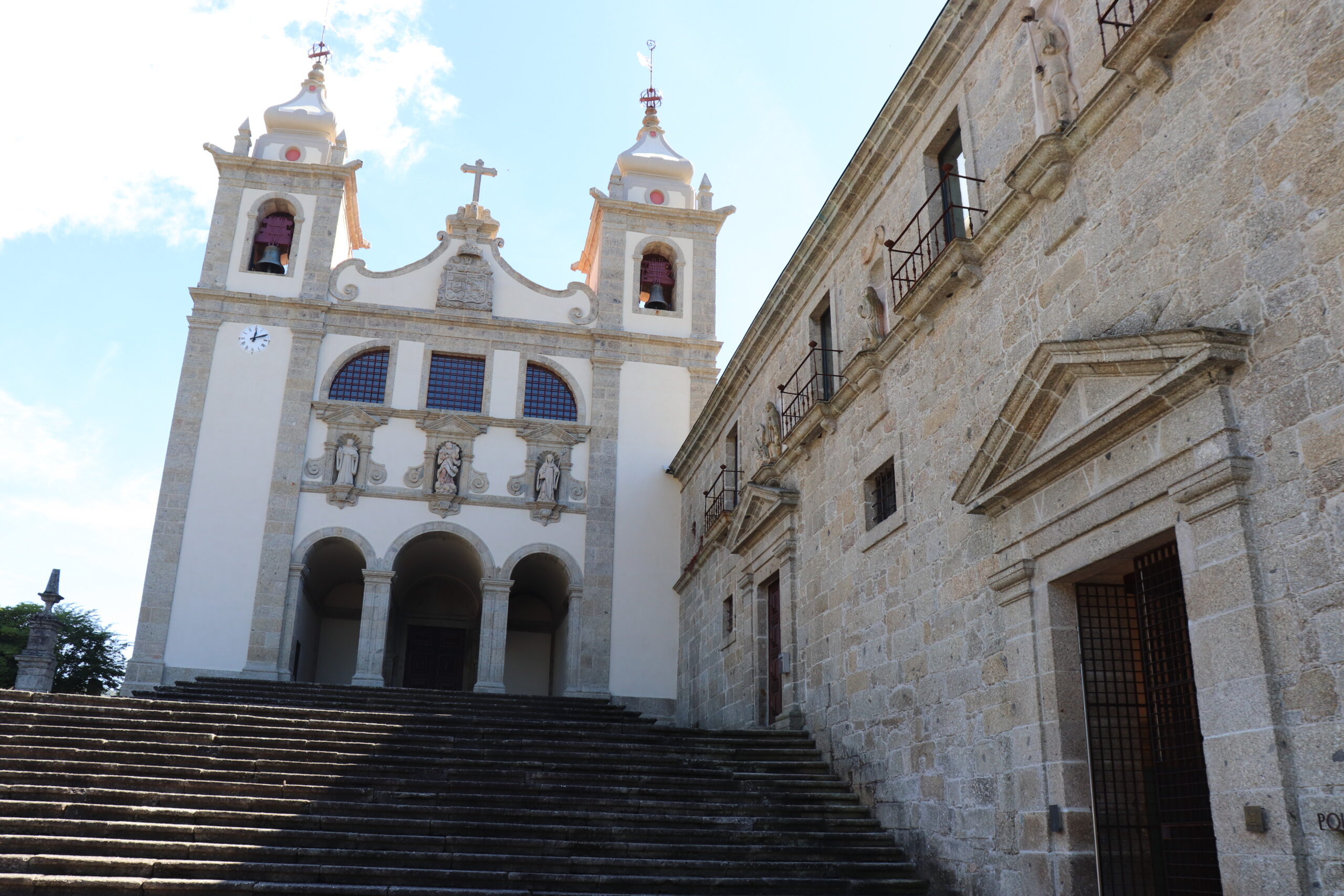
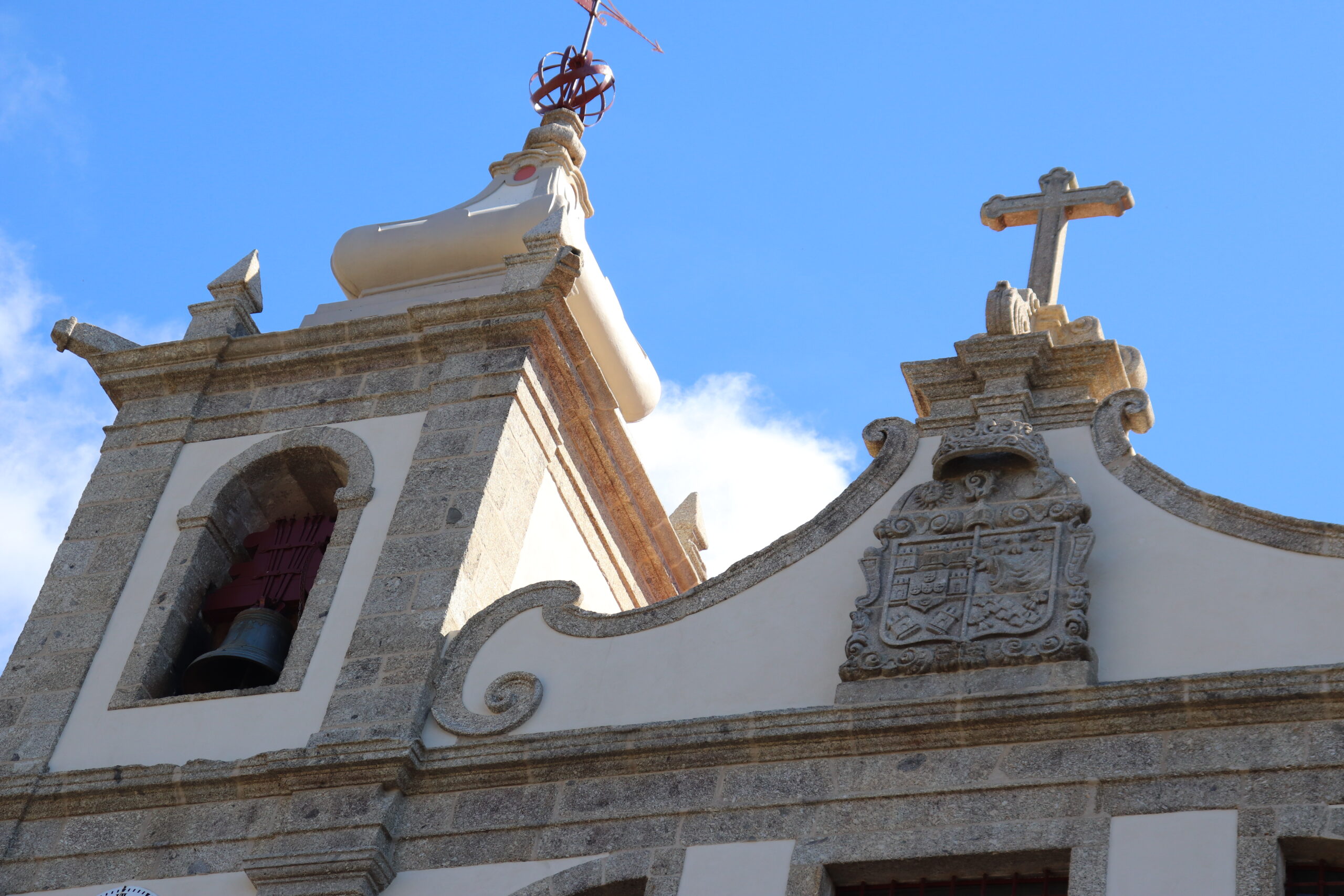
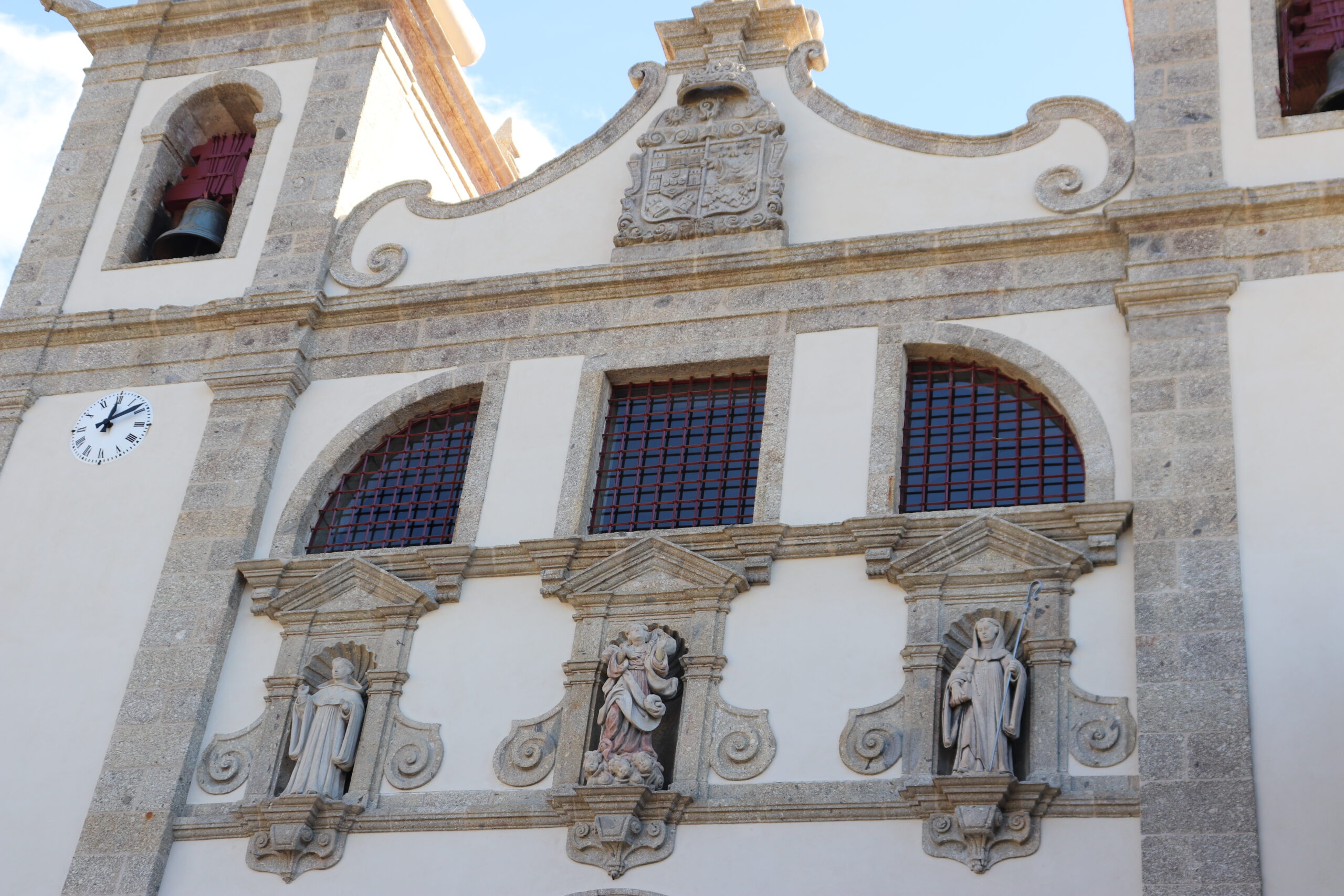
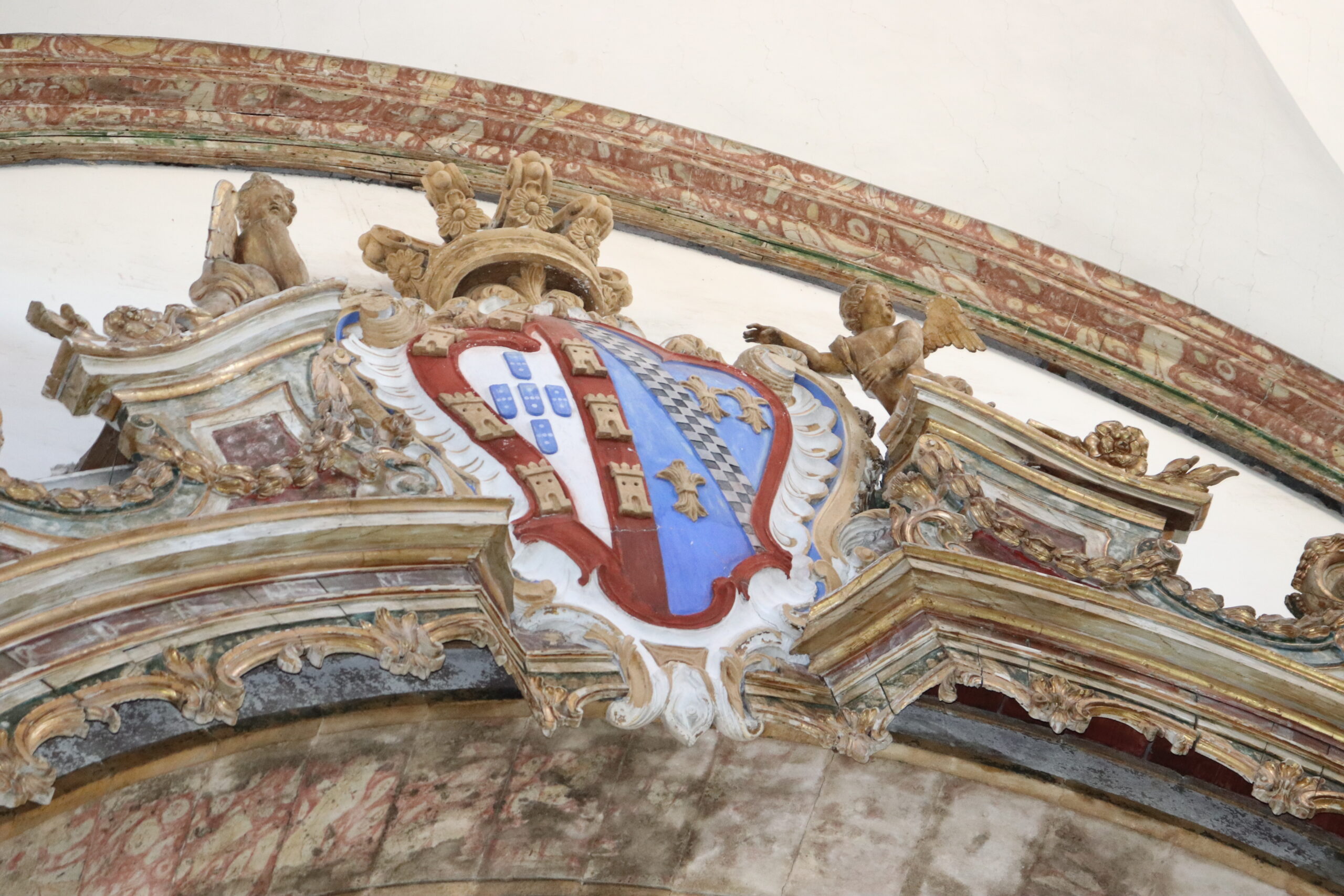
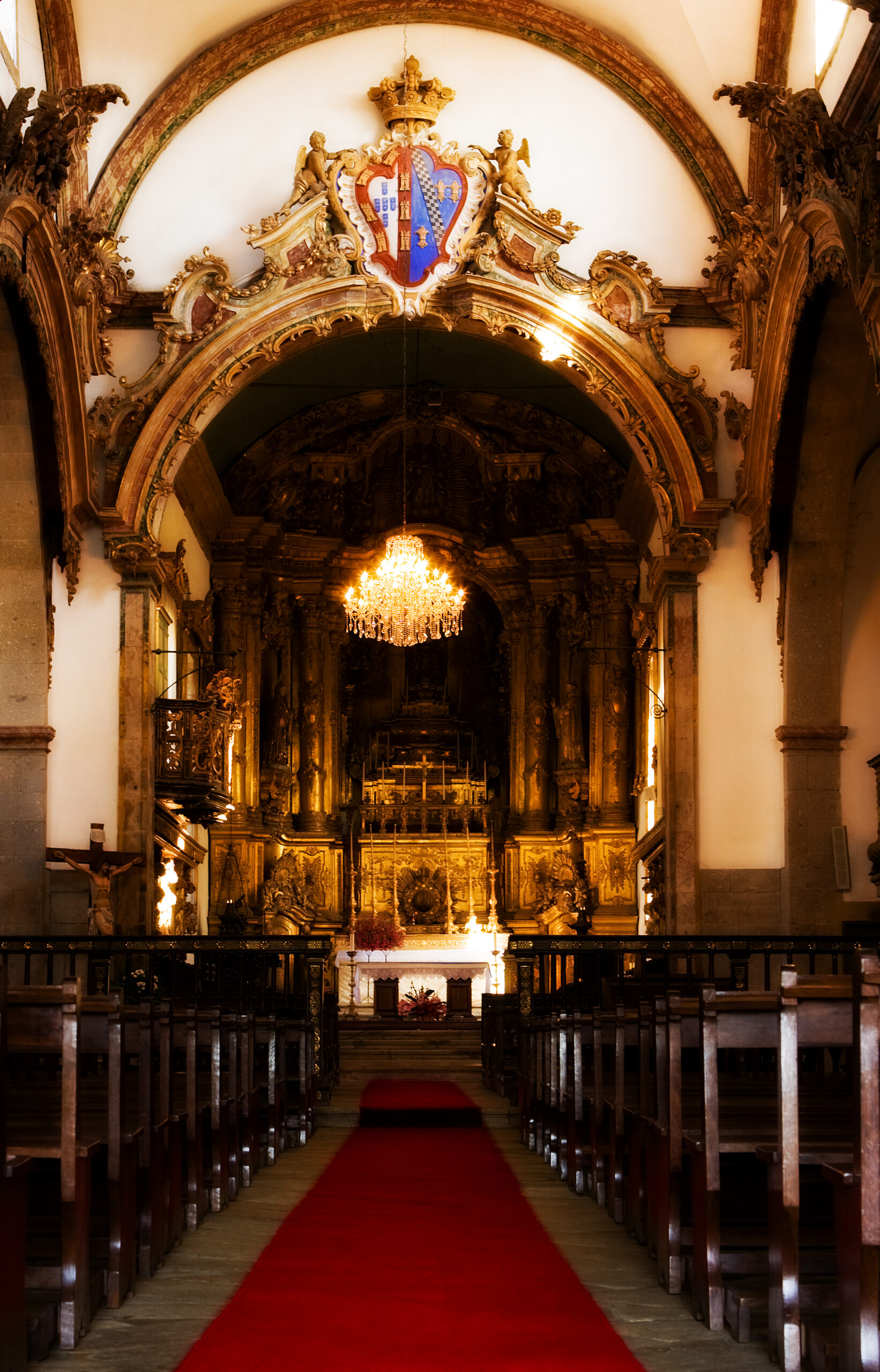
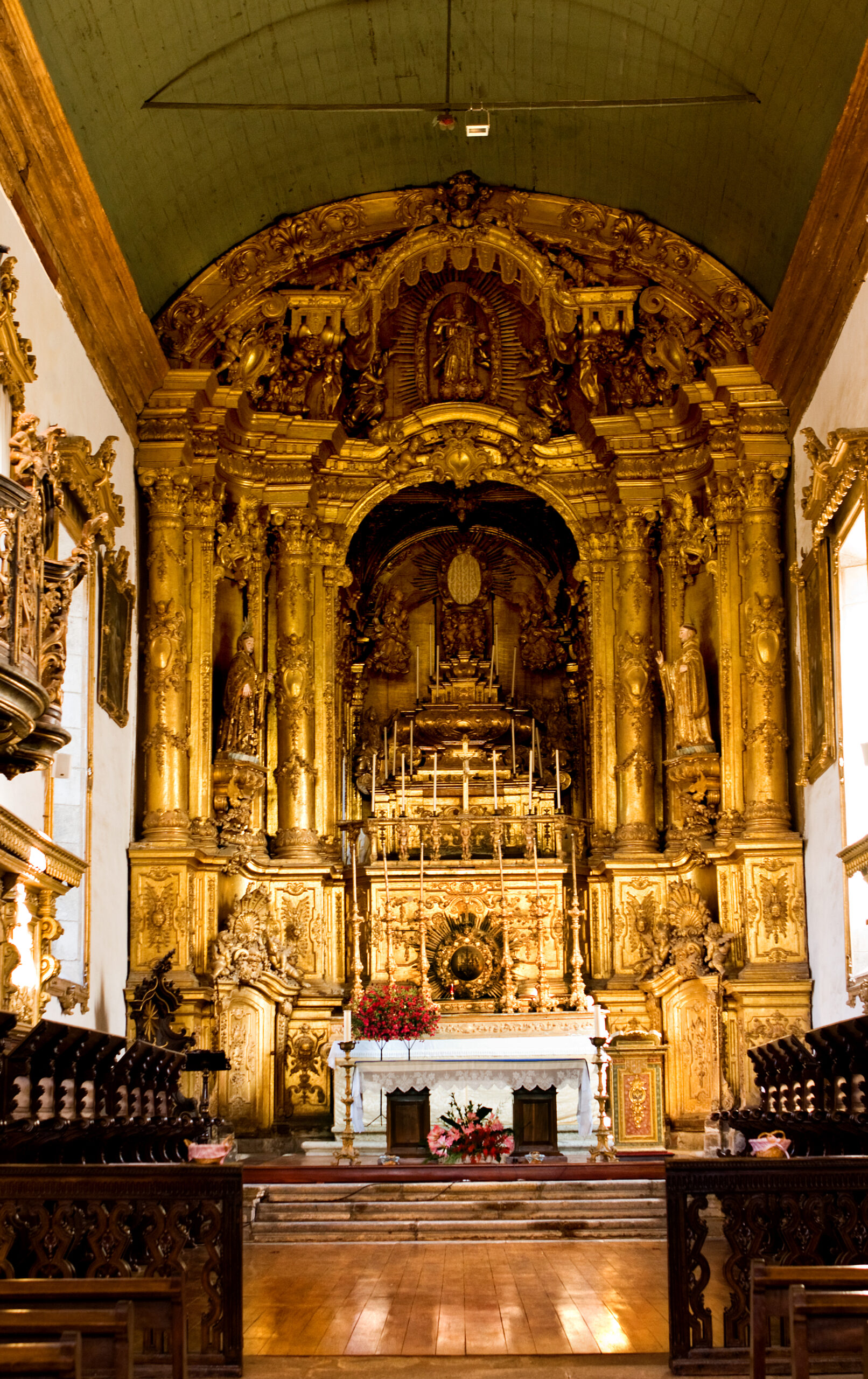
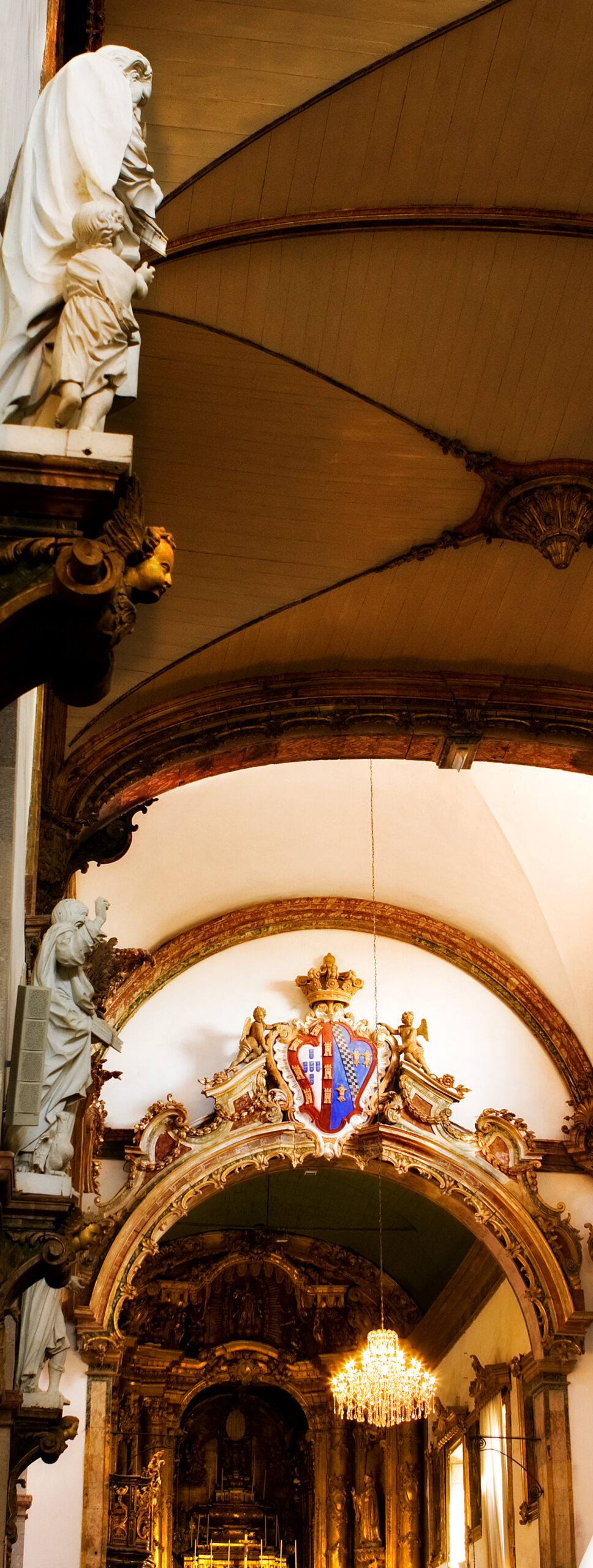
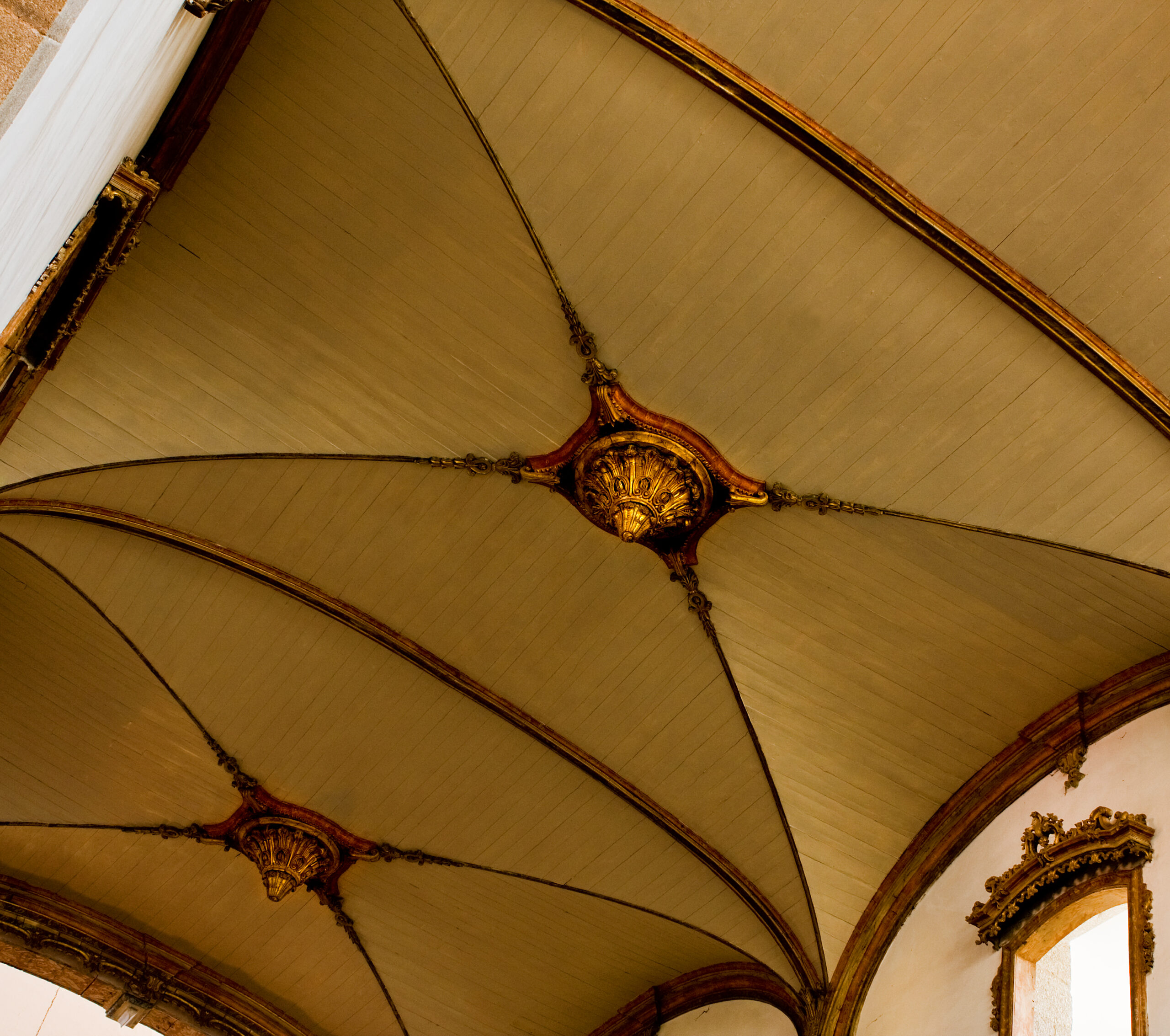
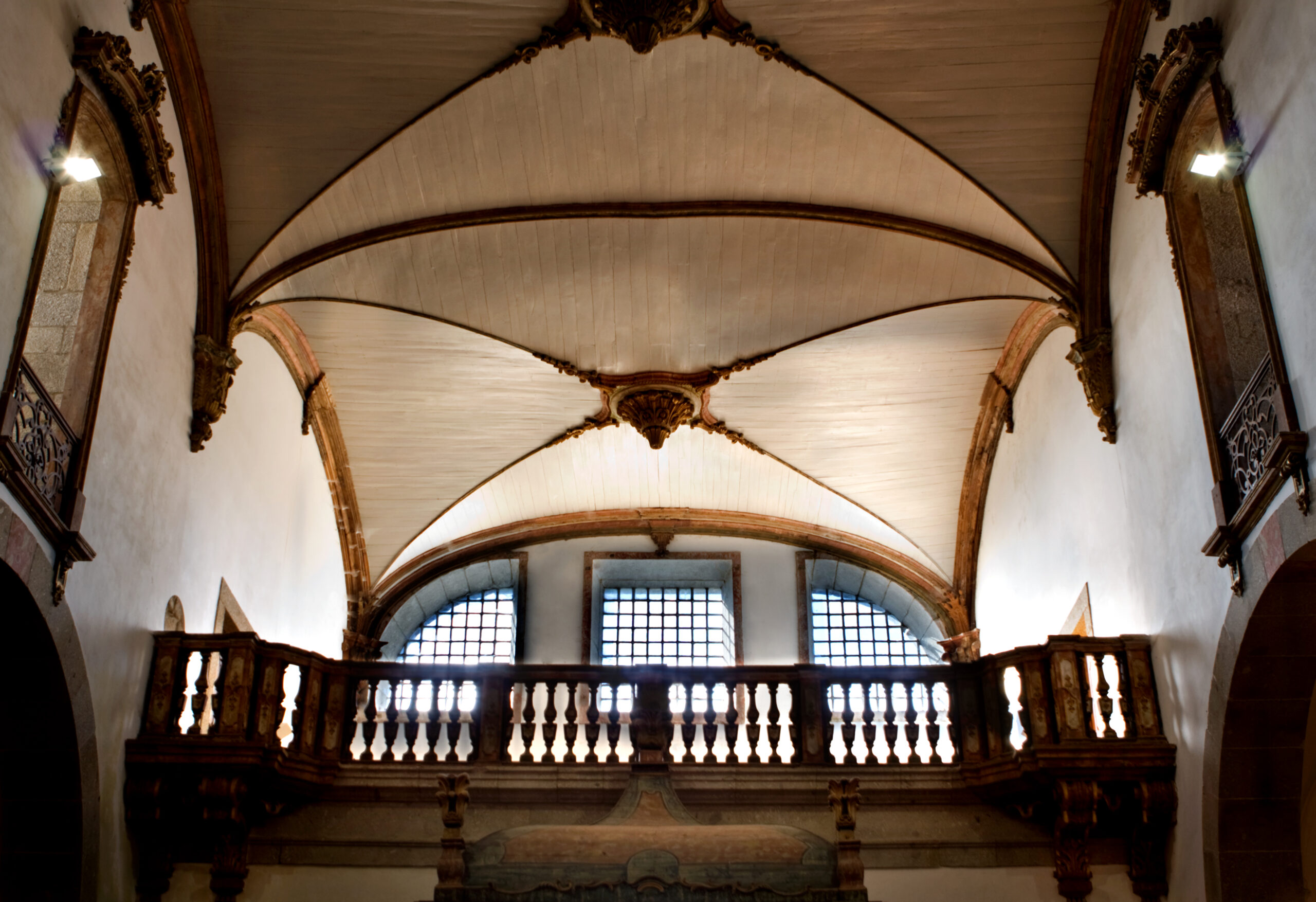
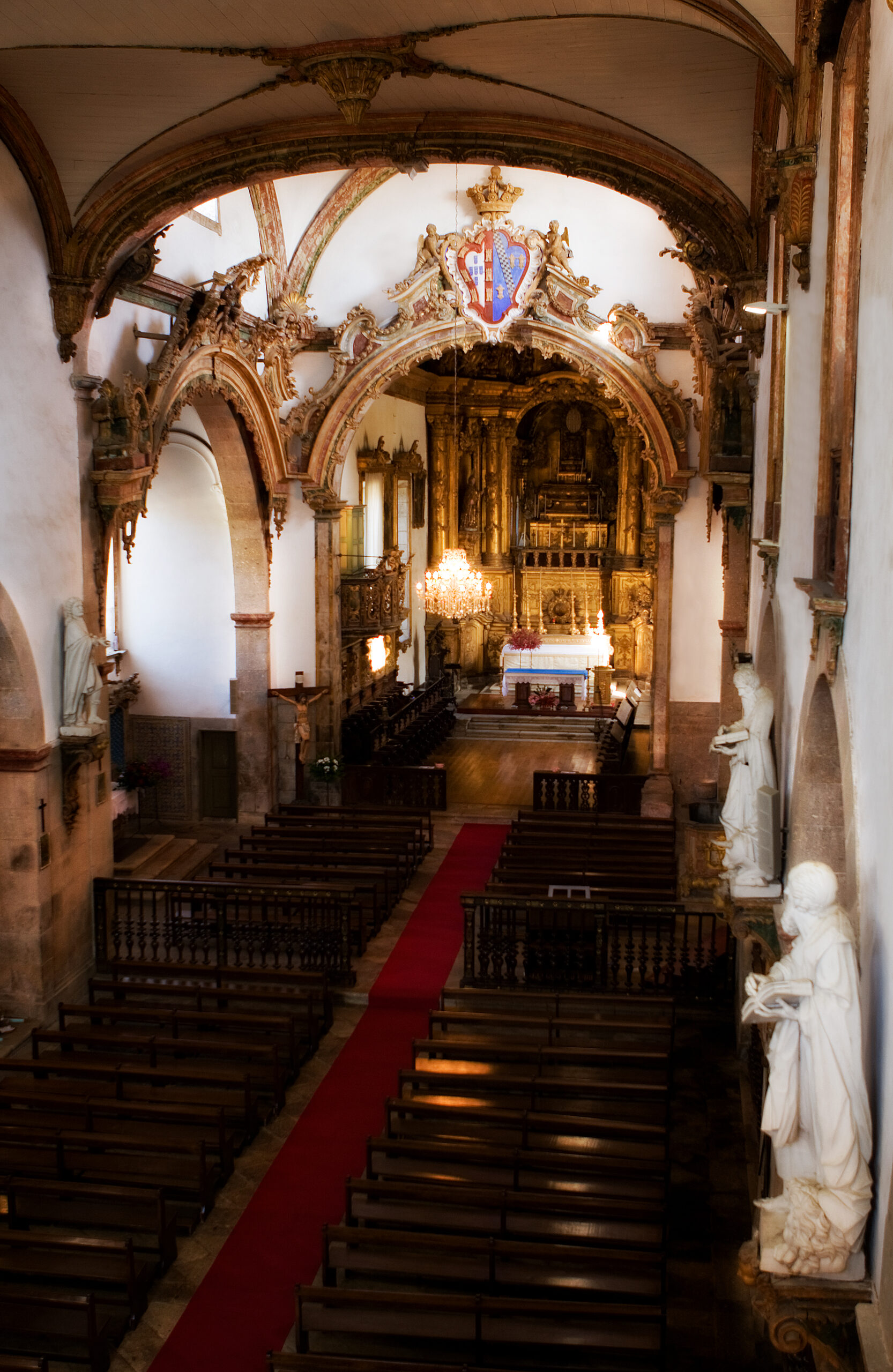
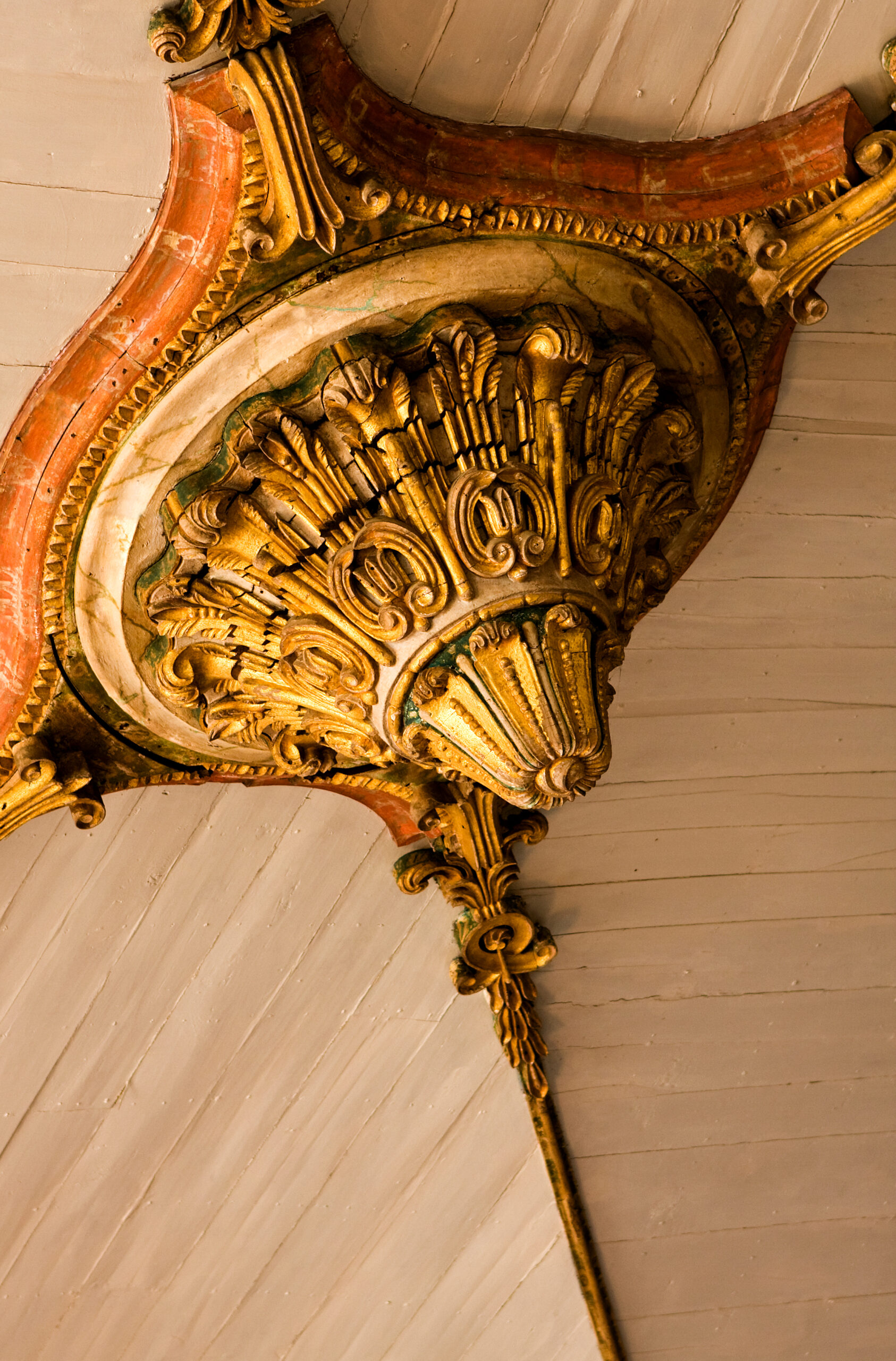
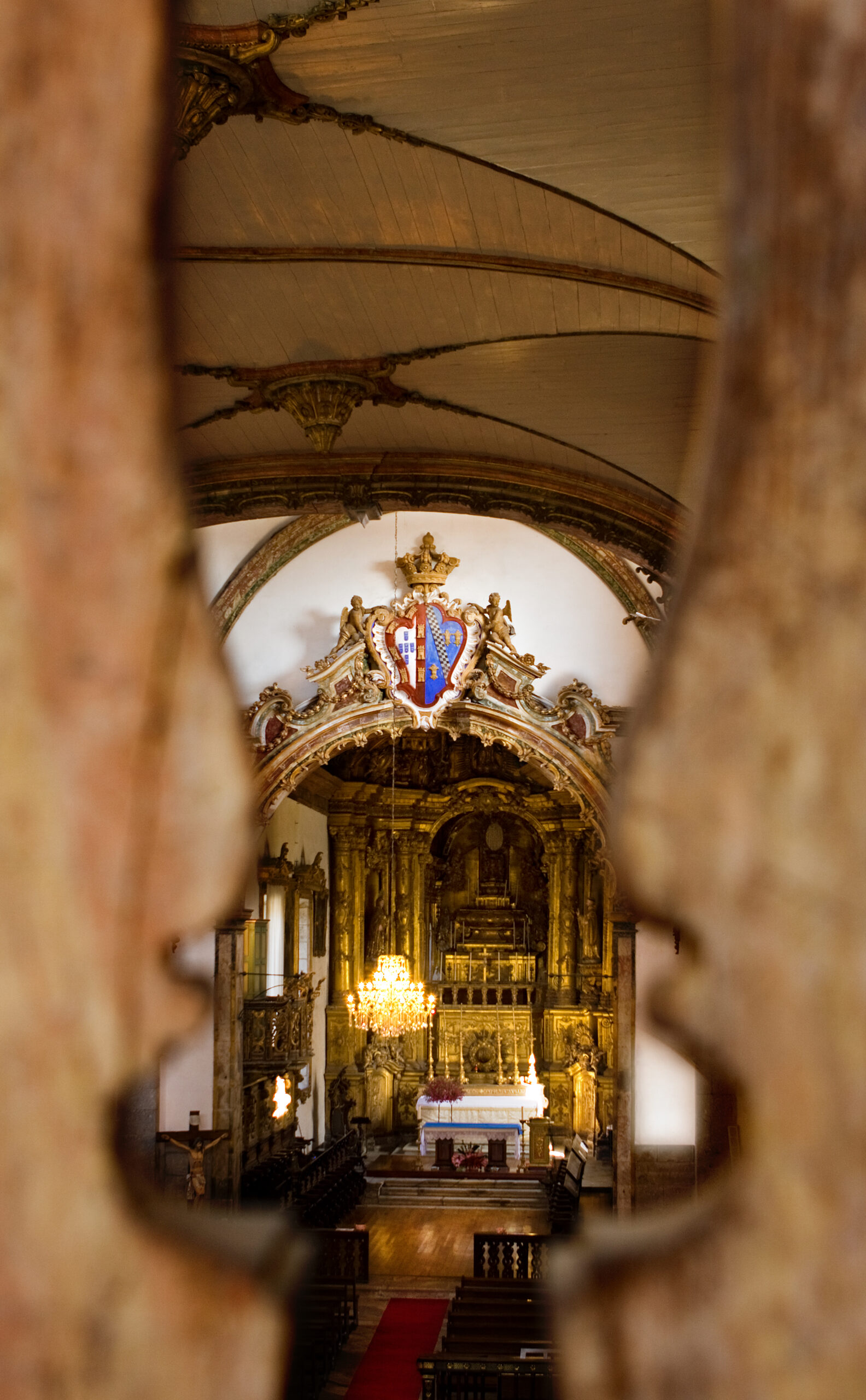
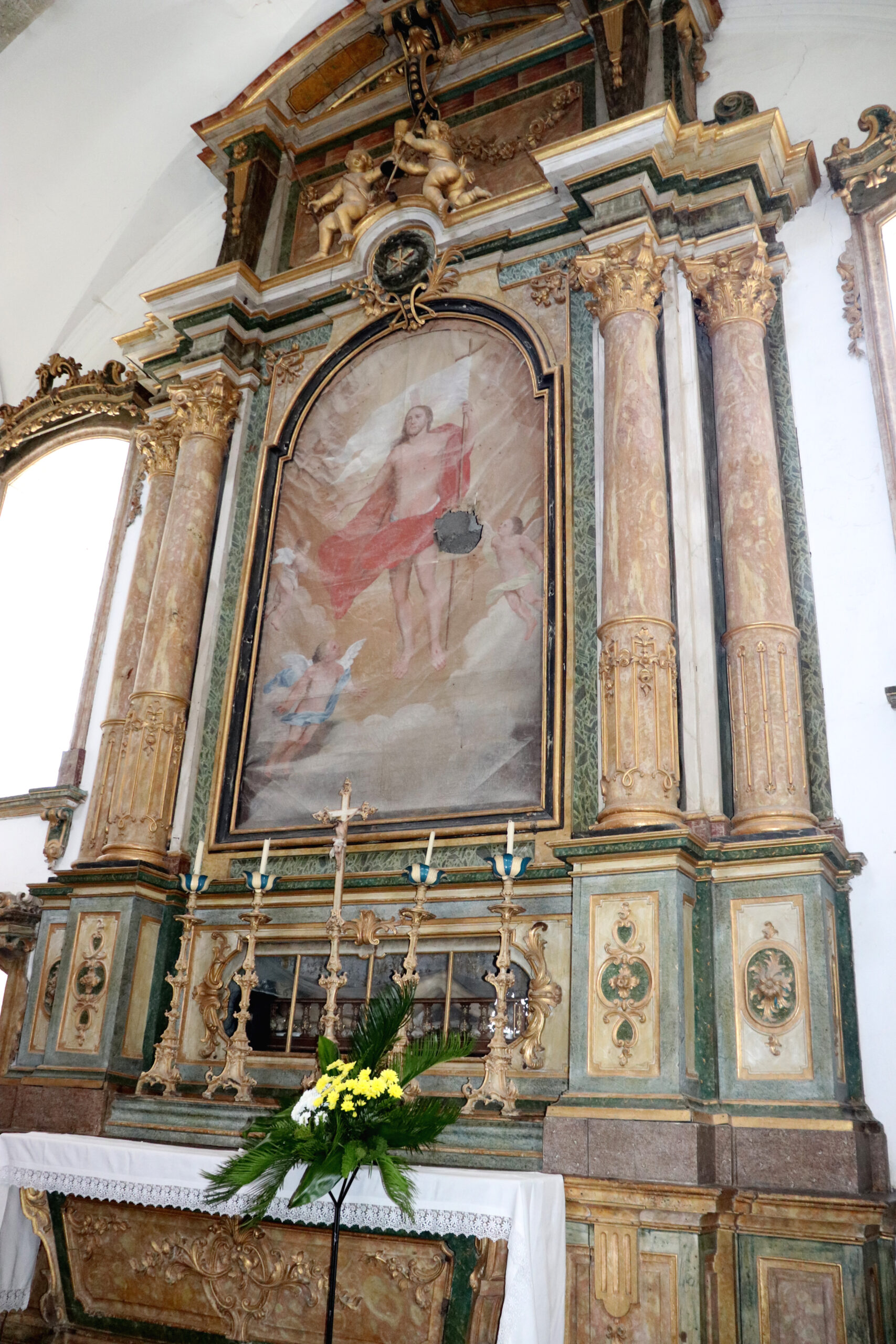
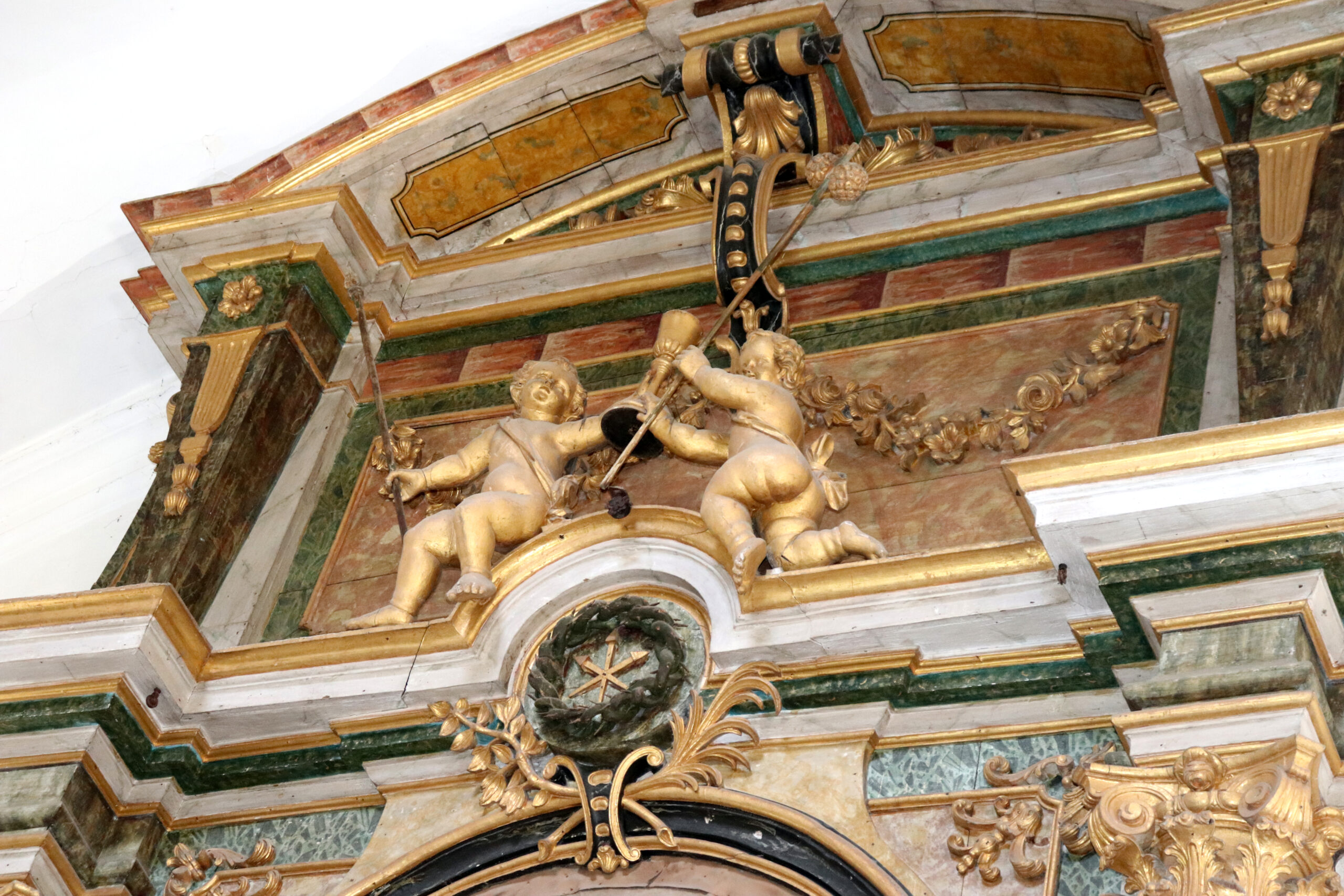
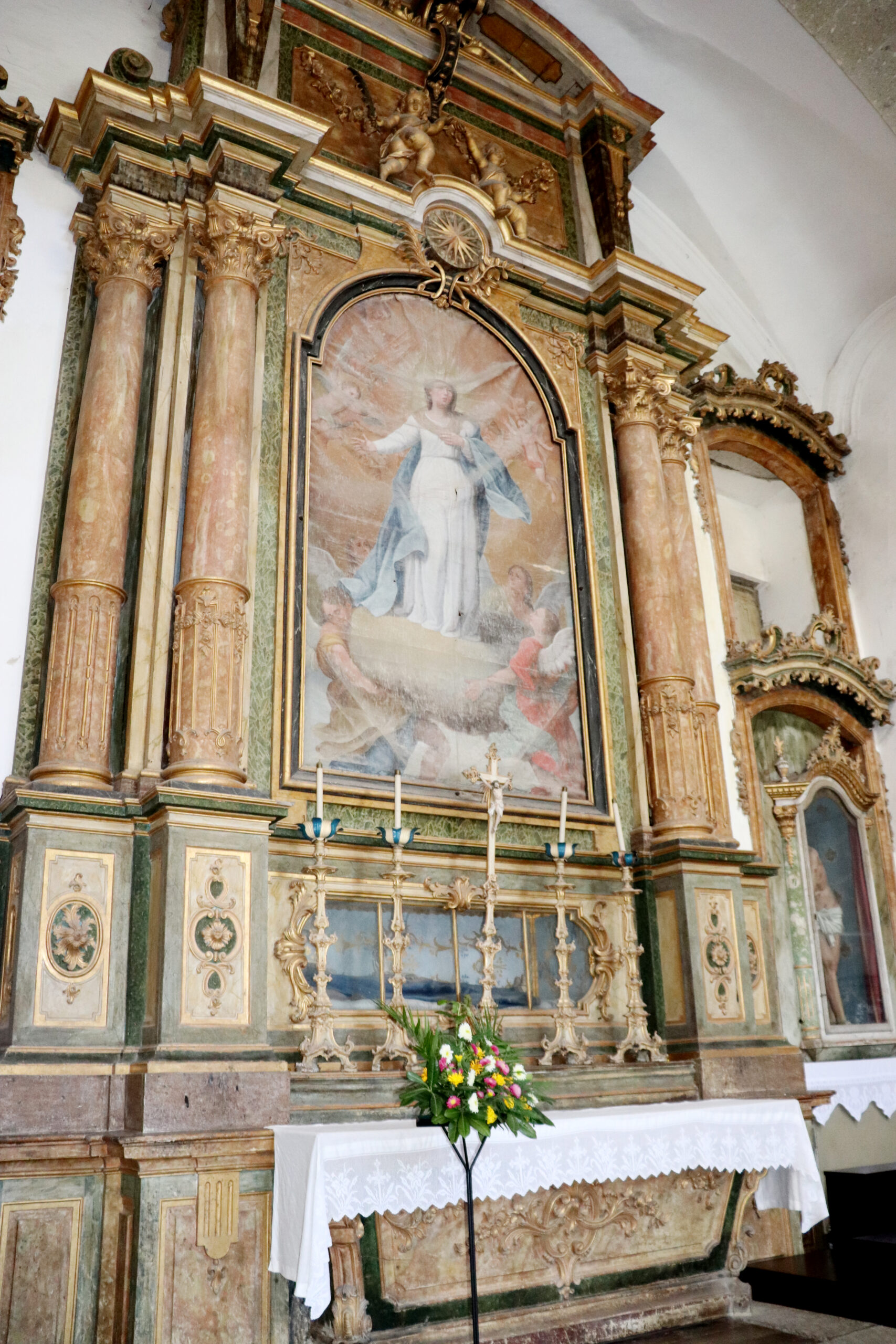
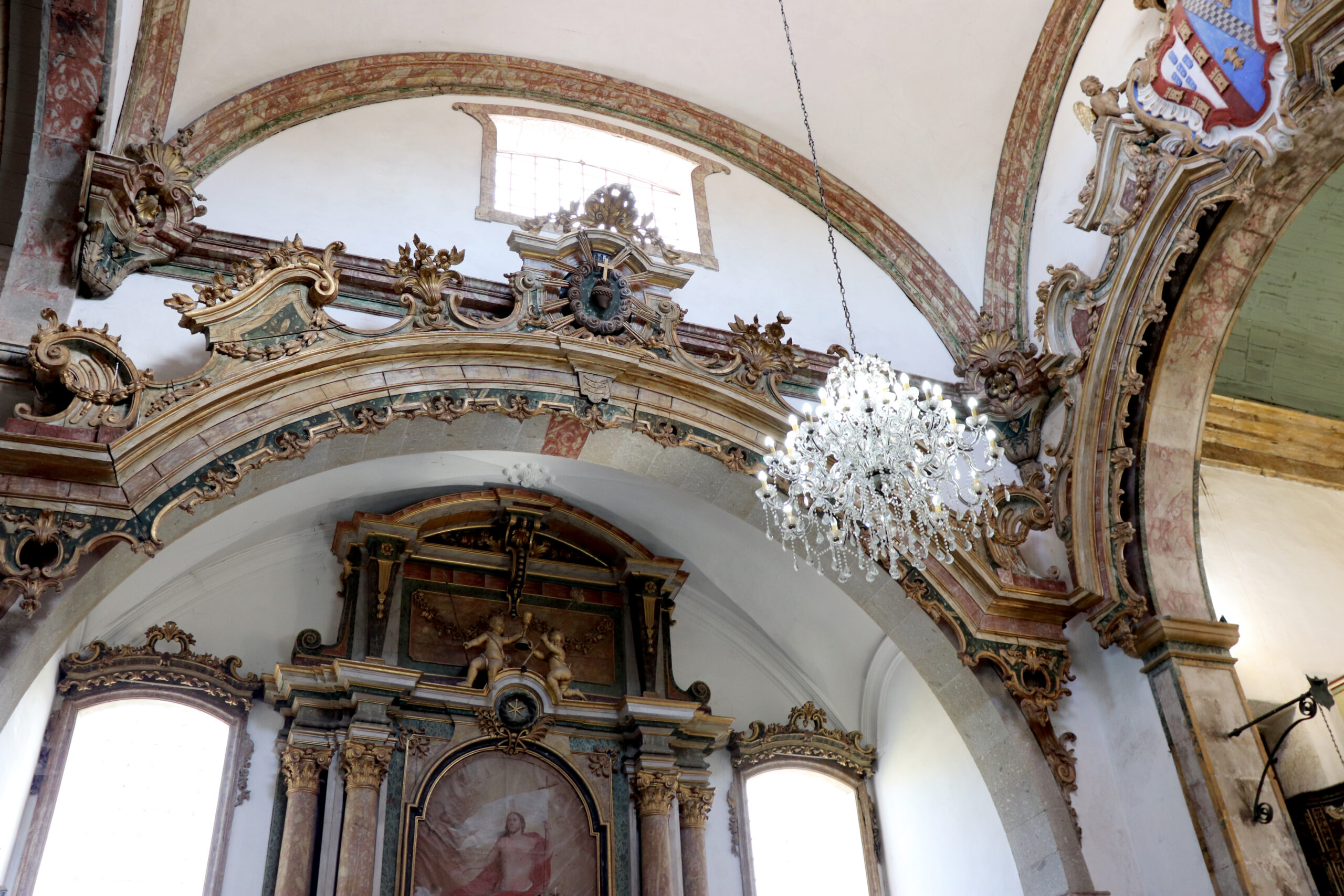
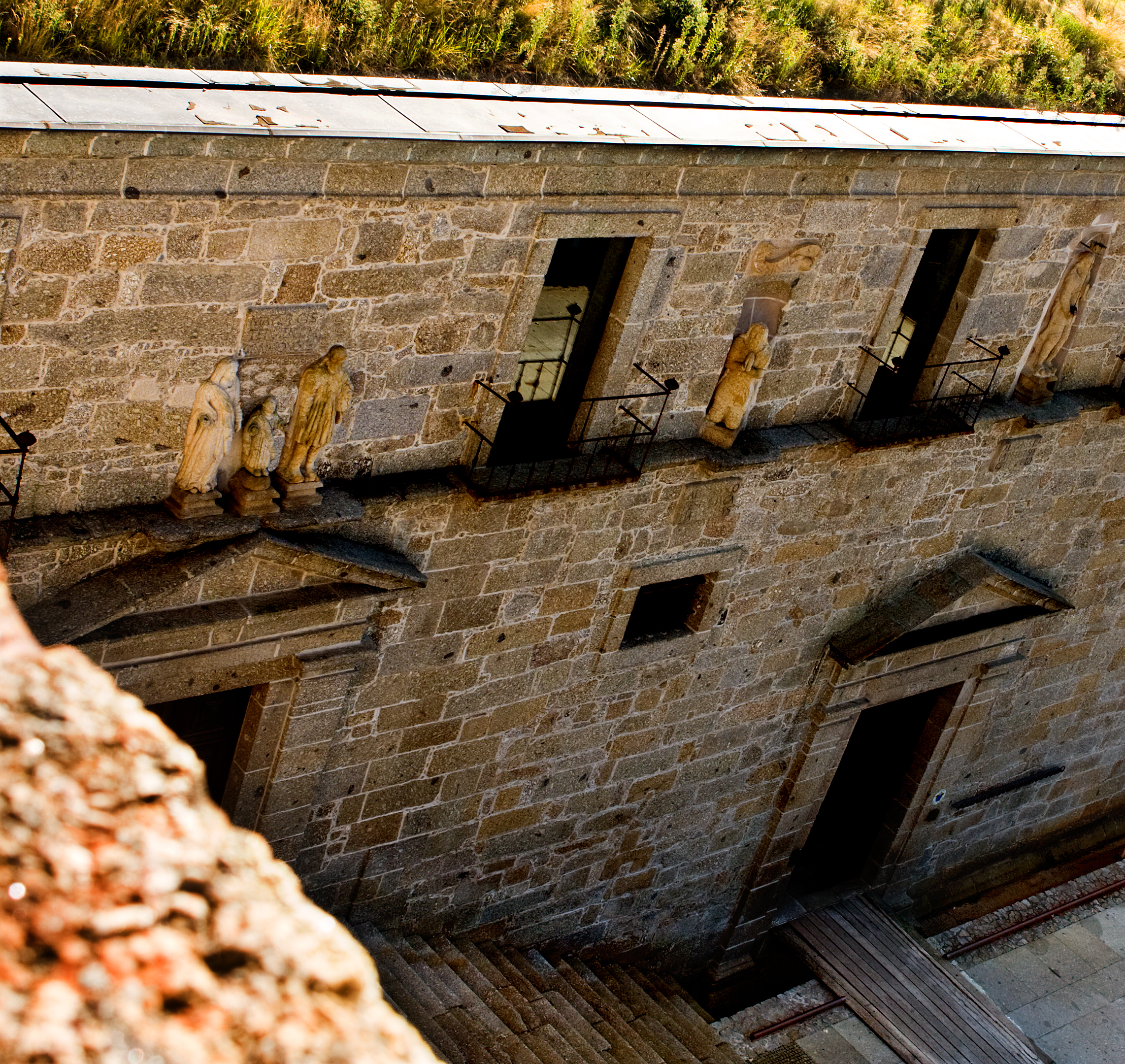
Over the years, several monarchs supported this Monastery, with successive donations, making it one of the most important in the country. However, in the 15th century and part of the 16th century, the Monastery of Santa Maria de Bouro entered a phase of decline, reducing the number of monks. After these turbulent times, at the end of the 16th century, the monastery began to recover its autonomy and prosperity. There were several reforms that helped restore the Cistercian monasteries to their former glory.
Currently, part of the convent has been adapted into a Pousada de Portugal, where the conservation of the original design and the severity of the old Monastery make it a national reference. Designed by architect Souto Moura, this Pousada de Portugal stands out for its distinctive and innovative concept, inspired by times long gone by.
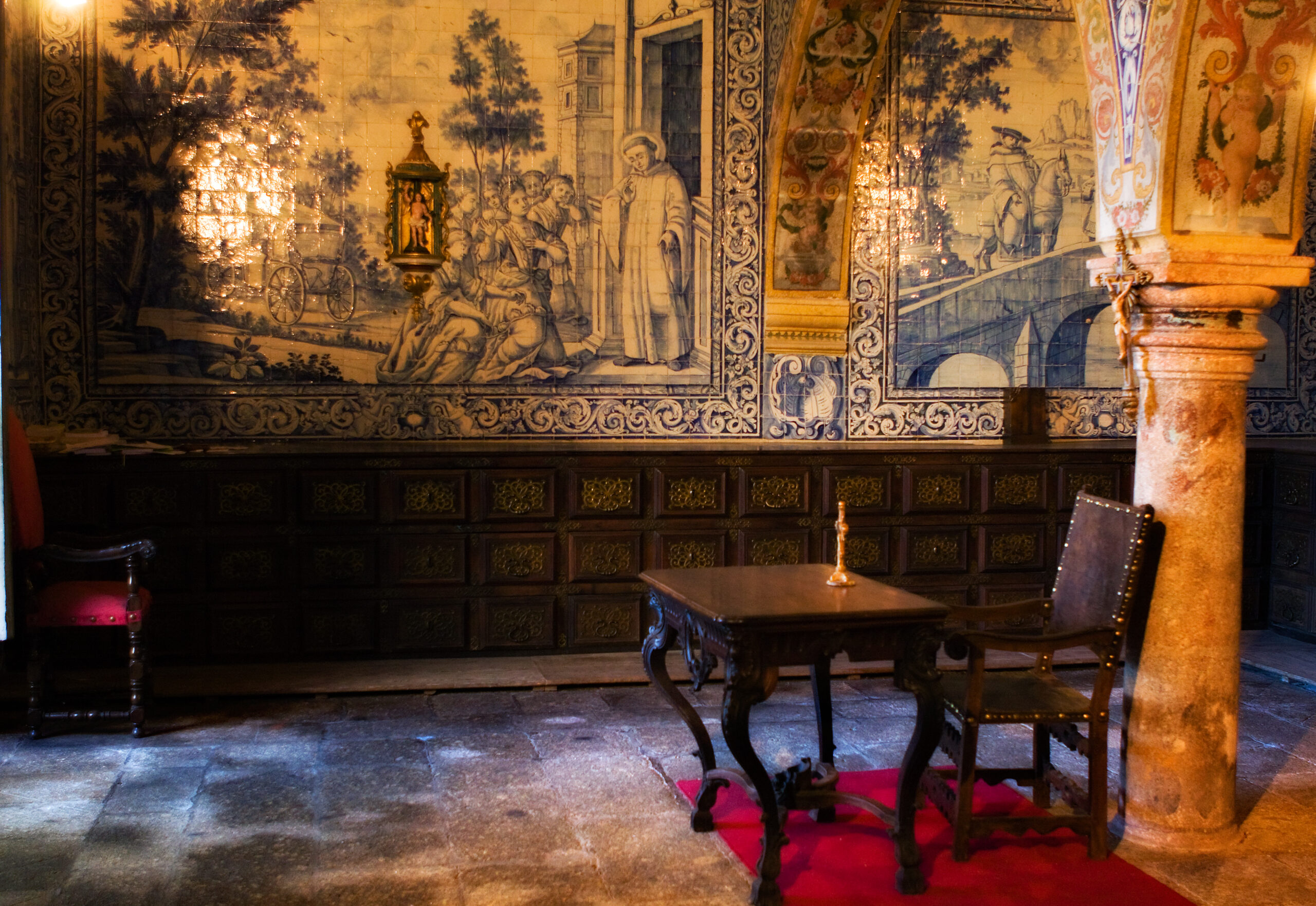
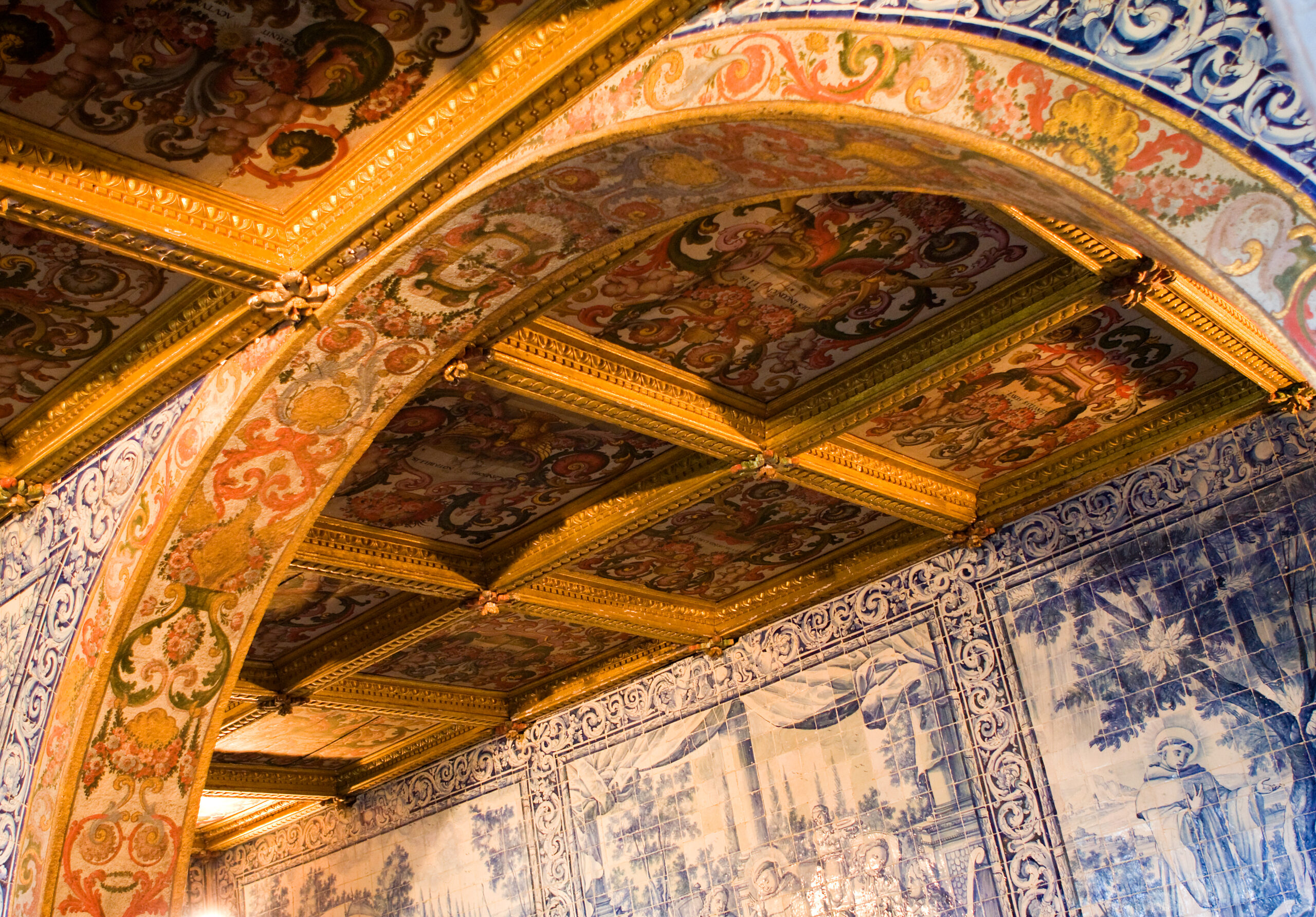
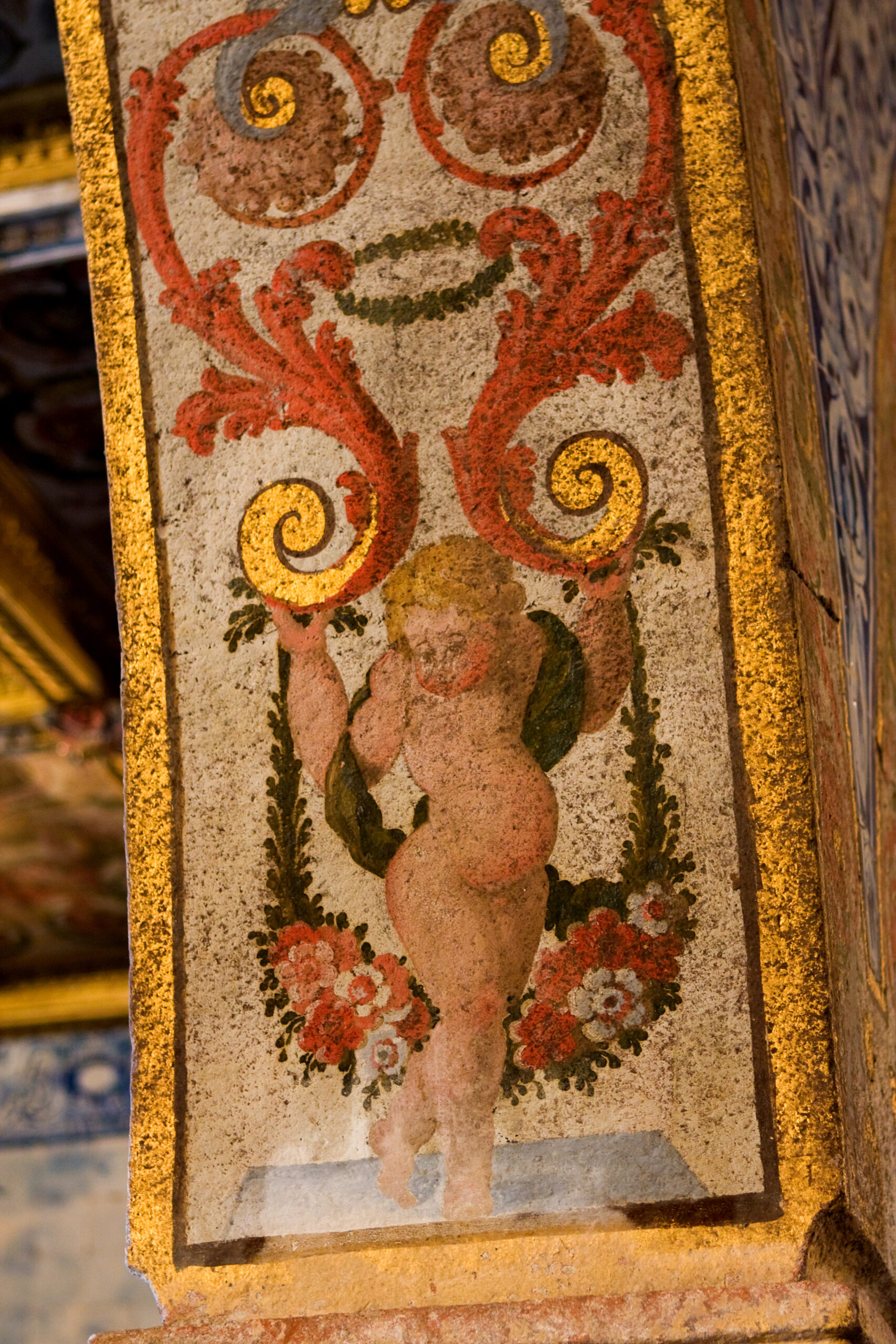
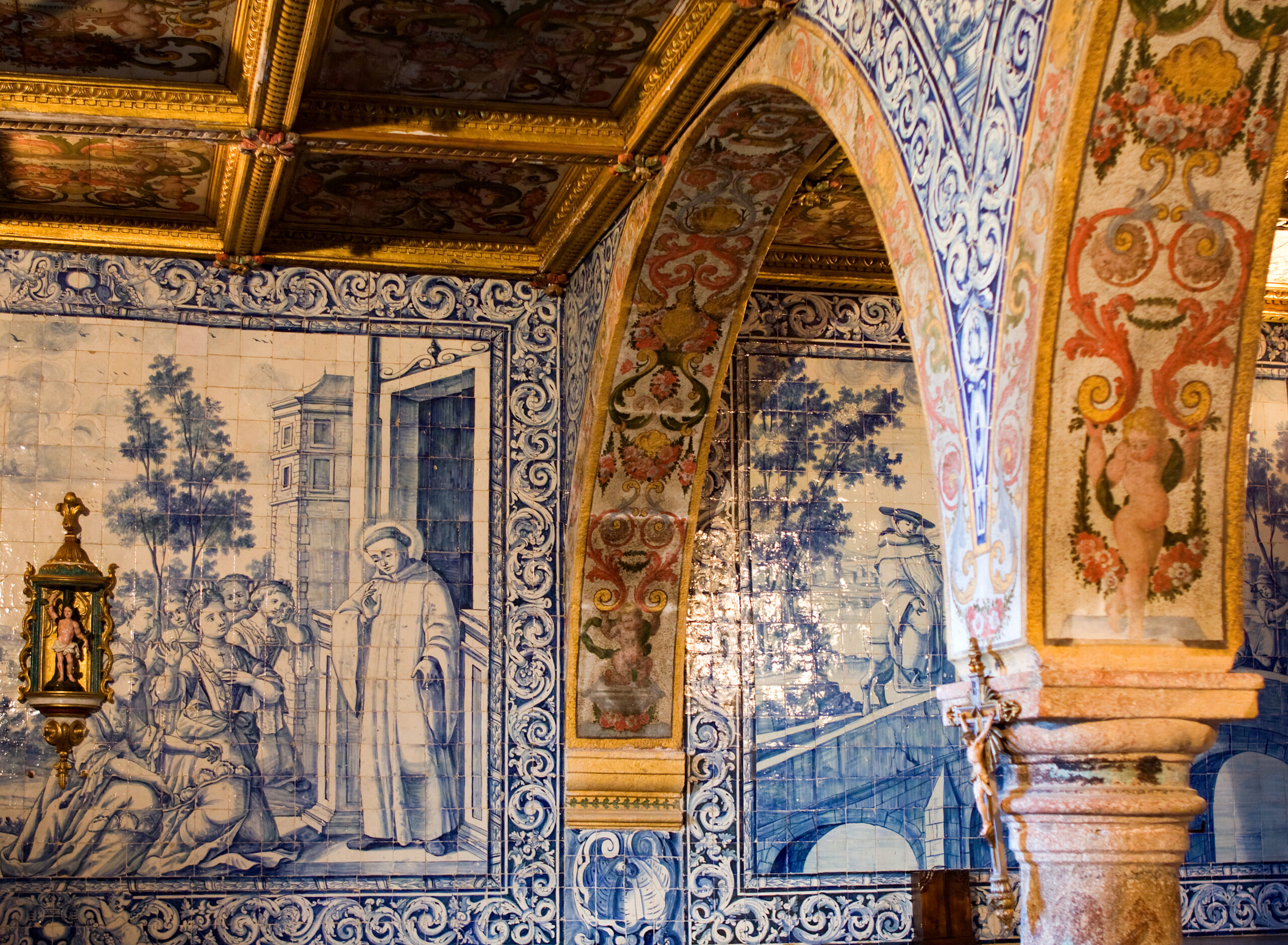
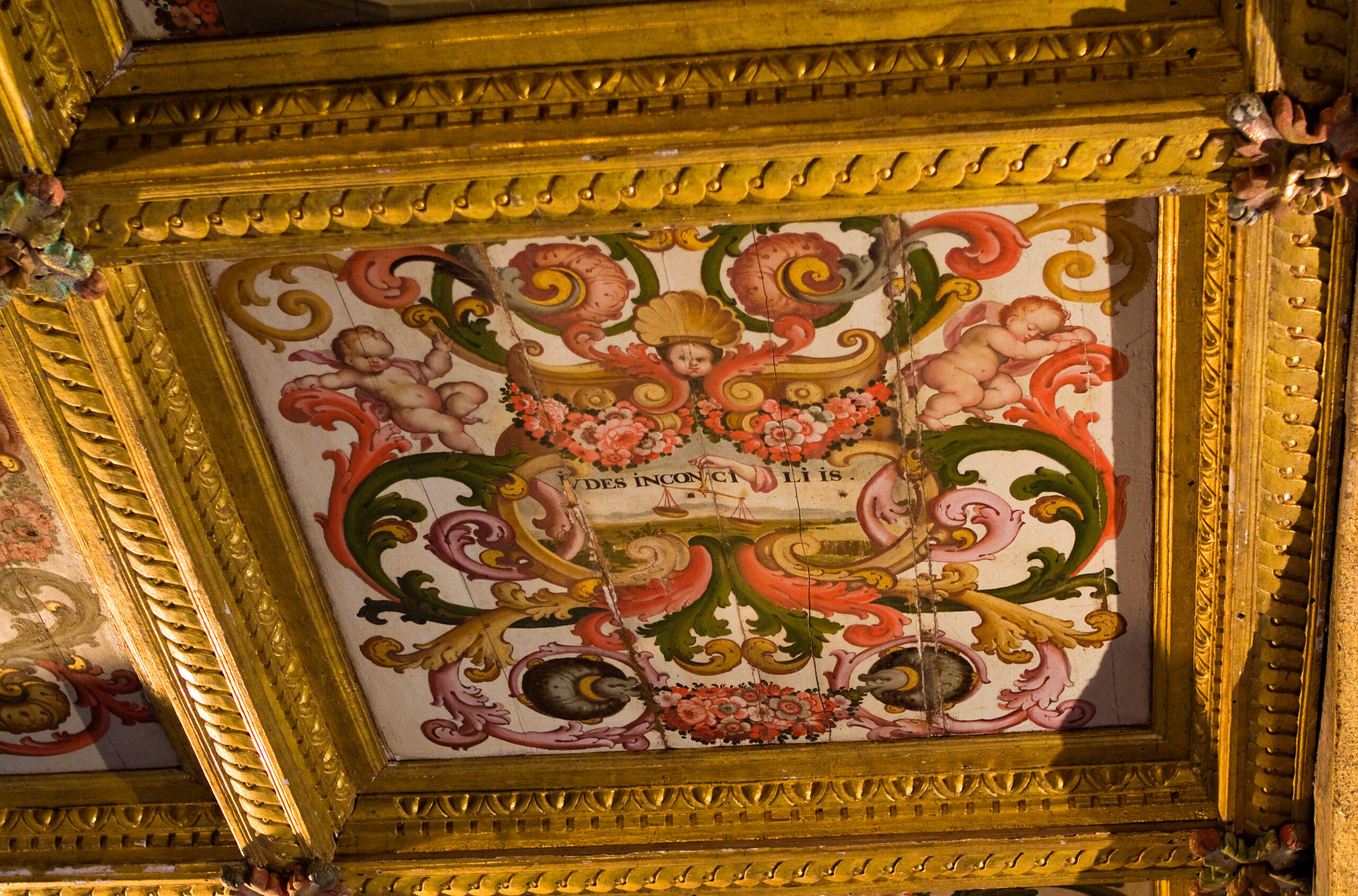
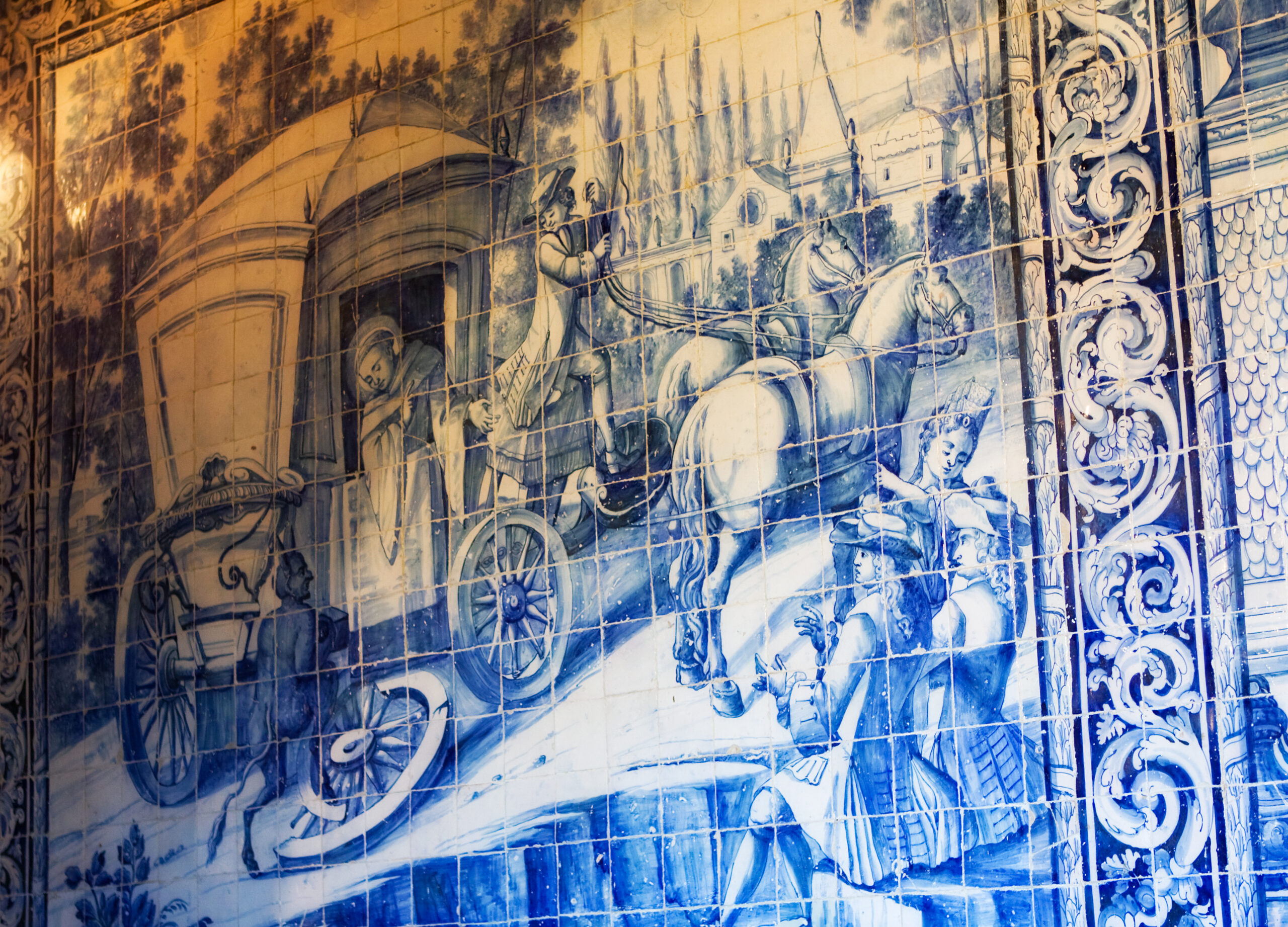
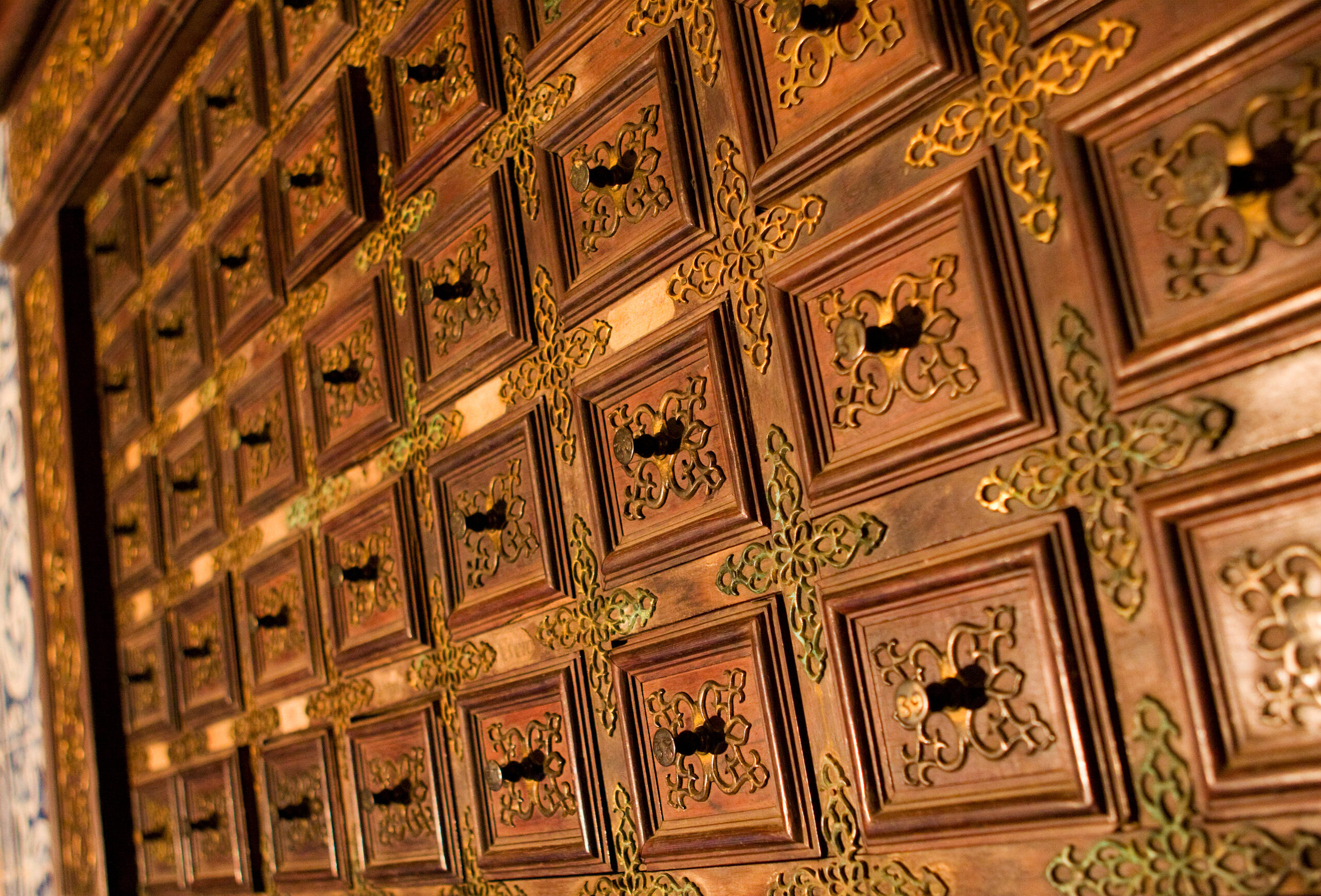
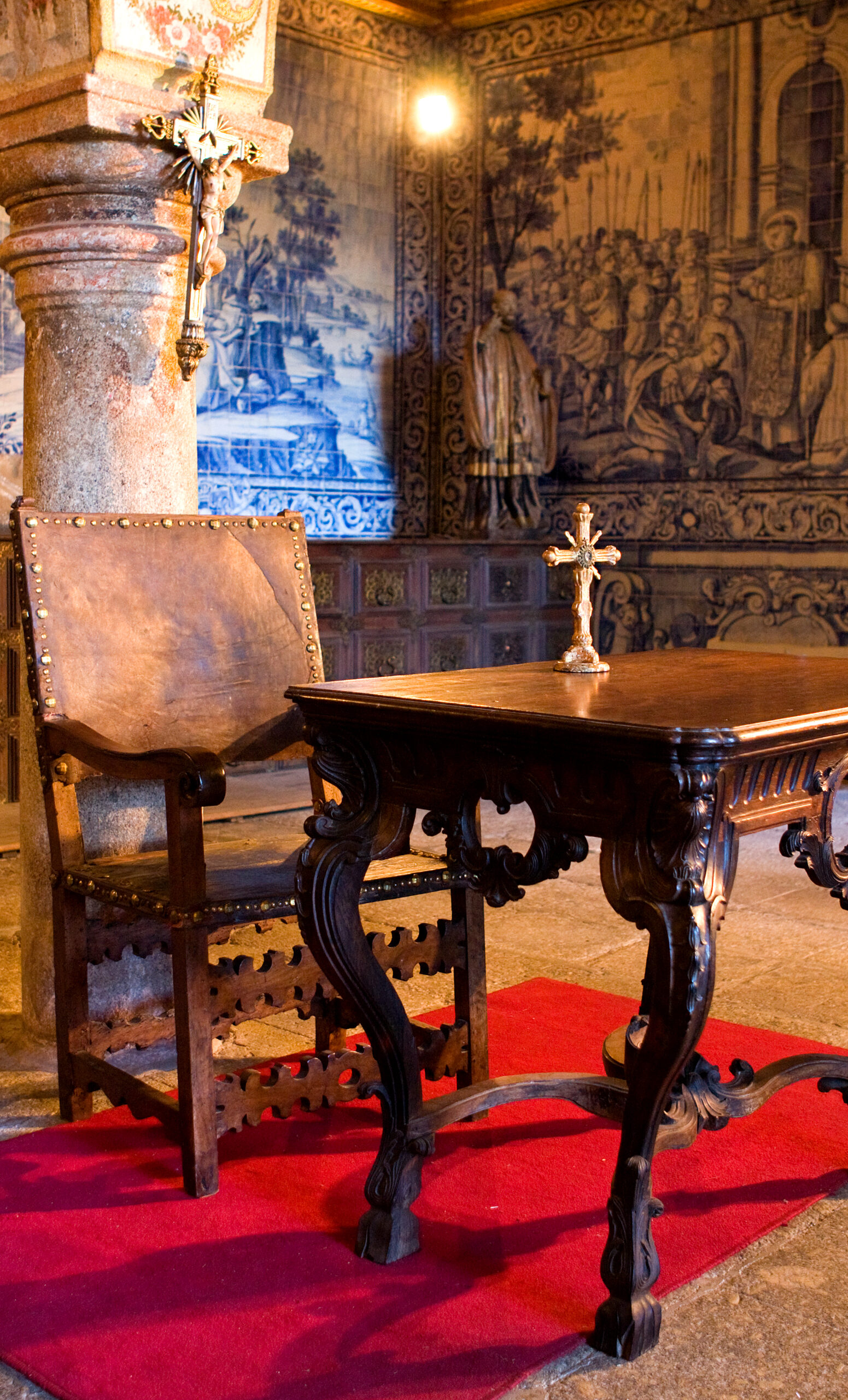
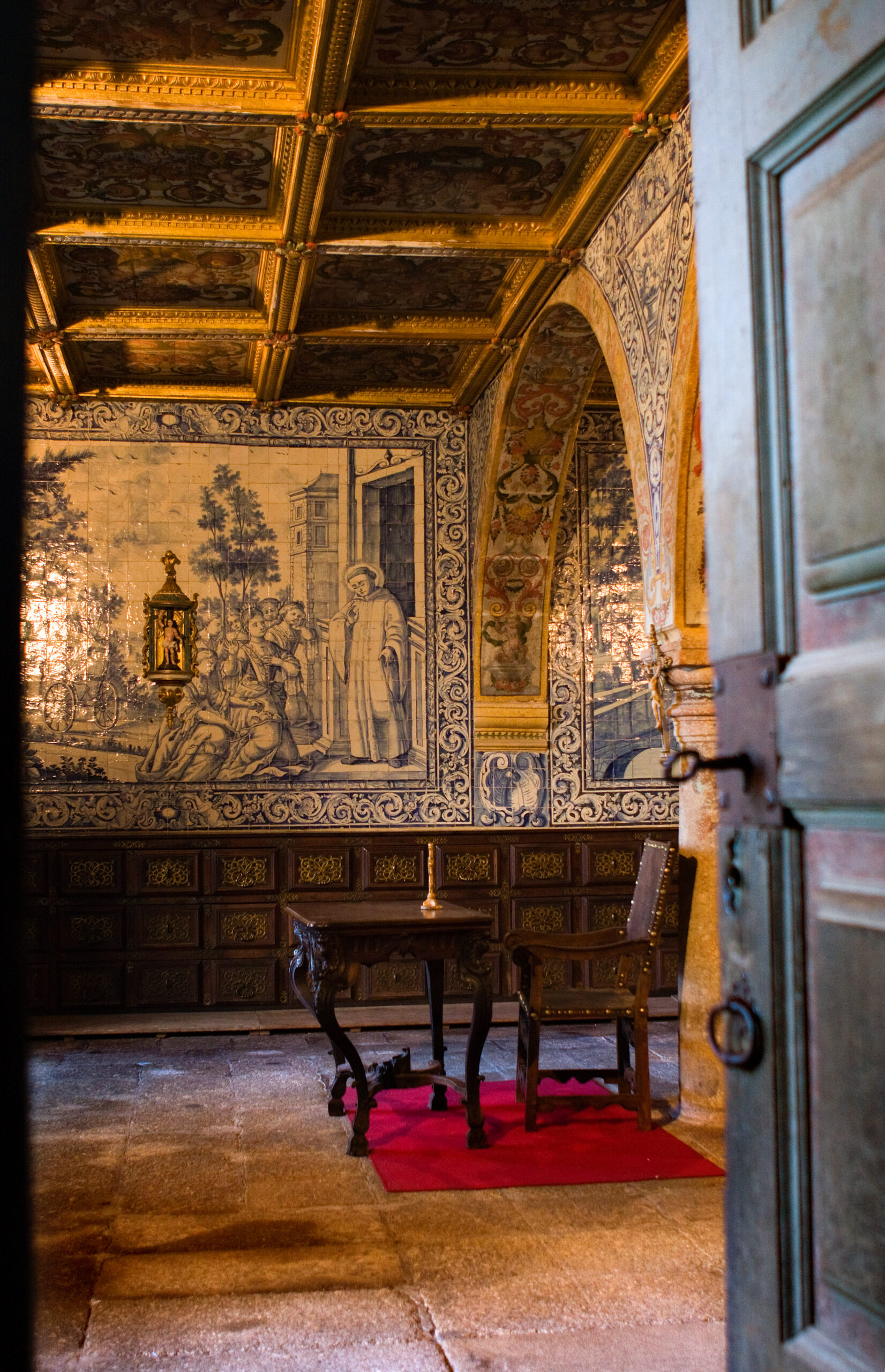
The Monastery belonged to the Cistercian Order and is characterized by its religious, Romanesque, Mannerist, Baroque, Rococo, Neoclassical and contemporary architecture. The Sacristy stands out in this property, divided by two painted arches, with a coffered ceiling decorated with paintings.It is worth highlighting the walls of the sacristy lined with 18th century tiles that depict the life of S. Bernardo, an artistic treasure bequeathed by our ancestors and unknown to the most attentive eyes.
“The sacristy, which is preserved in an almost impeccable state, is the best, the most admirable piece of the entire convent complex; a true masterpiece of art, certainly unique.” These words are from Domingos M. Silva, and represent a little of the general feeling of those who visit the place. It is a rectangular space divided into two spans by a pillar, where two round arches open, ending in an elegant column, duly decorated with ancient painting similar to frescoes. The greatest beauty is on the ceiling: it is presented in coffered ceilings, with “extremely delicate ornaments” and background paintings, with different symbolic motifs, namely about nature, foliage, scrolls and little angels; and a series of biblical verses or Latin captions and allegories about the life of Nossa Senhora.
A casual glance makes you think that all the coffins are the same, but on closer inspection you can see that each polychrome box is a different, carefully painted painting.
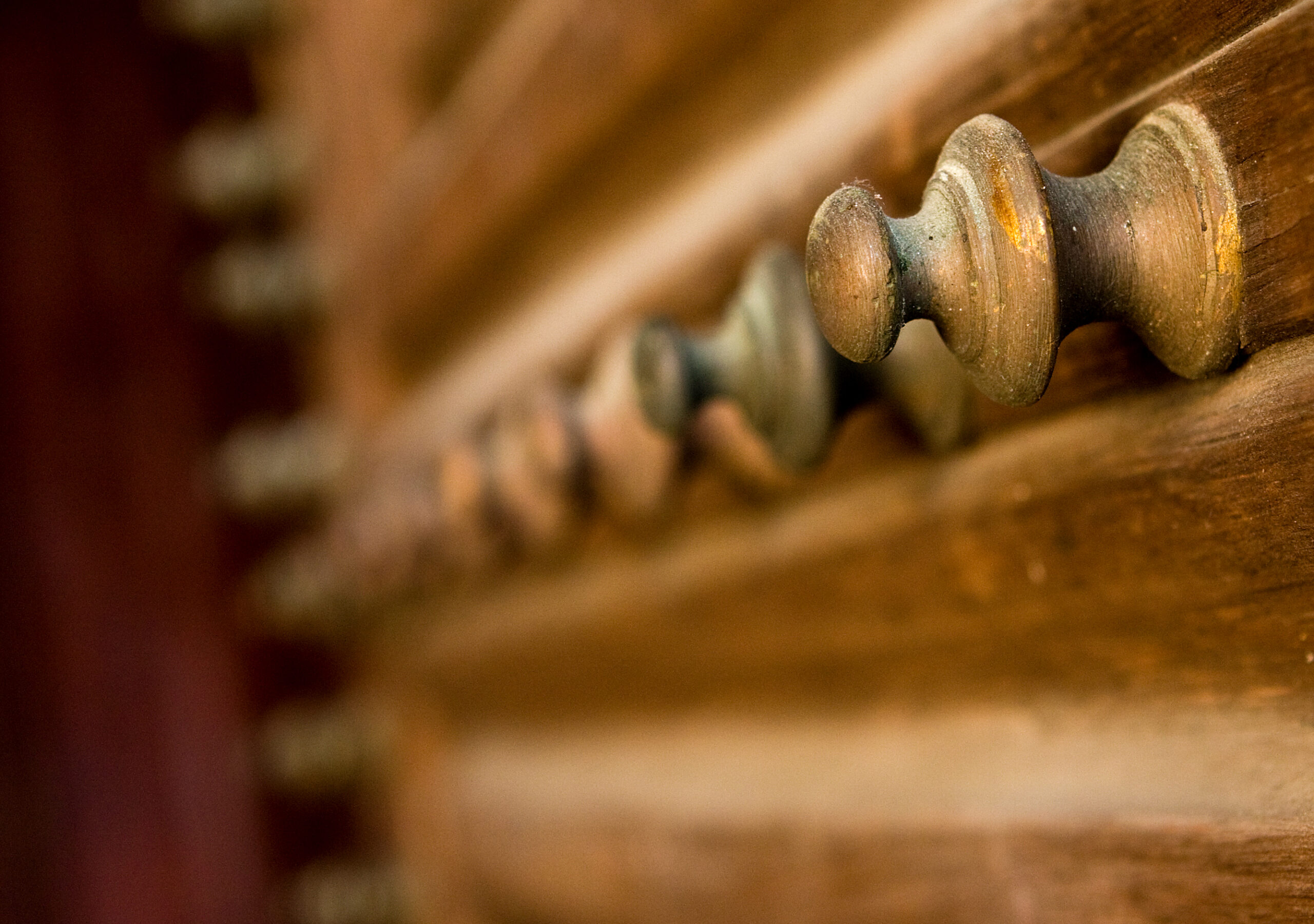
The furniture in the sacristy is another point of interest. All around and against the walls is a chain of large rosewood drawers, with artistic brass handles and inlays.
The artistic richness of the sacristy does not stop there. In addition to the ornaments, it is worth seeing and appreciating the quality of the tiles painted possibly by Teotônio dos Santos. The tiles tell the interesting legend of Umbelina, the sister of S. Bernardo, the abbot of Clairvaux.
In the brochure, “Real Mosteiro de Santa Maria de Bouro”, a collection by Father Carlos, the legend is described according to which S. Bernardo talks to his sister Umbelina; then refuses to receive her at Clairvaux, admonishing her for her luxurious attire. When crossing a bridge in the carriage on the way to the Council of Pisa, the devil appears harassing the saint. This forces him to throw himself into the river. But then, as revenge, the mafarrico breaks the wheels of the “cart”. As punishment, S. Bernardo forces the devil to use the wheel until the end of the journey. In other paintings it is possible to see the blessing of the cup and the miracle in which the saint keeps rainwater away from a scribe who is writing a letter to him, and from the respective parchment. The last painting refers to the conversion of Duke Guilherme da Aquitânia.
In the sacristy there were other paintings about the life of Nossa Senhora.
The date of the work in the sacristy is not known exactly, but the paintings on the ceiling must have been done in 1715, judging by an inscription on site. In addition to the artistic beauty of the place, it is also a space for reflection.
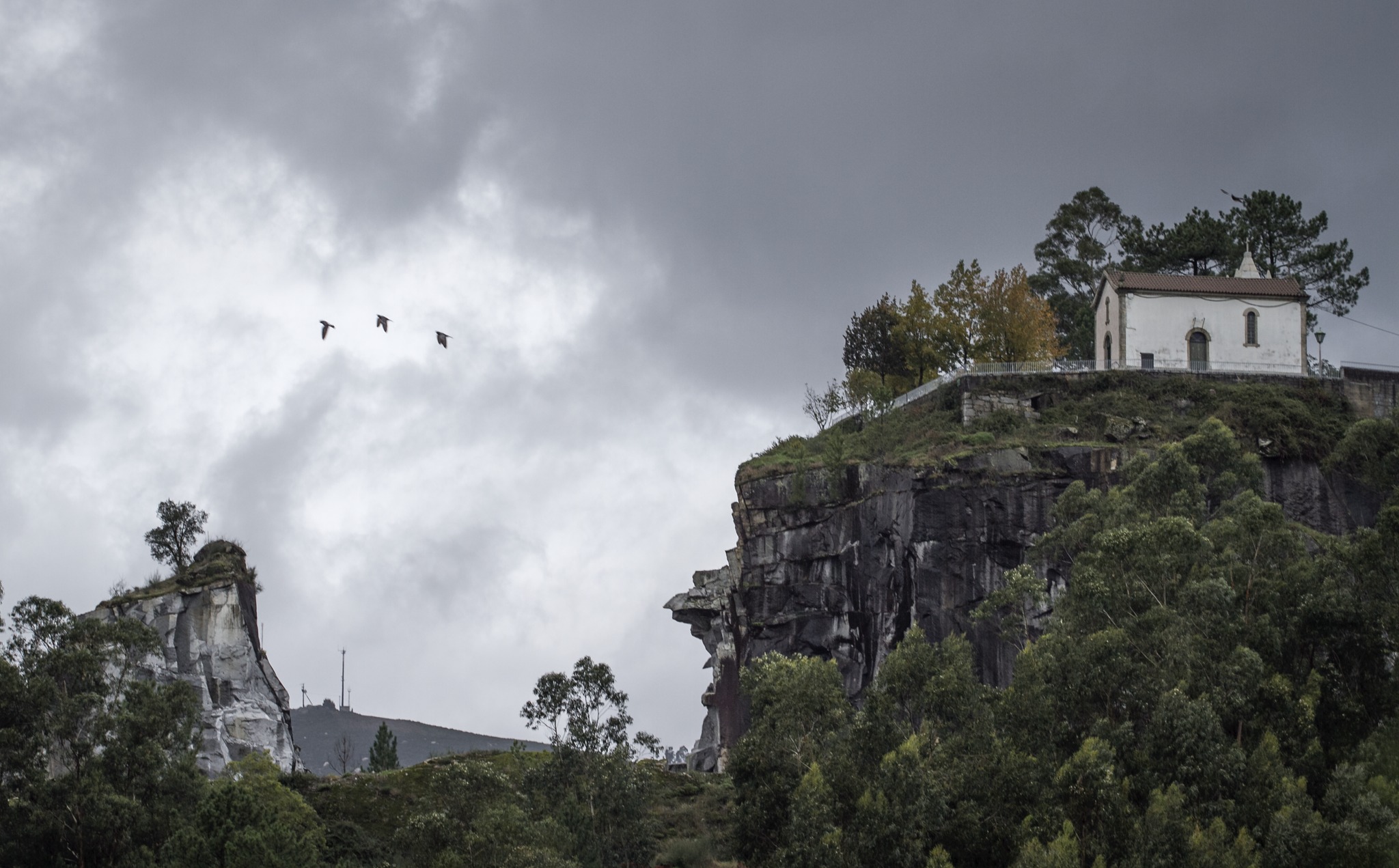
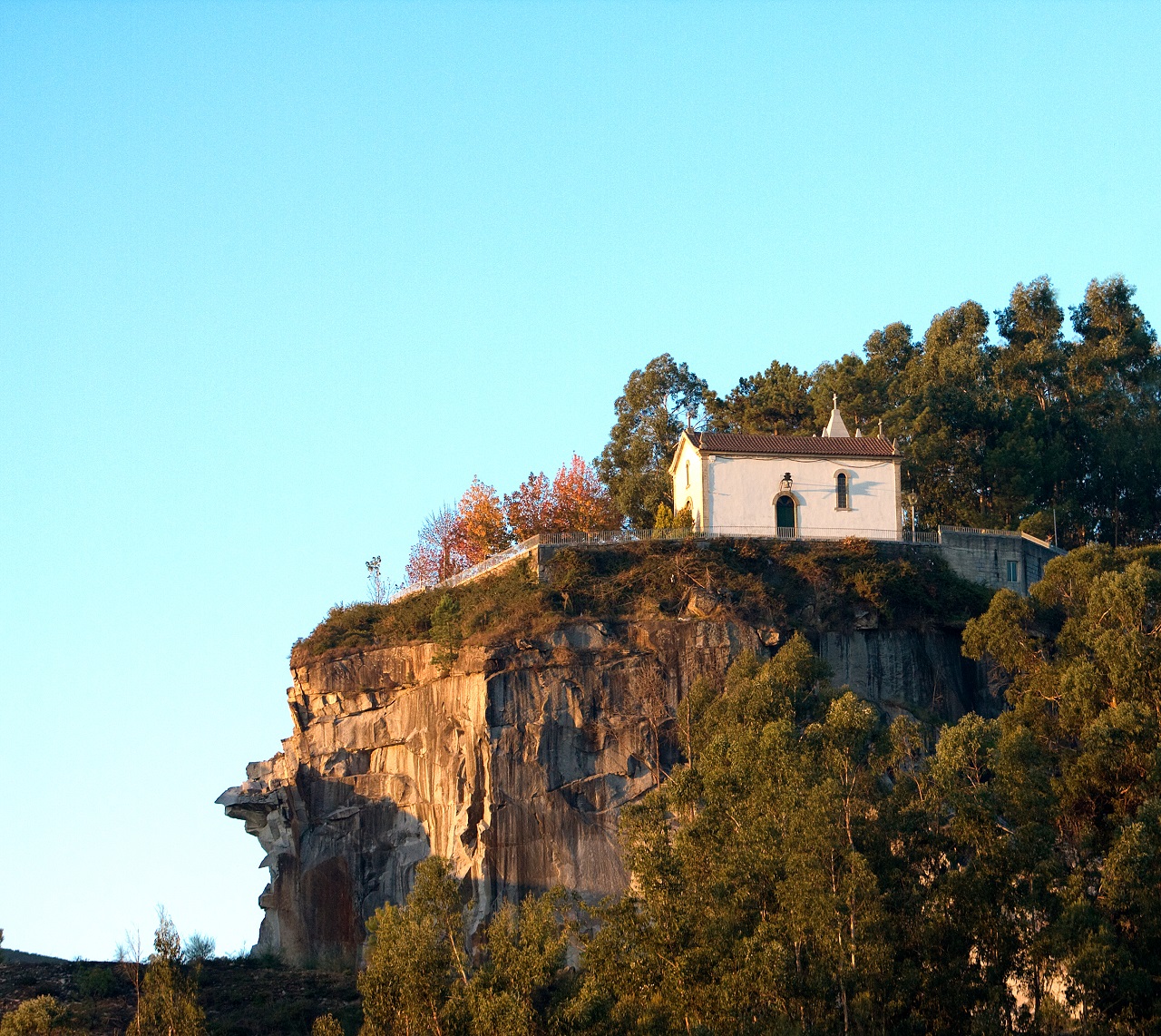
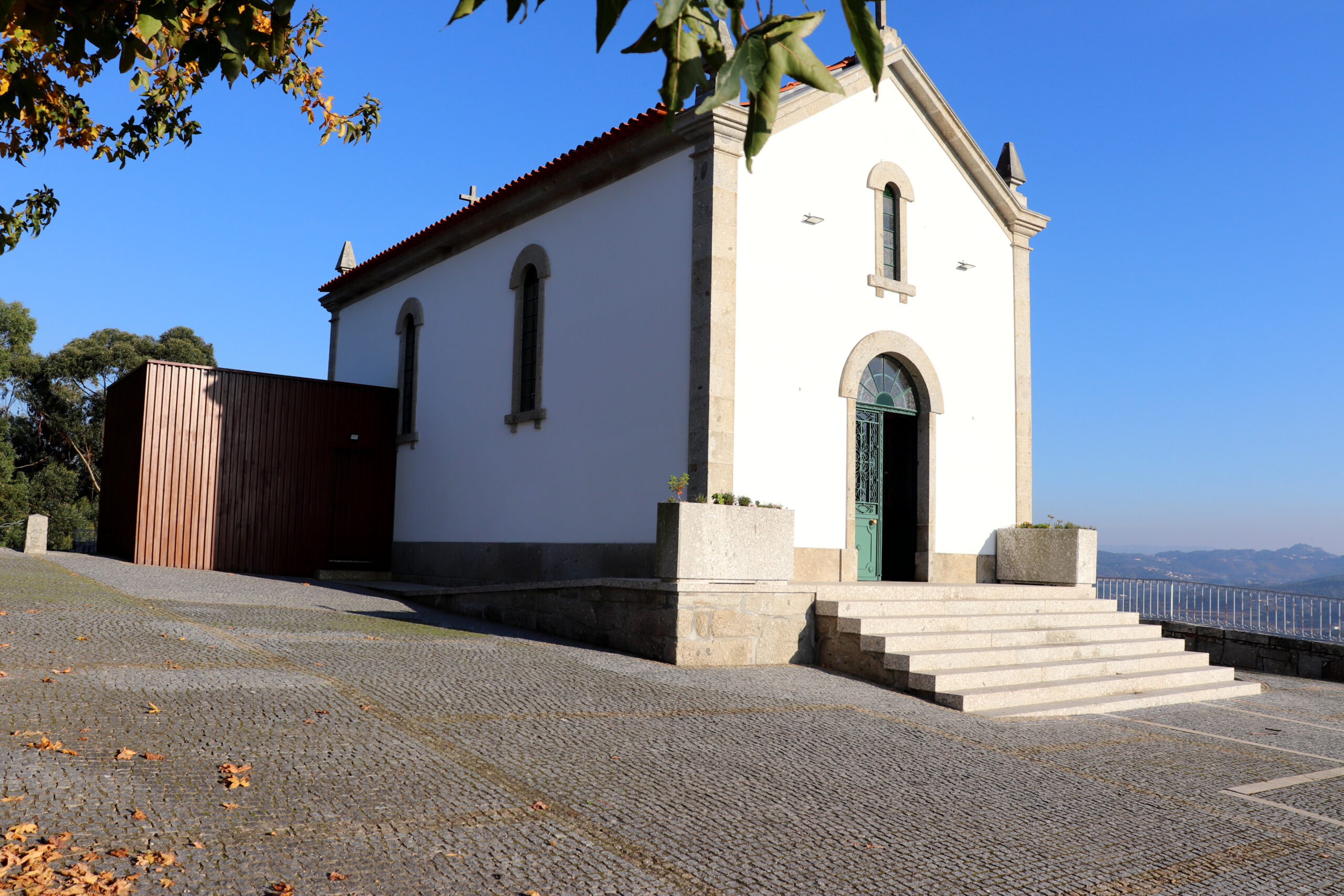
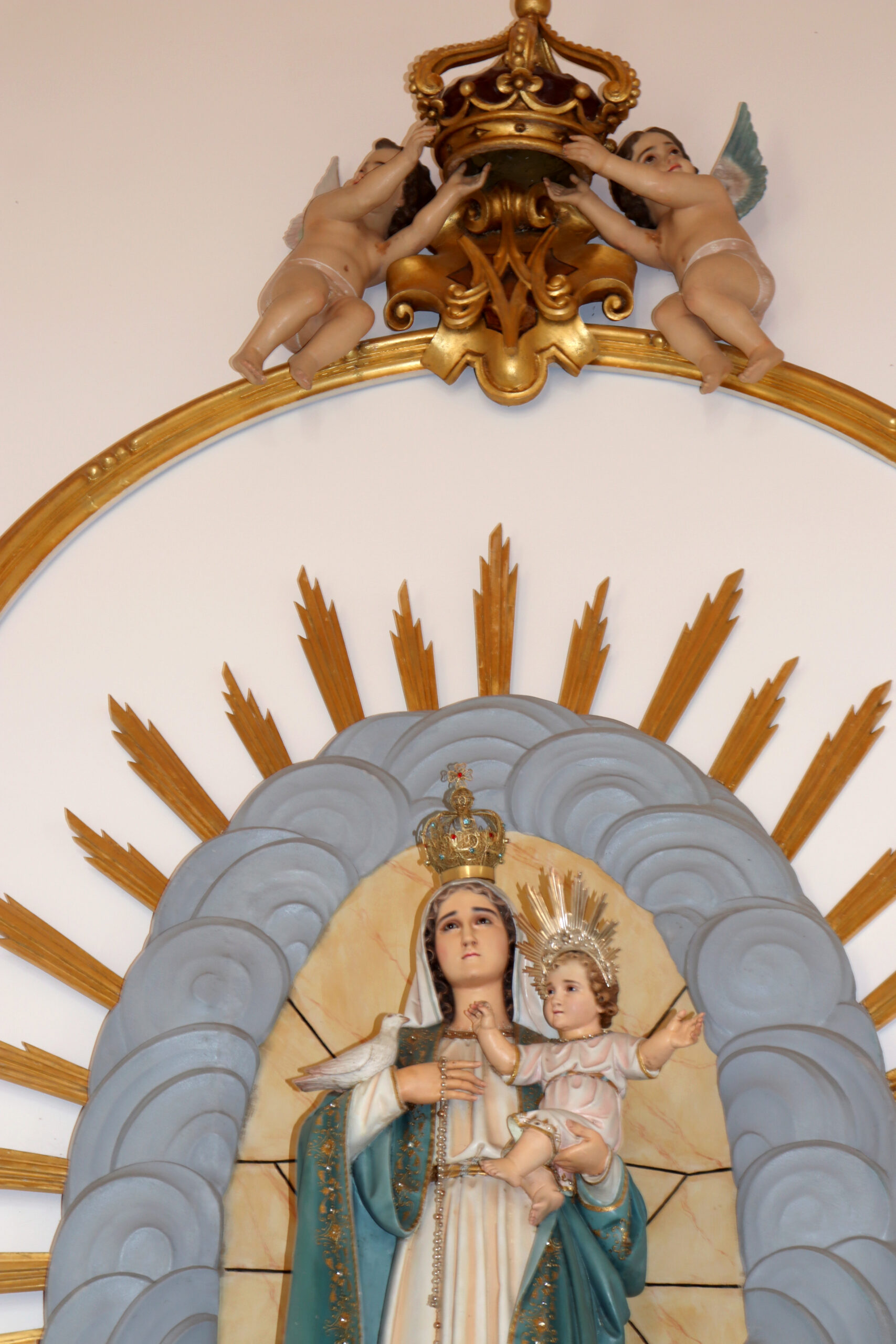
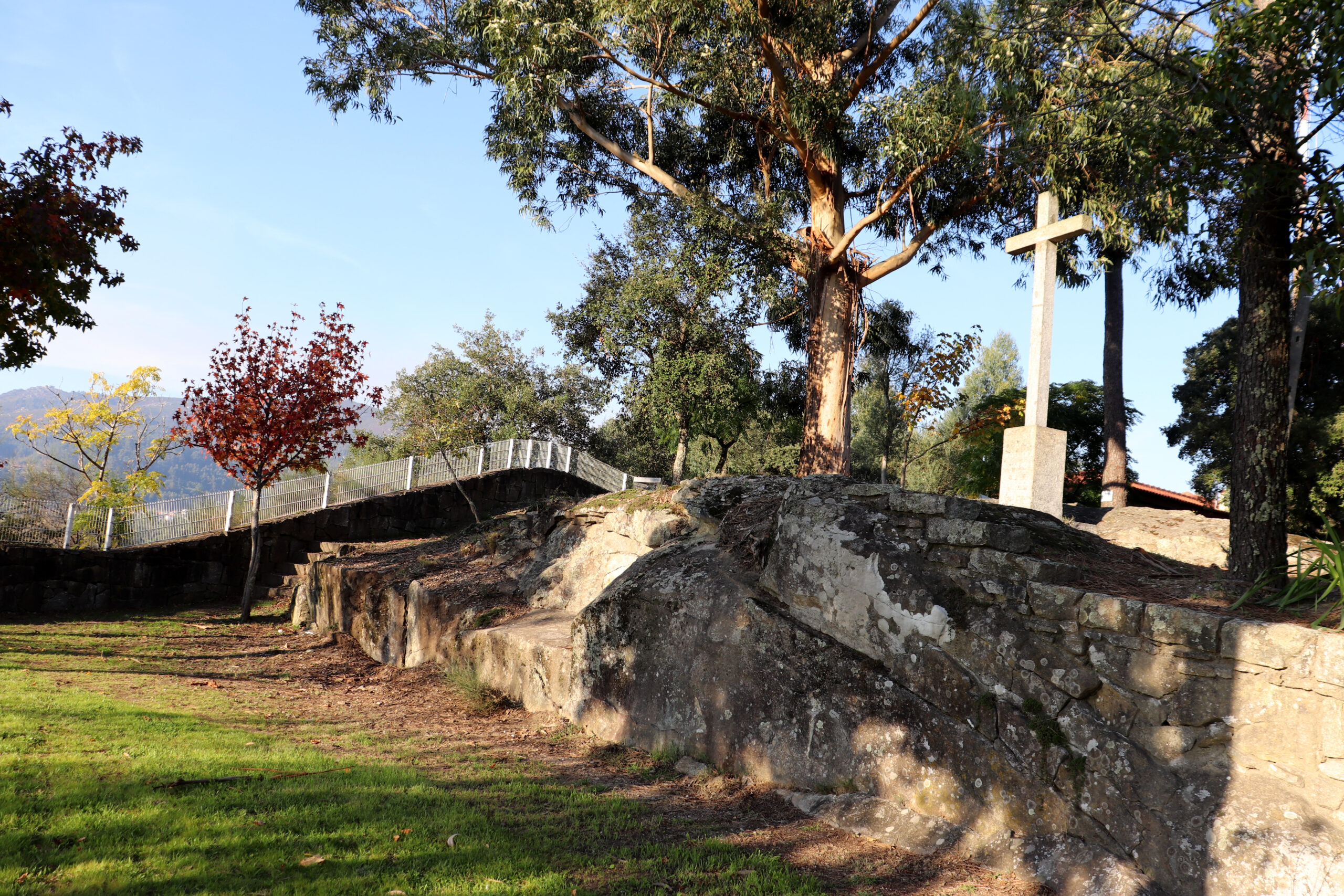
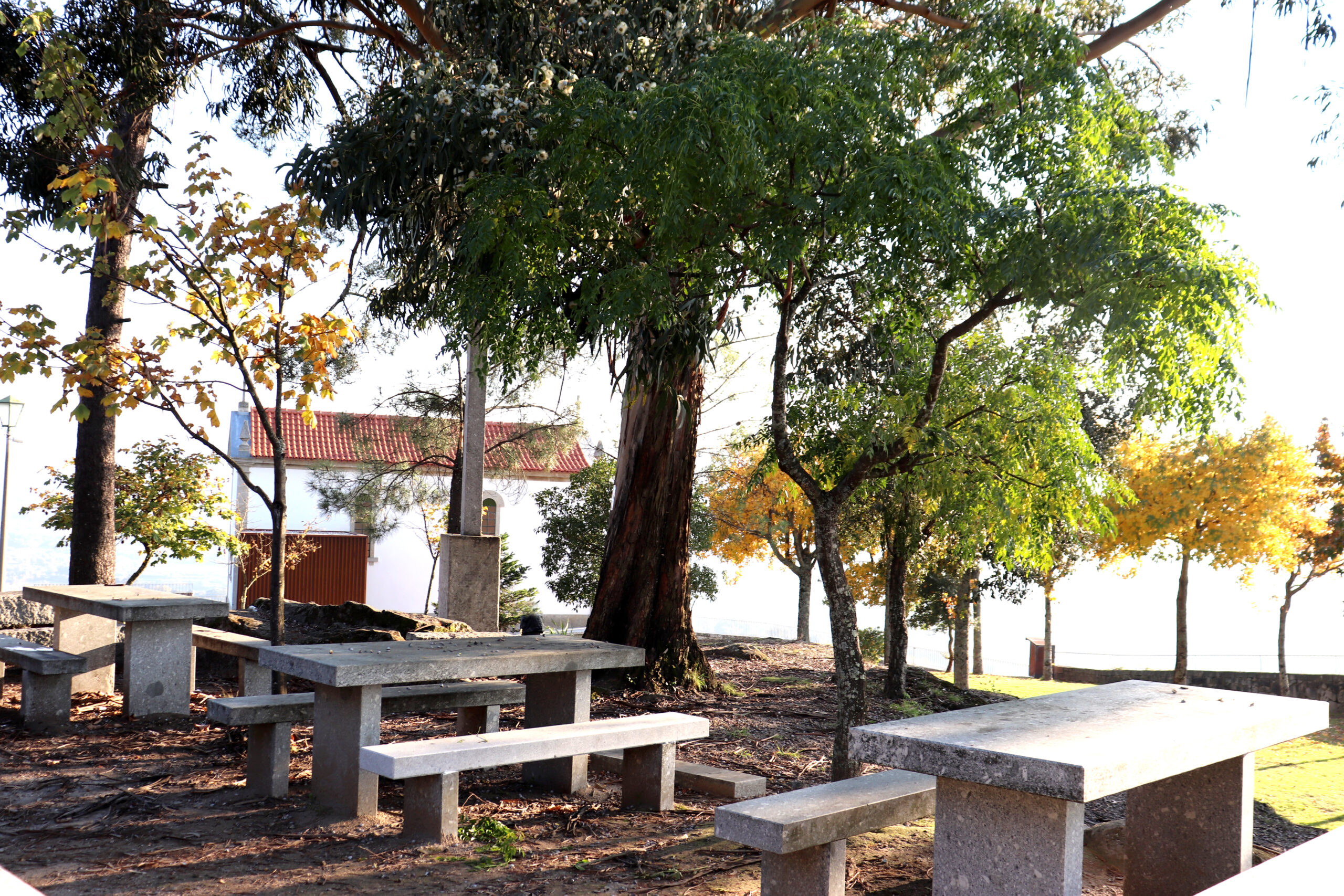
The chapel with its simple lines stands on a high point in the municipality, forming a viewpoint of rare beauty, which became important due to the various periods of occupation during the late Bronze Age. In the excavations carried out on site, it was not possible to portray the period of Prehistory in which it was occupied, however it was in the 10th century a.c. which confirms the first human presence on Monte da Santinha. Several remains were found on the acropolis that demonstrated how the town was organized, its activities and its rituals.
The second occupation of this site is proven by the appearance of three open pits, larger than the previous ones, and by the appearance of other remains. After this occupation the town was abandoned for many centuries.
This chapel has a longitudinal plan, with a single nave and a rectangular chancel, narrower, attached to the axis. The facades are made of granite, with Tuscan pilasters at the corners and crowned by tall pyramidal pinnacles.
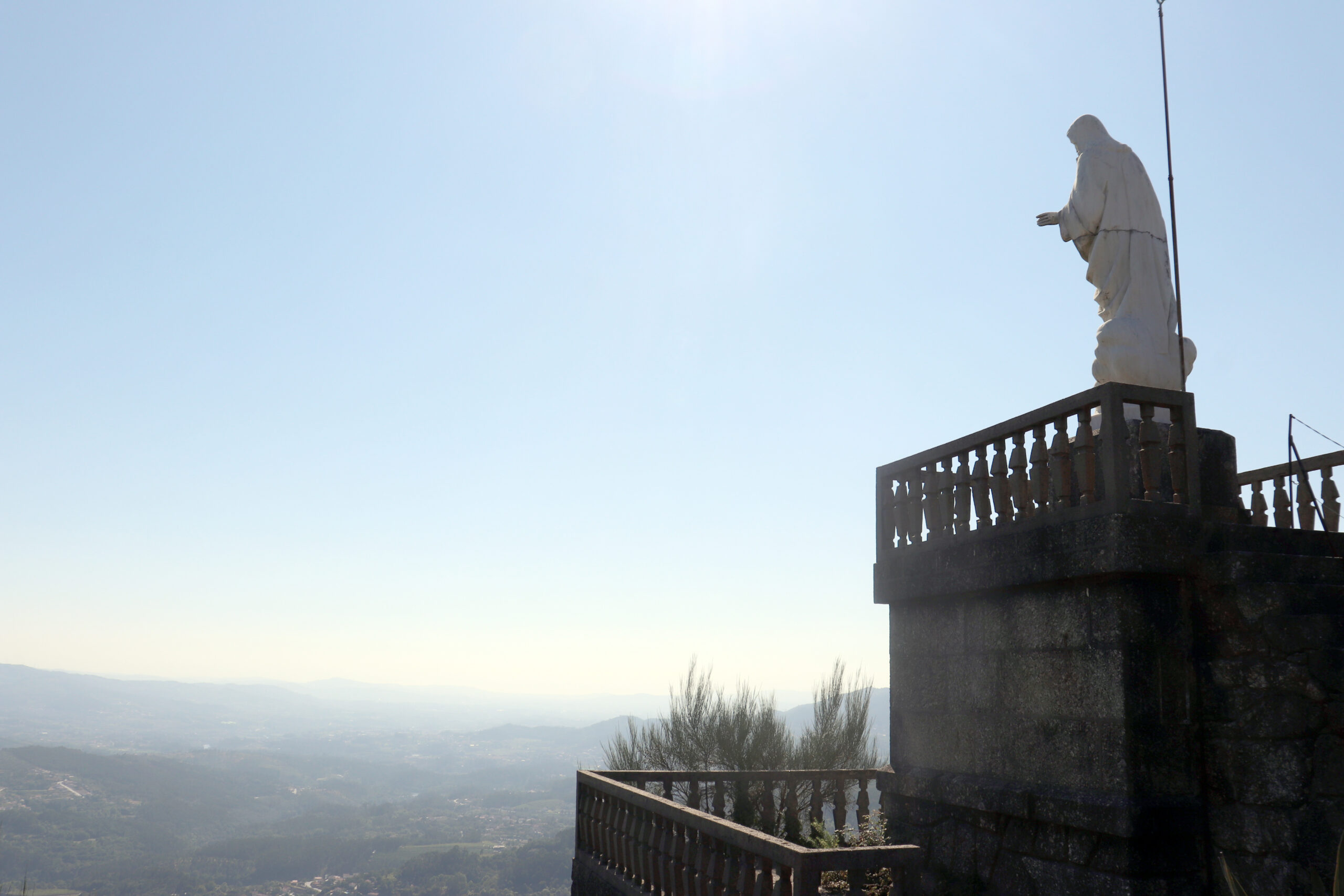
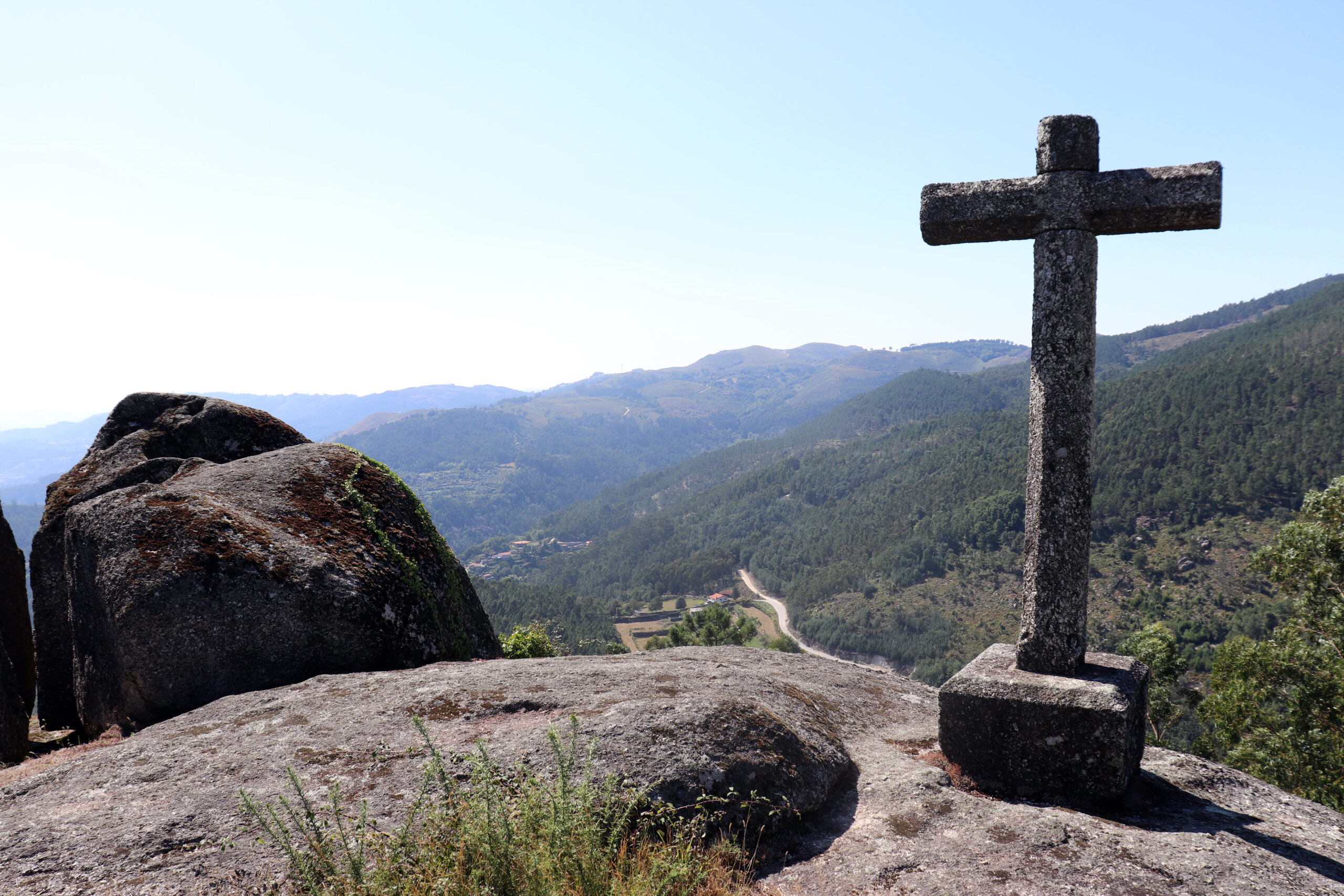
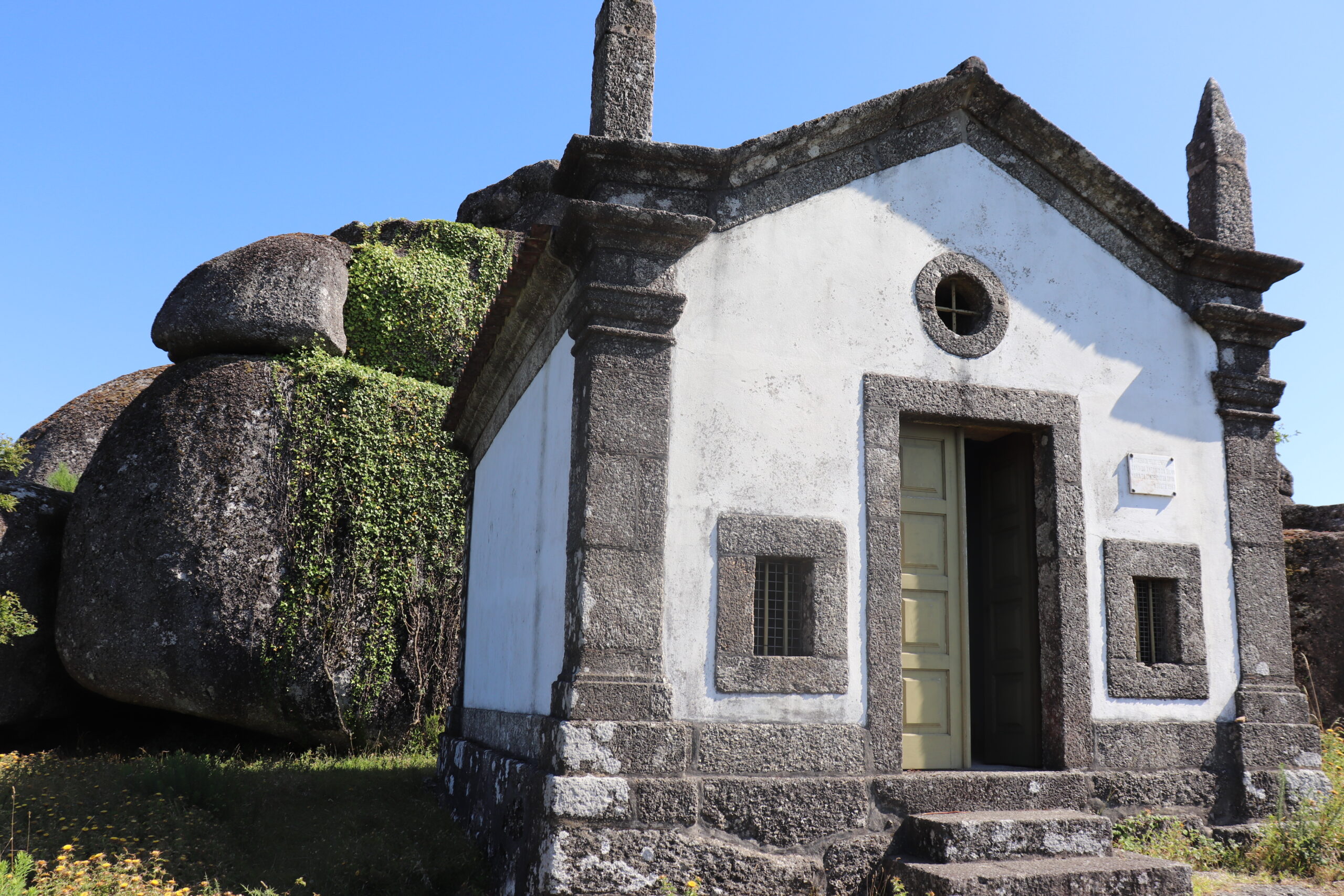
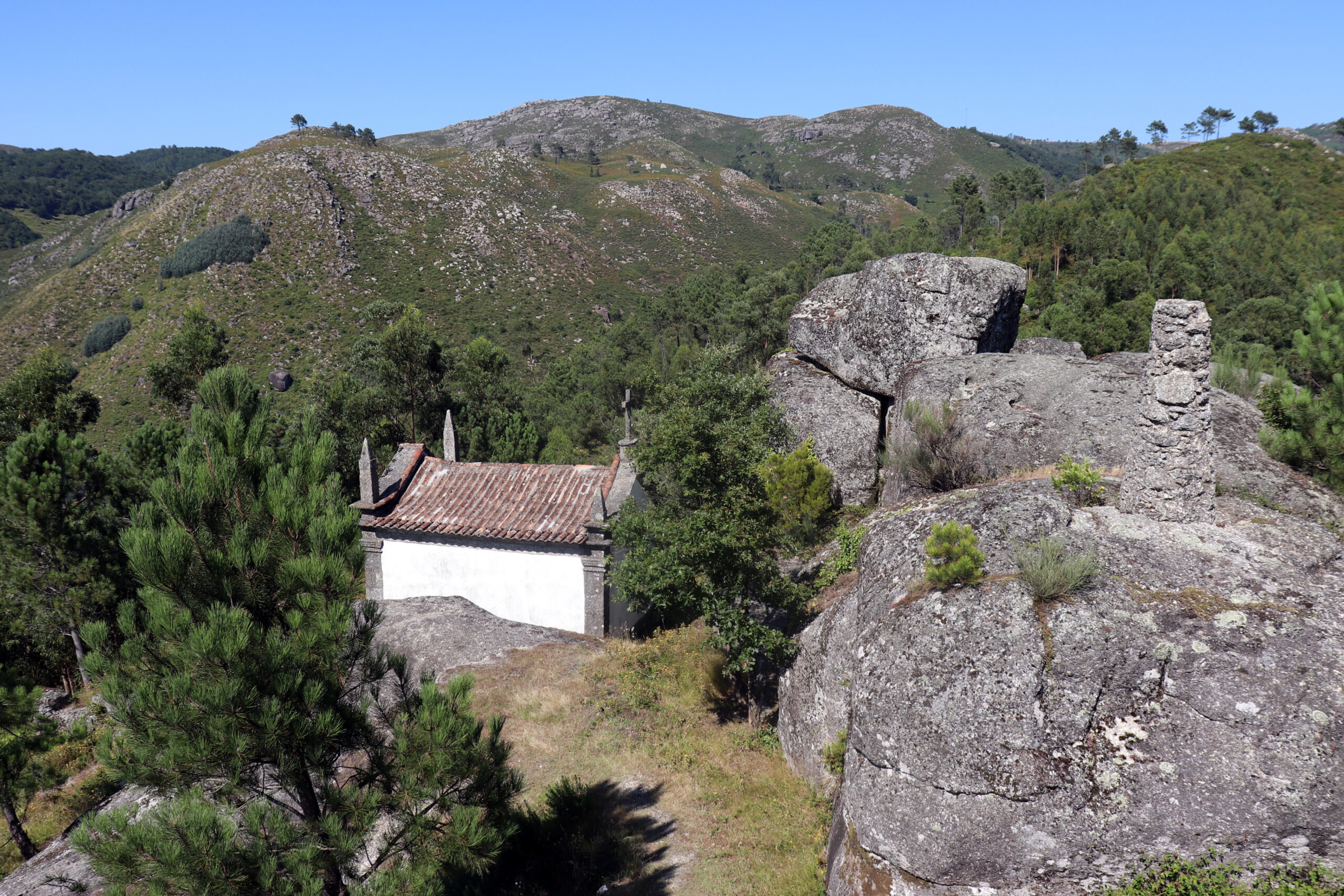
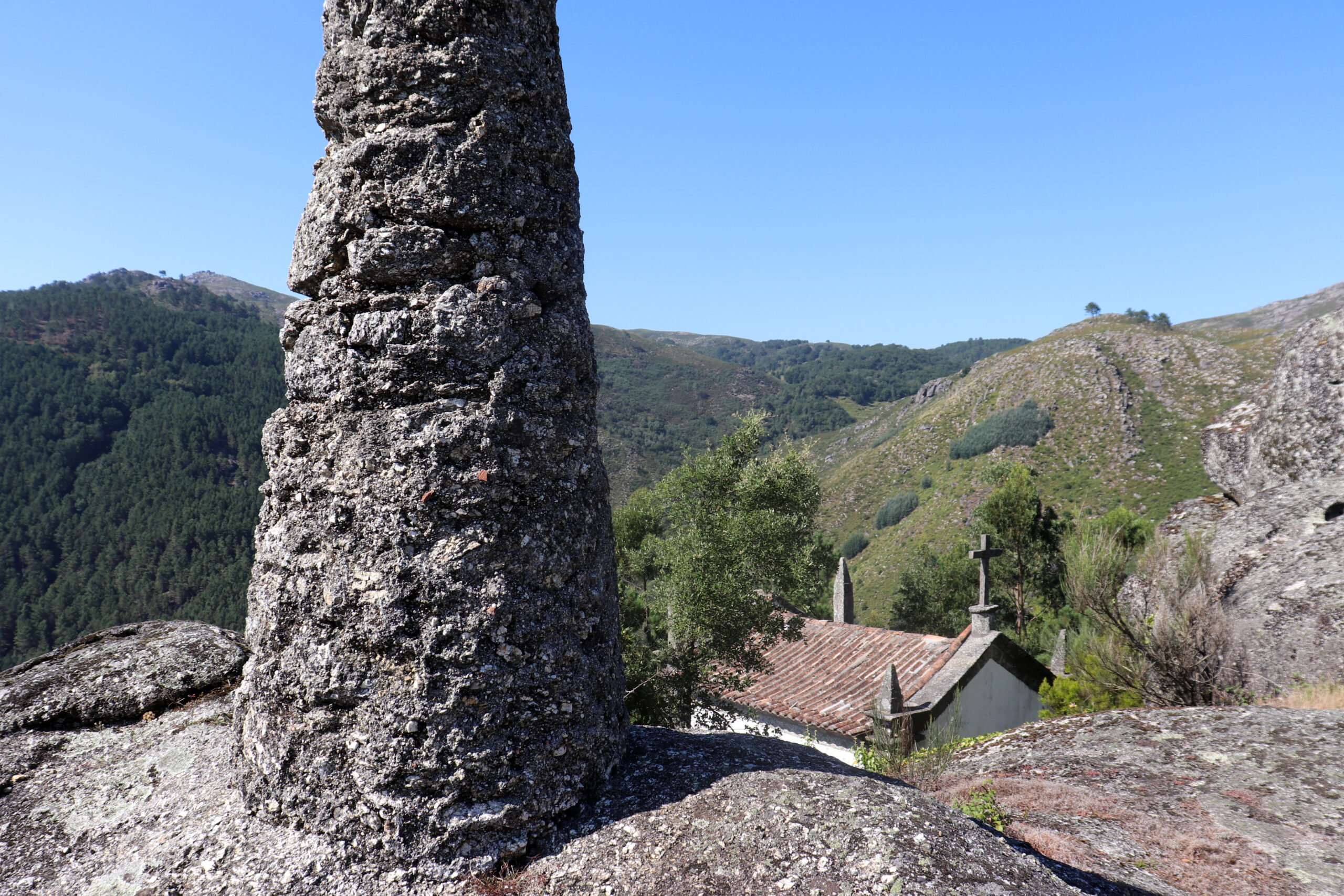
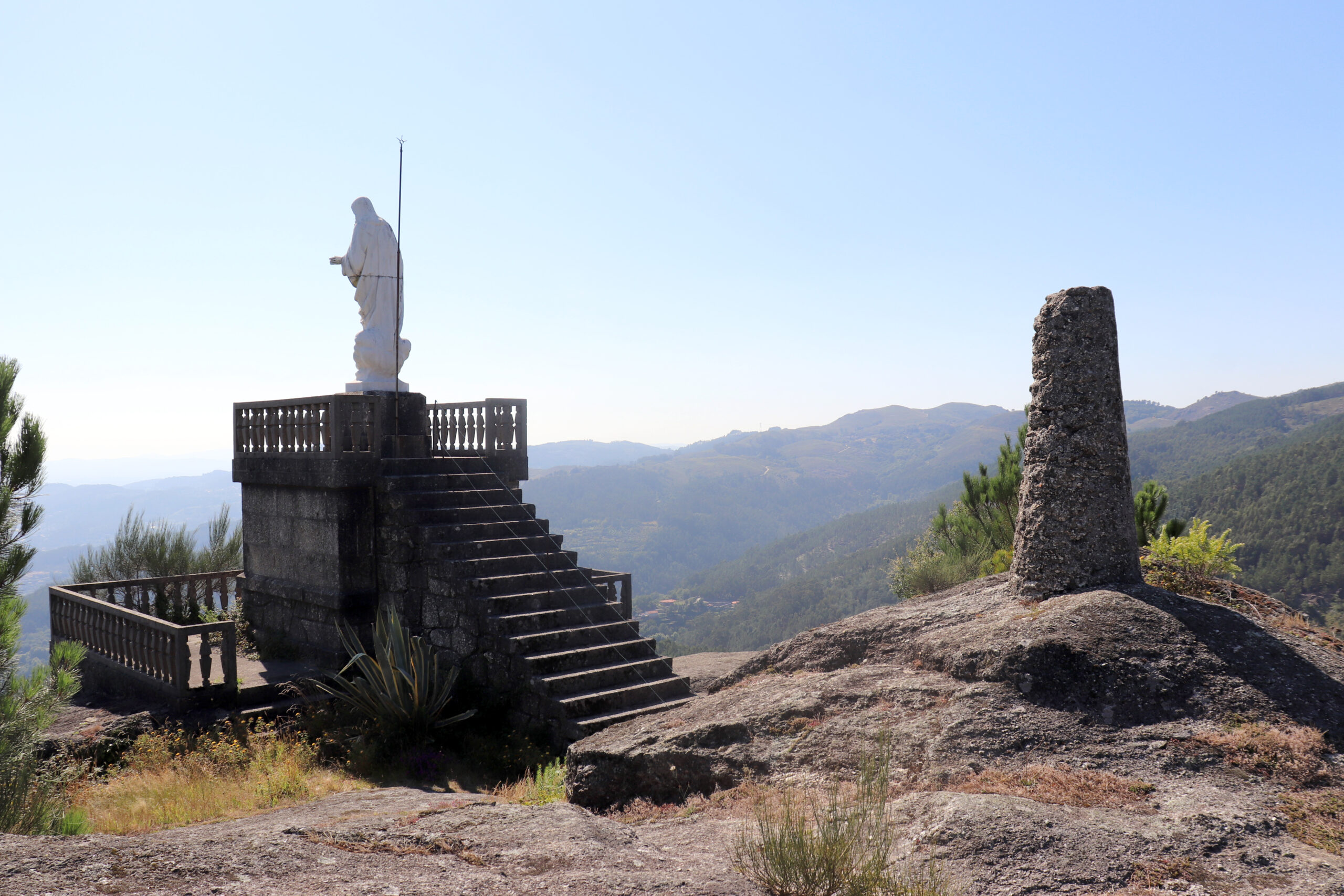
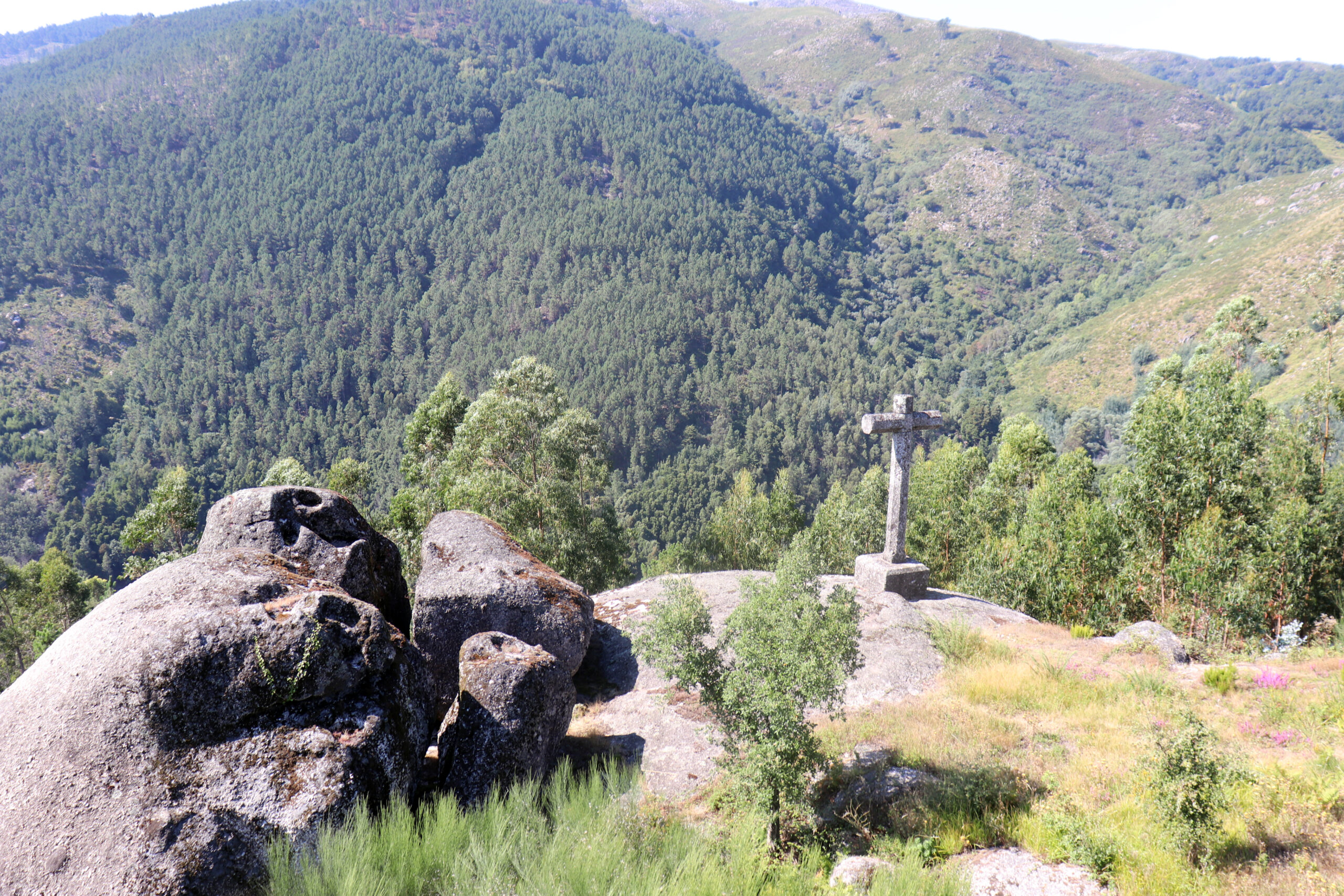
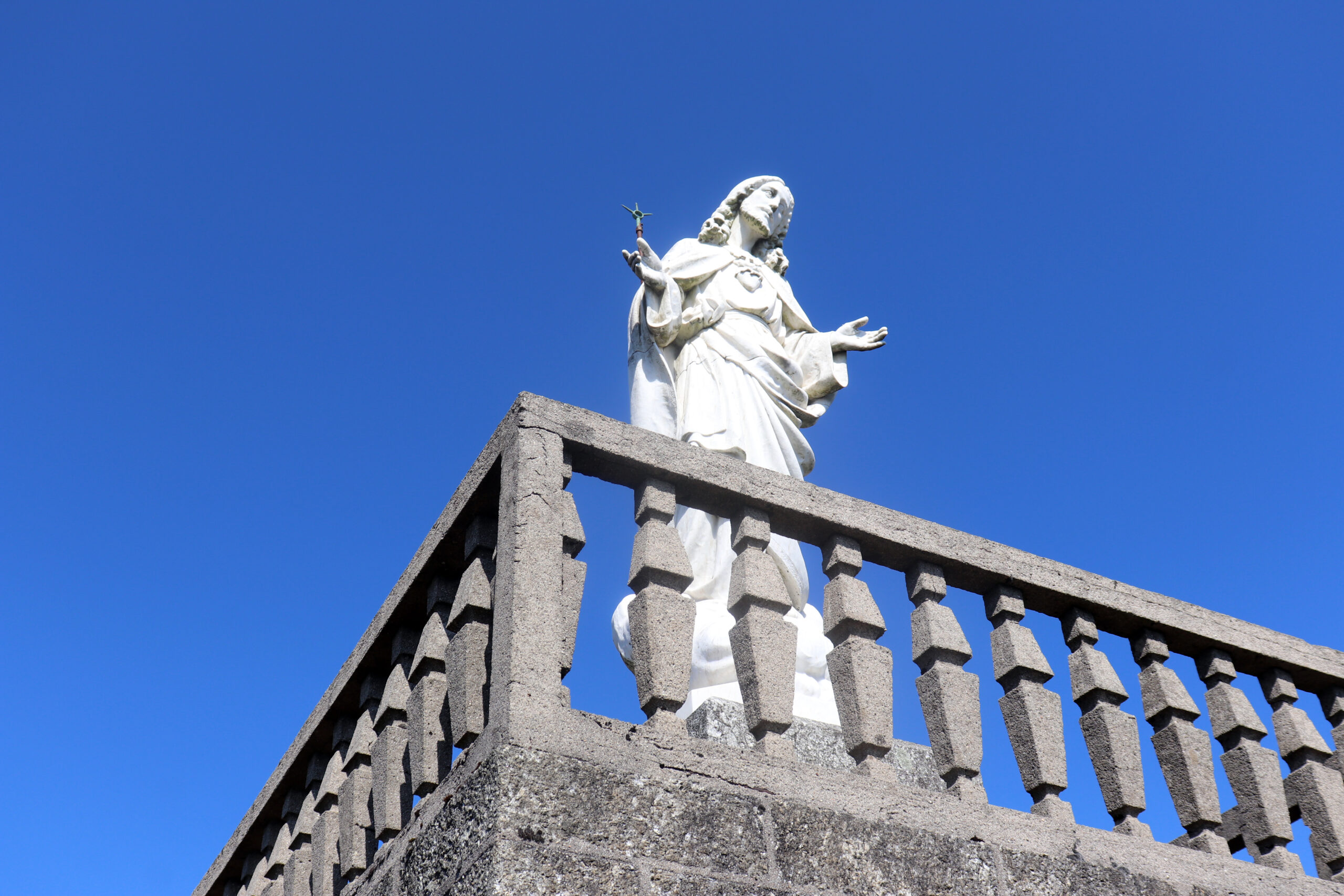
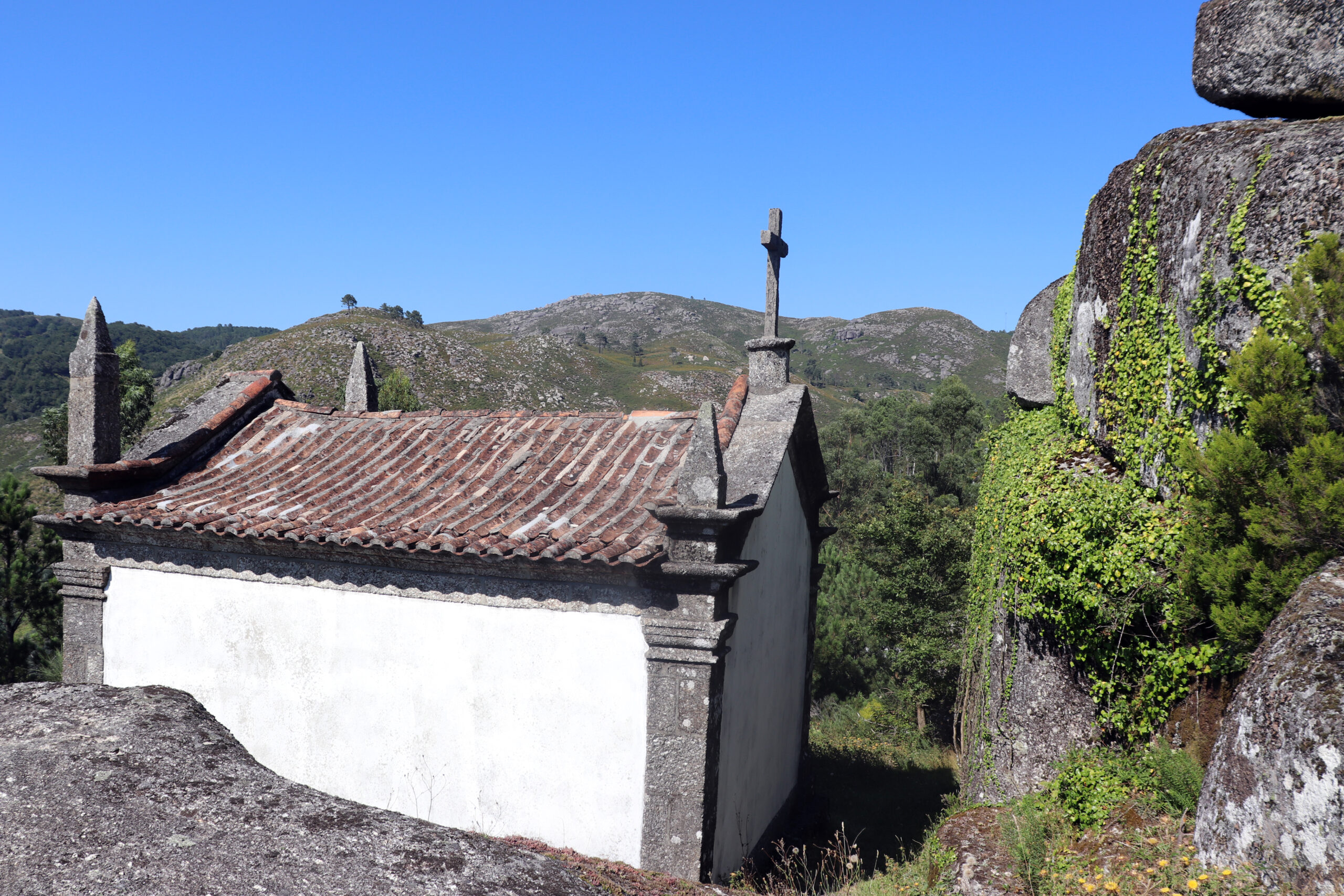
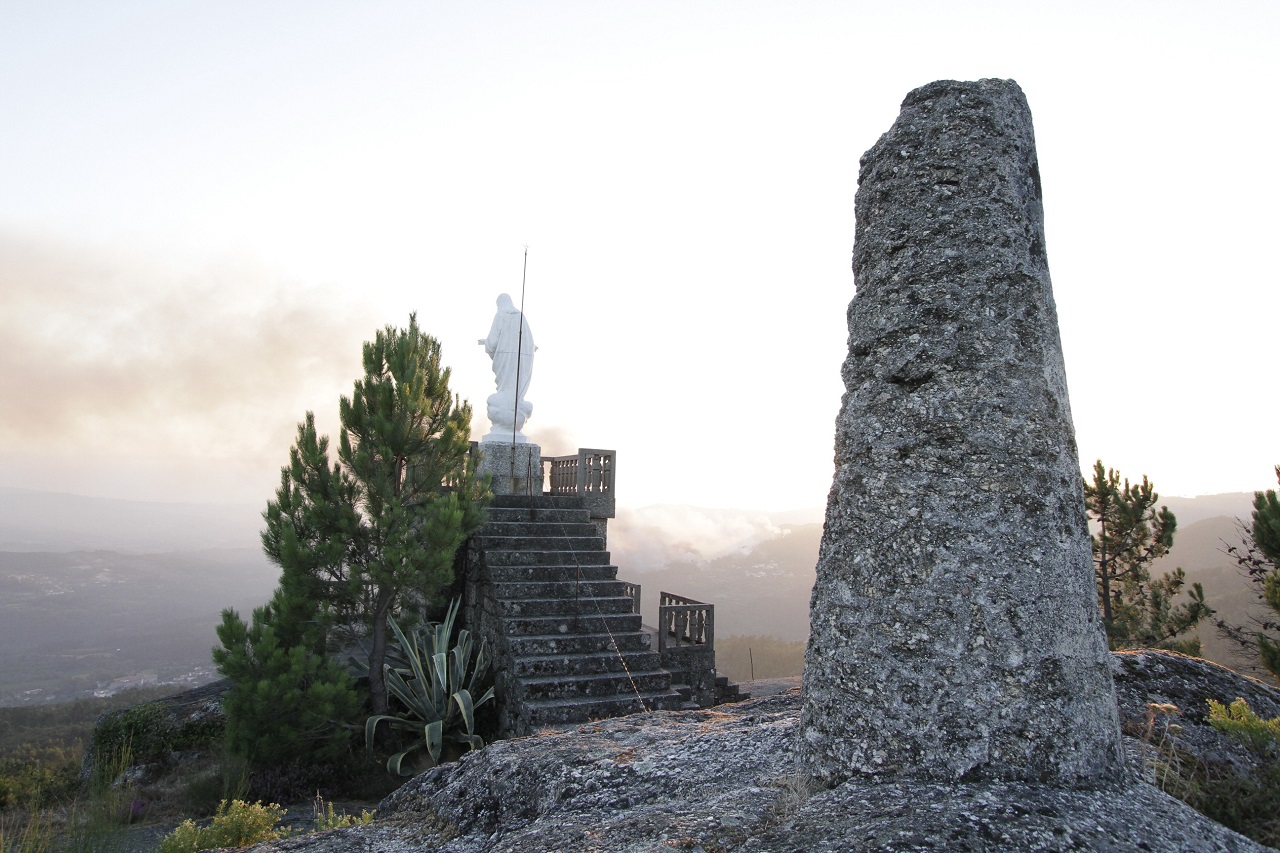
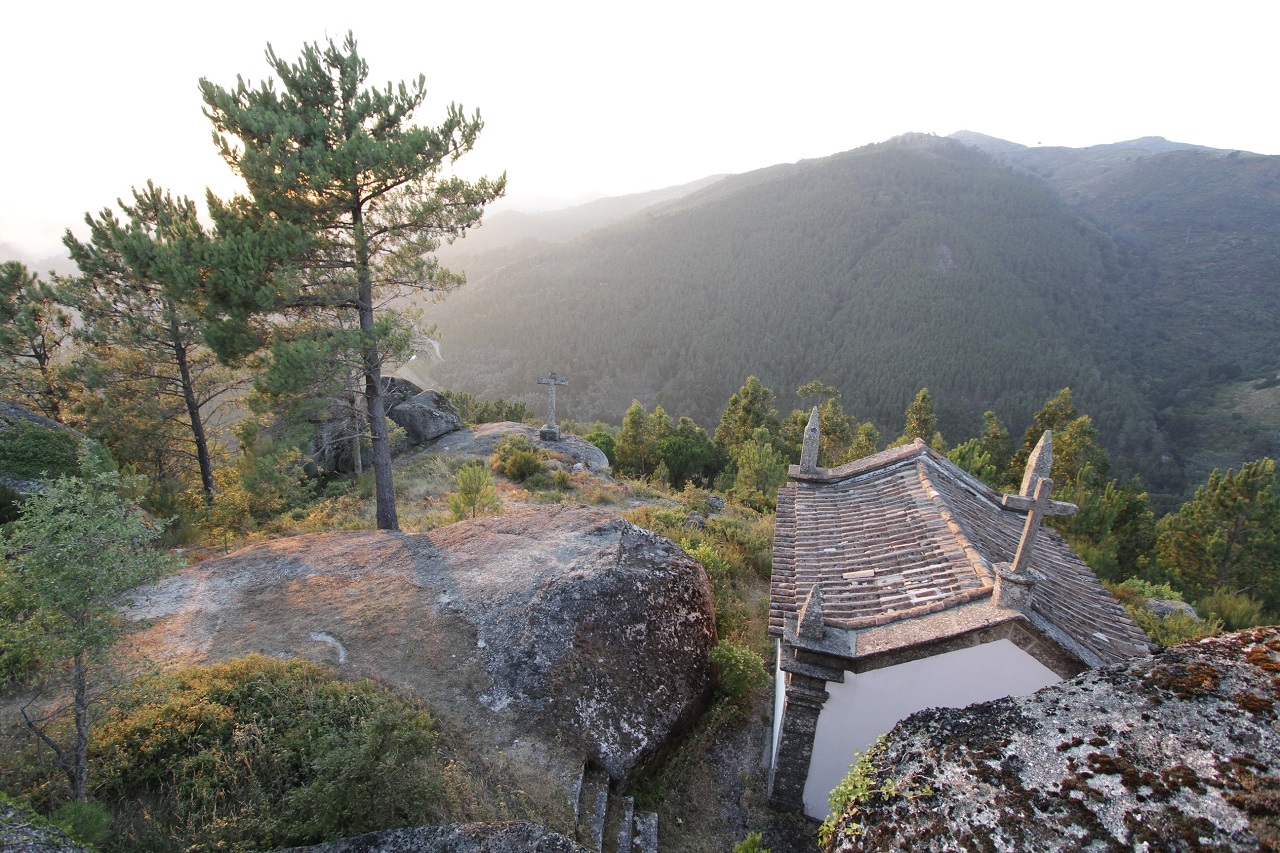
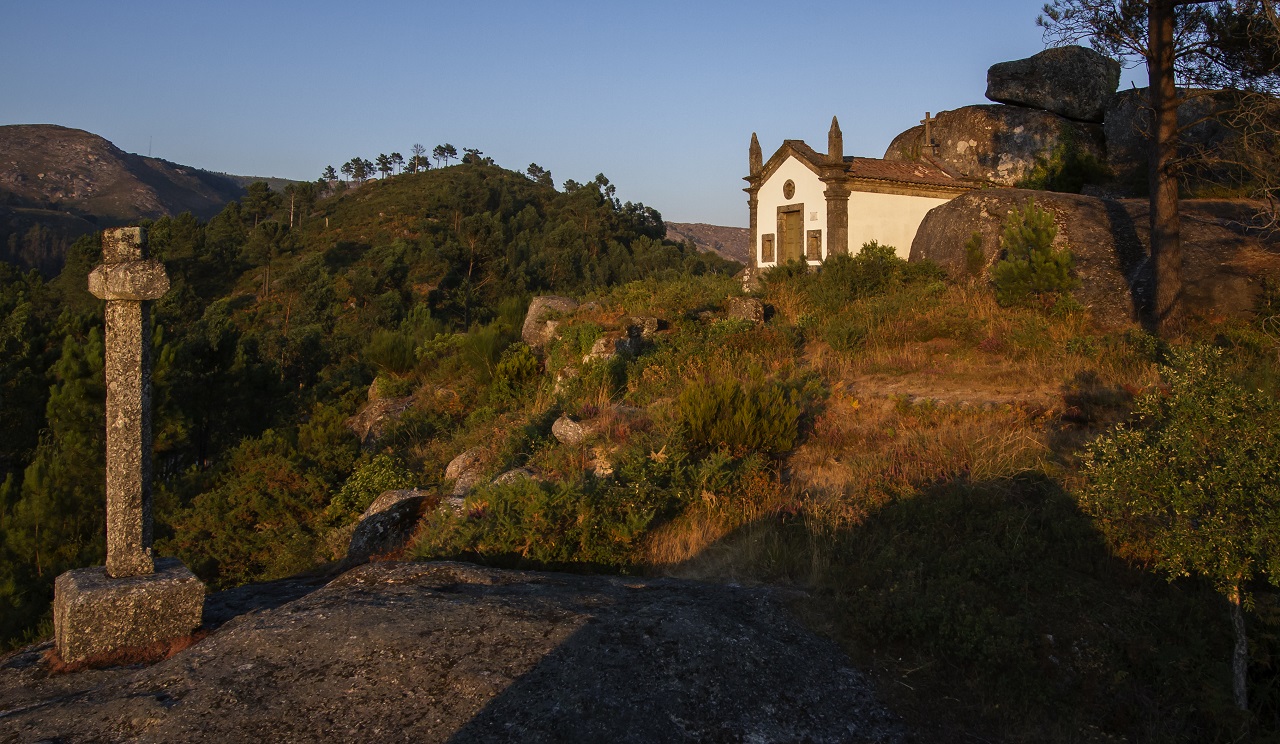
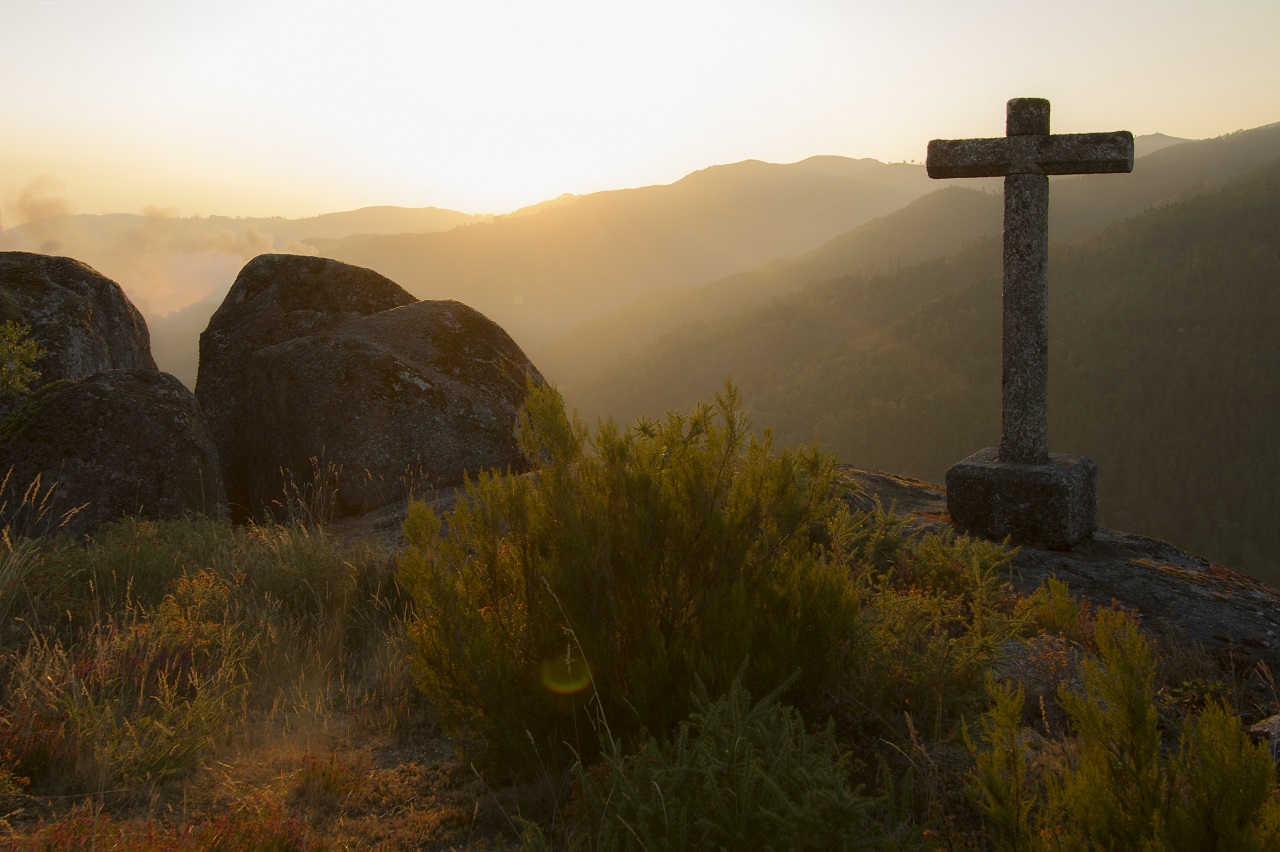
The mount of S. Miguel-o-Anjo is a viewpoint, framed by the rocky mountains of the Abadia, which gives it a good strategic position and excellent visibility over the Cávado valley.
Fragments of pottery from the Iron Age and Roman Period were found at this site.
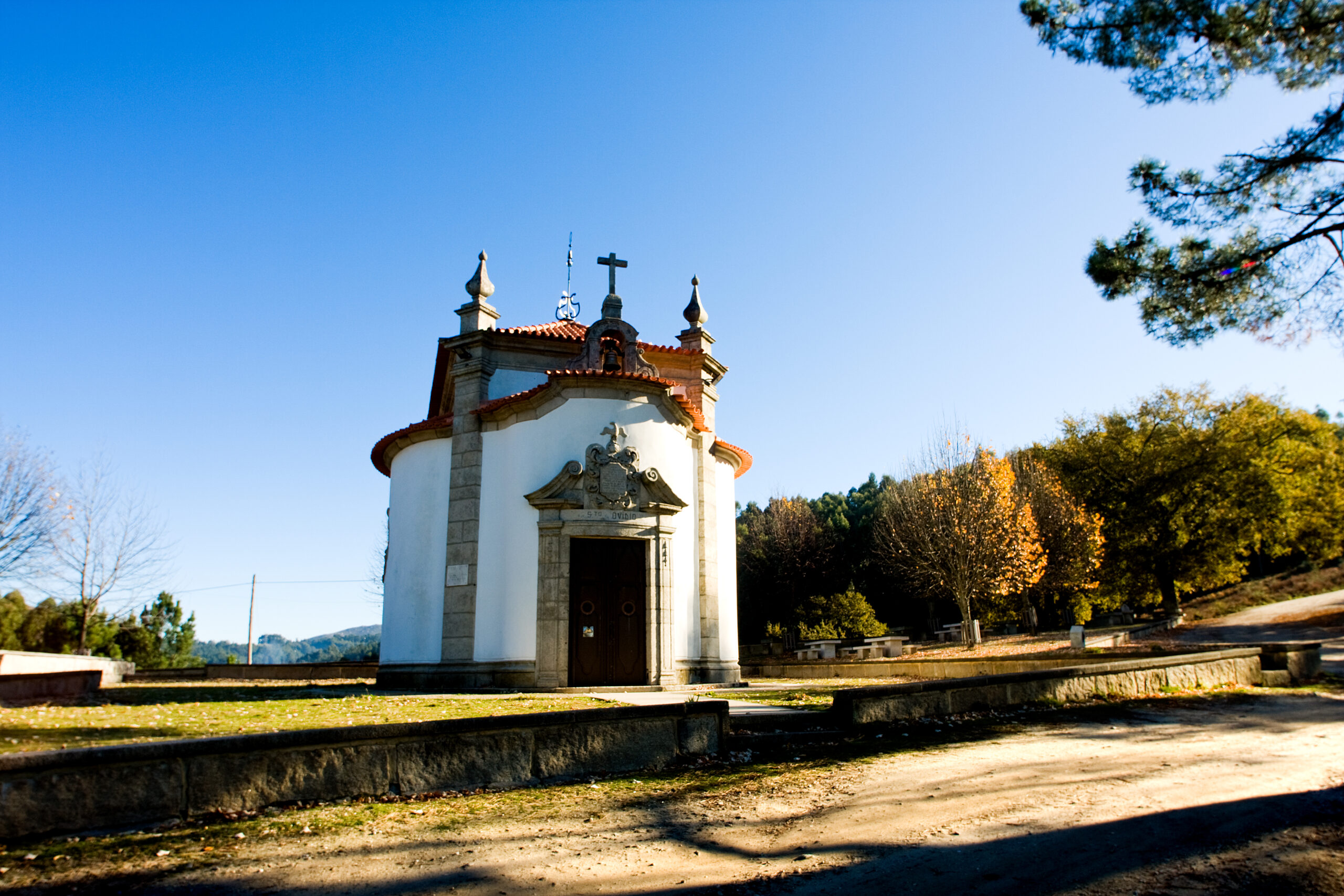
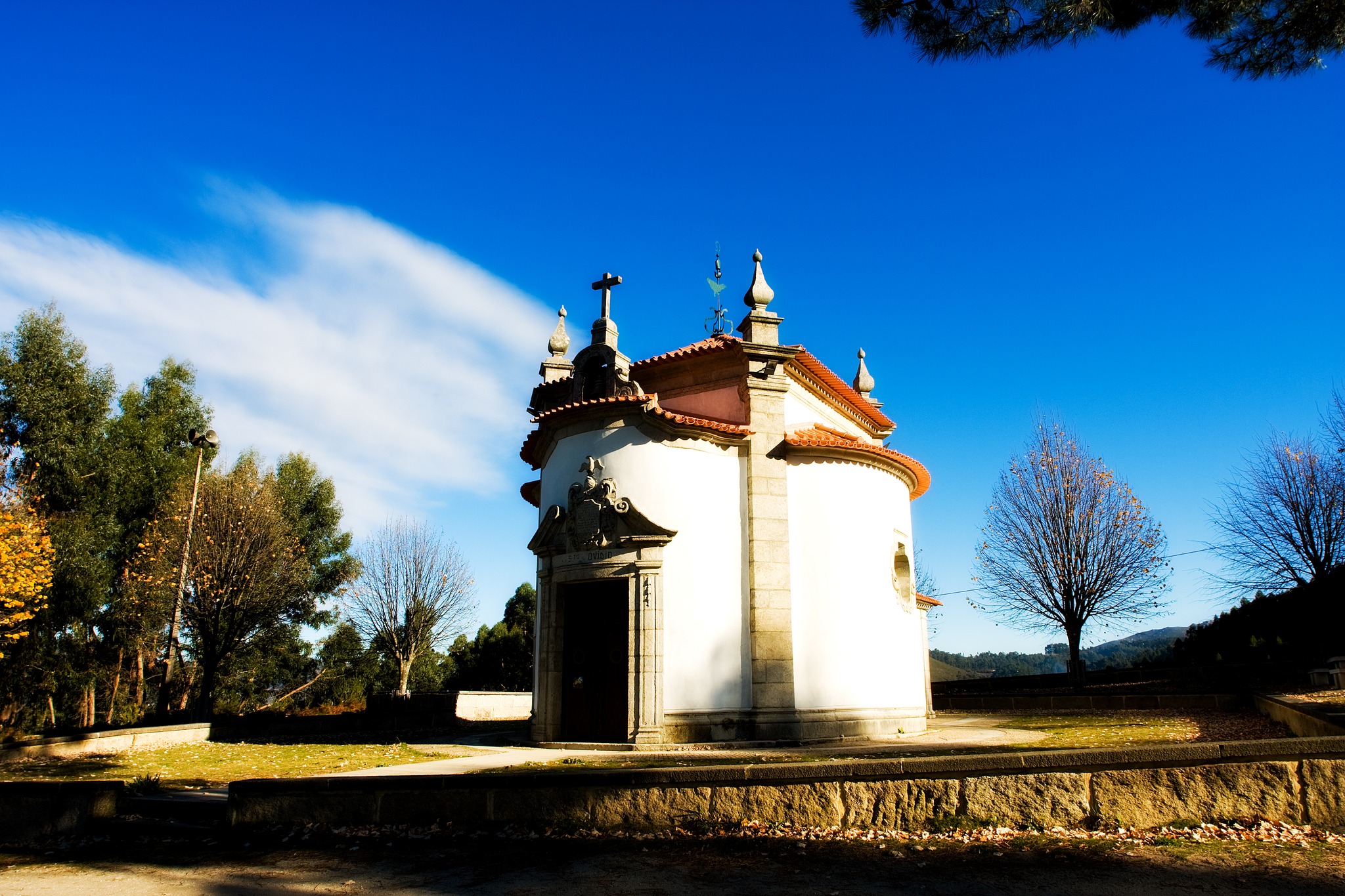
Located on the slope of the S. Pedro Fins mountain in Caldelas (Union of parishes of Caldelas, Sequeiros and Paranhos), the beautiful Chapel of Santo Ovídio was built in the 1830s, in the 18th century. With baroque religious architecture, with a single nave, centralized, quadrangular, with semicircular bodies, it has a plastered façade painted in white, marked by the curvilinear panels of the various bodies. Inside, the main chapel has a main altarpiece with polychrome carvings and marble in red and green, with golden details.
This chapel has the following inscription engraved on the coat of arms of the main portal: “JOZÉ ALVES DE AZEVEDO SERGEANT MOR IN THE DISTRICT OF MINAS DO RIO DAS MORTES, PROFESSED KNIGHT IN THE ORDER OF CHRIST, BORN IN THE CITY OF BRAGA, ORDERED THIS CHAPEL TO BE BUILT IN 1739”, which means that it was built according to instructions and with financing from this gentleman.
Feast in Honor of Santo Ovídio on the 1st Sunday of June.
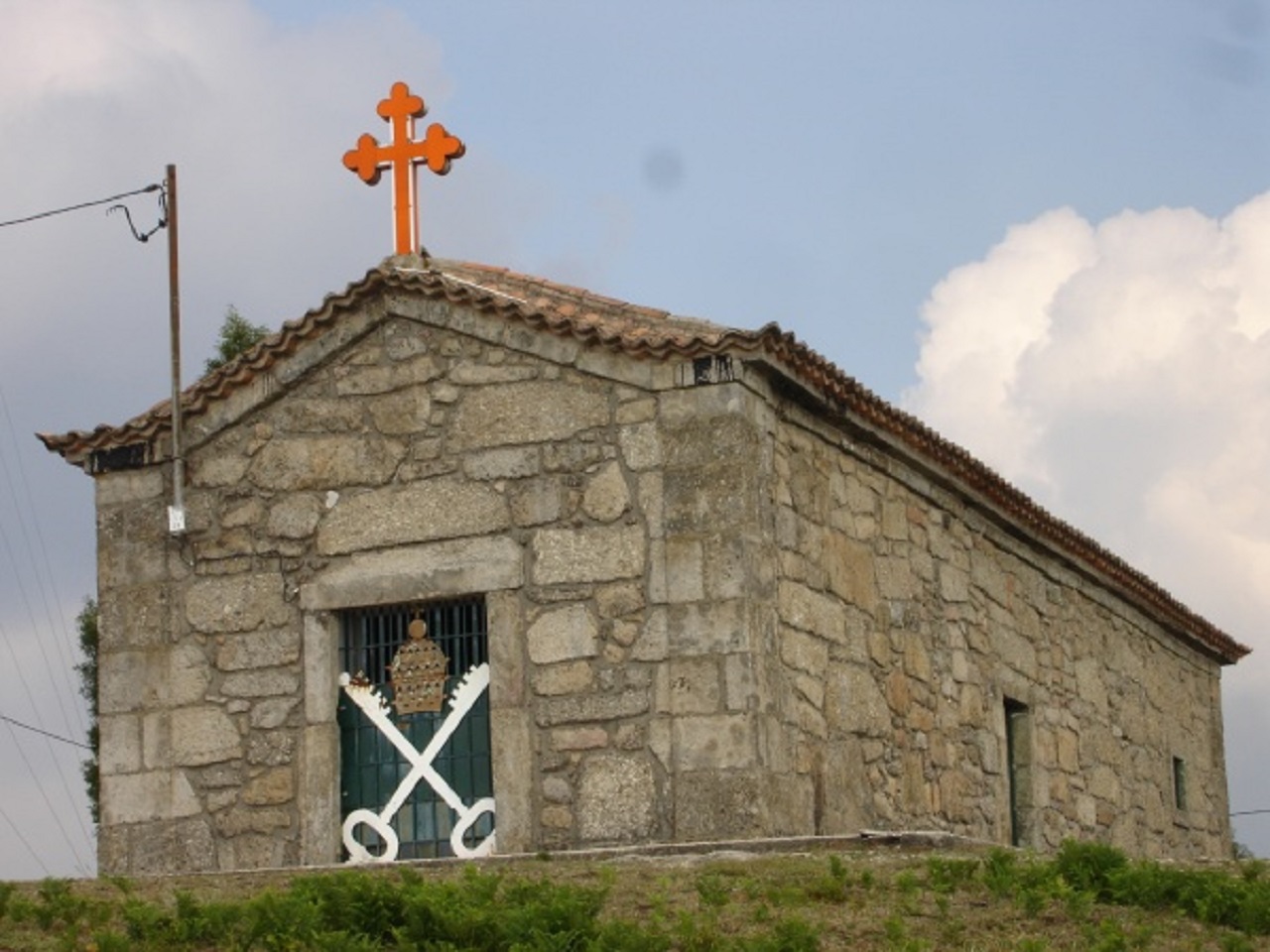
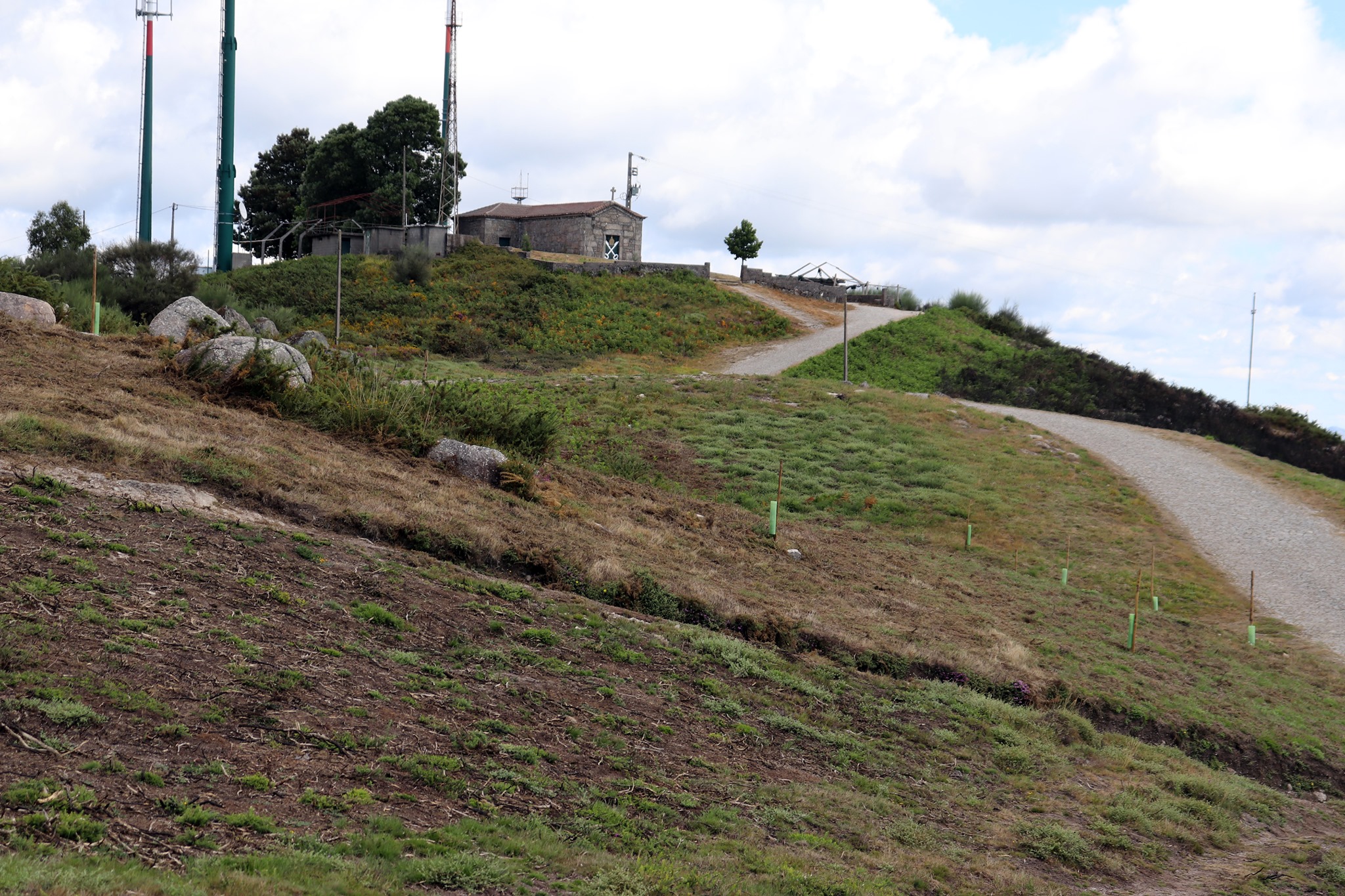
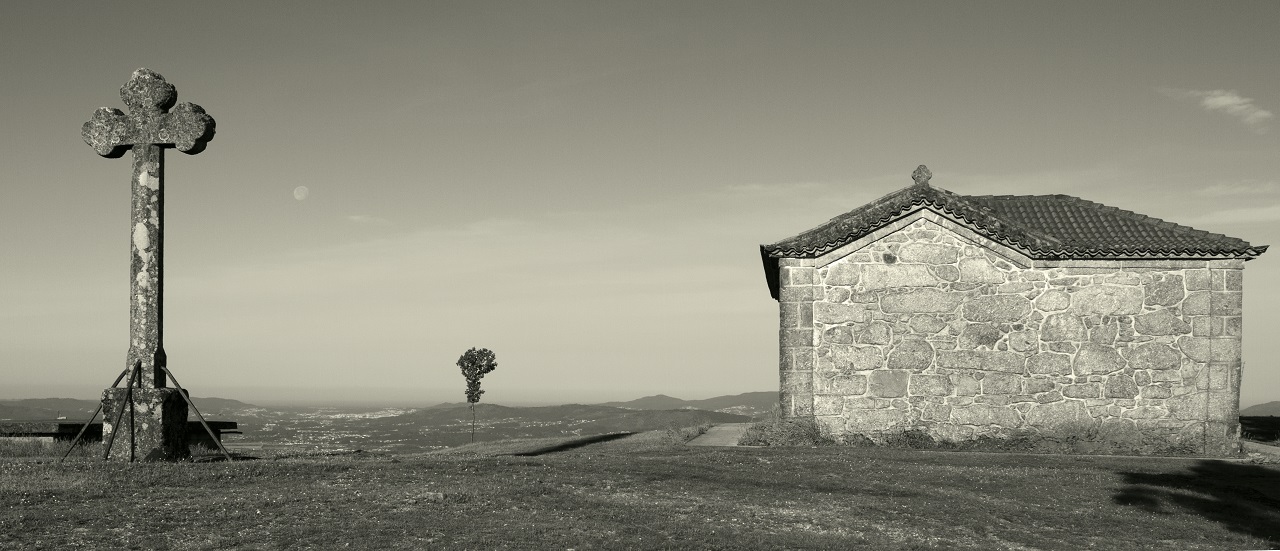
This chapel was rebuilt in 1869 and later, around 1950, improved to withstand the harsh weather and winds that occur during the winter.
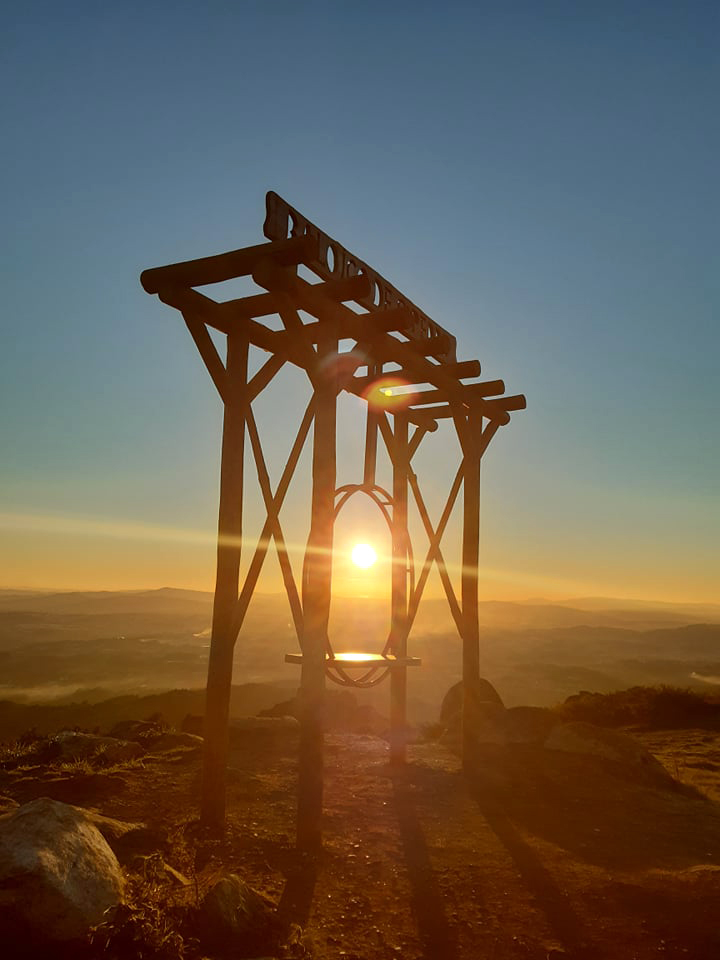
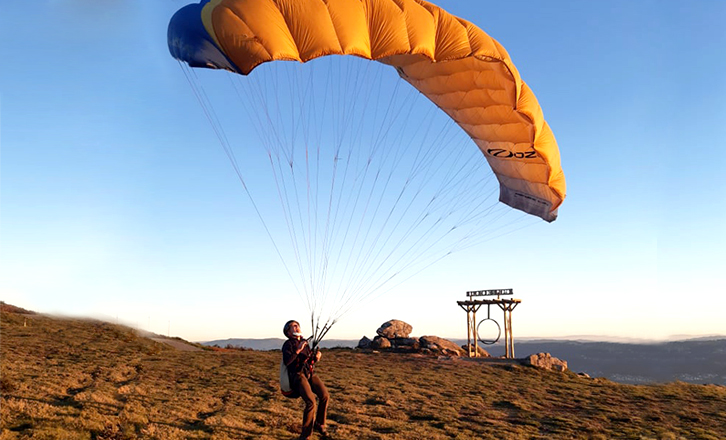
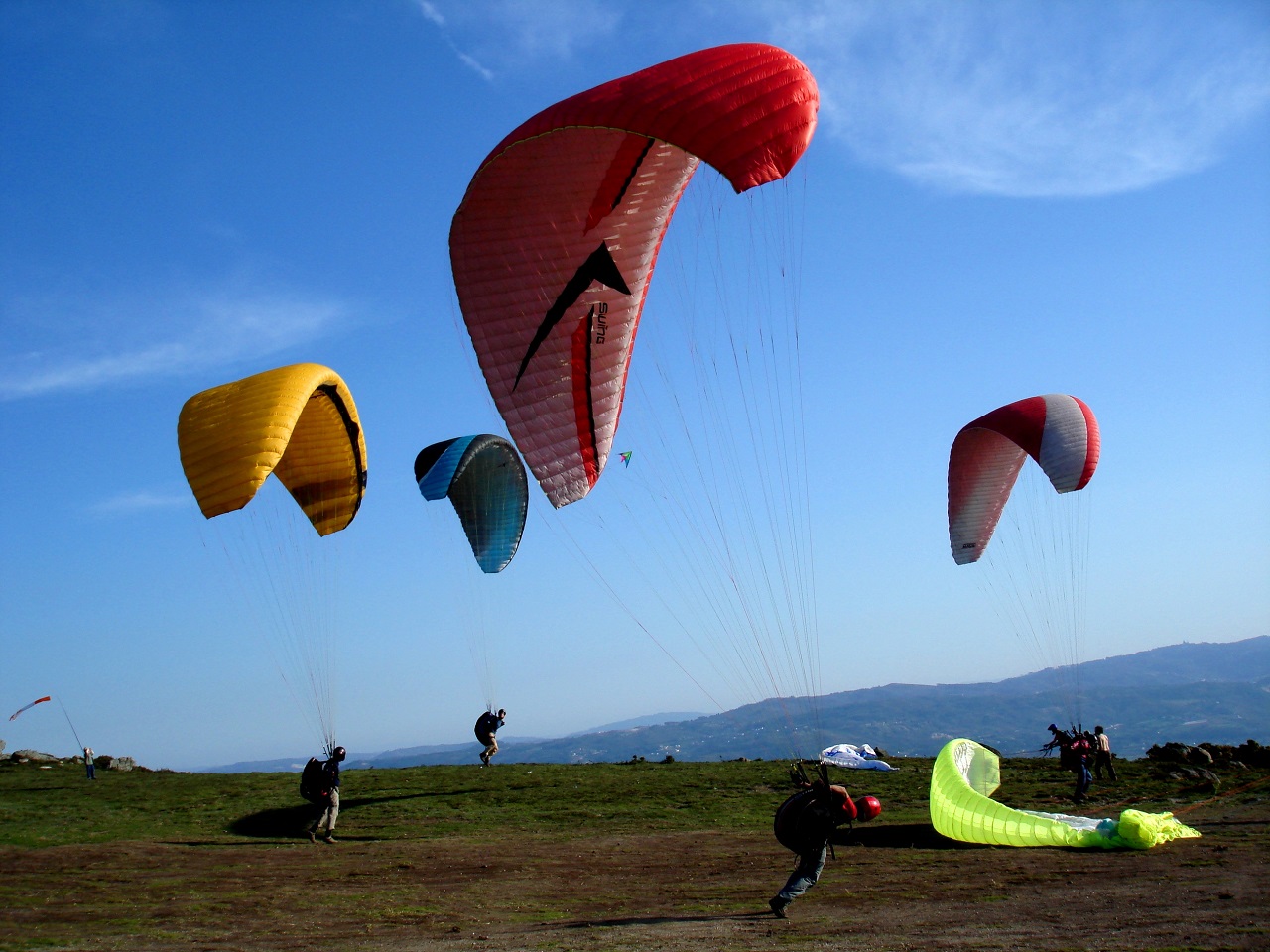
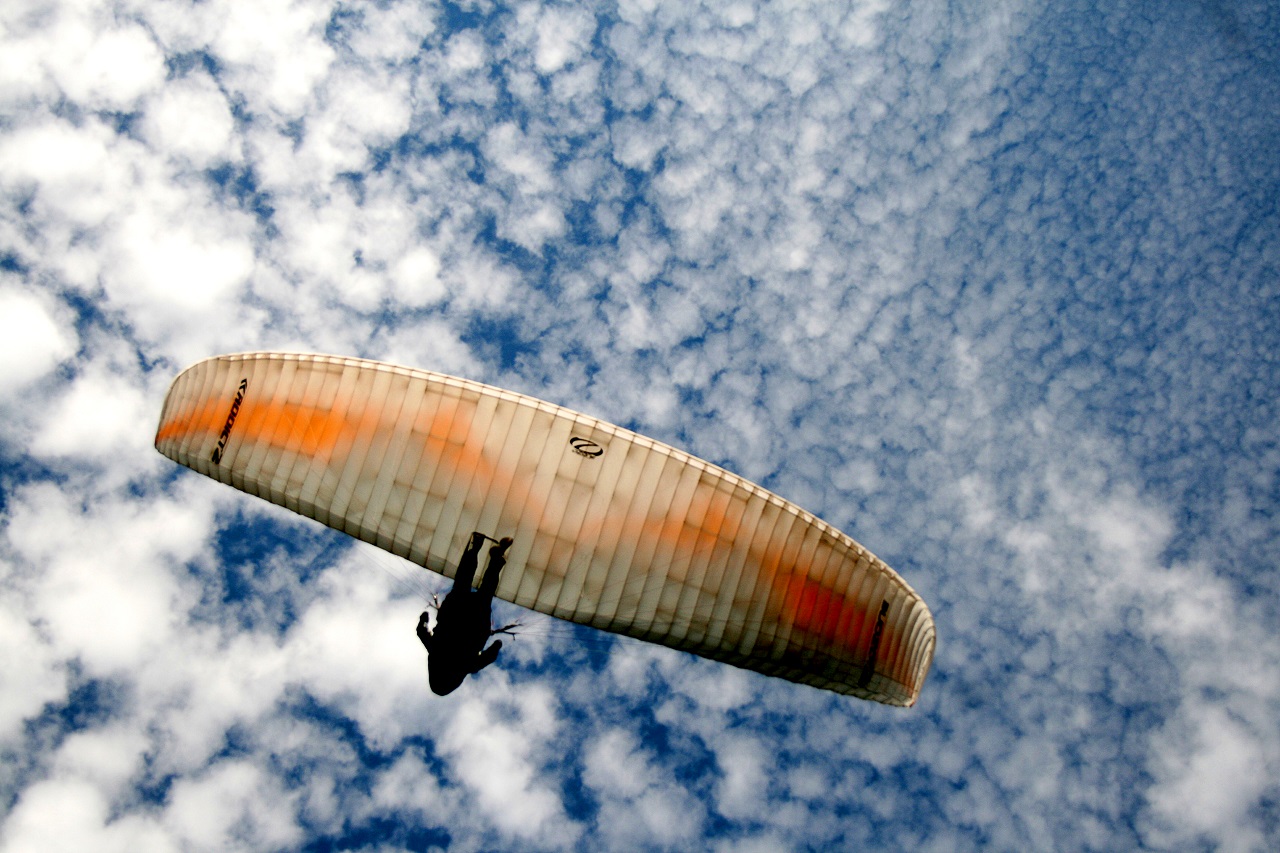
Although it is a chapel with simple architecture, it stands out for its landscape setting and strategic location for paragliding flights.
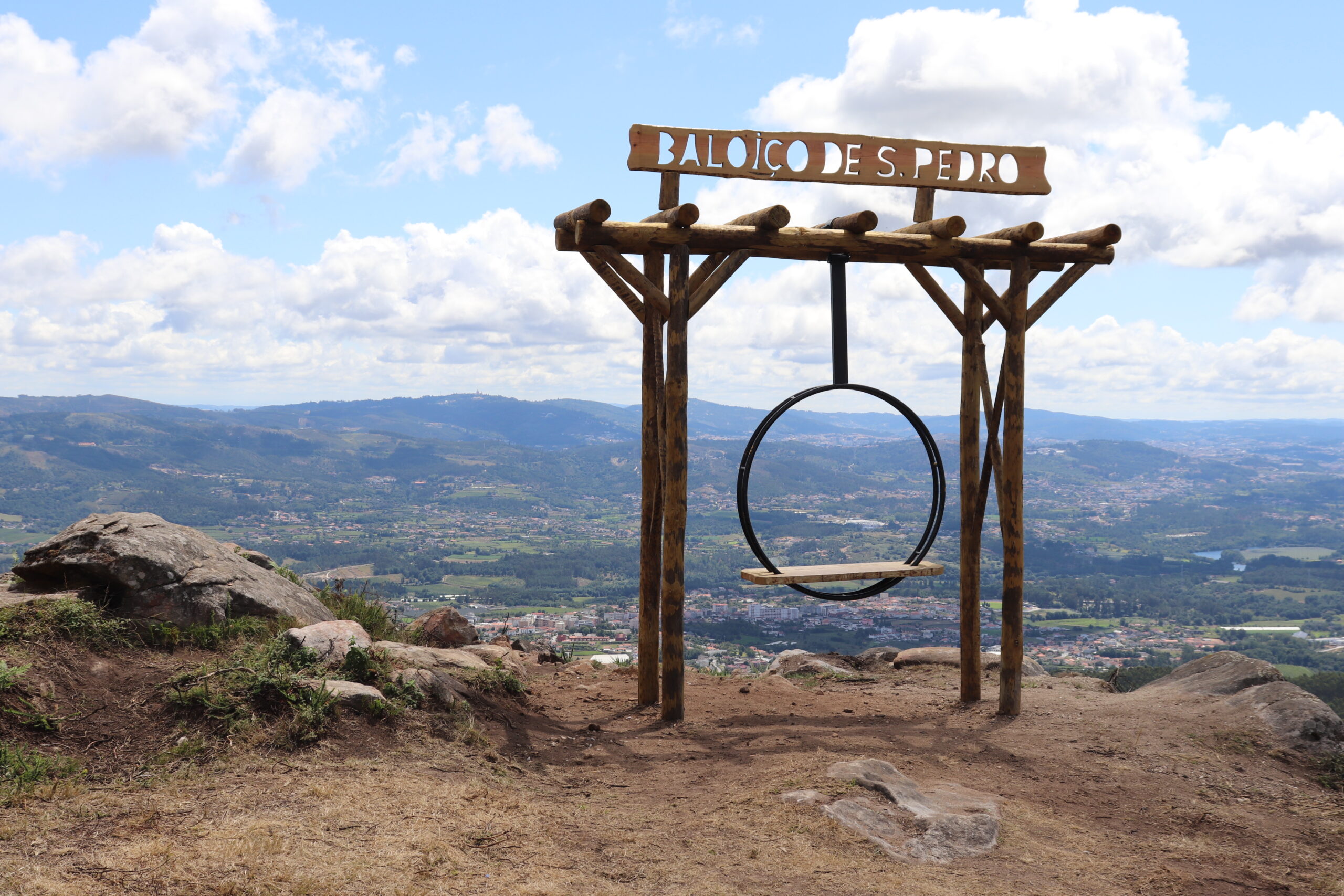
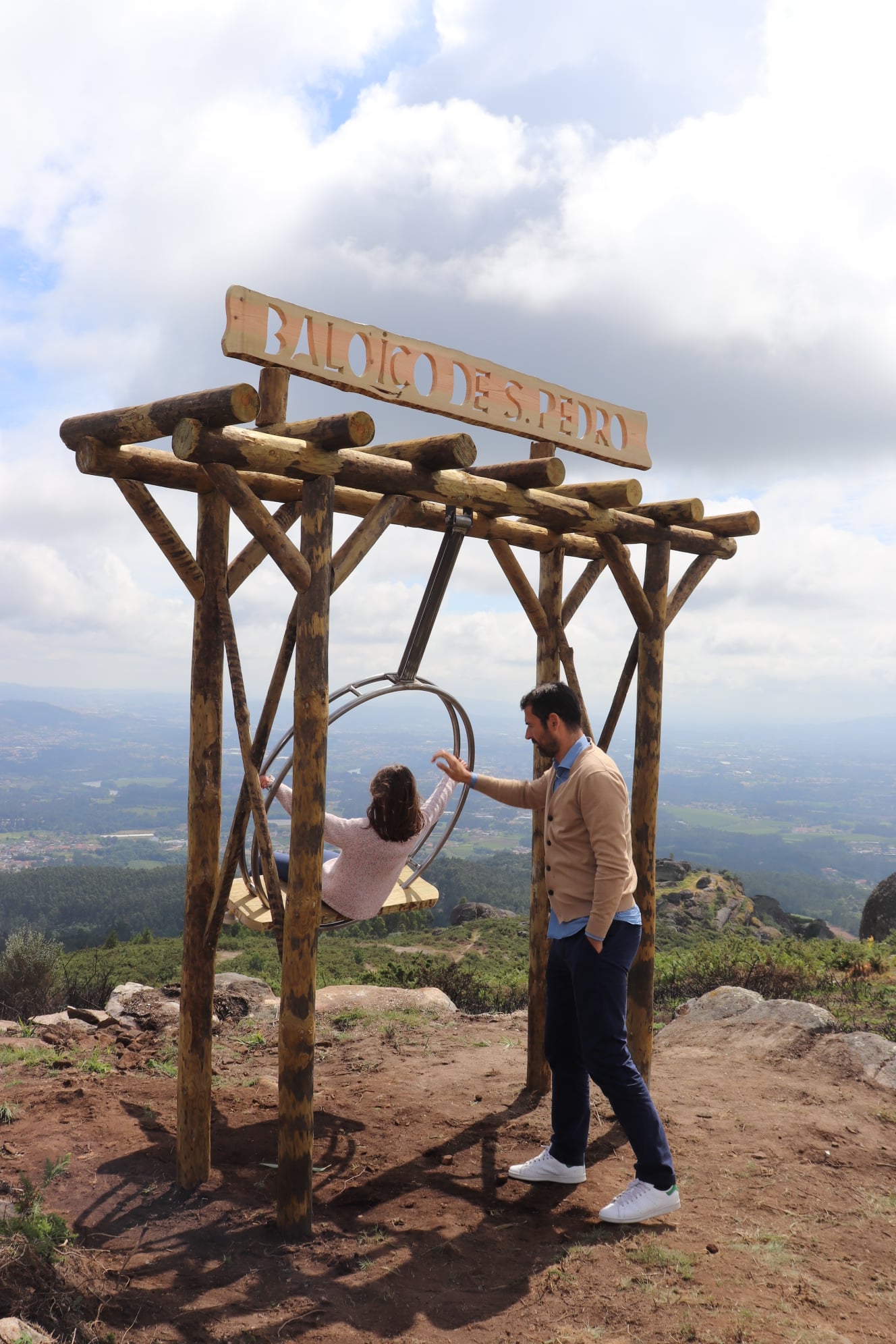
Monte S. Pedro Fins is an excellent place for the more adventurous and offers all paragliders a sensational panoramic view over the valleys of the Cávado River and the Homem River, which is why it is one of the favorite places for all lovers of adventure sports, such as paragliding.
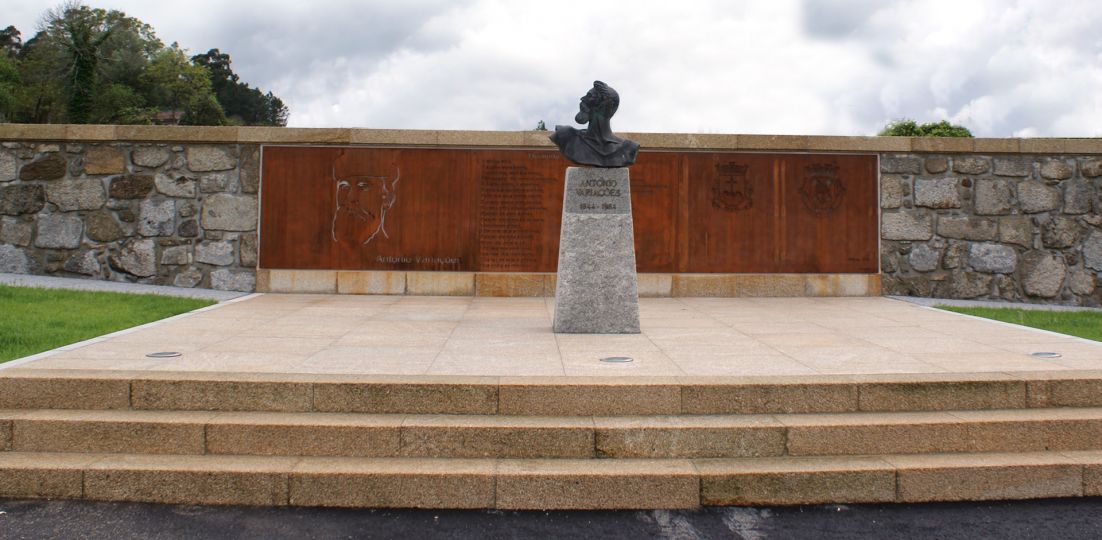
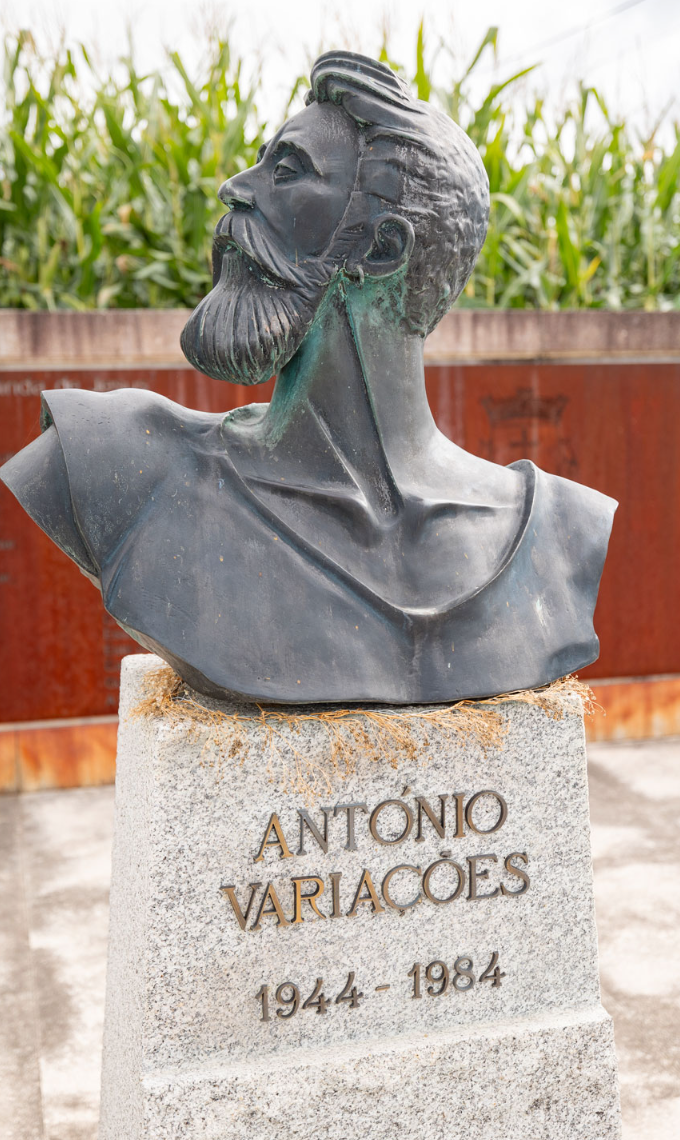
Known as António Variações, António Joaquim Rodrigues Ribeiro, son of Deolinda de Jesus and Jaime Ribeiro, was born in Fiscal on December 3, 1944.
During his childhood he studied at the local school and helped his parents in the fields with daily chores. At the age of 11 he finished primary school and got his first job in Caldelas. At the age of 12 he went to Lisbon where he worked as an office apprentice, barber, shop assistant and sales clerk.
After completing his military service in Angola, he traveled to London in 1975 and Amsterdam where he discovered a new world and learned the profession of barber. This experience led him to work as a barber in Lisbon during the day and at night he dedicated himself to music, performing shows where he already showed off his eccentric look with colorful clothes and original accessories. His songs already combined several musical styles such as pop, rock, blues and fado.
In 1978 he signed a contract with the Valentim de Carvalho record label, but did not release any music. It was only in 1981, on Júlio Isidro’s program “O Passeio dos Alegres”, that his songs became known and he began his career.
In July 1982, now under the name António Variações, he released his first single, with “Povo Que Lavas No Rio” by Amália Rodrigues and “Estou Além”. A year later he recorded his first LP “Anjo Da Guarda”, with ten songs written by him and which would transform him into a popular star on a national scale, with the hits “É p´ra Amanhã” and “O corpo é que paga”.
After touring several festivals and pilgrimages, in 1984 he recorded his last LP entitled “Dar e Receber” and participated, for the last time, in Júlio Isidro’s program “A Festa Continua”.
On May 18, 1984, he was admitted to the Pulido Valente hospital and was later transferred to the Red Cross Clinic, at the request of his family, due to a bronchial-asthmatic problem.
He died on June 13th from bronchopneumonia and is buried in Fiscal, in the cemetery of his hometown, where a bust by the artist Arlindo Fagundes was also placed in his honor.
The songs that were forgotten along with their heritage were recently released by seven Portuguese musicians and are now invading the radio and television stations of our country.
“Variations is a word that suggests elasticity, freedom. And that is exactly what I am and what I do in the field of music. What I sing is heterogeneous. I don’t want to fit into one style. I am not limited. I care about doing things in various styles.”
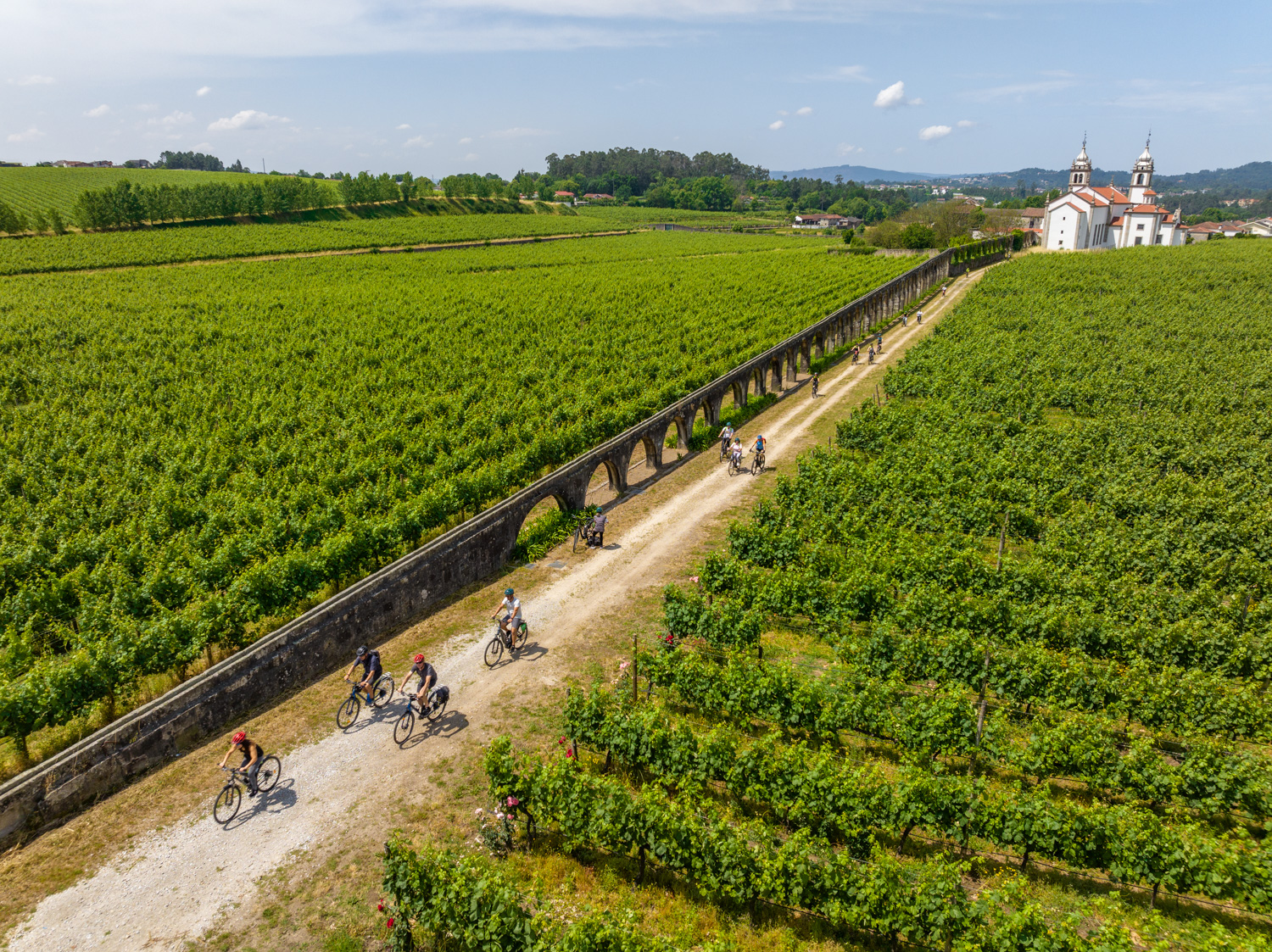
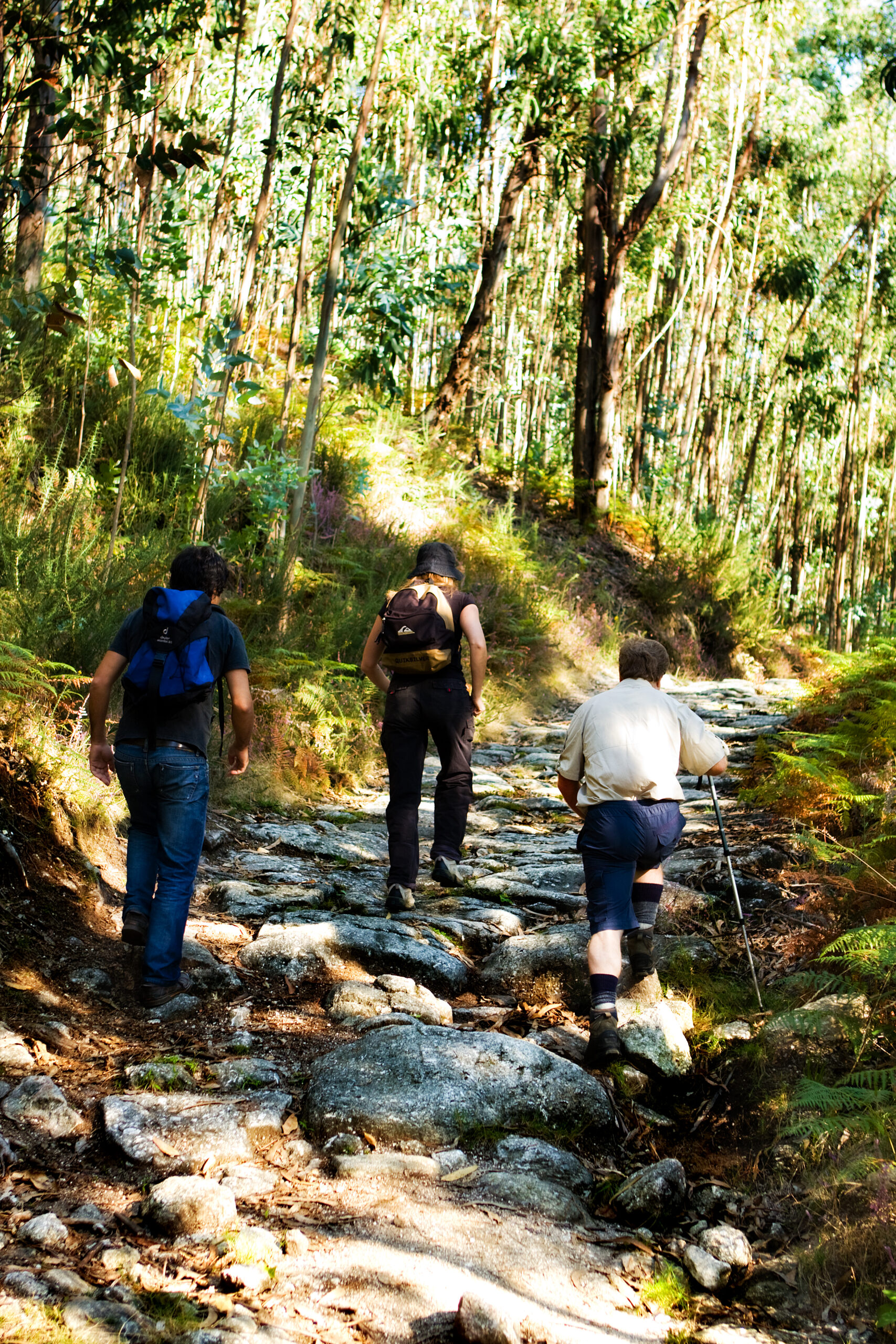
The municipality of Amares presents several vestiges of Roman culture, with emphasis on the route of Geira – Via Nova. This road, built in the 1st century AD, connected Braga (Bracara Augusta) to Astorga (Asturica Augusta) and facilitated access to the mountainous regions.
In Amares we can travel part of this road, starting the route in the parish of Paredes Secas until the parish of Seramil, and then continuing its route through the municipality of Terras de Bouro.
GEIRA – VIA NOVA symbolized the success of the Romanization of the Northwest, facilitating the movement of people, merchants, military personnel and employees between the two capitals. In certain places we can still see the marks of car tires, the quarries where granite was extracted for the milestones, paved sidewalks and ruined bridges.
Although this route is not classified in its entirety, in the territory of Amares we find some milestones that are classified, such as the milestone (fragment) that is located in the parish of Vilela, next to the Parish Church (MN – National Monument, Decree 16-06-1910, DG nº 136 of 23 June 1910).
Start and Finish: Braga – Portela do Homem
Promoting Entity: Various
Scope: Historical-cultural, environmental and landscape
Route Type: Rural paths
Distance to travel: 45.44 km
Difficulty Level: Hard
Recommended Season: All year round
Location: between the parishes of Paredes Secas and Seramil
GPS: GPS 41º39`39.25″N 8º20`11.40″W and Santa Cruz (Seramil) GPS 41º40`46.80″N 8º19`35.63″W
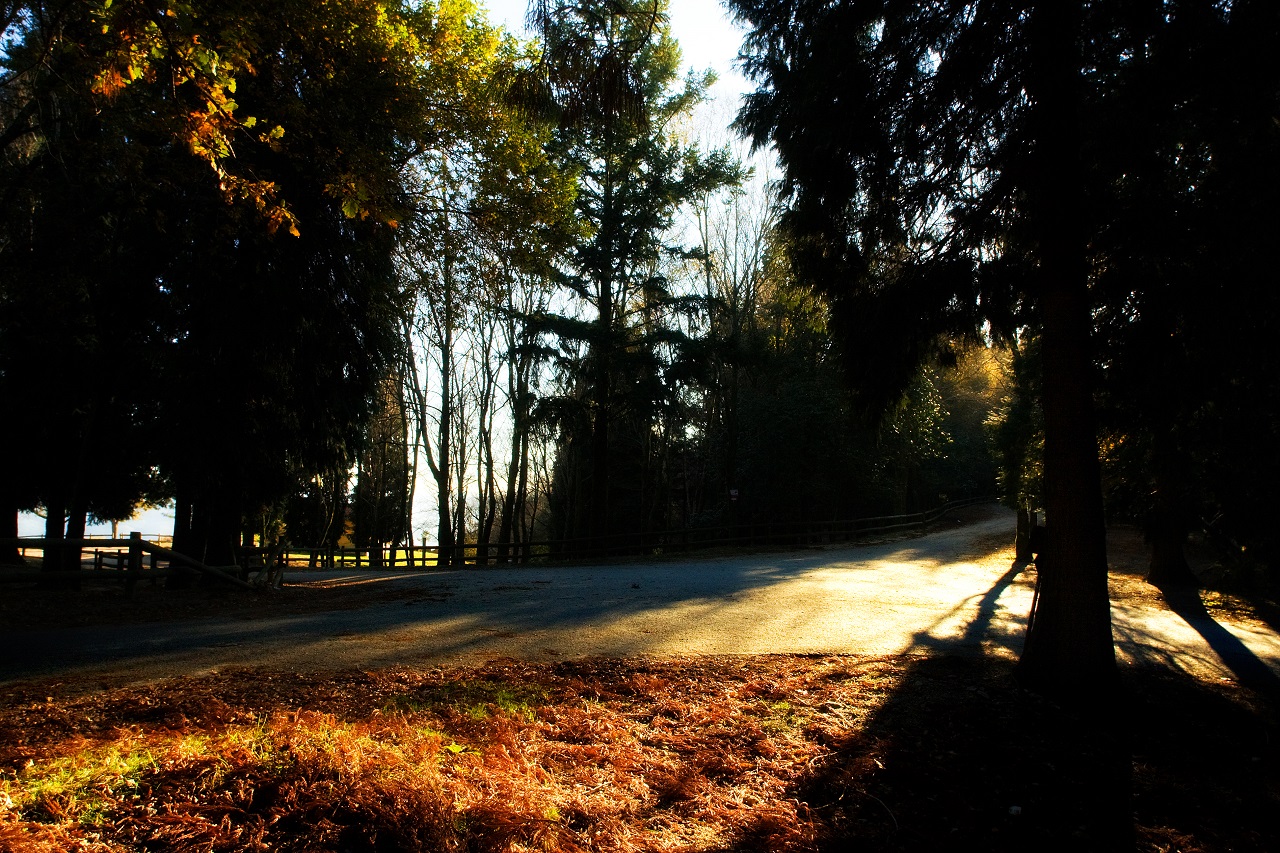
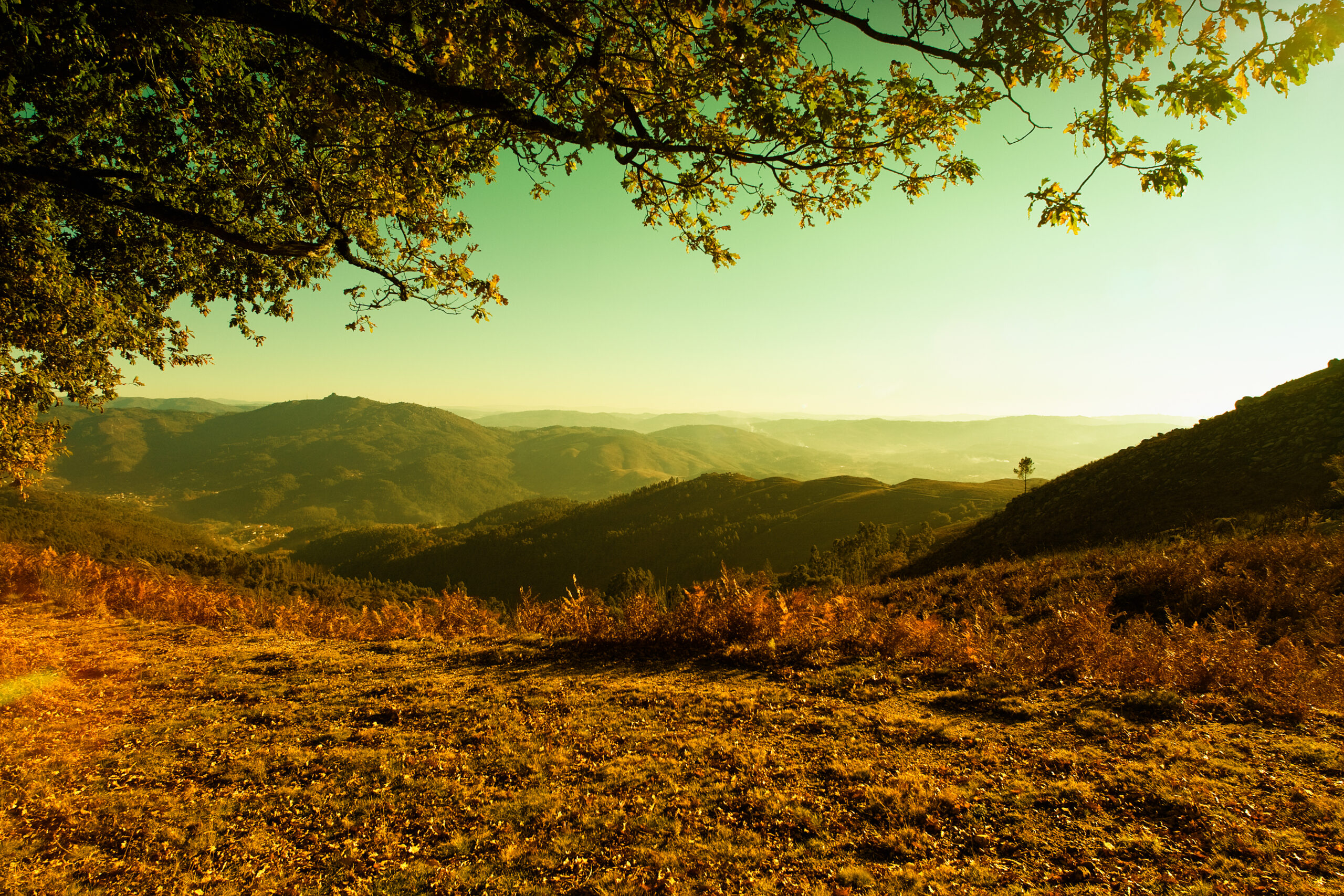
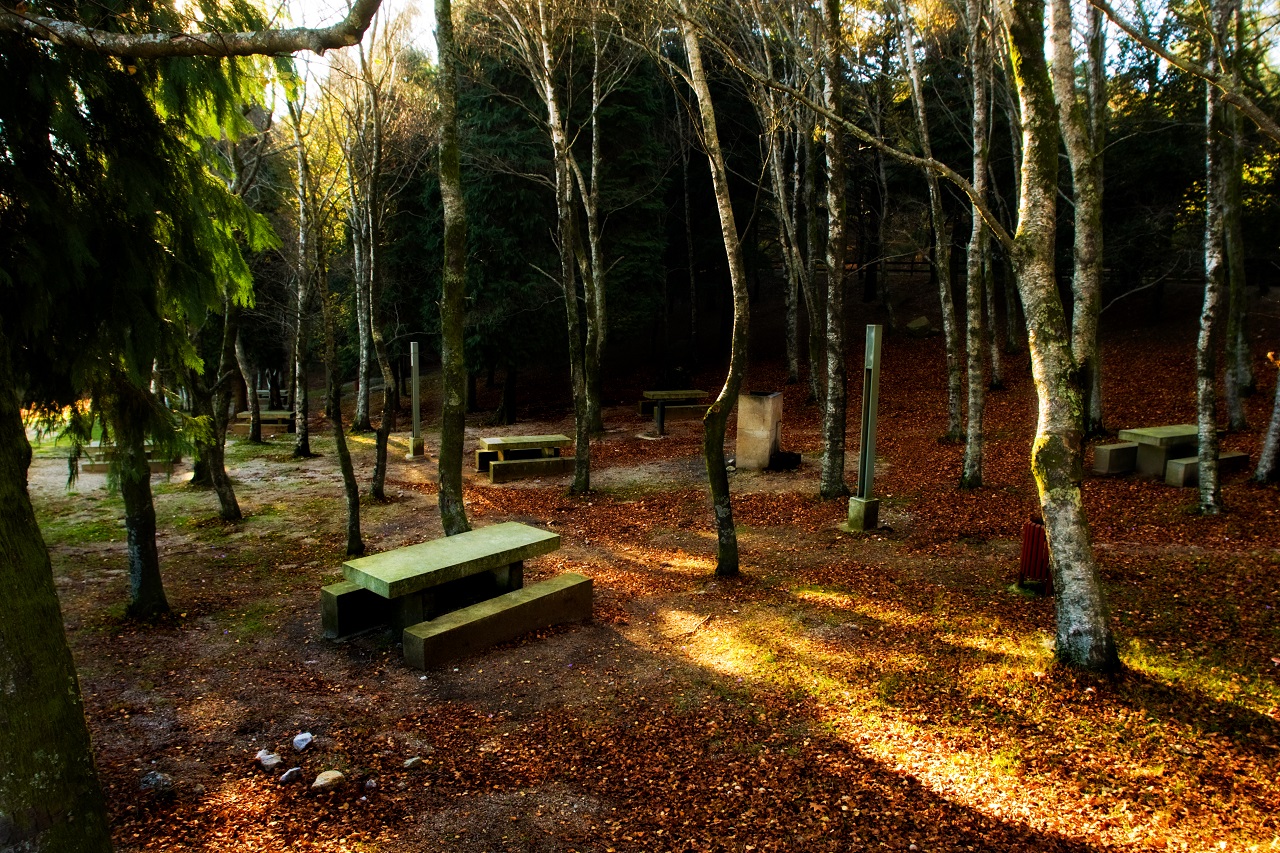
A stop at the “Quatro Caminhos” Picnic Park in Bouro Santa Marta invites you to have a picnic with your family or friends, as well as enjoy the landscape that can be seen on the horizon.
From some of the highest points in Amares, we can enjoy the landscape that looks beautiful. The Quatro Caminhos Picnic Park has good conditions to provide pleasant moments on a picnic, with family or friends. This park is located in a huge forested area that divides the Municipality of Amares from the Municipality of Terras de Bouro.
In the months when the heat is intense, this place is ideal for those looking for a meal in harmony with nature, with some support infrastructure for this.
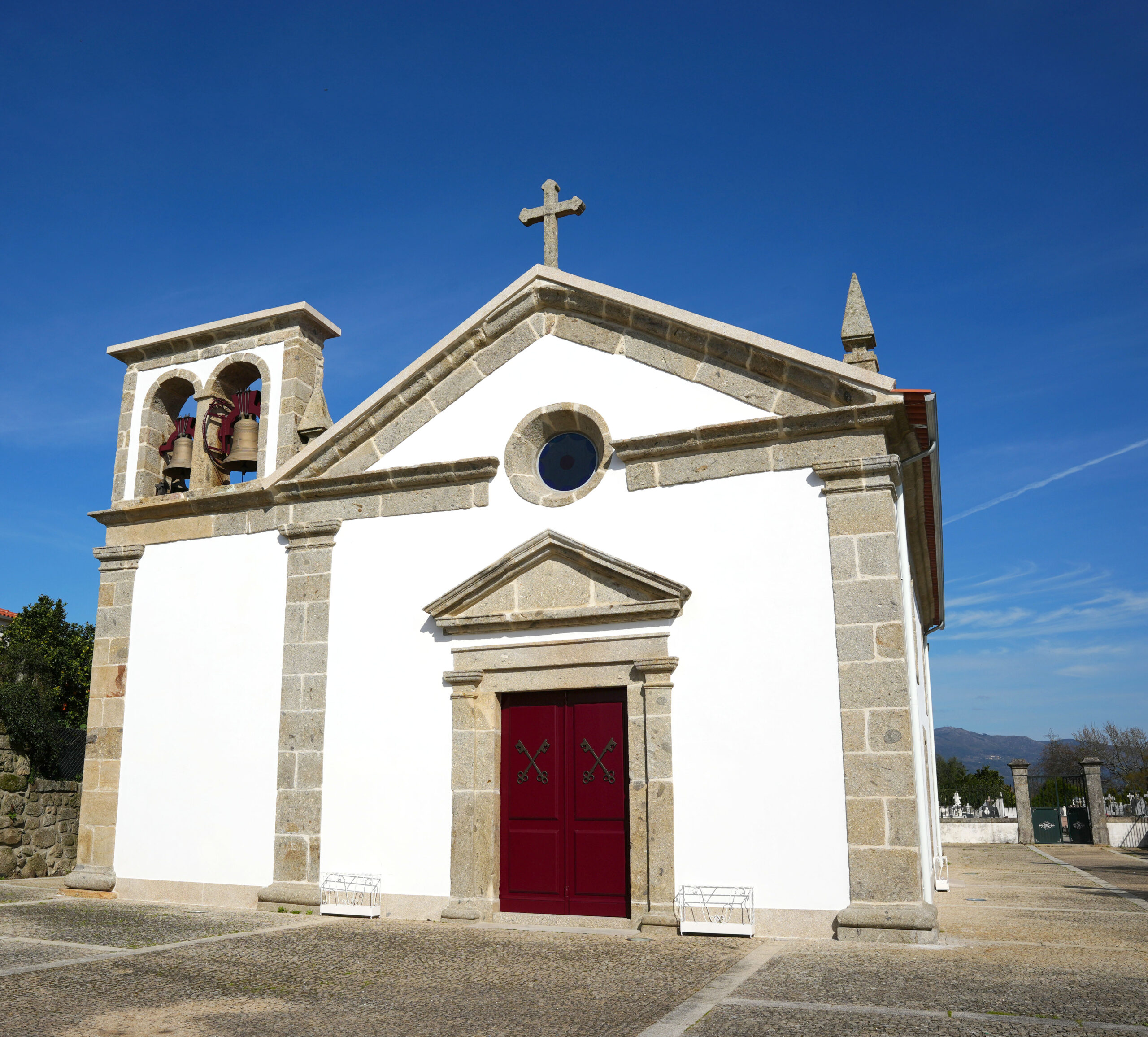
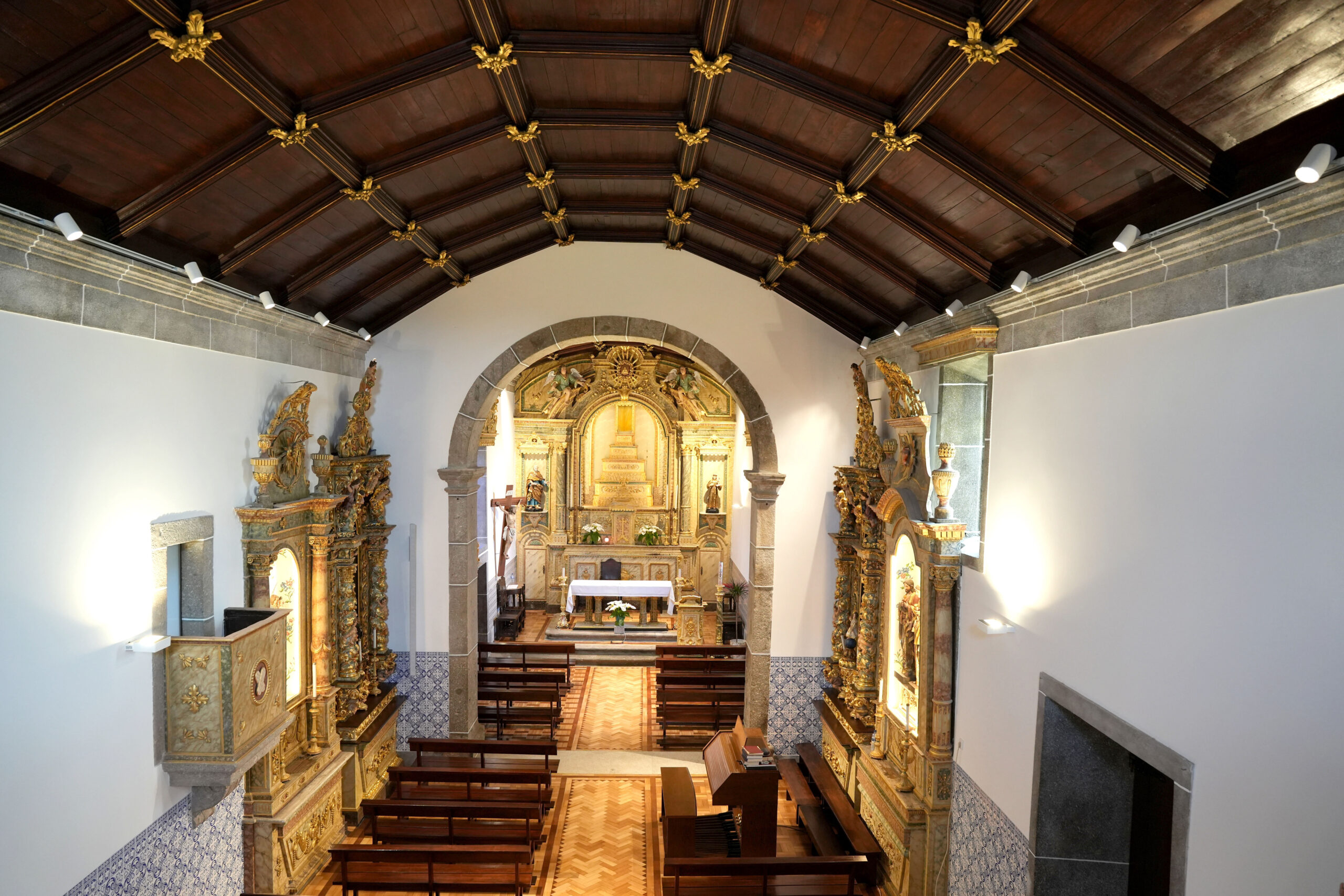
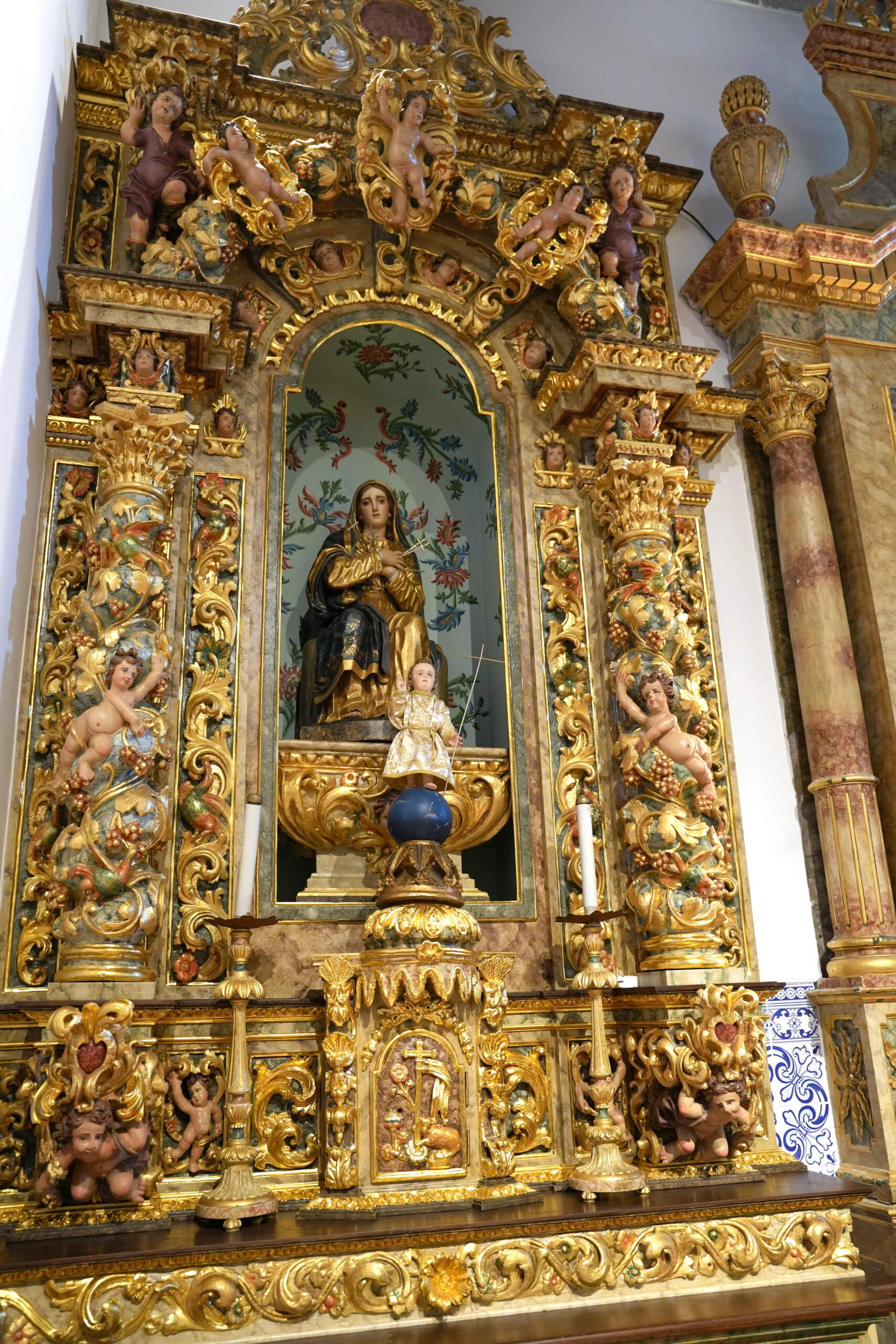
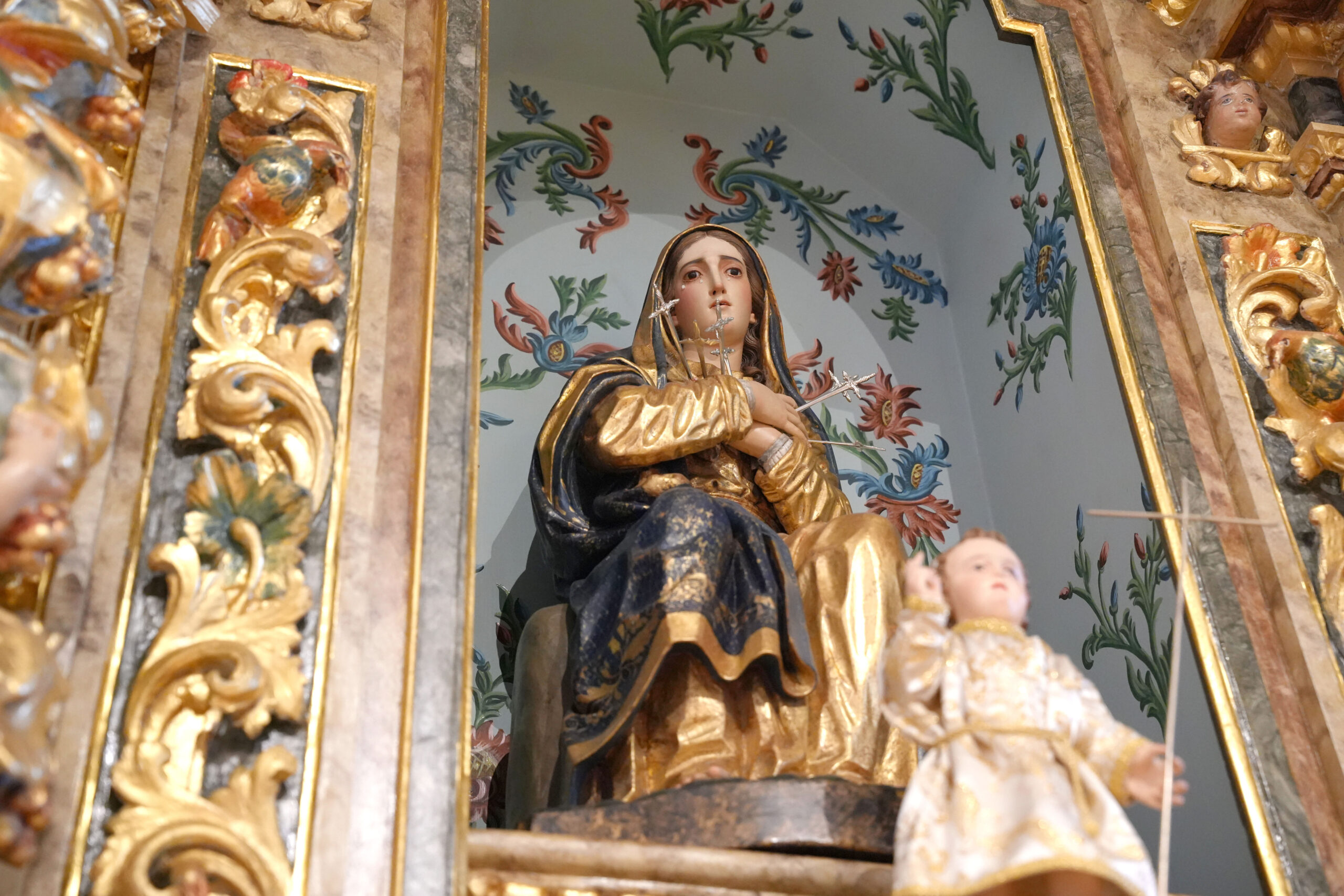
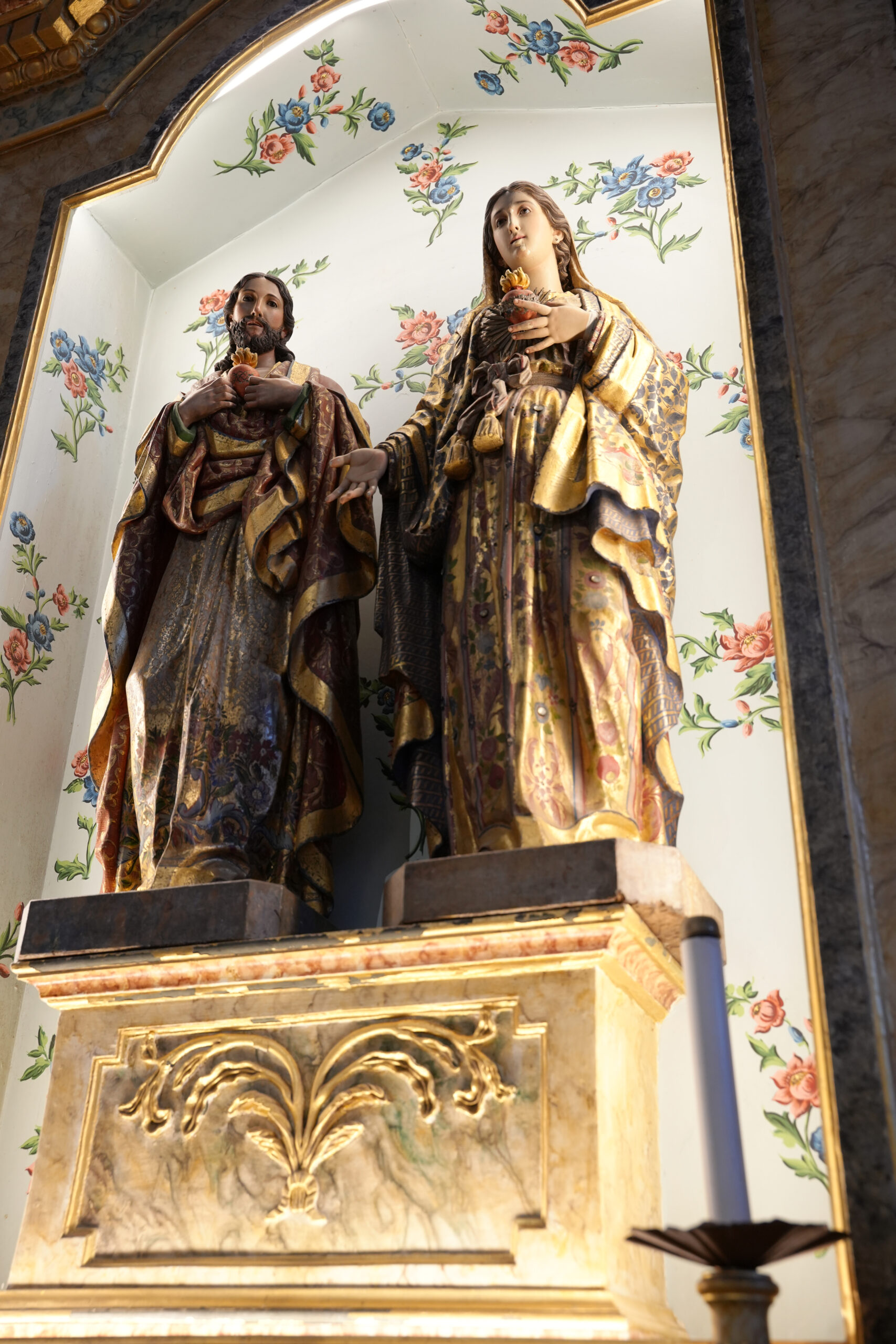
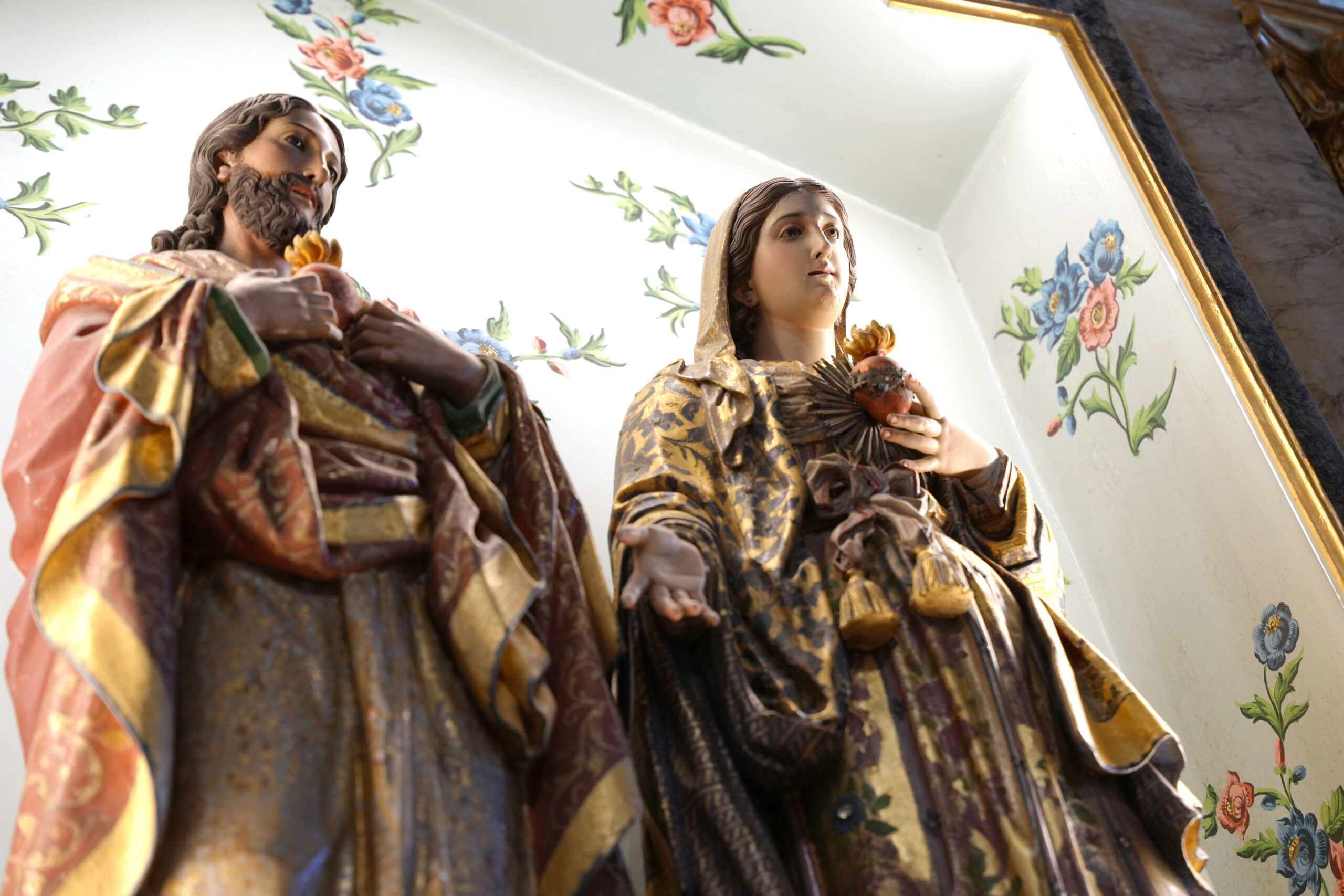
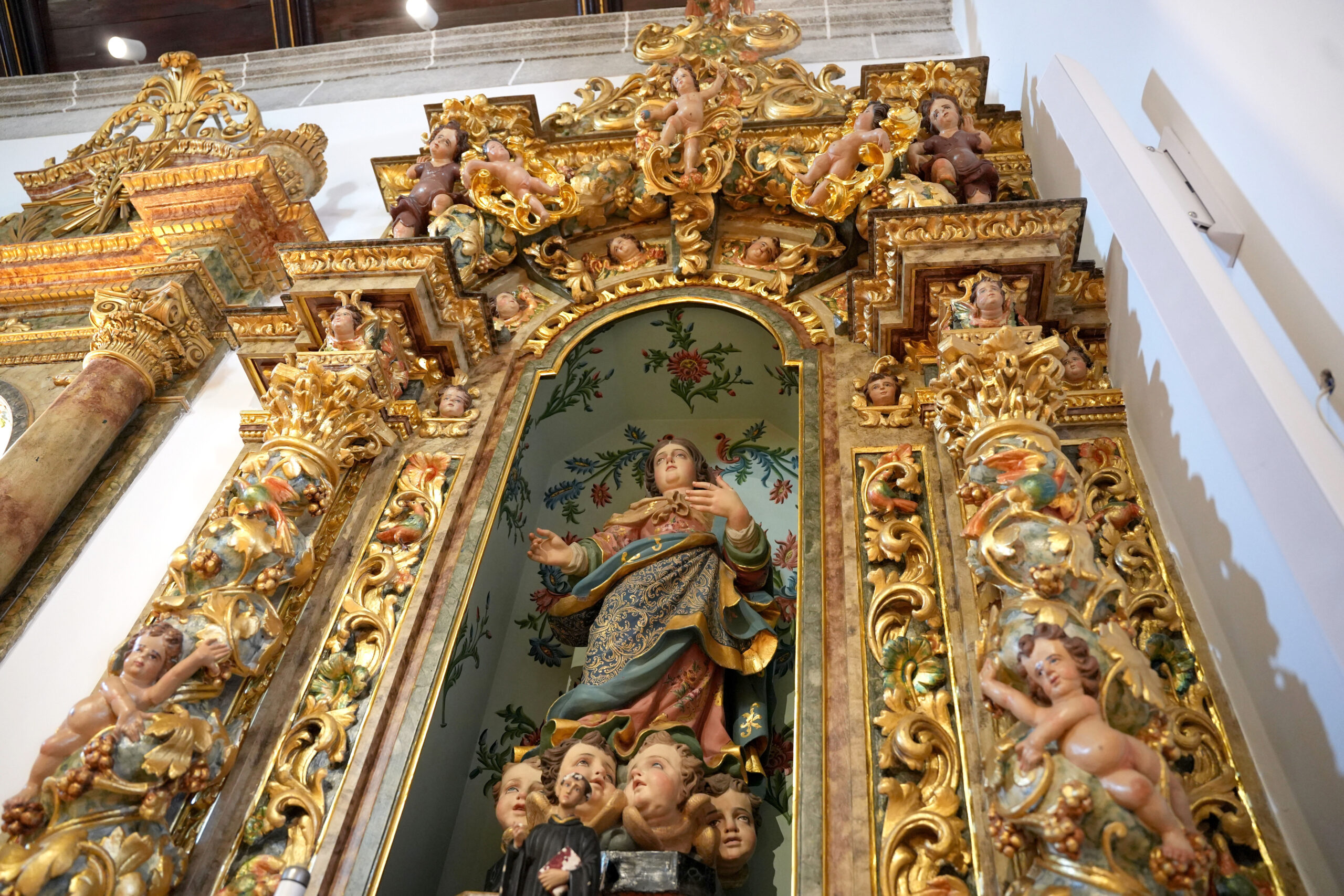
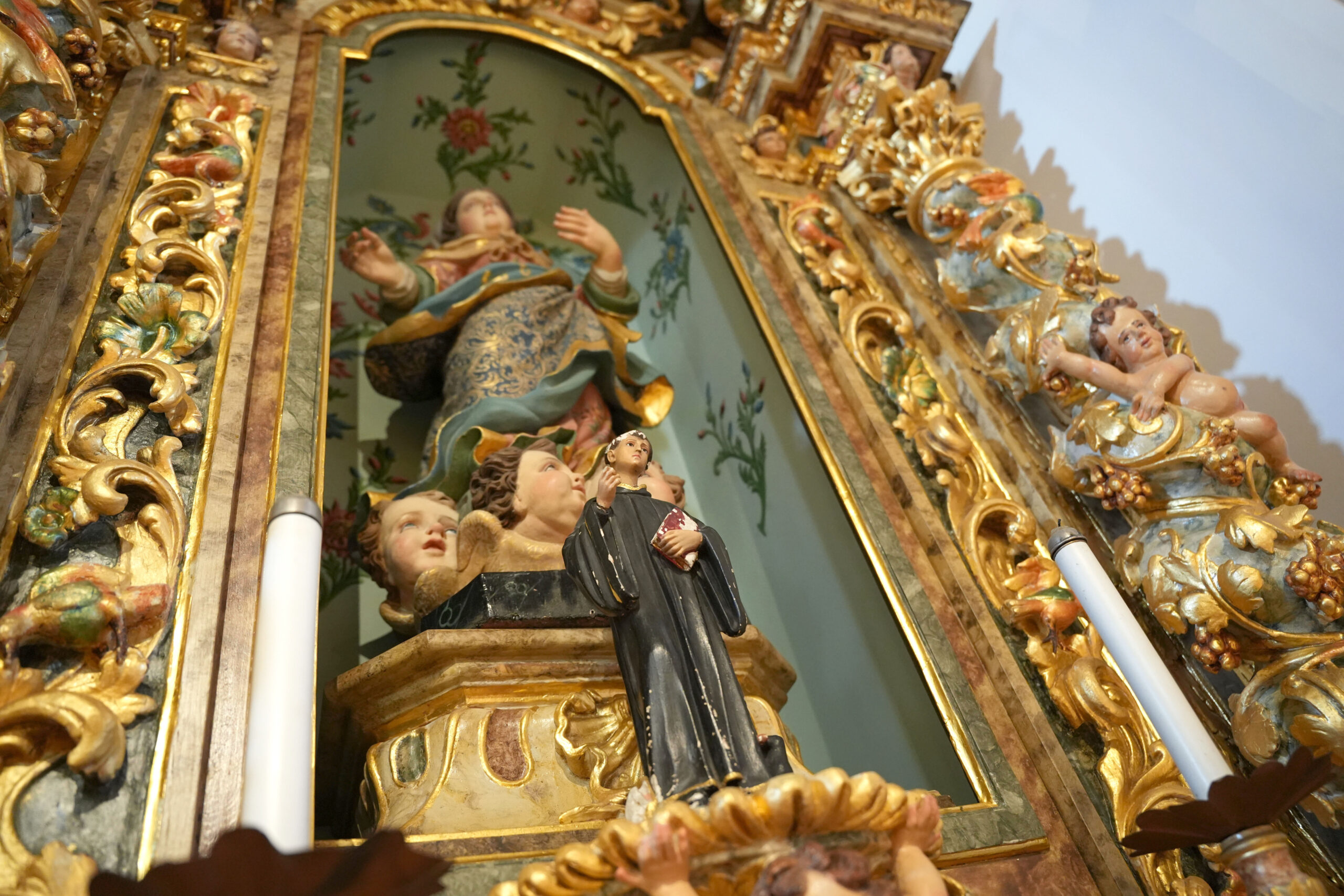
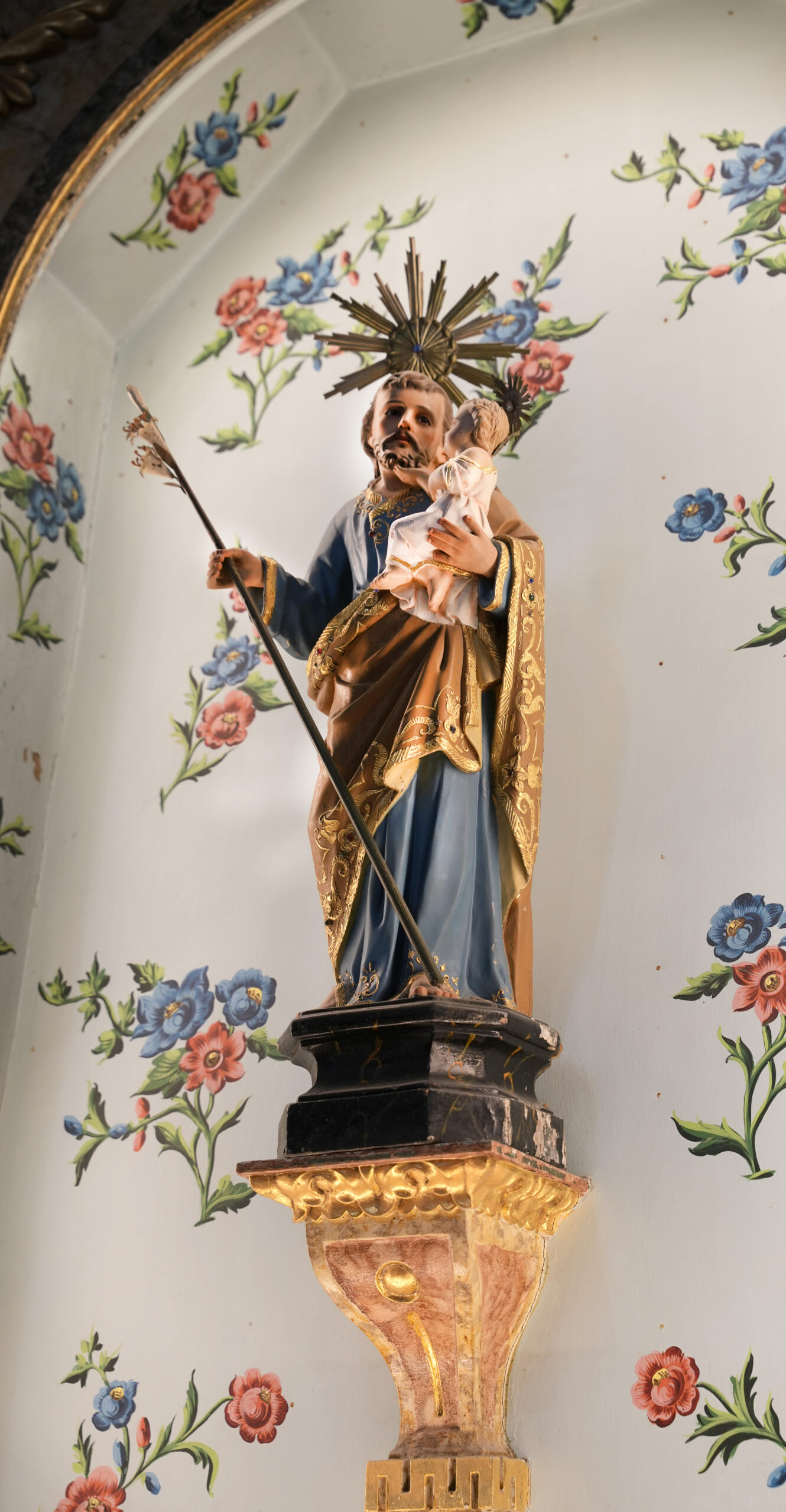
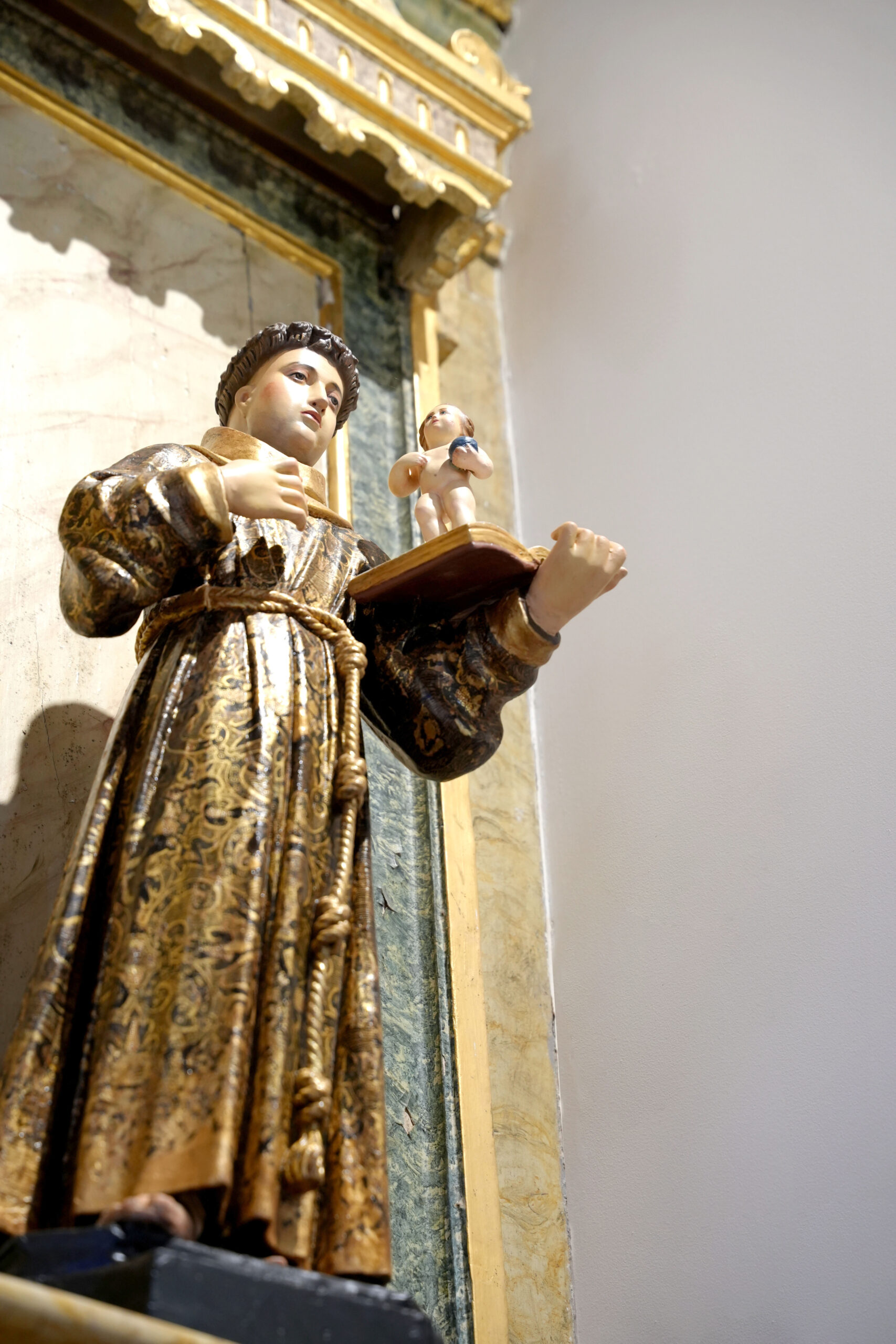
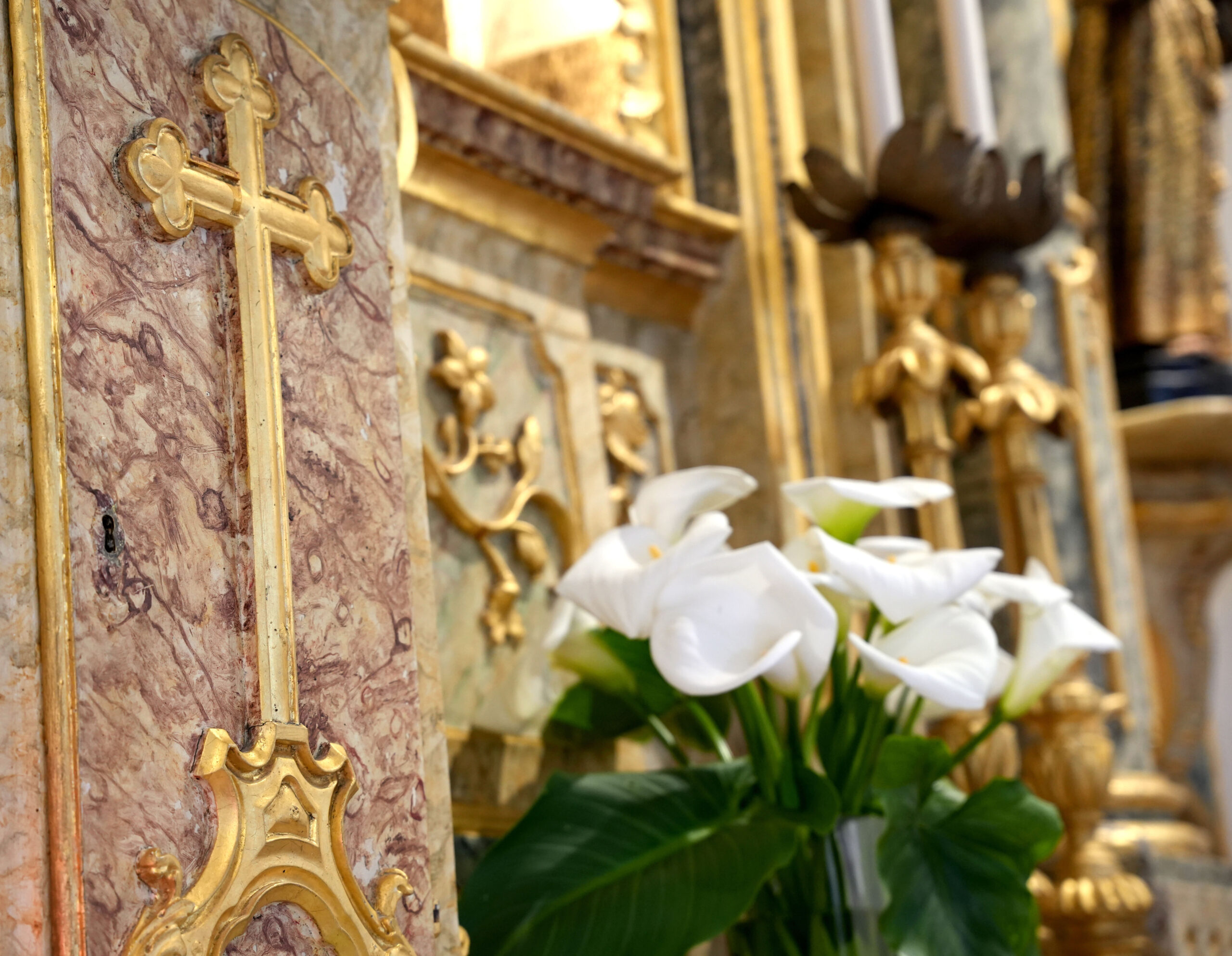
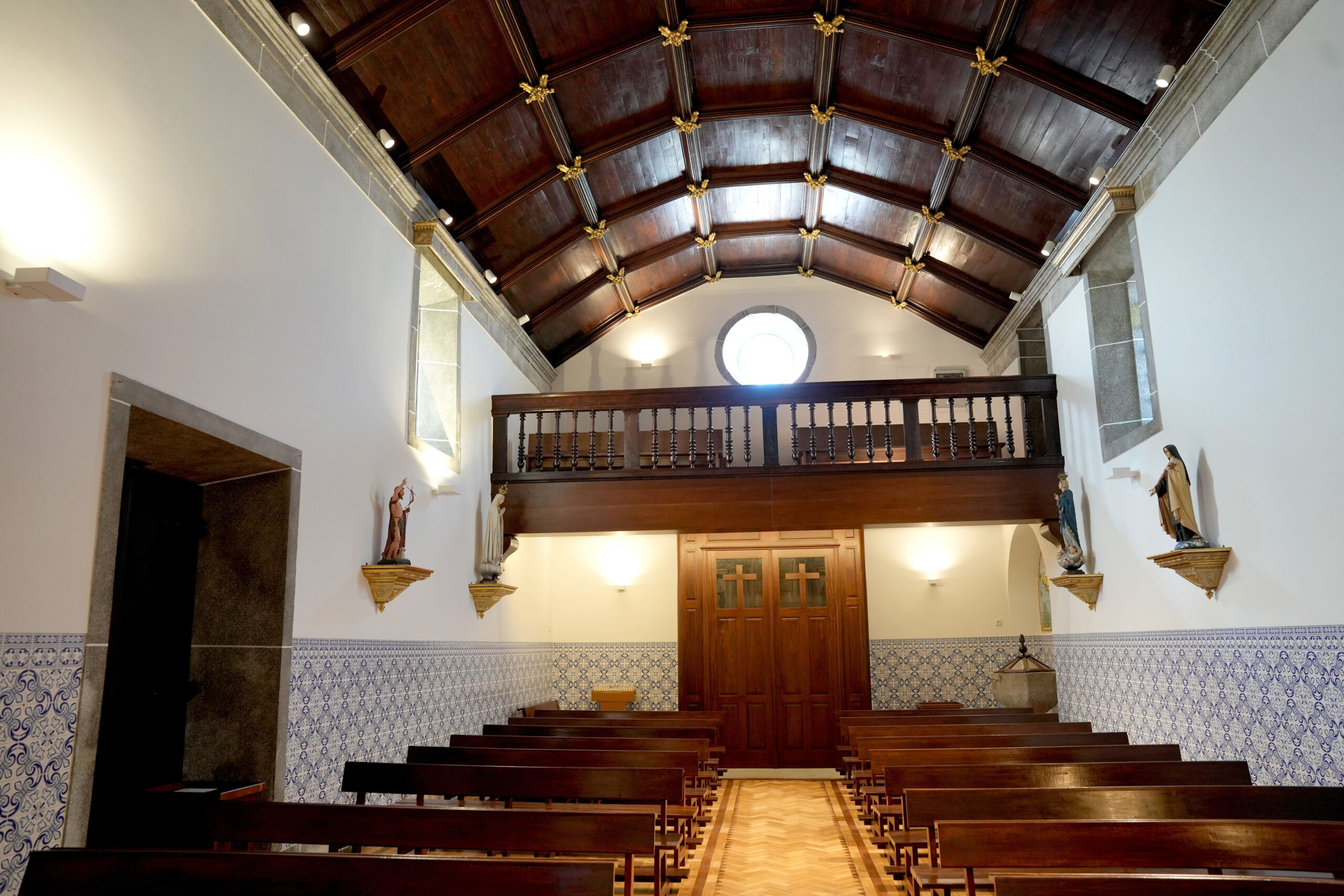
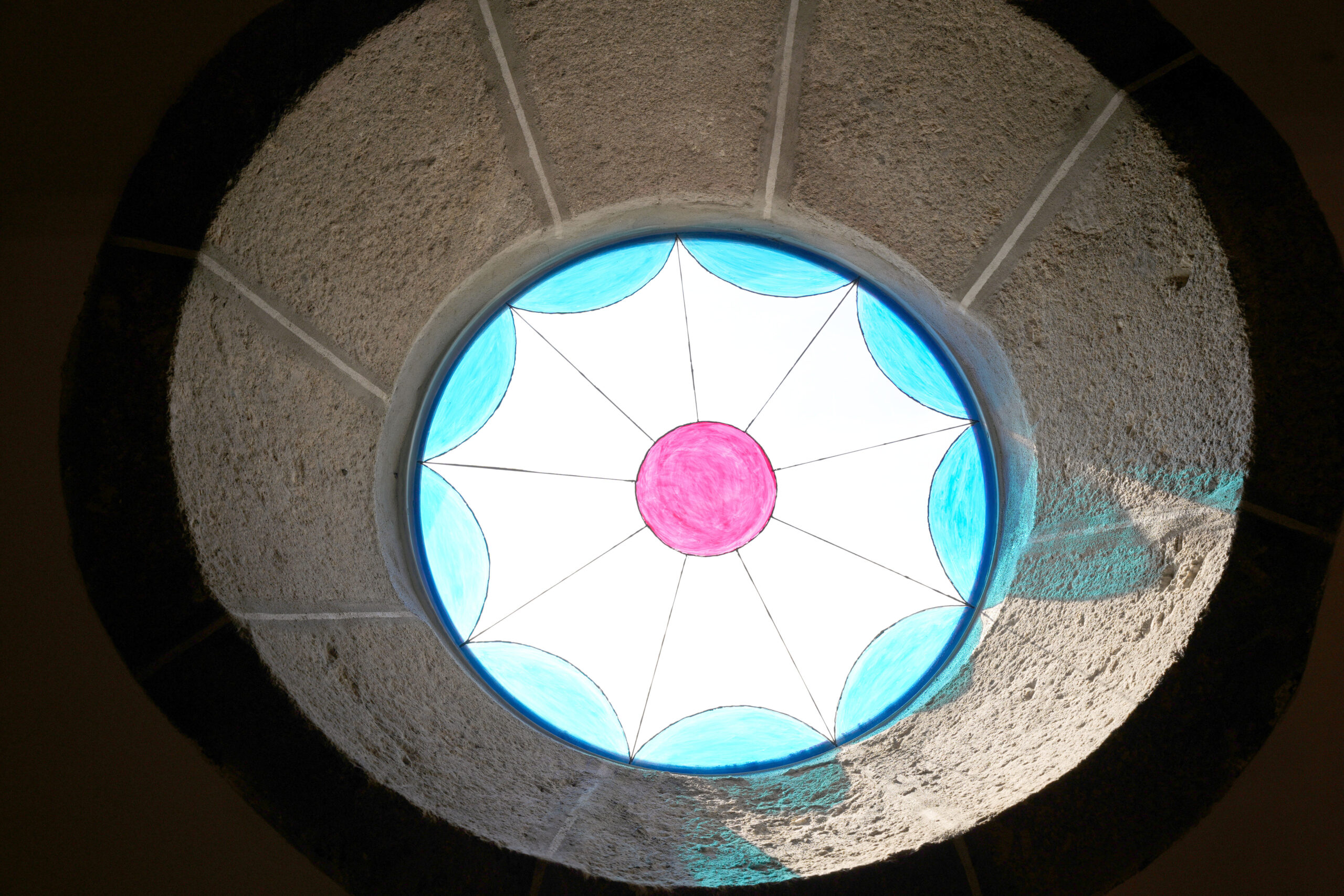
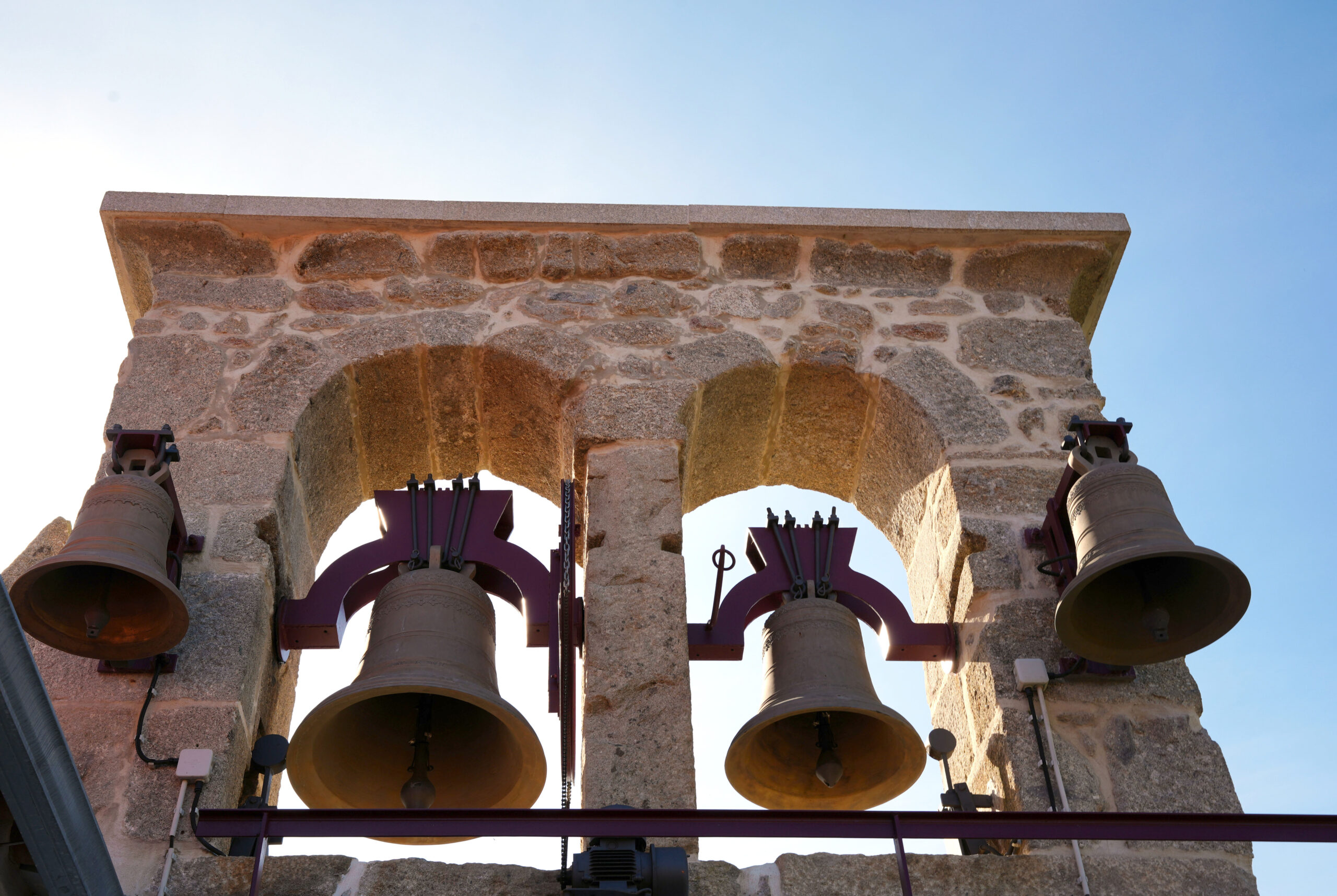
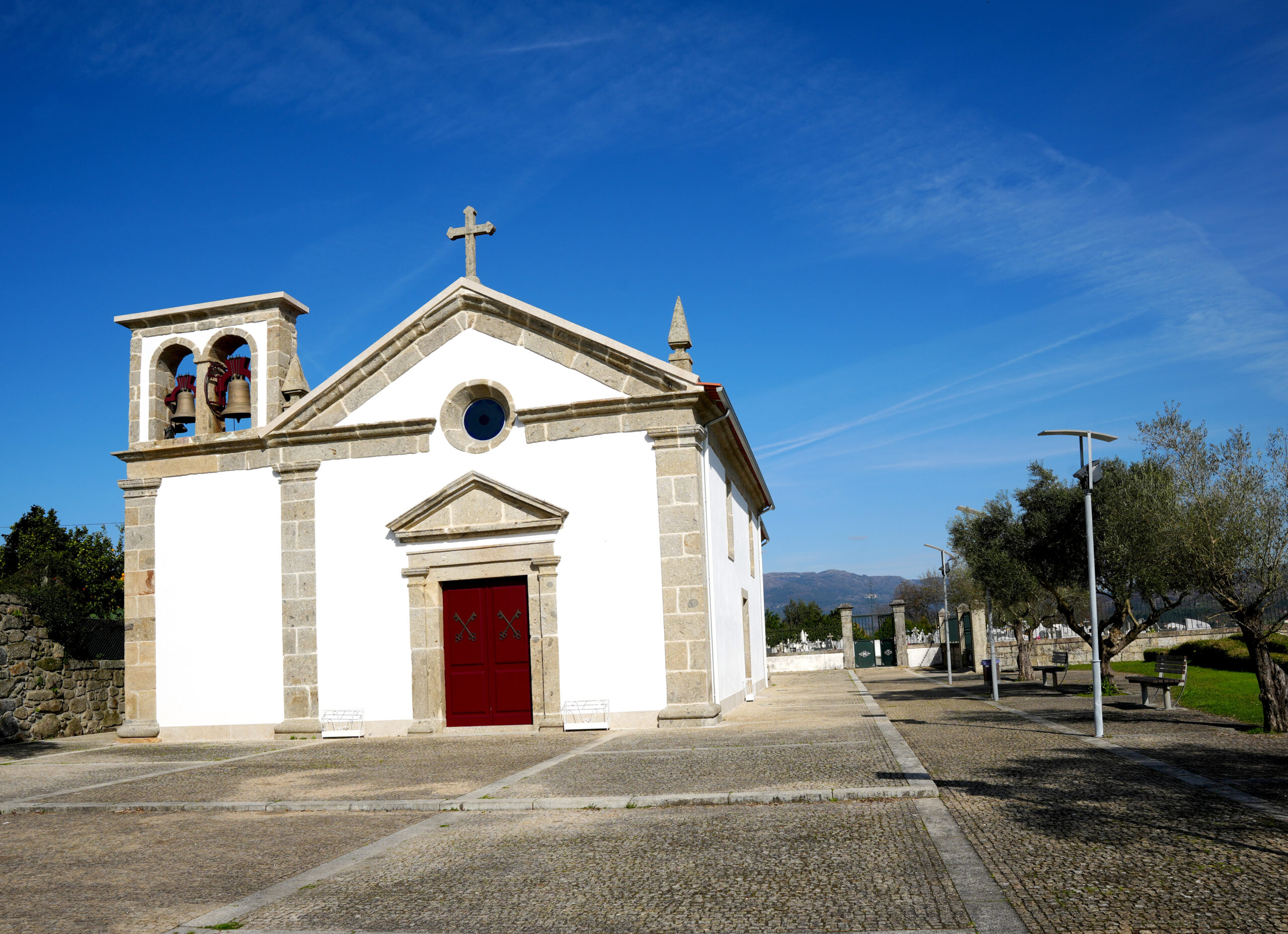
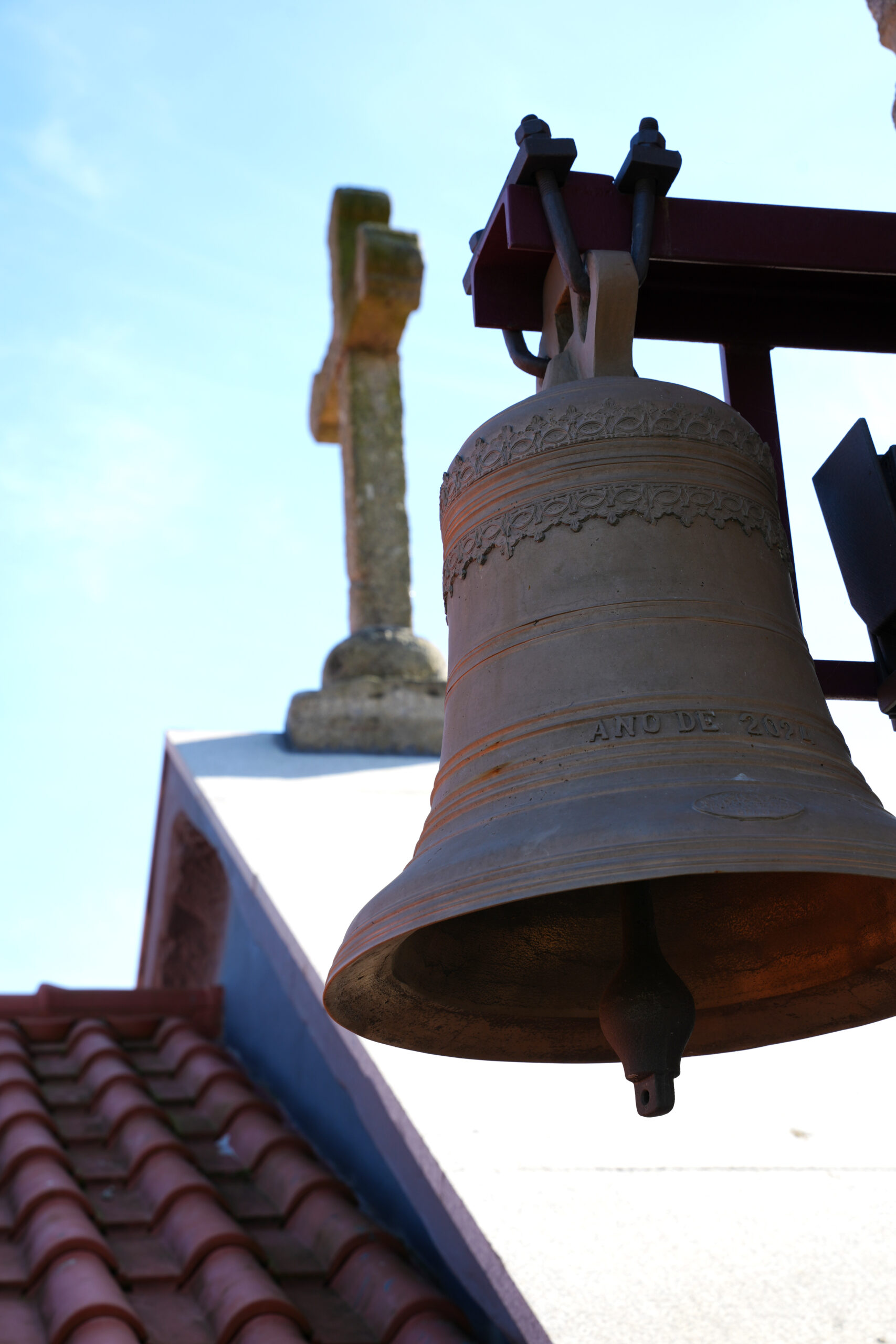
The patron saint is S. Pedro, apostle. Building from 1706 – according to Father Carvalho da Costa, it is an abbey of the patronage of the Diocese of Braga.
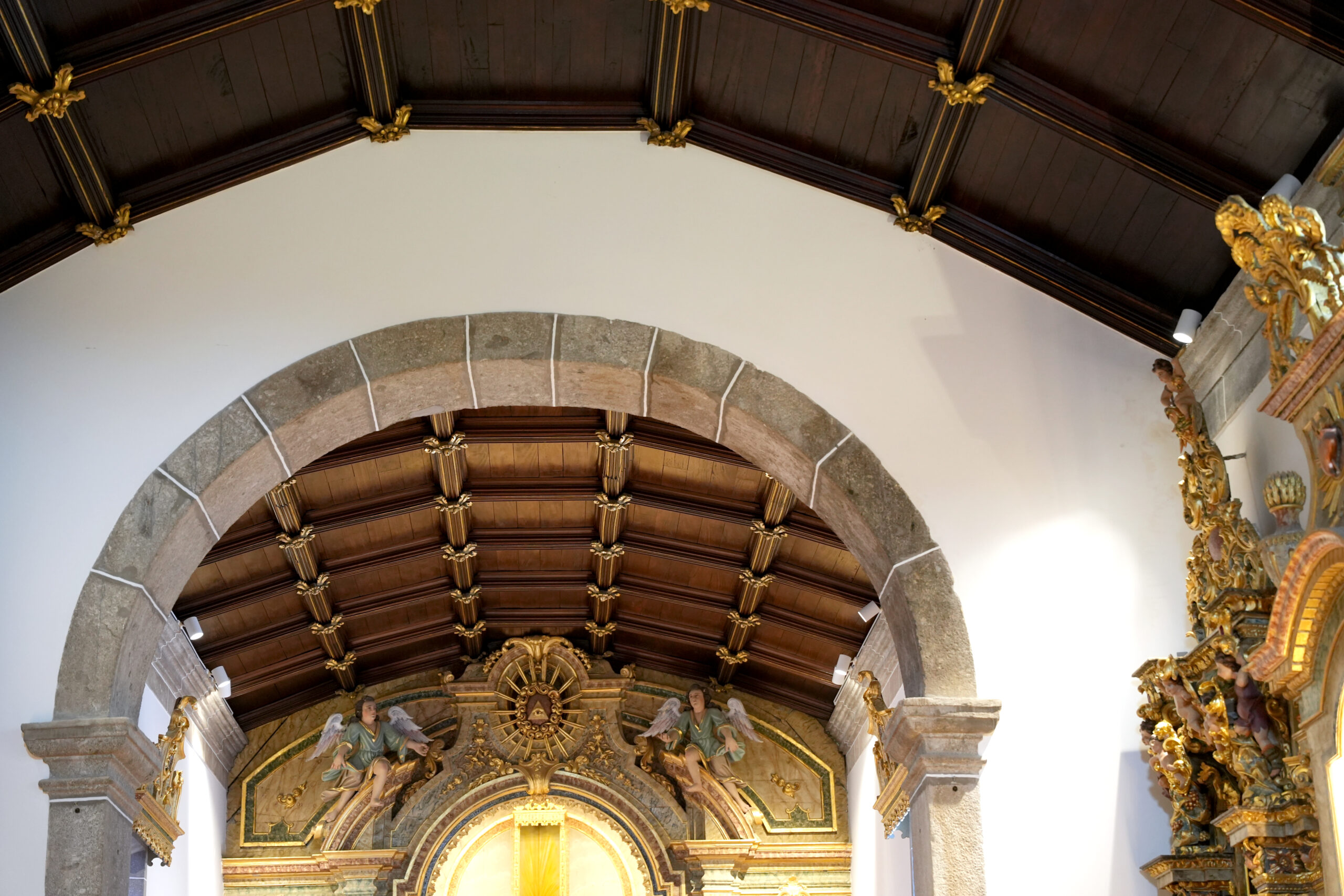
The main church building is relatively small and simple in terms of art; However, it has a valuable collection of images and altars.
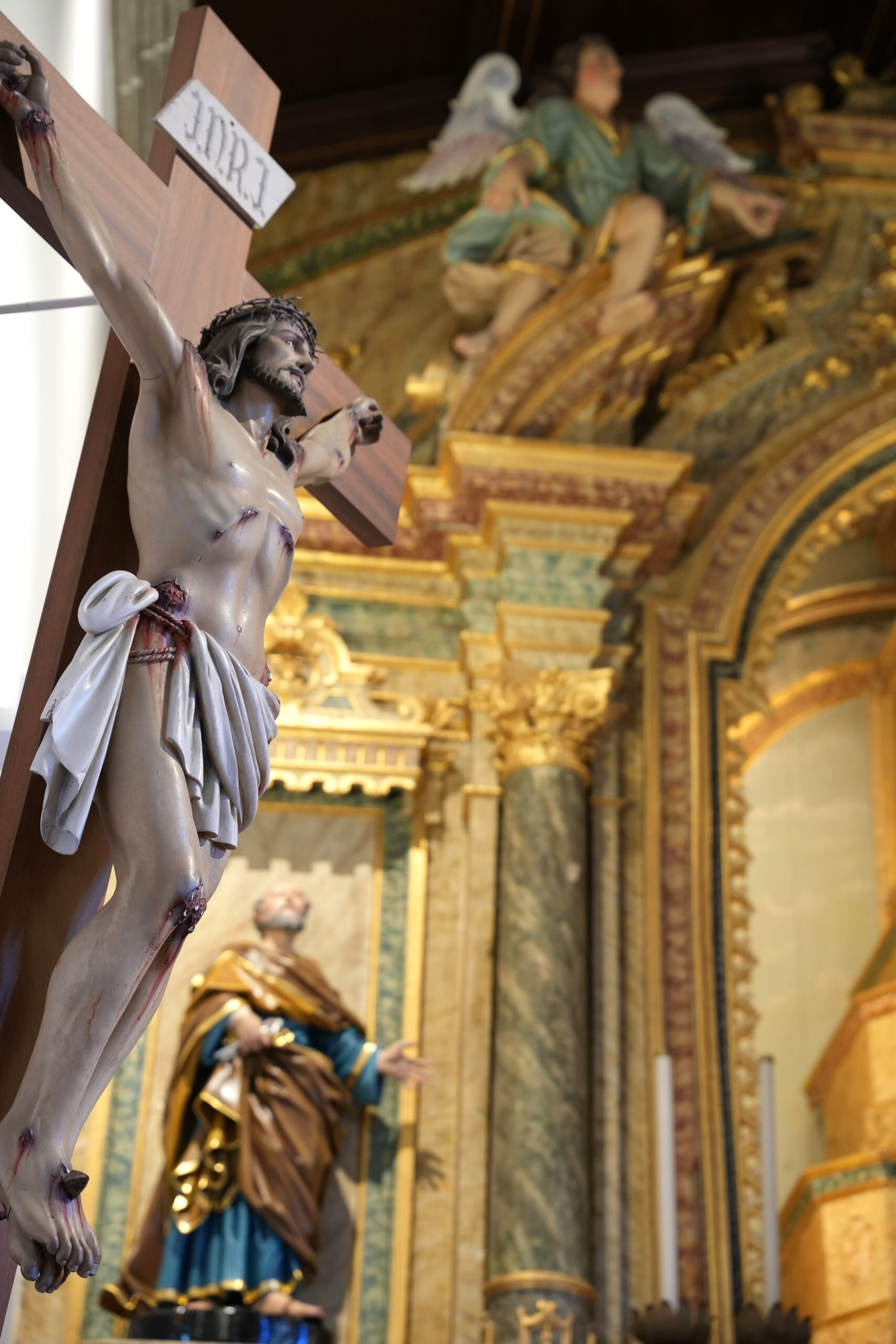
The main one, in the style of D. João V throughout its elevation, has a stone table covered in wood; the canopy is of recent construction. At the ends of the altar, two seraphim, very ancient sculptures, hold torches adapted to electrical energy.
Of the four side altars, placed against the walls of the church, the first, on the Gospel side, is dedicated to N. Senhora do Rosário and is opposite that of N. Senhora das Dores; the respective images challenge each other in beauty and sculpture. Both are Renaissance style and very well preserved; at the top each of them is topped by a pelican, with its seraph on its back.
The other two, in the style of D. João V, are on the side of the Gospel, that of São José, and in front, that of the Heart of Jesus and Mary.
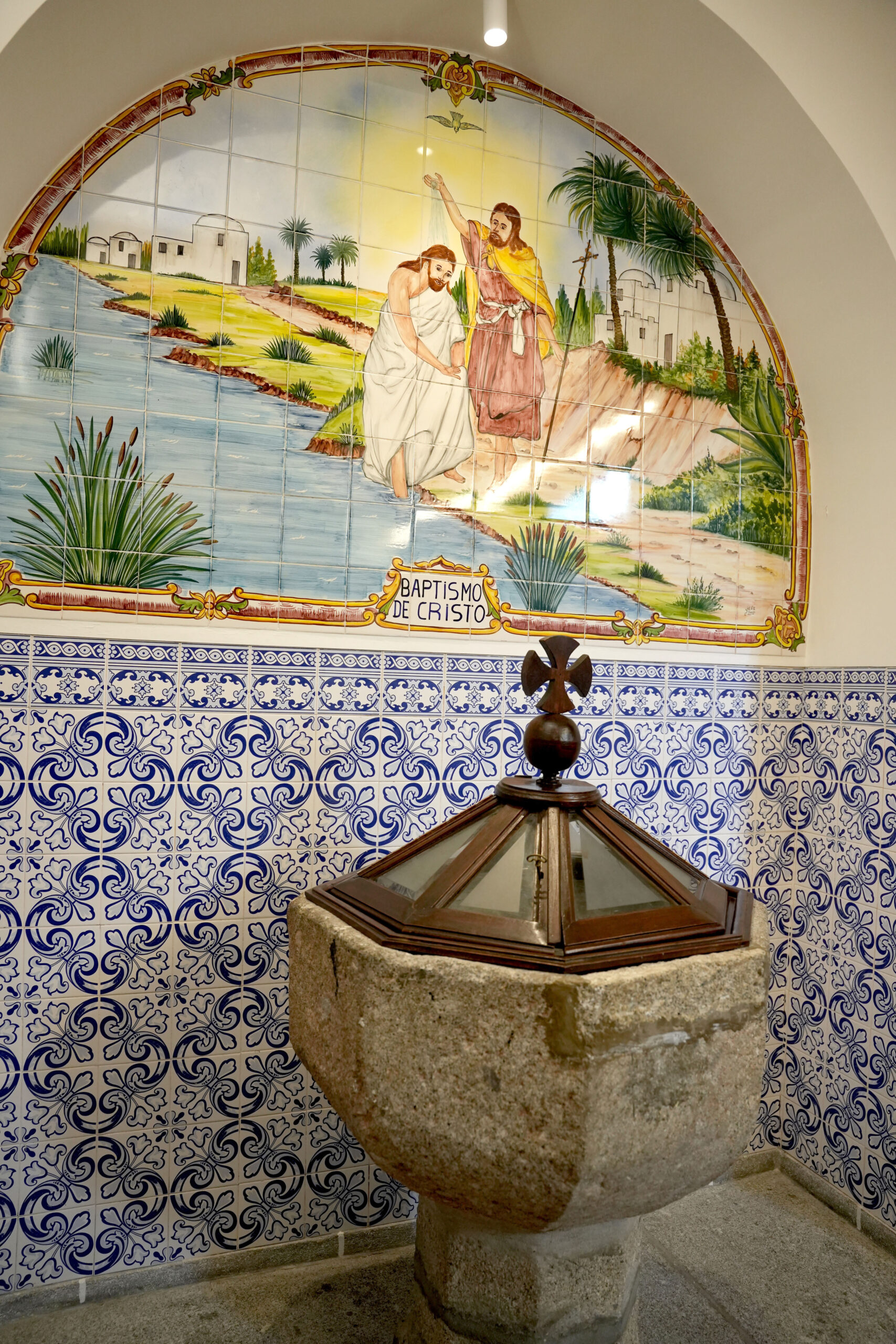
The baptismal font is octagonal in shape from the bowl to the base and is completely housed in arches embedded in the thickness of the wall.
It was floored in 1924; the cemetery had been built in 1913.
The urbanization of the area in front of the church, which became a regular and spacious churchyard, was due to the initiative of the late abbot Fernando Augusto de Araújo Azambuja; These works took place in 1886 and following.
In the background, and on the opposite side of the old path that connects to the Ponte do Porto road, is the parish cross, which has the following inscription on the face of the bulky stone of the plinth:
SEBASTIÃO V.ra DE CARV.o
DESTA FREG.ª MÃDOU FAZER
NO ANNO DE 1724 E
NO MESMO SE PÔS NESTA
IGR.ª O S. S.mo SACRAMENTO
P.ª O Q TÃBÊ DEU TO-
DOS OS PARAMENTOS
NECESSÁRIOS
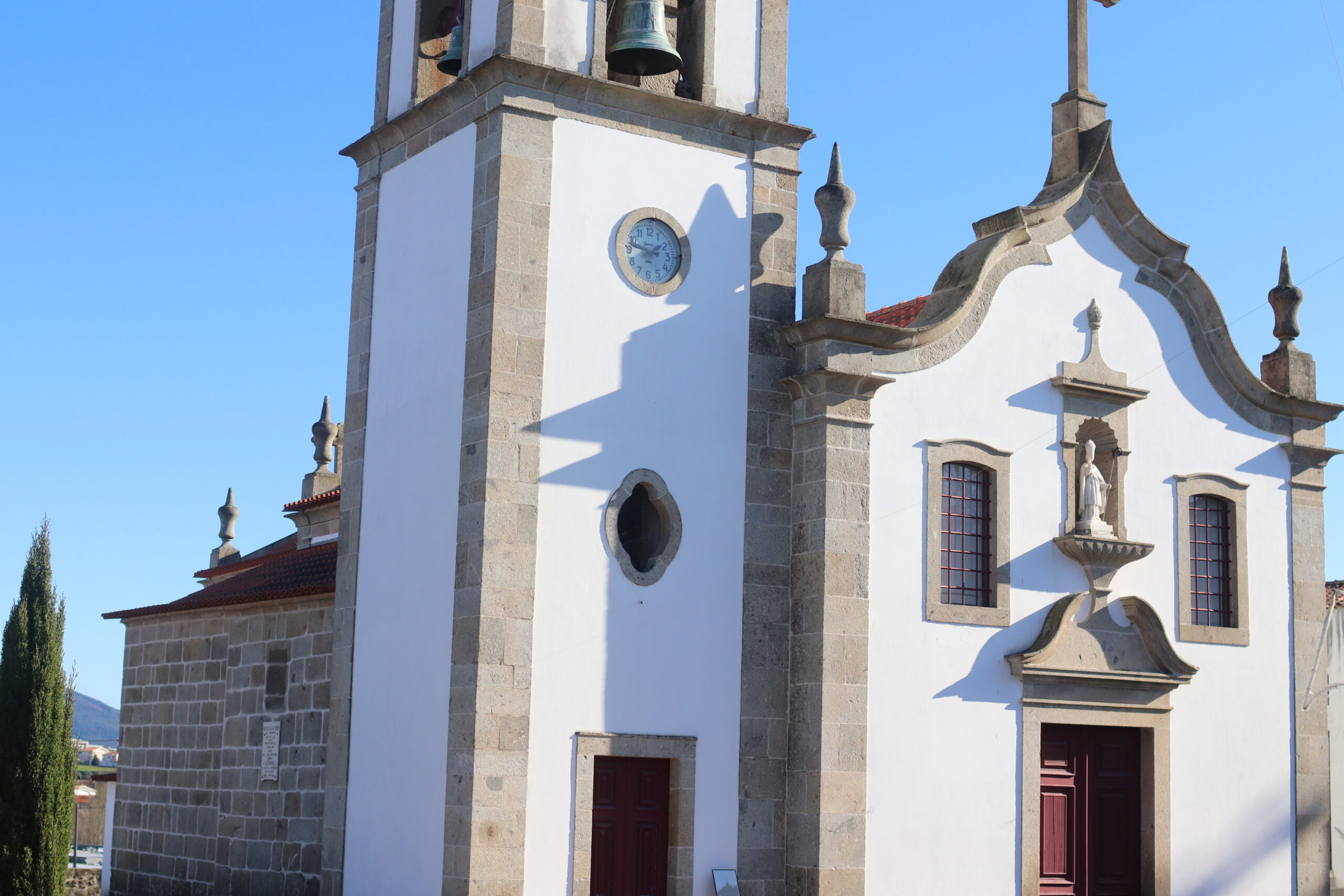
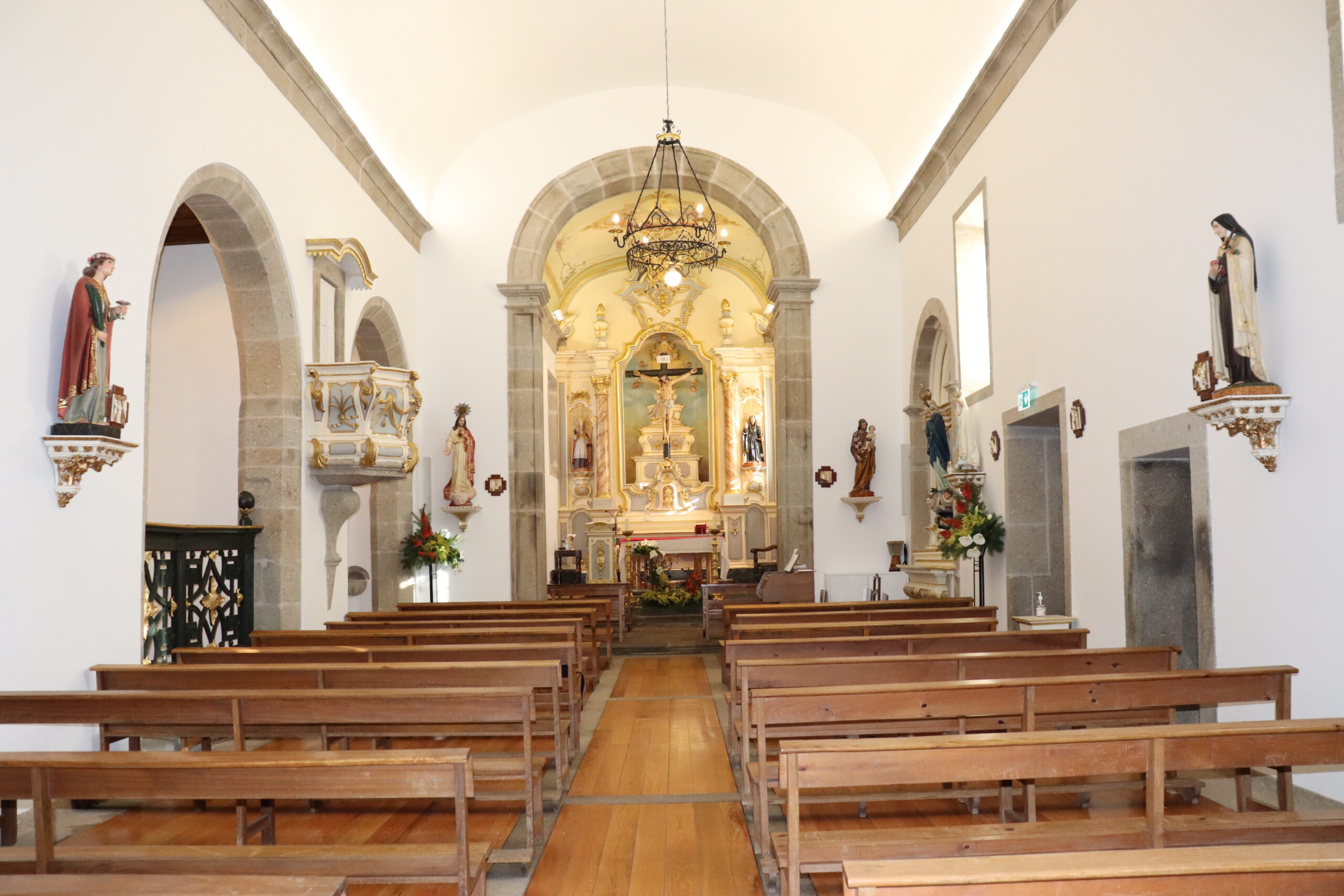
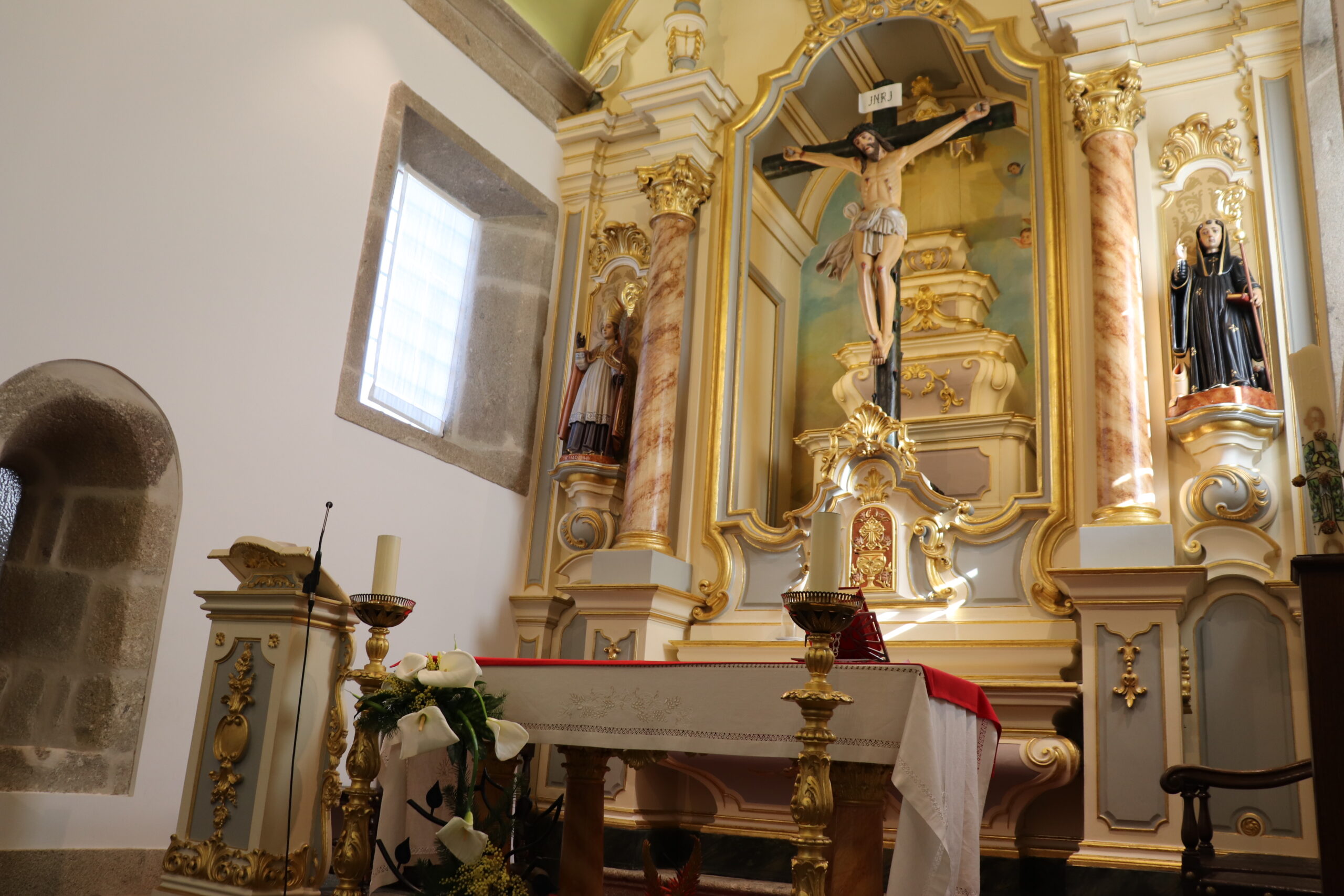
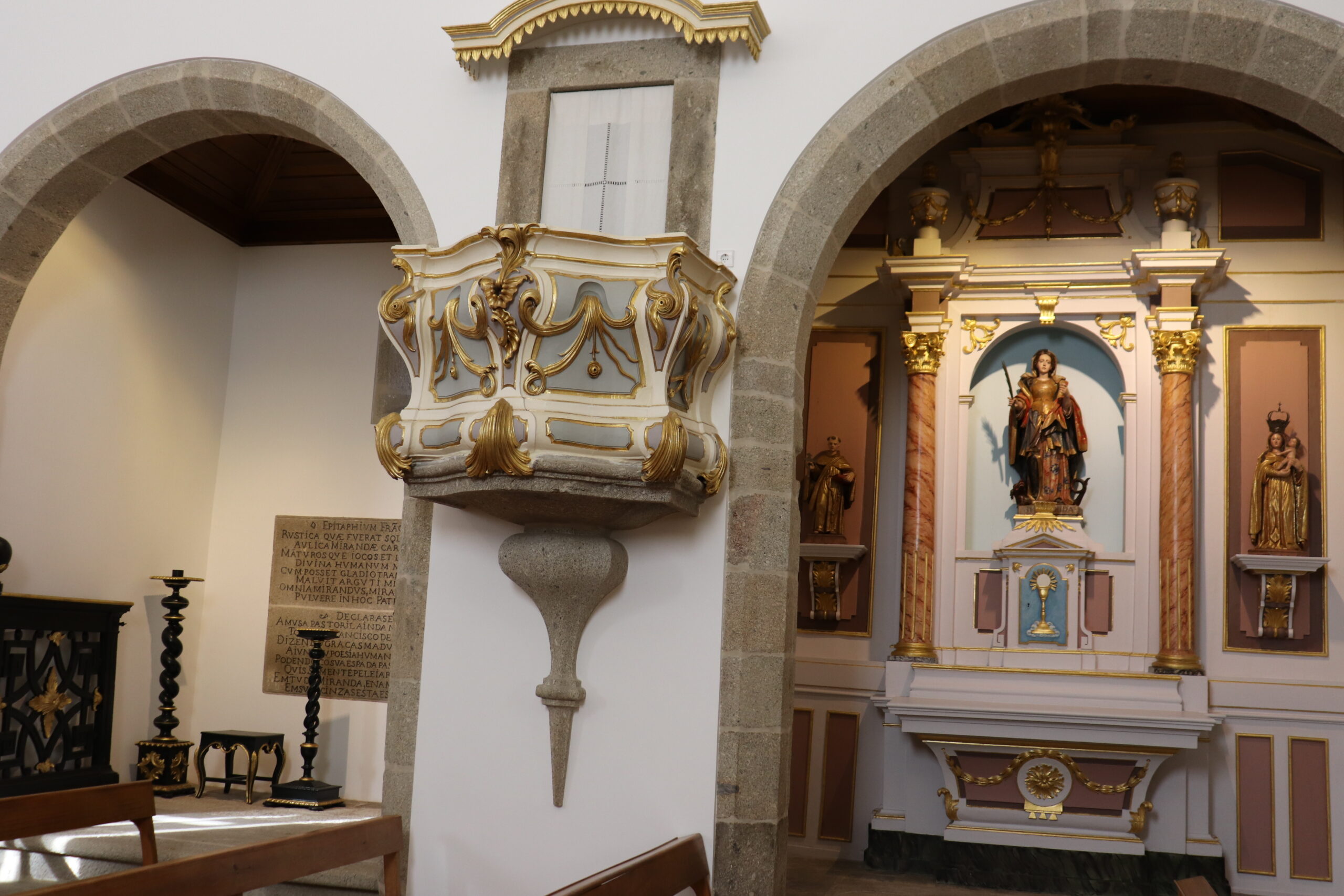
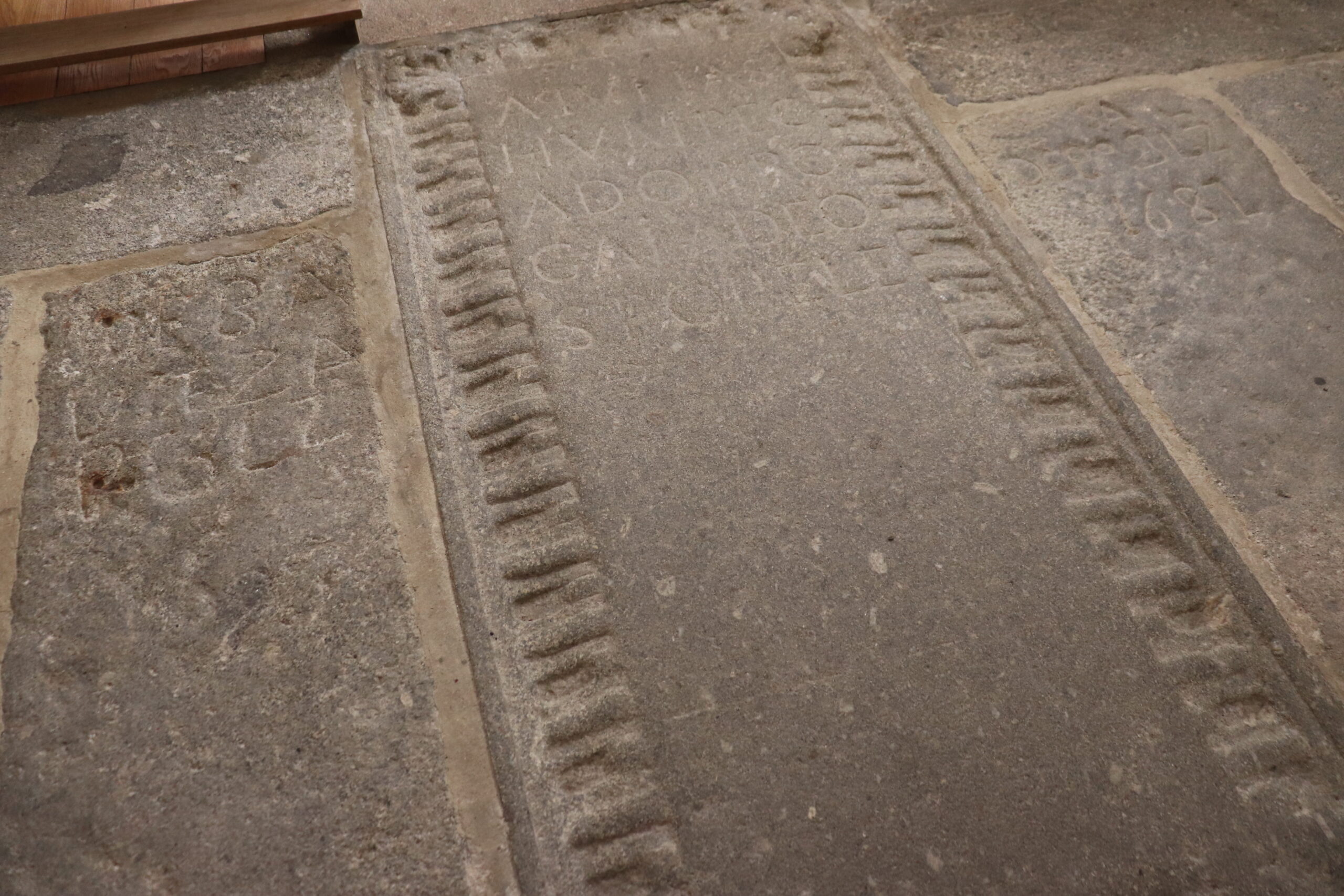
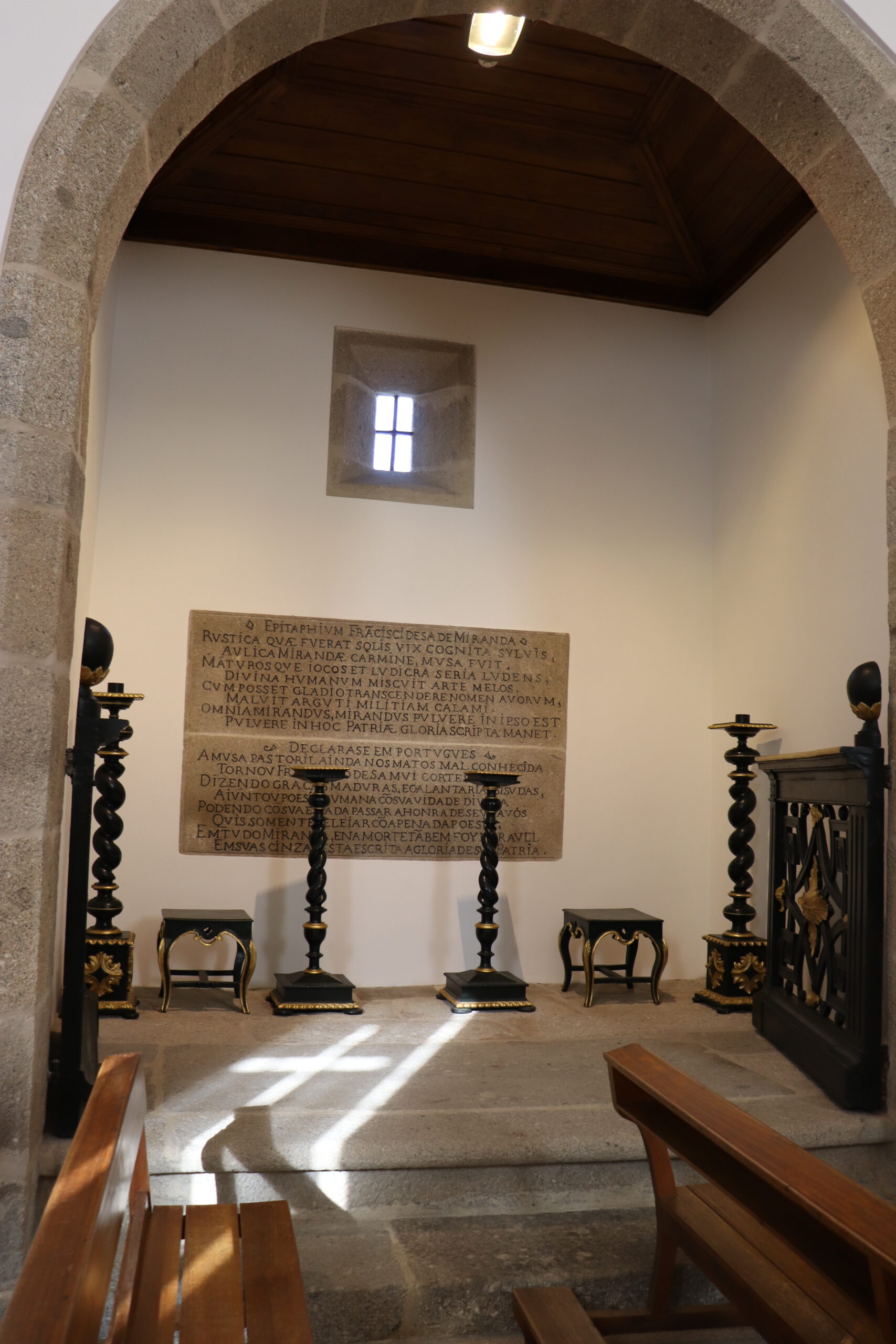
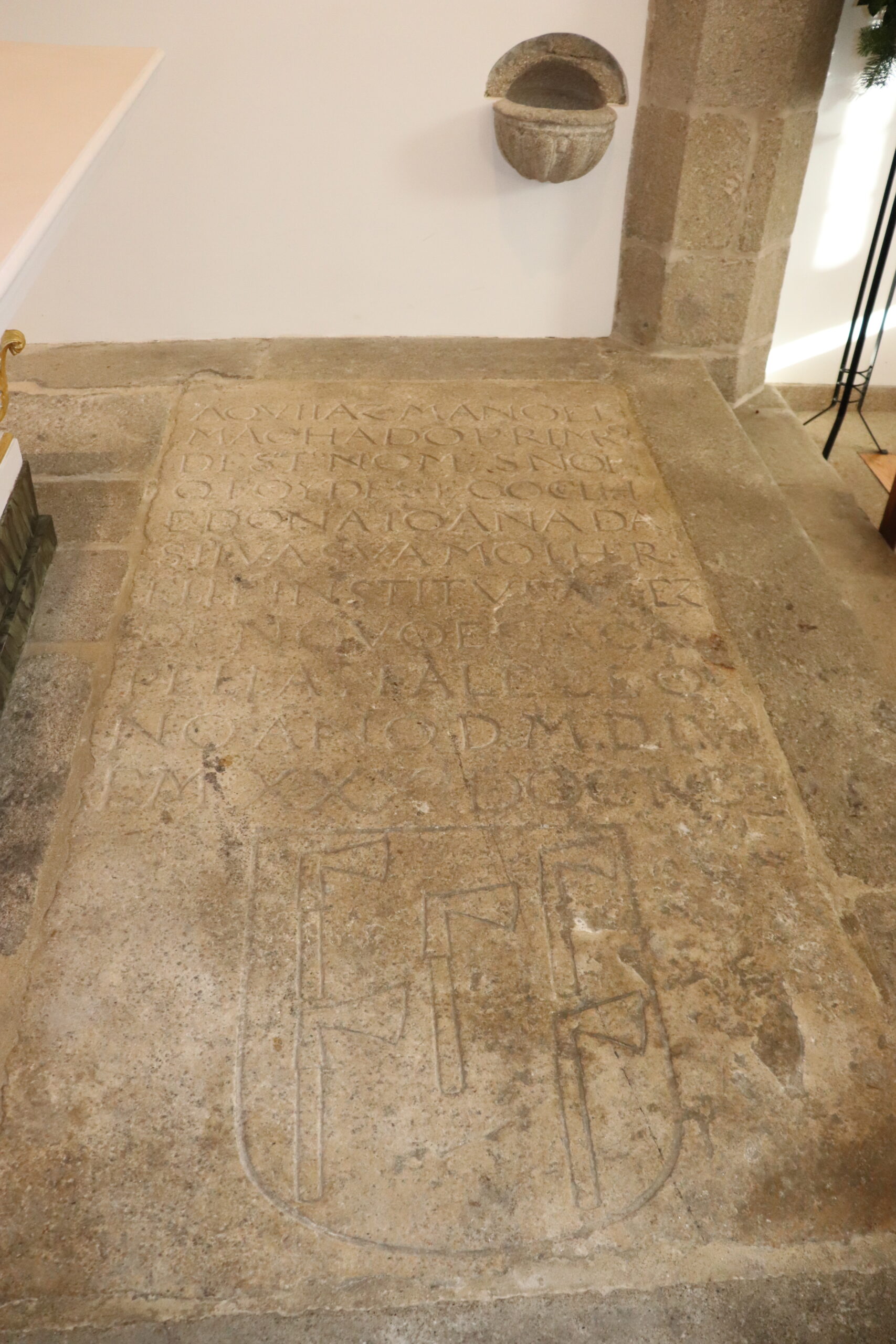
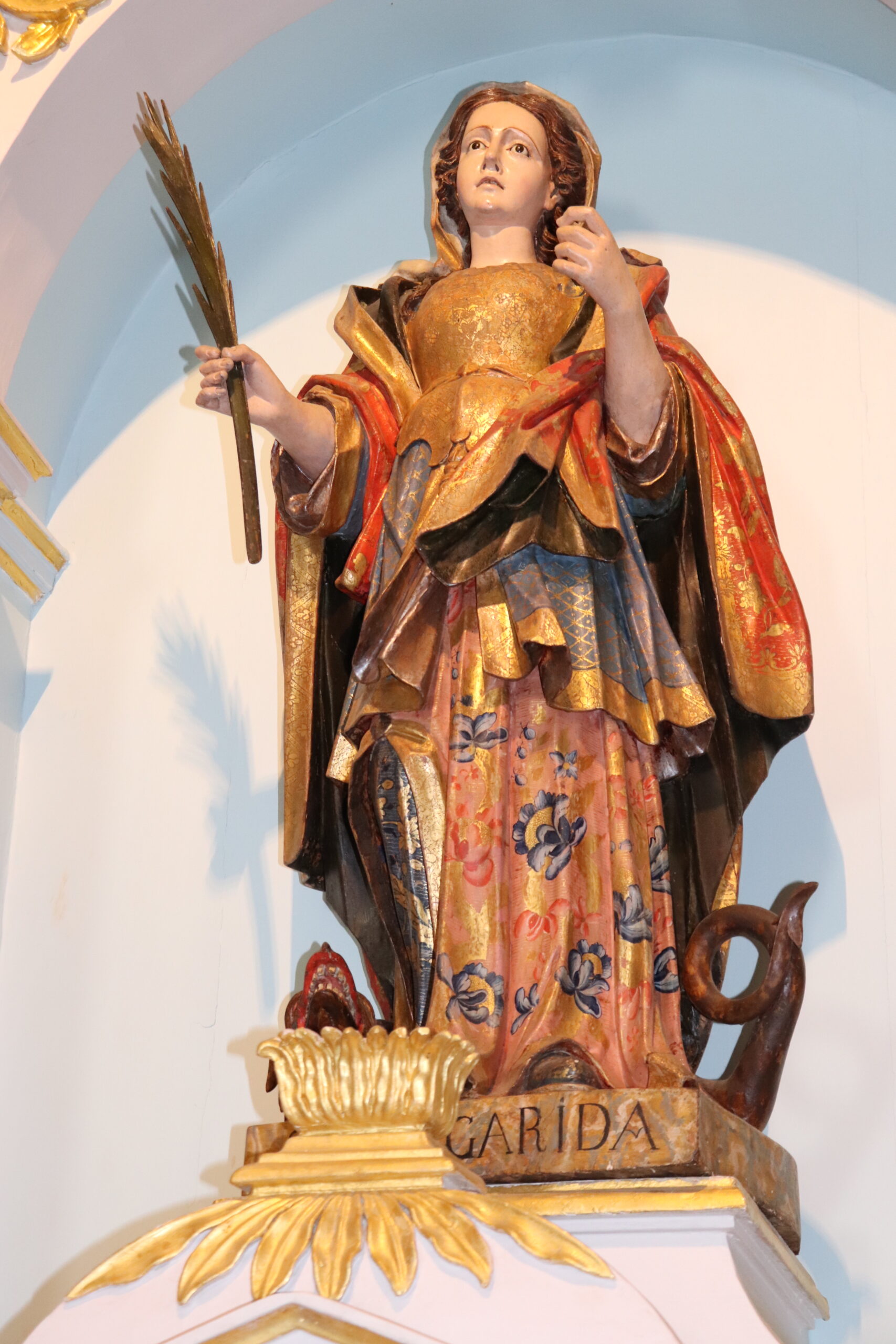
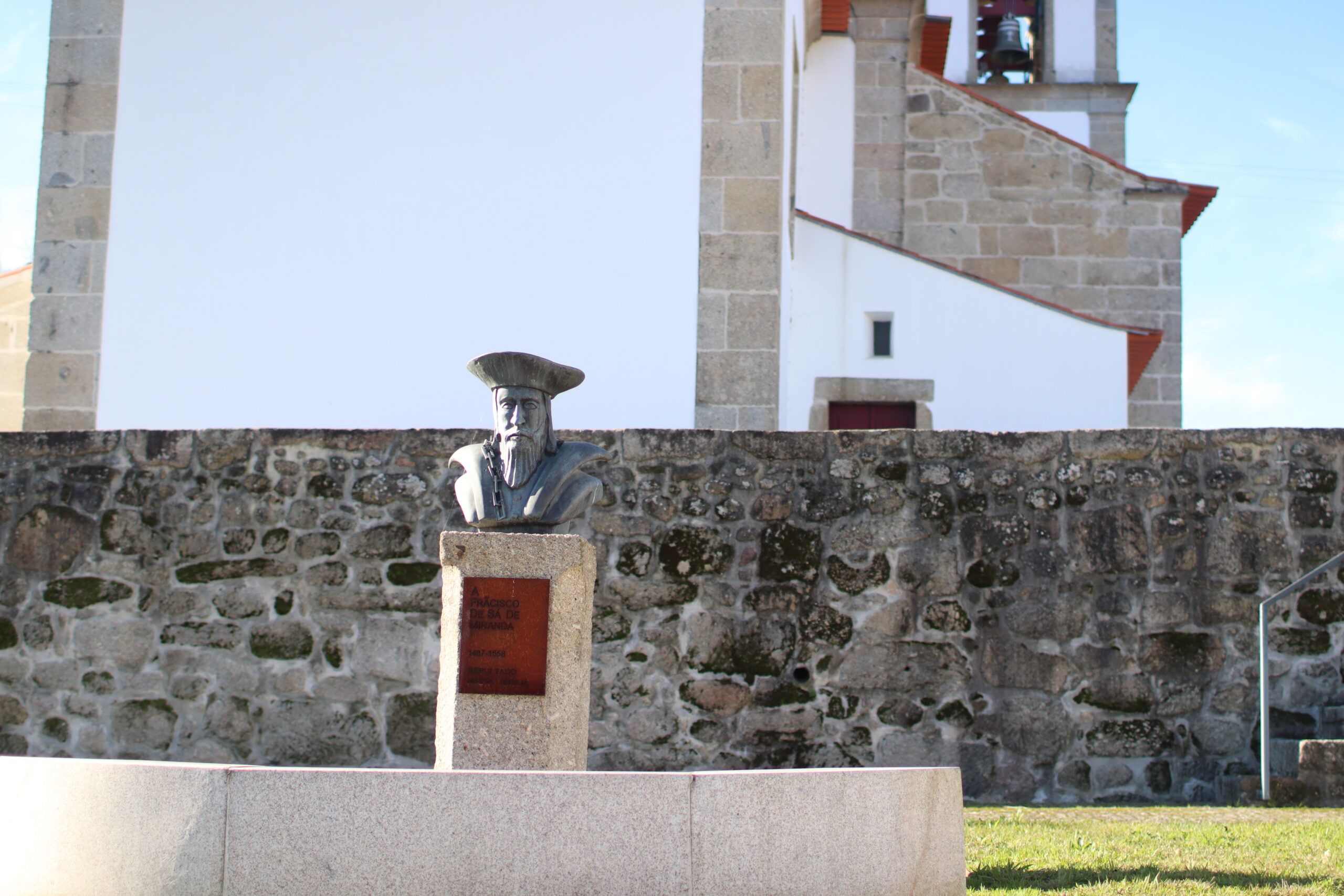
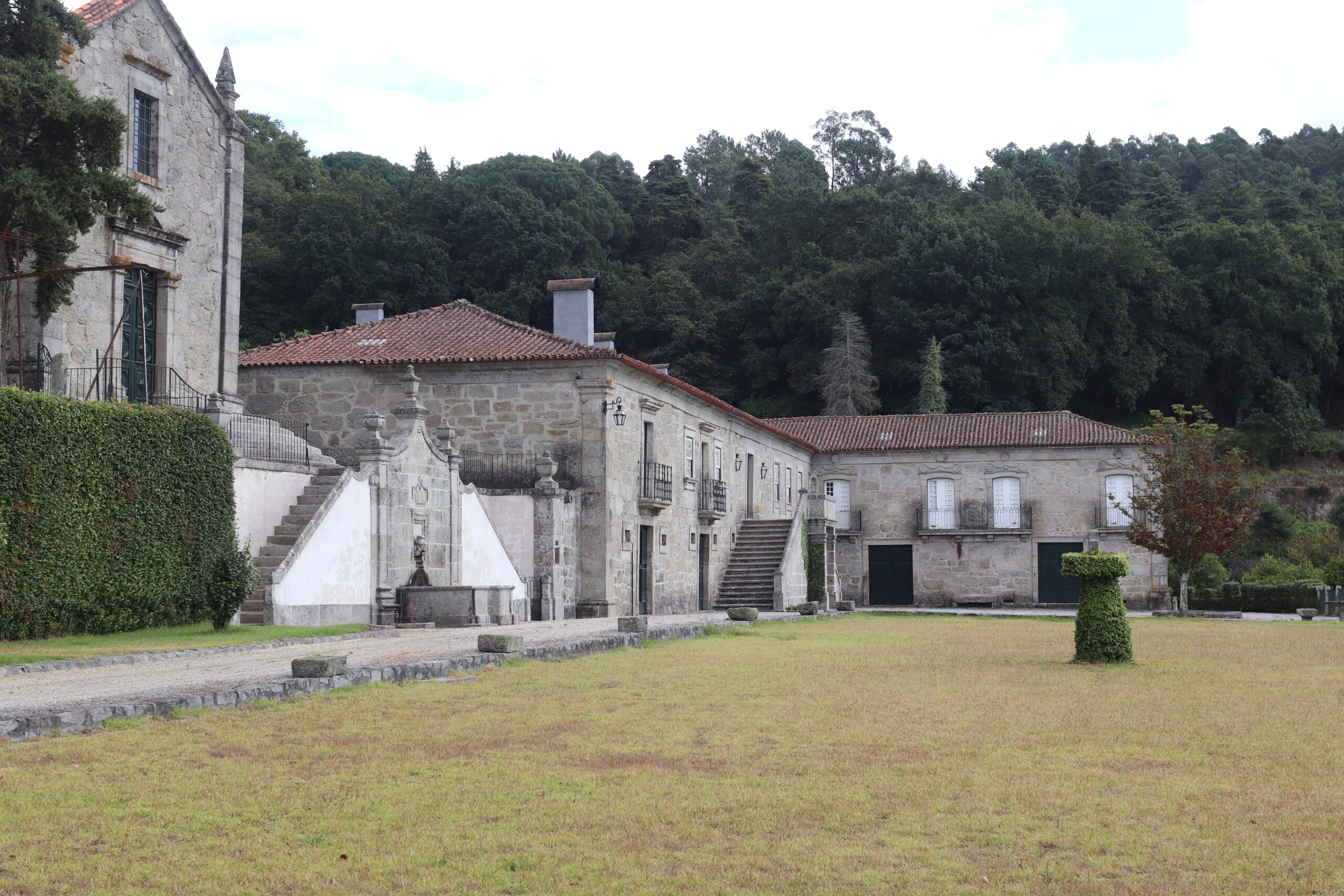
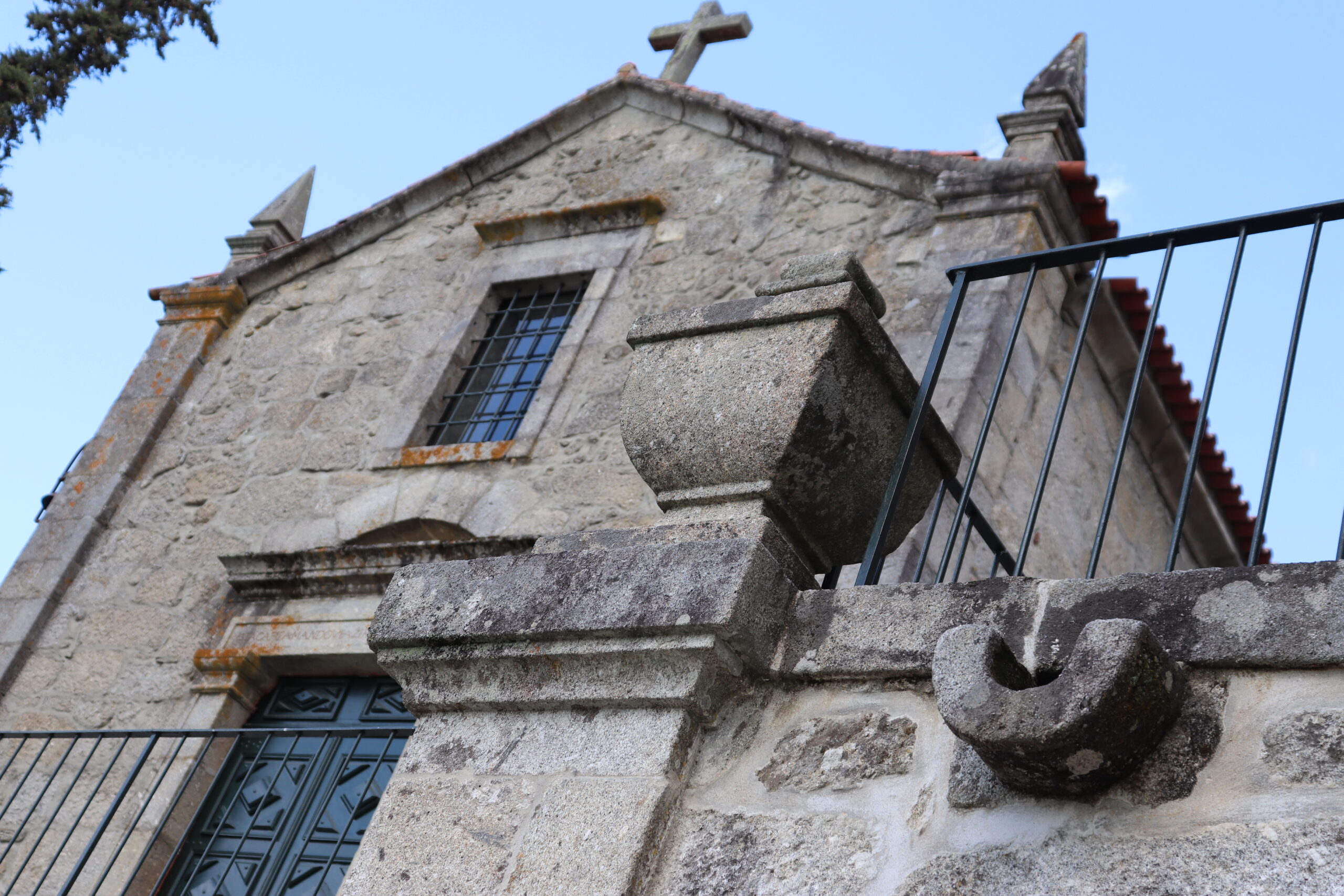
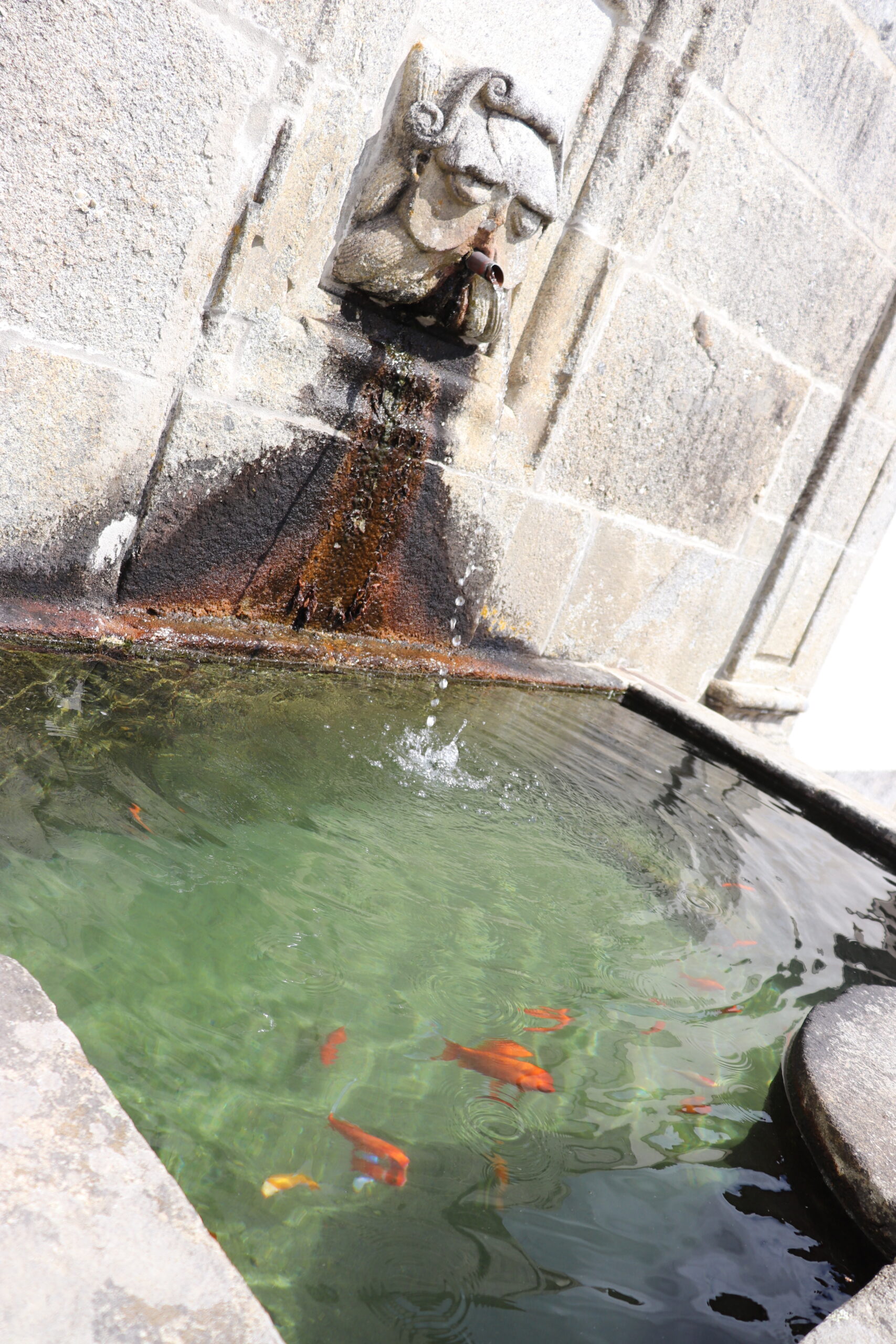
The origin of its construction dates back to the Middle Ages, as can be seen from the remains of a Romanesque window, discovered in one of the walls of the main chapel, belonging to the original church. In the 15th century, the chapel of Santa Margarida was built for the burial of Manuel Machado de Azevedo, 3rd Lord of Entre Homem e Cávado and his wife. In the second half of the 16th century, the son of Francisco de Sá de Miranda, Jerônimo de Sá de Miranda, ordered the construction of the chapel of Nossa Senhora da Apresentação or Tapada to place the tombs of his parents and family.
In the mid-18th century the church was rebuilt, presenting the architecture we can see today. The main façade of the church is Baroque, with a portal with a cut-out pediment, topped by a niche containing the image of S. Martinho, flanked by two large windows.
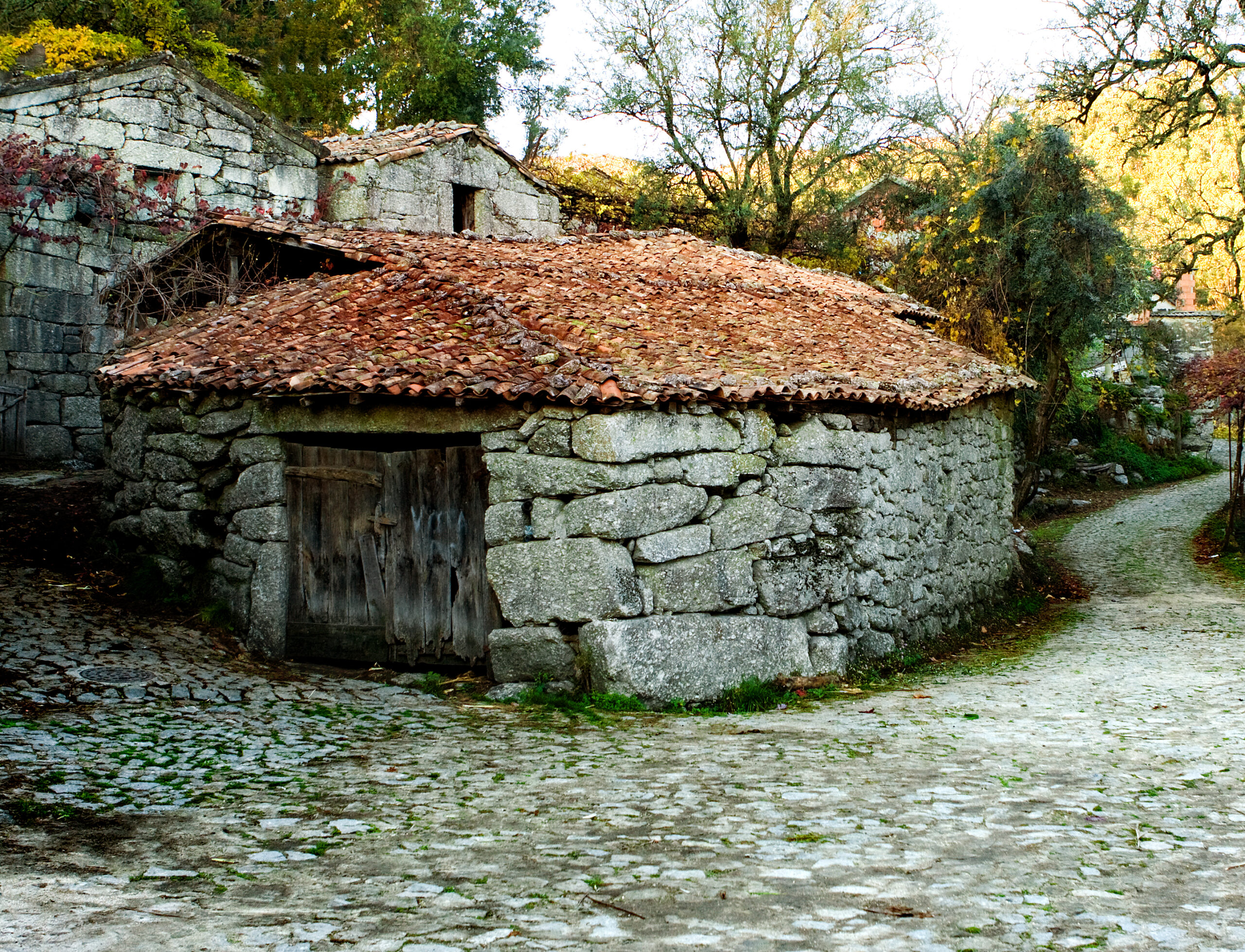
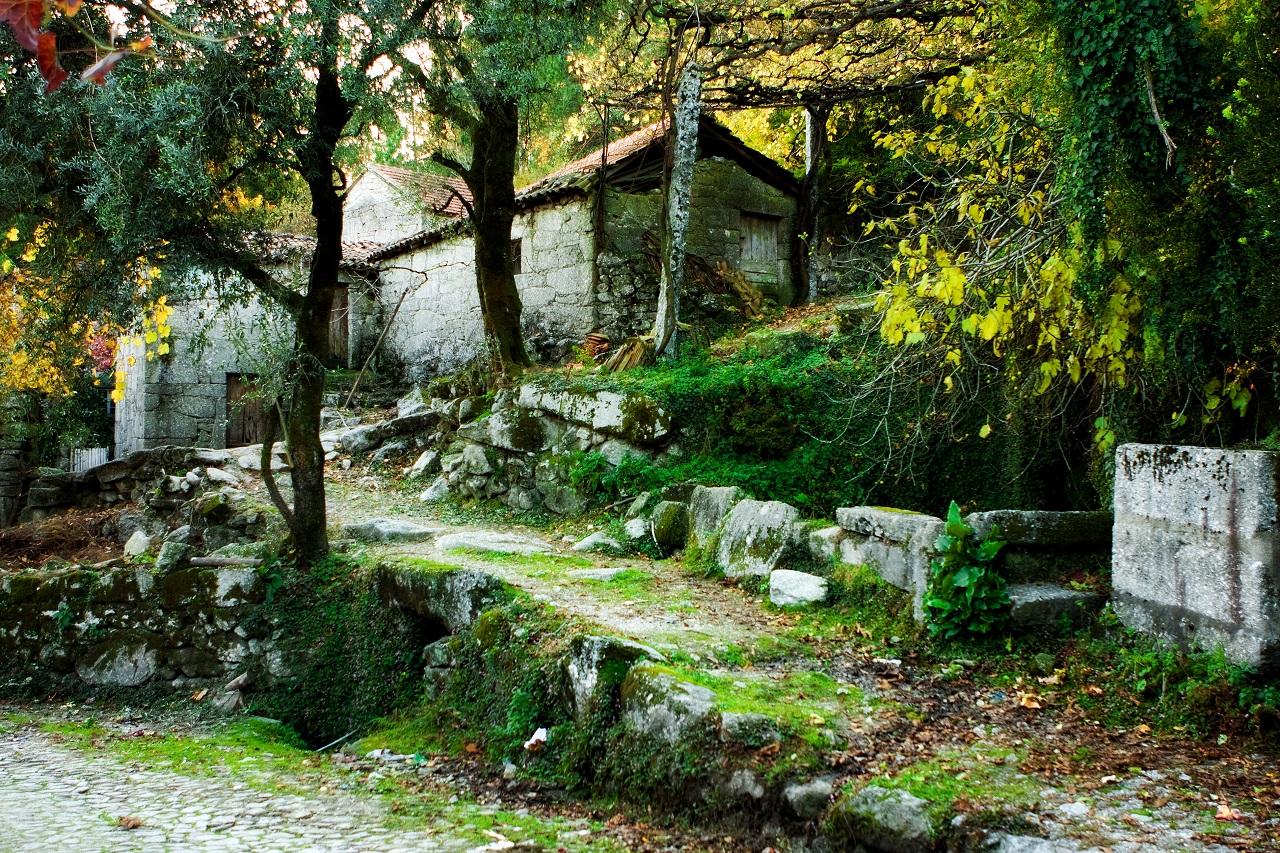
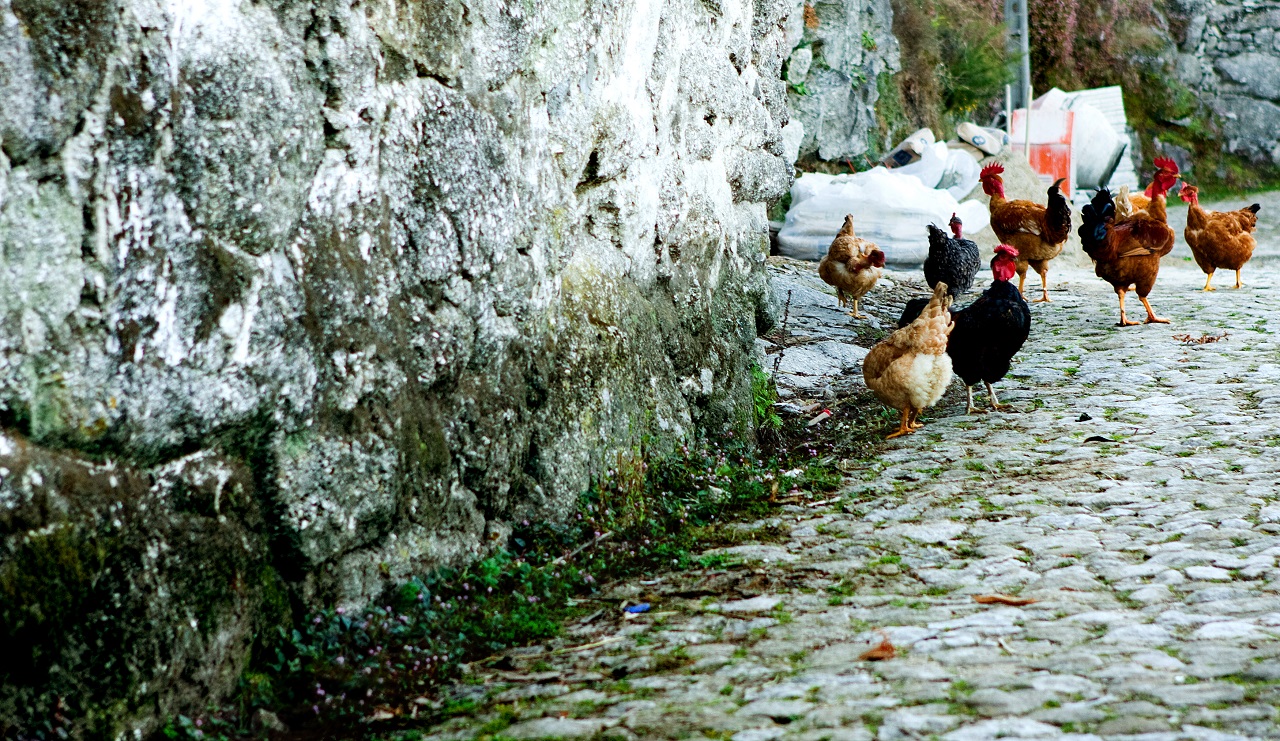
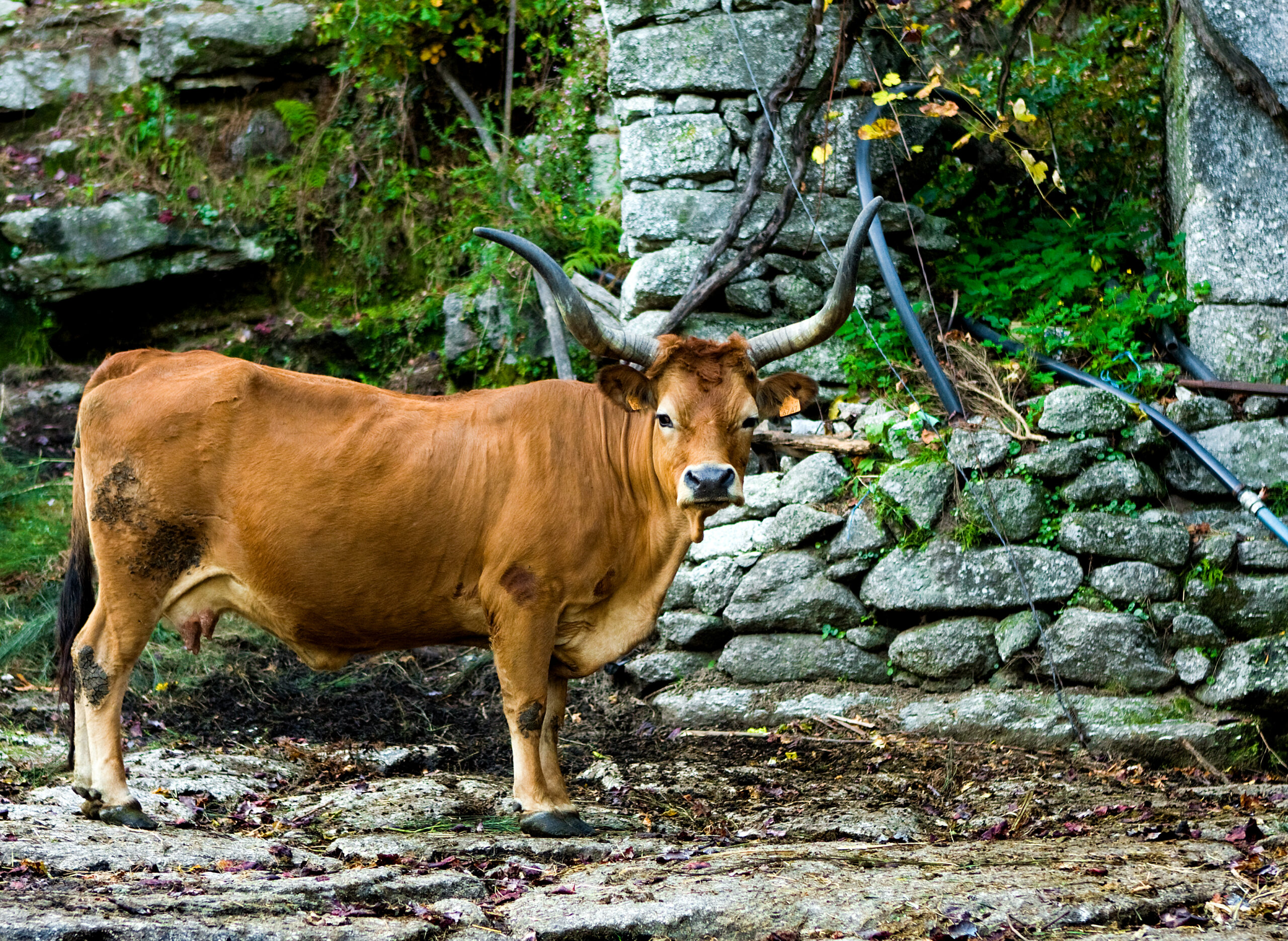
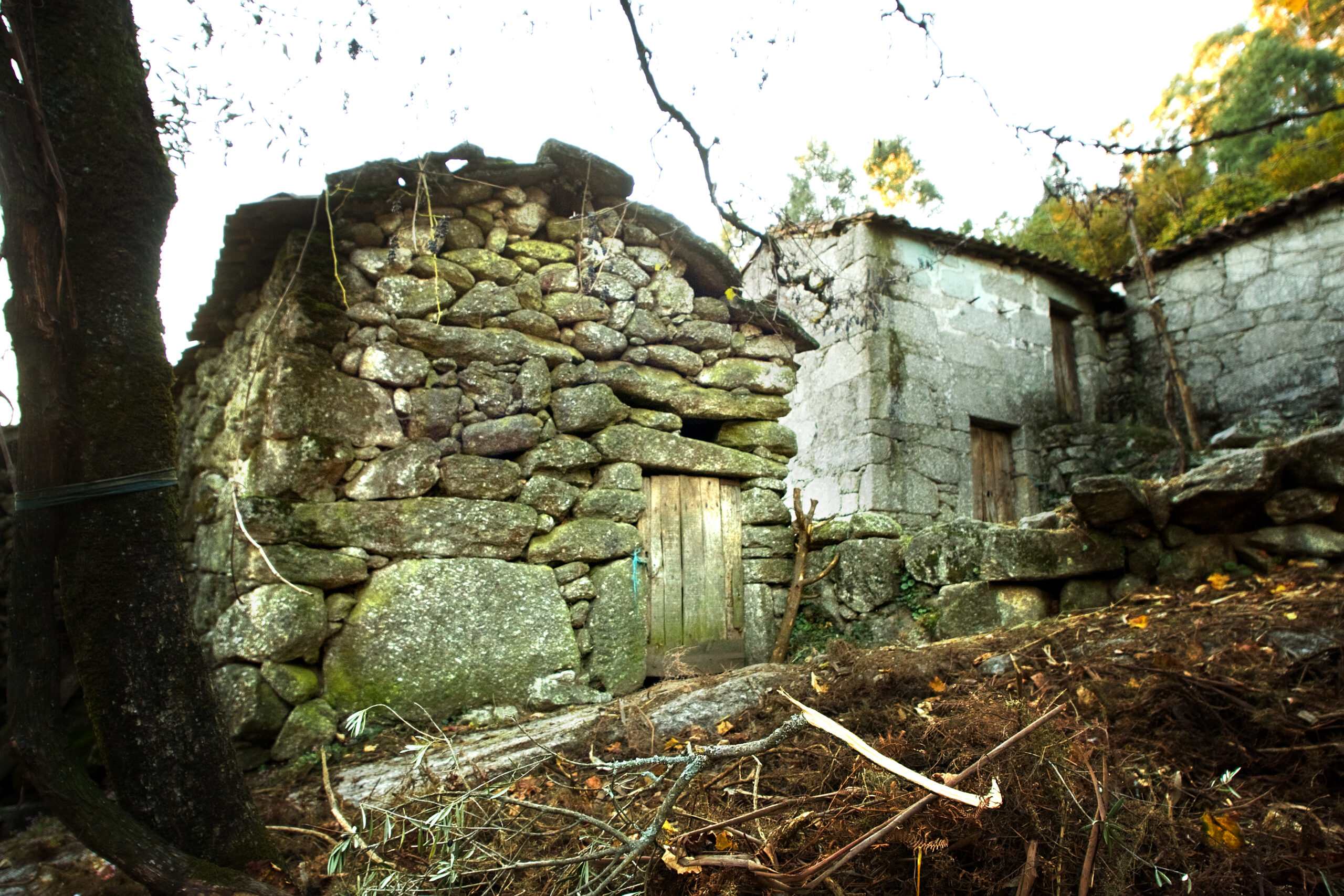
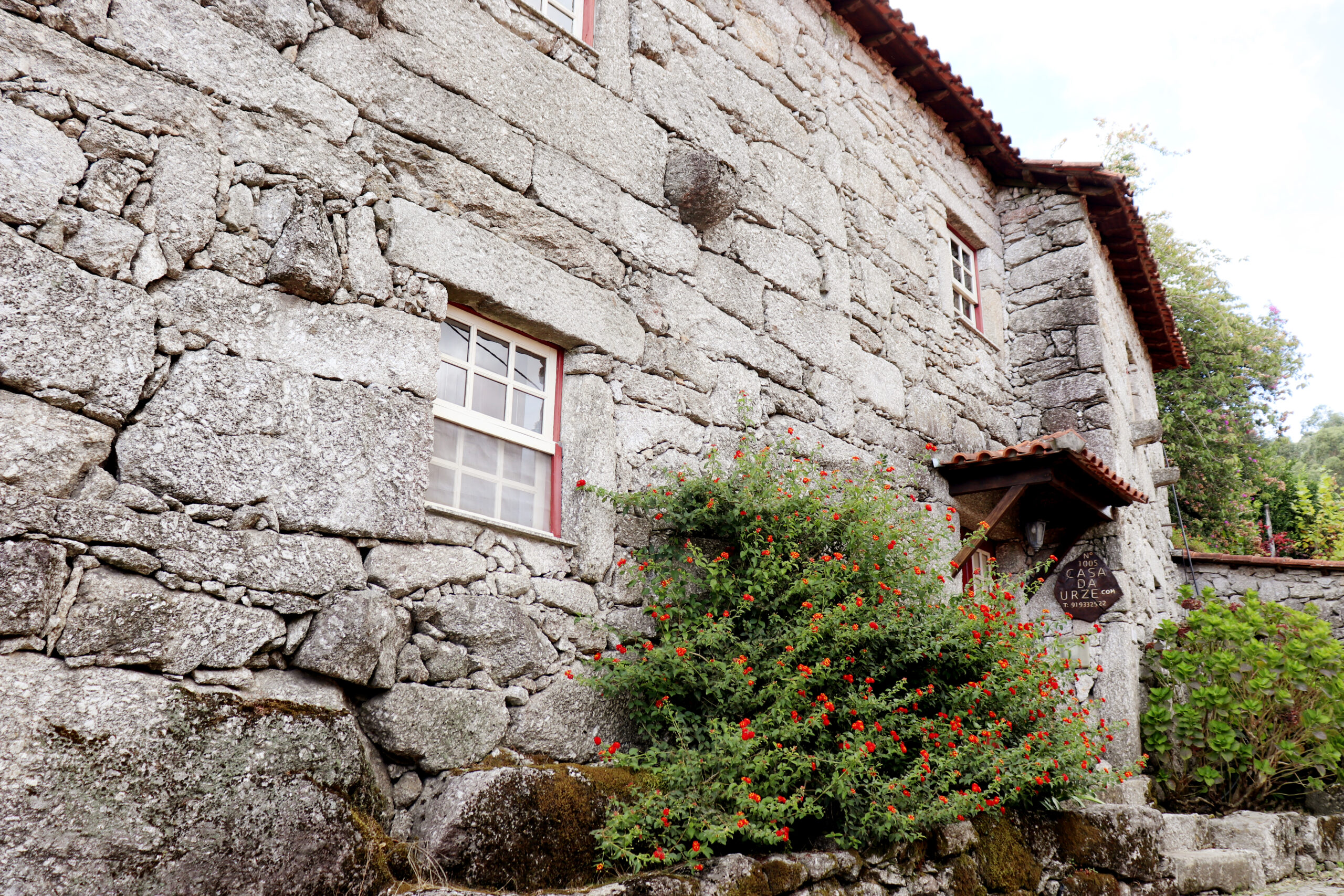
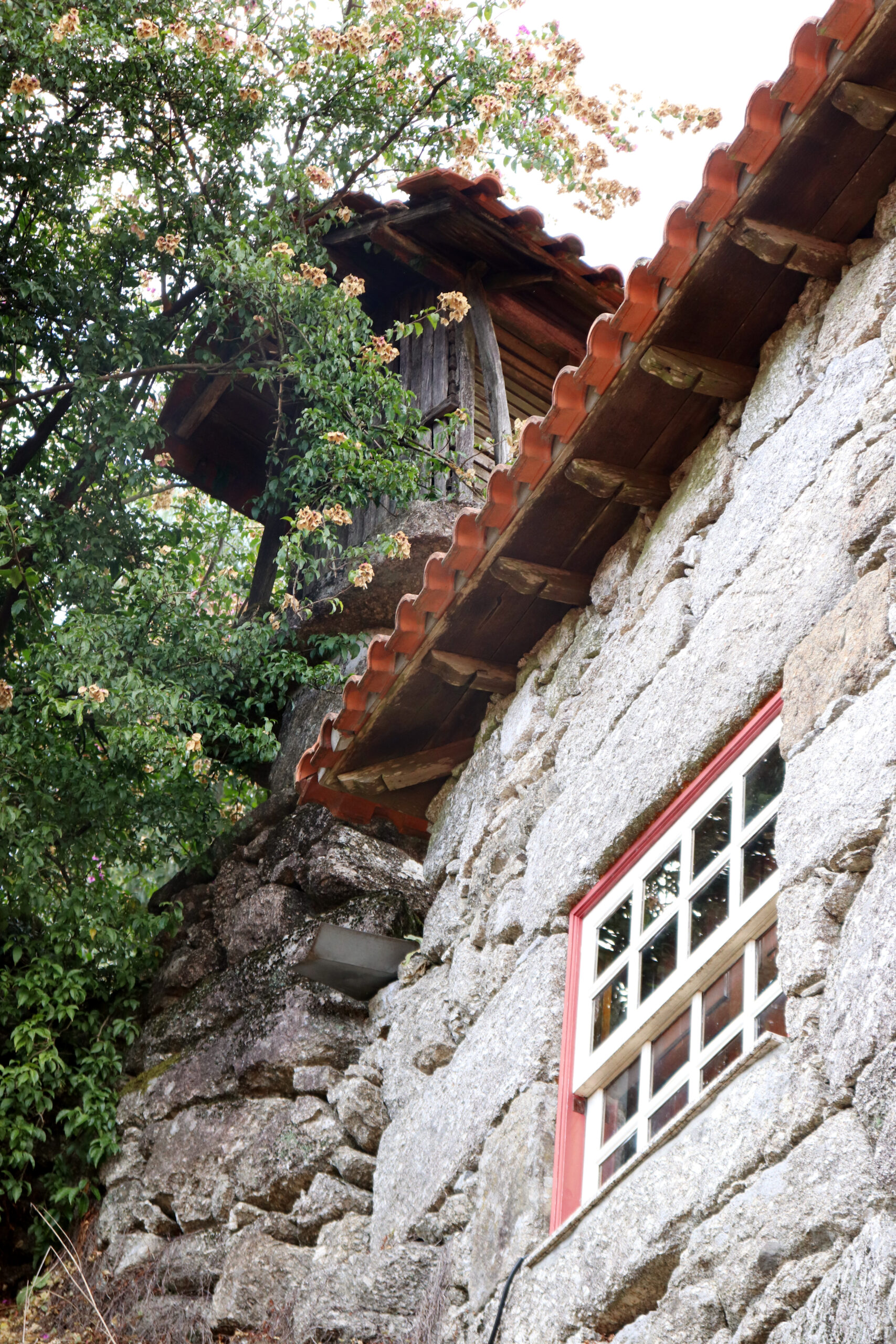
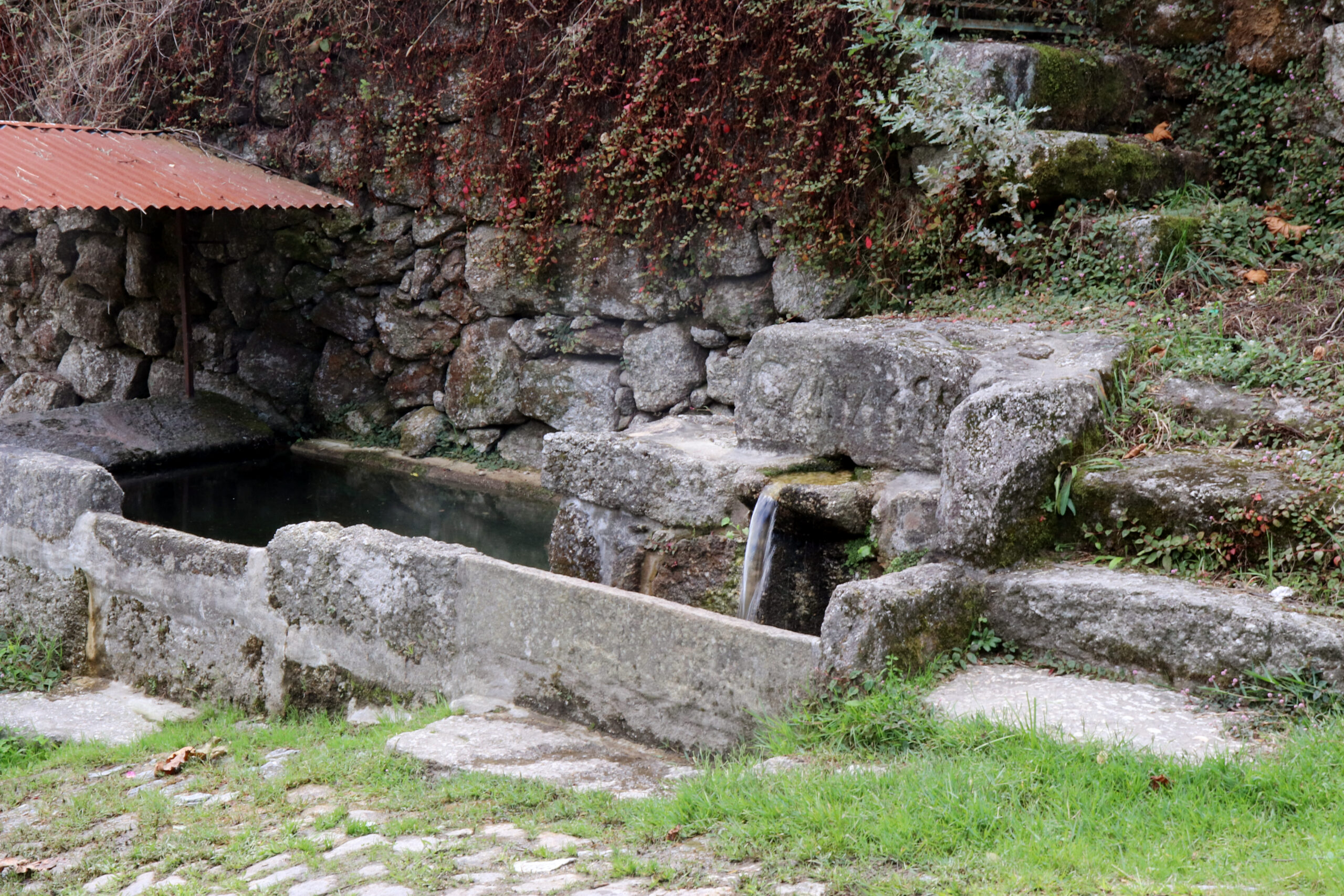
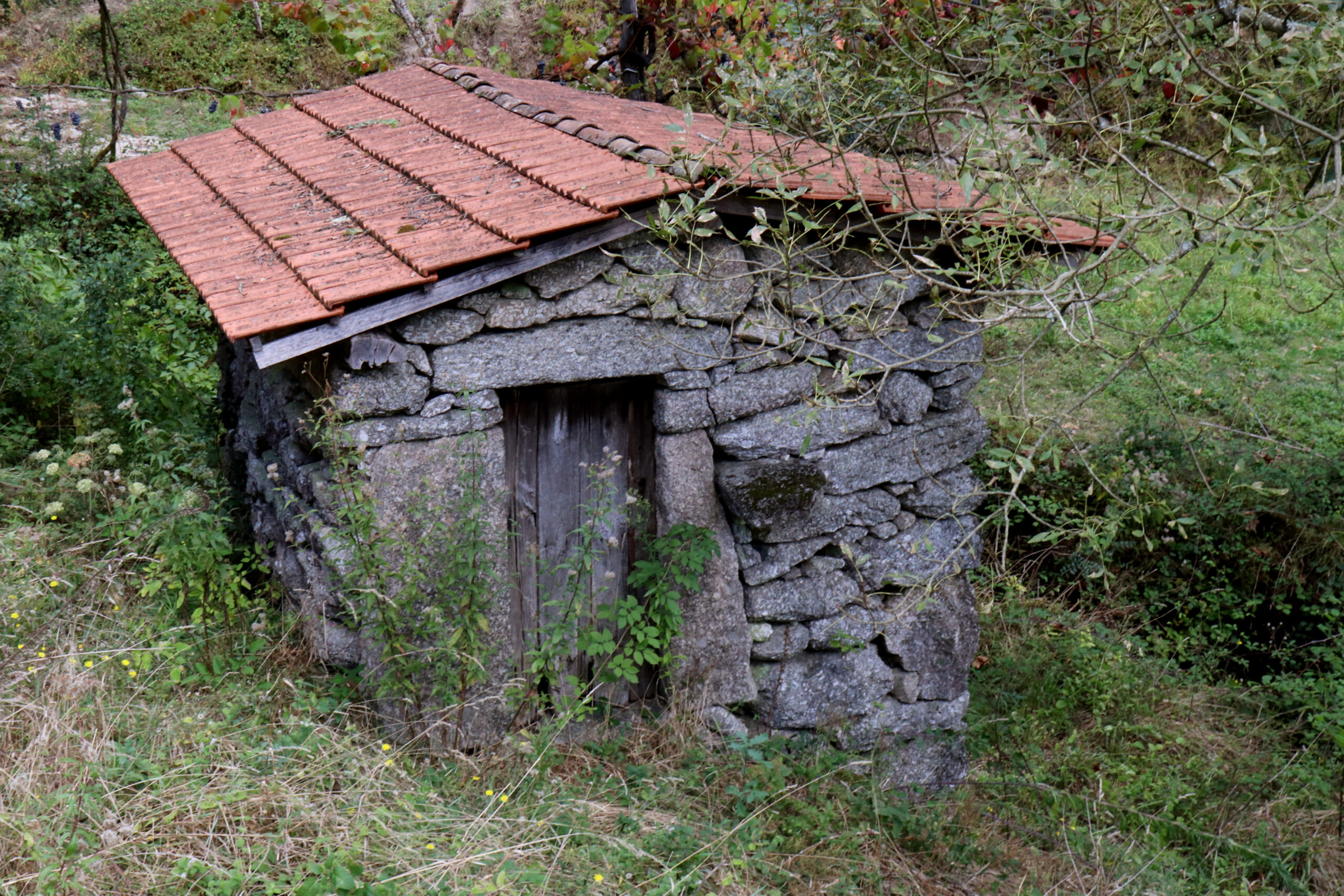
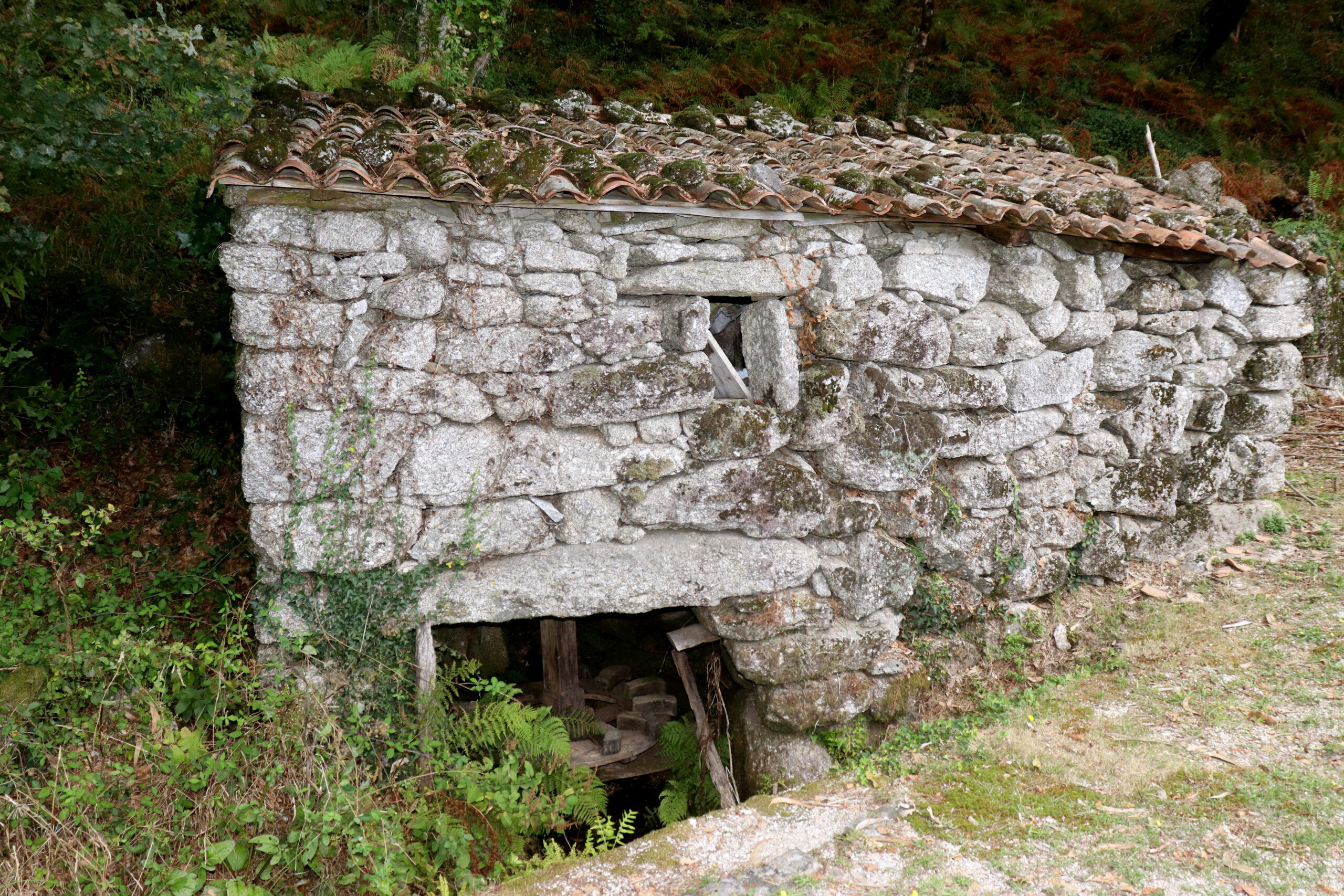
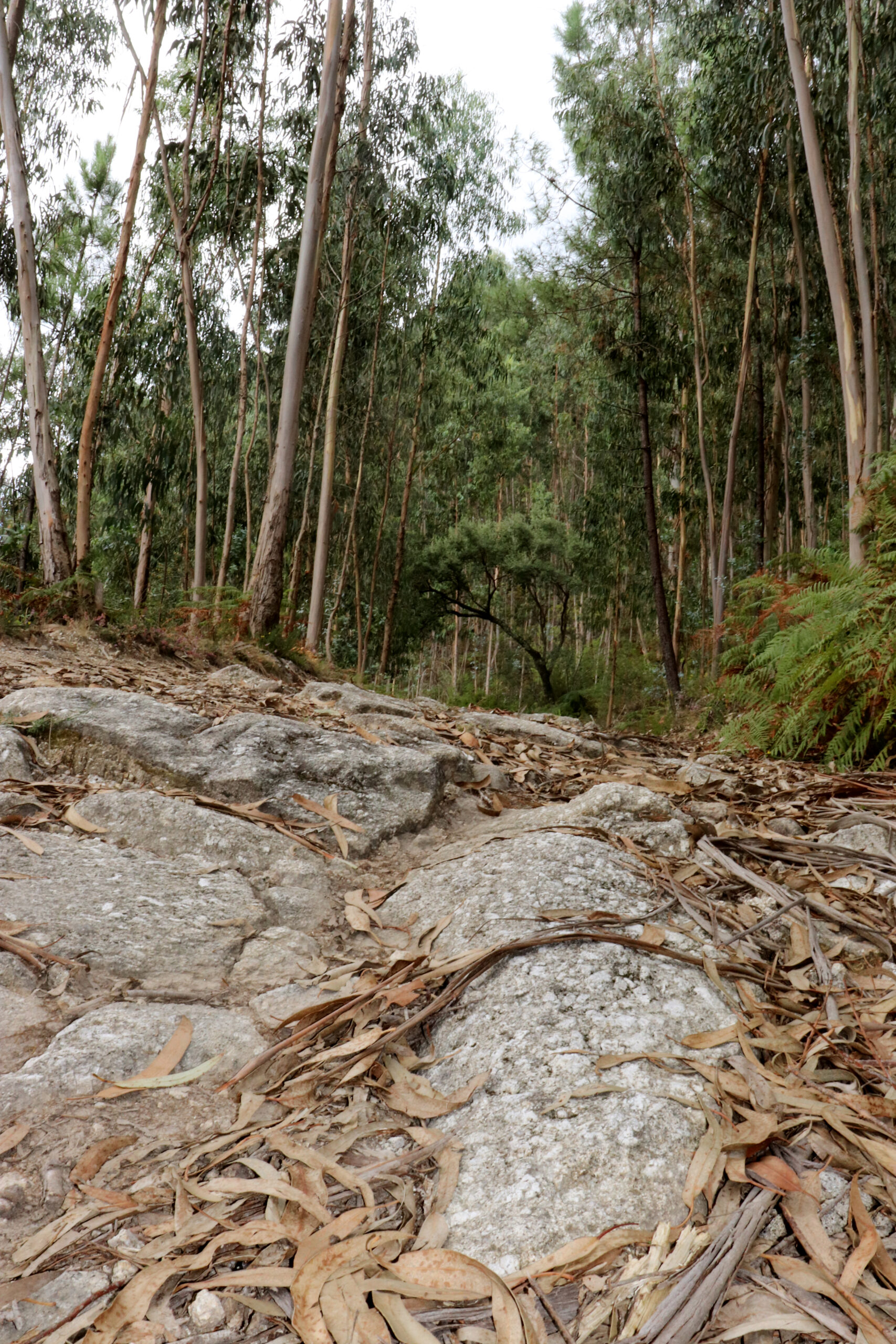
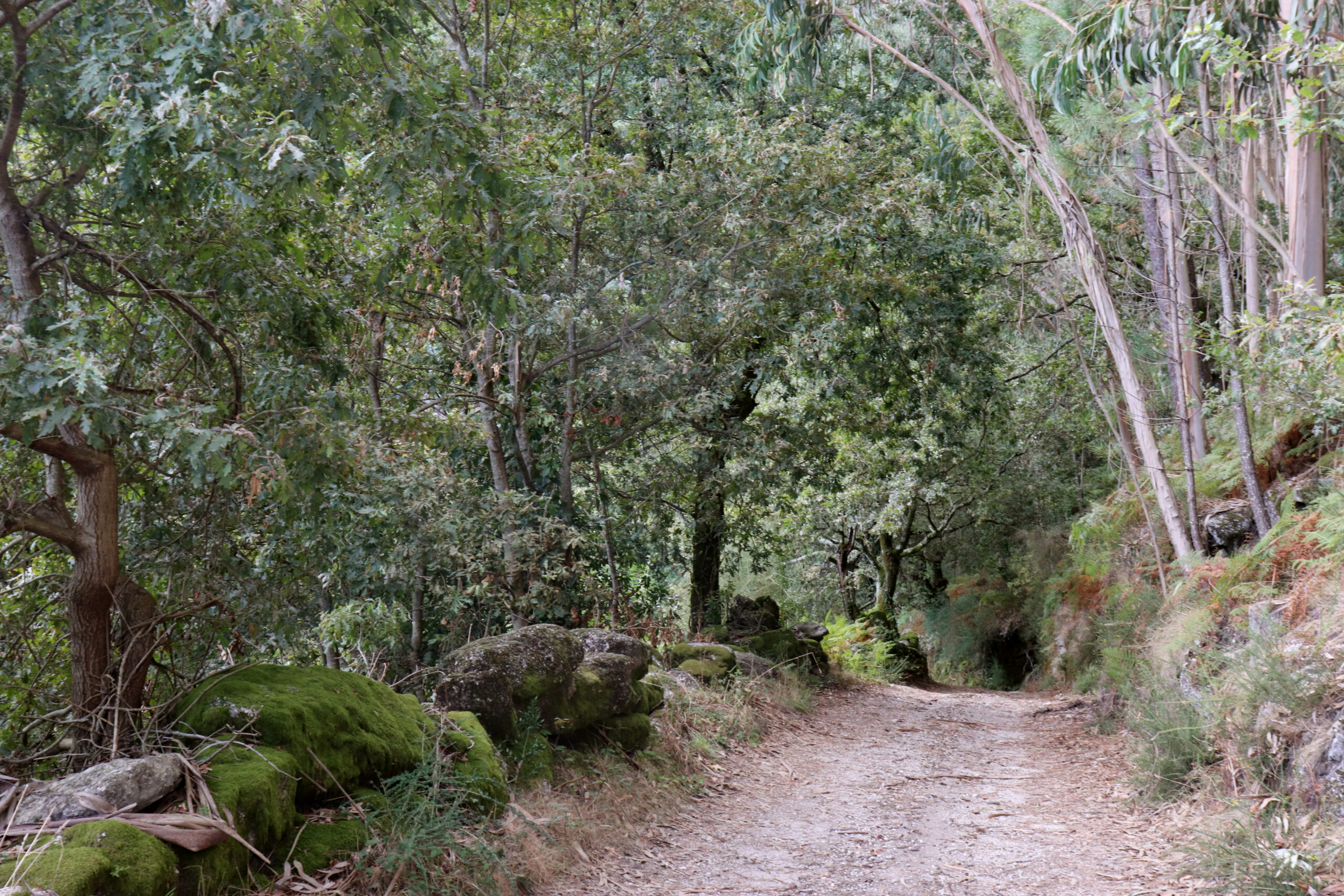
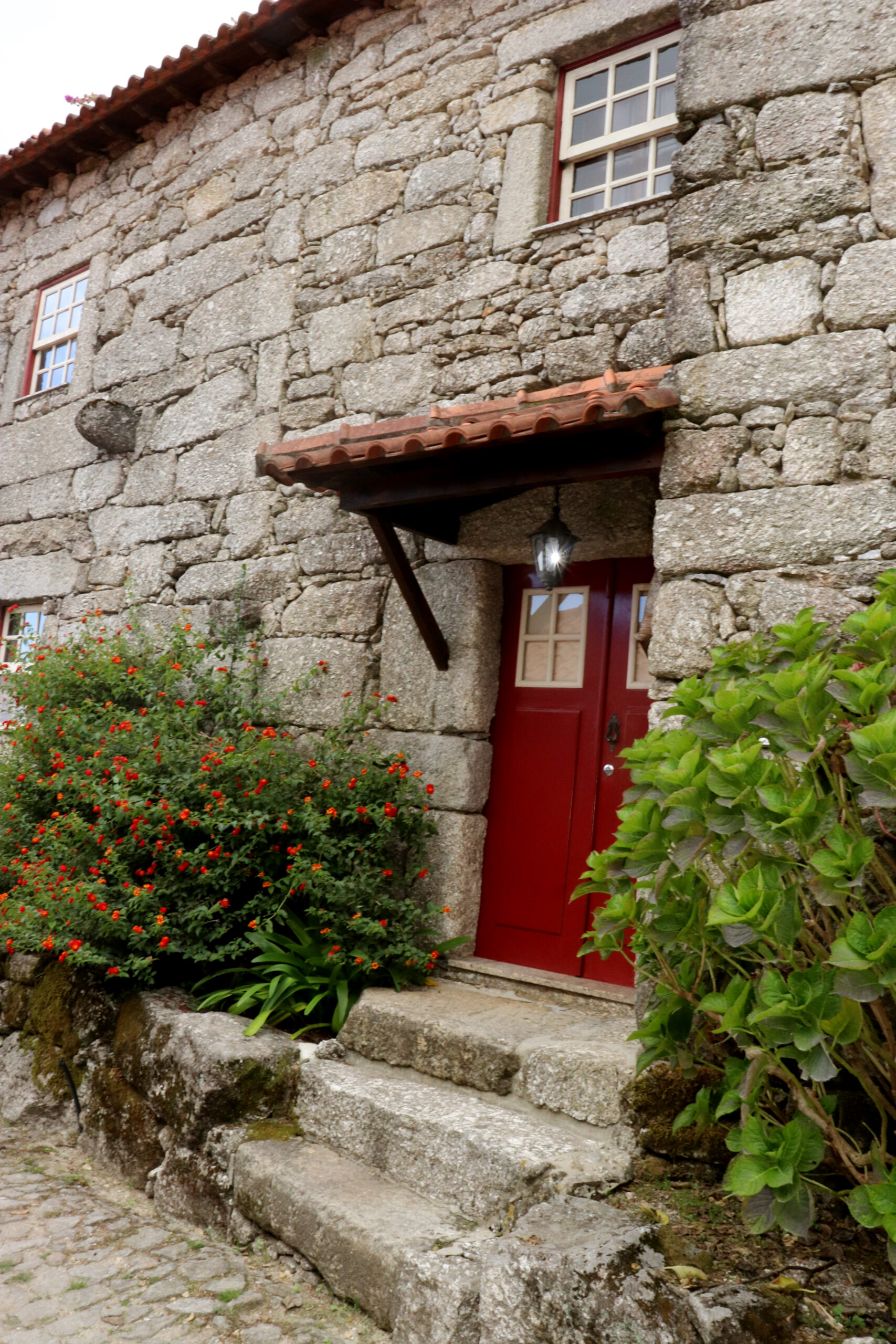
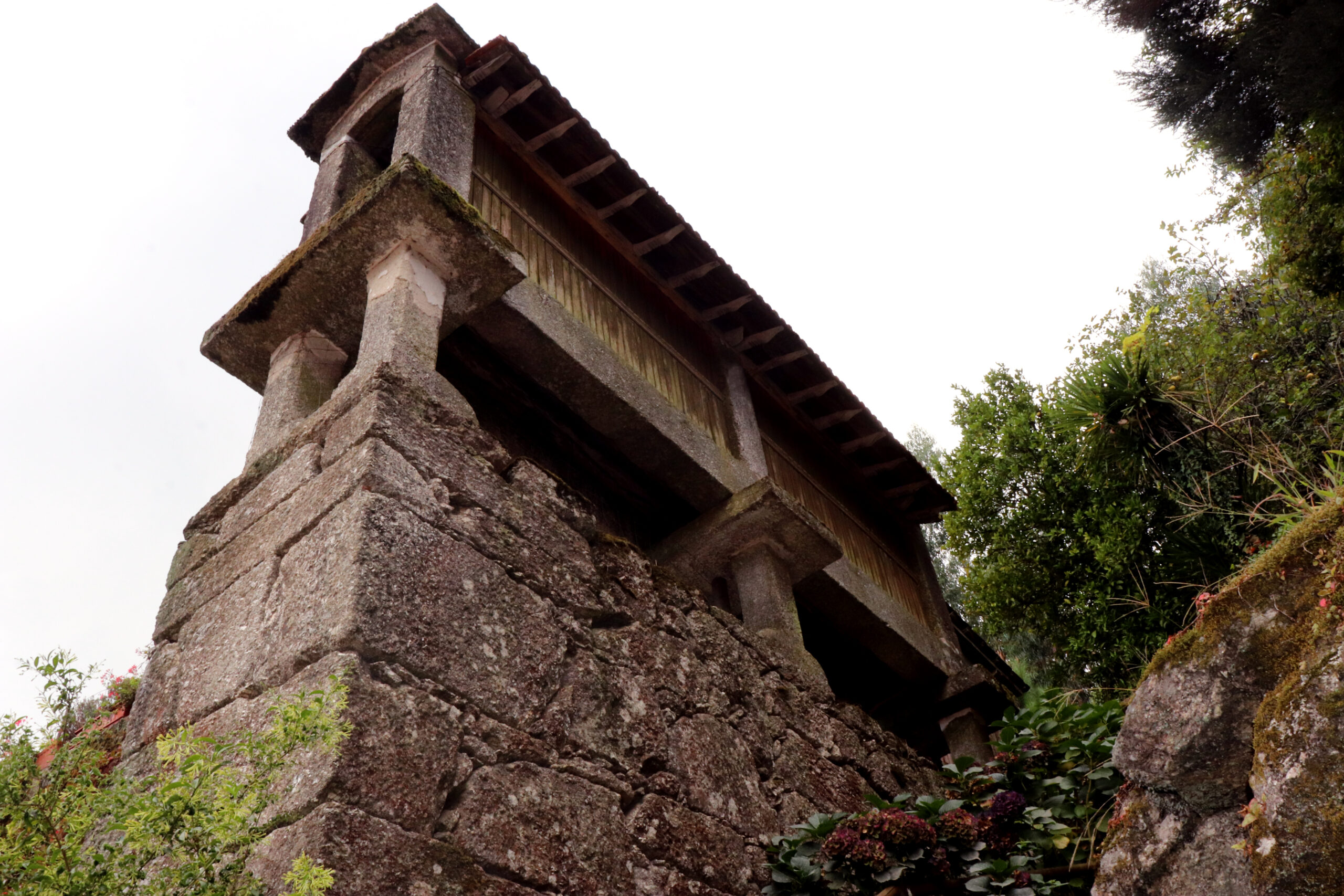
The village is nestled on the slopes of the Santa Isabel do Monte and Monte da Abadia mountains, enjoying unique landscapes. In the historic center of the village, there is a group of rustic houses built in granite stones, as well as some granaries and mills so characteristic of Minho. Some houses have been renovated and adapted for rural tourism. The narrow streets give access to others, made of dirt, which sometimes take us along surprising trails, sometimes to unexpected encounters with herds or, for the more adventurous, even to the aerodynamic swing of Urjal.