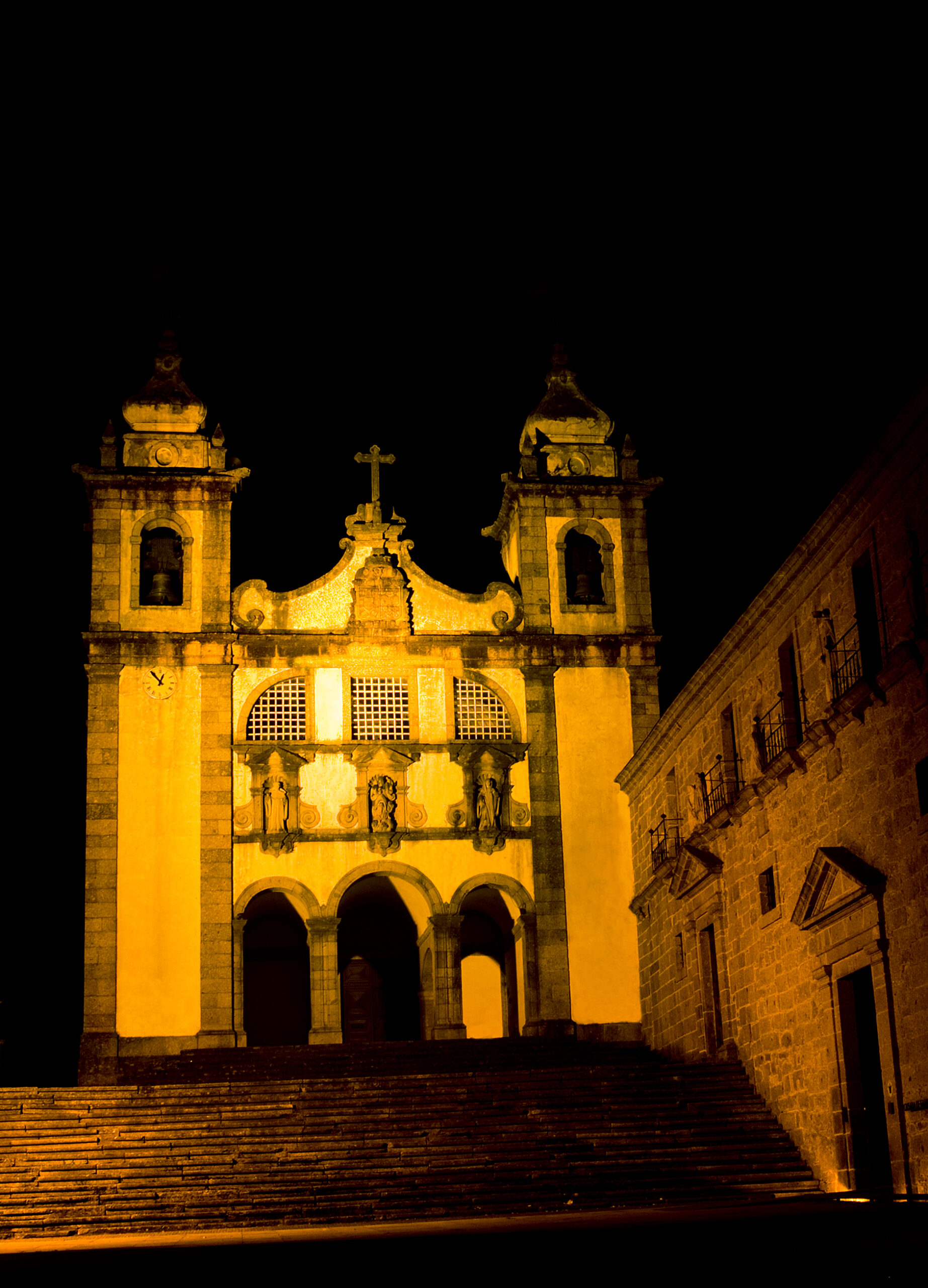
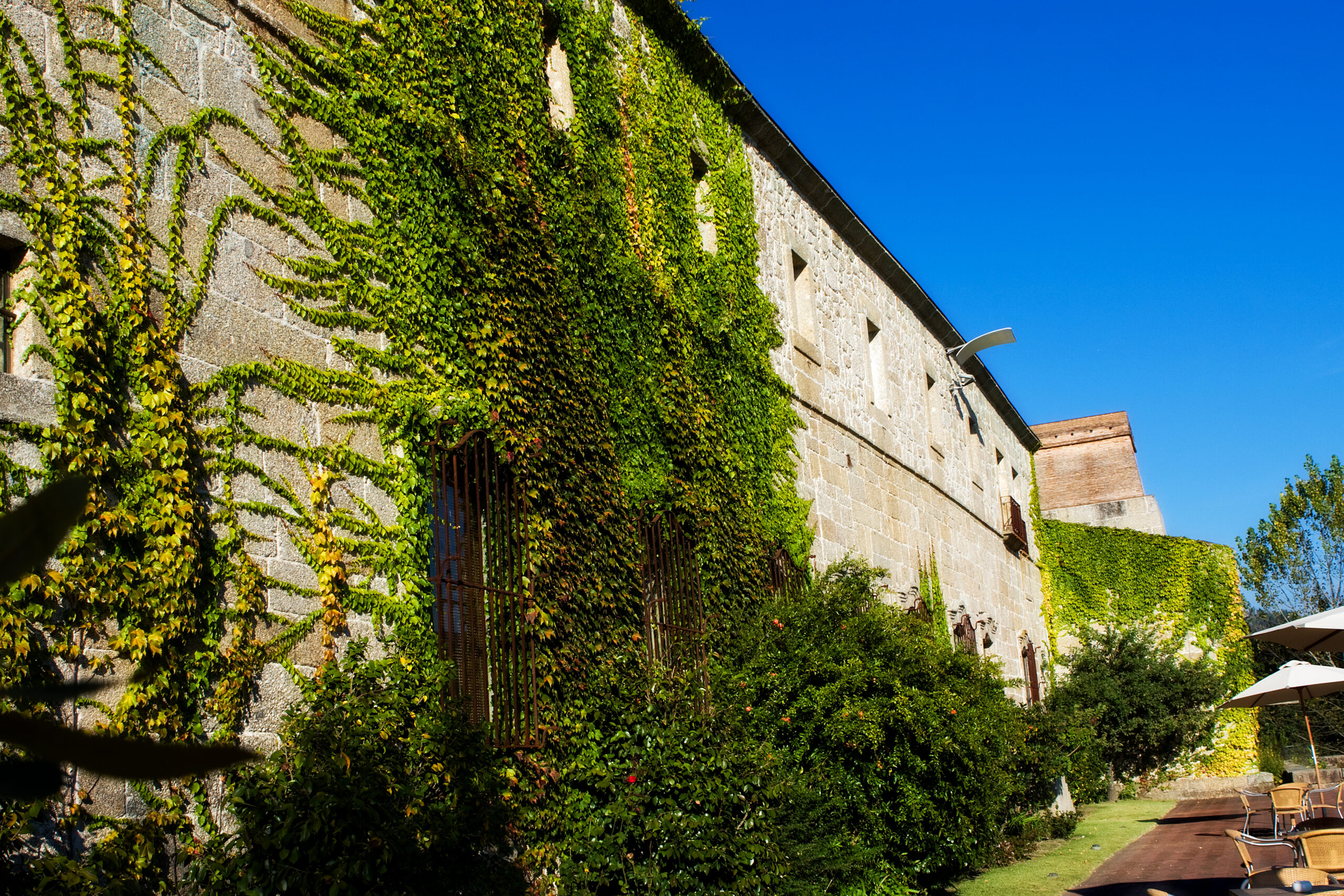
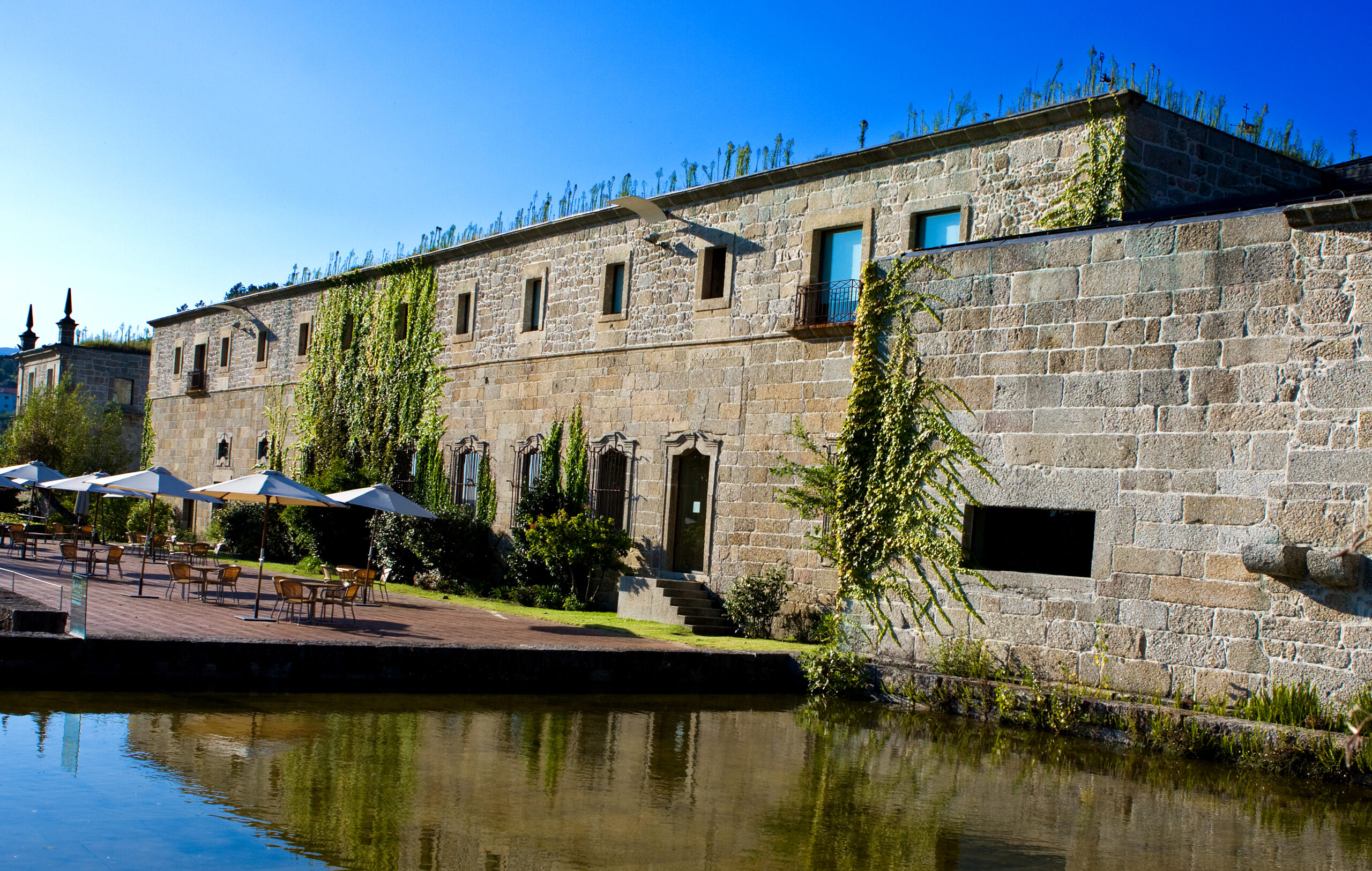
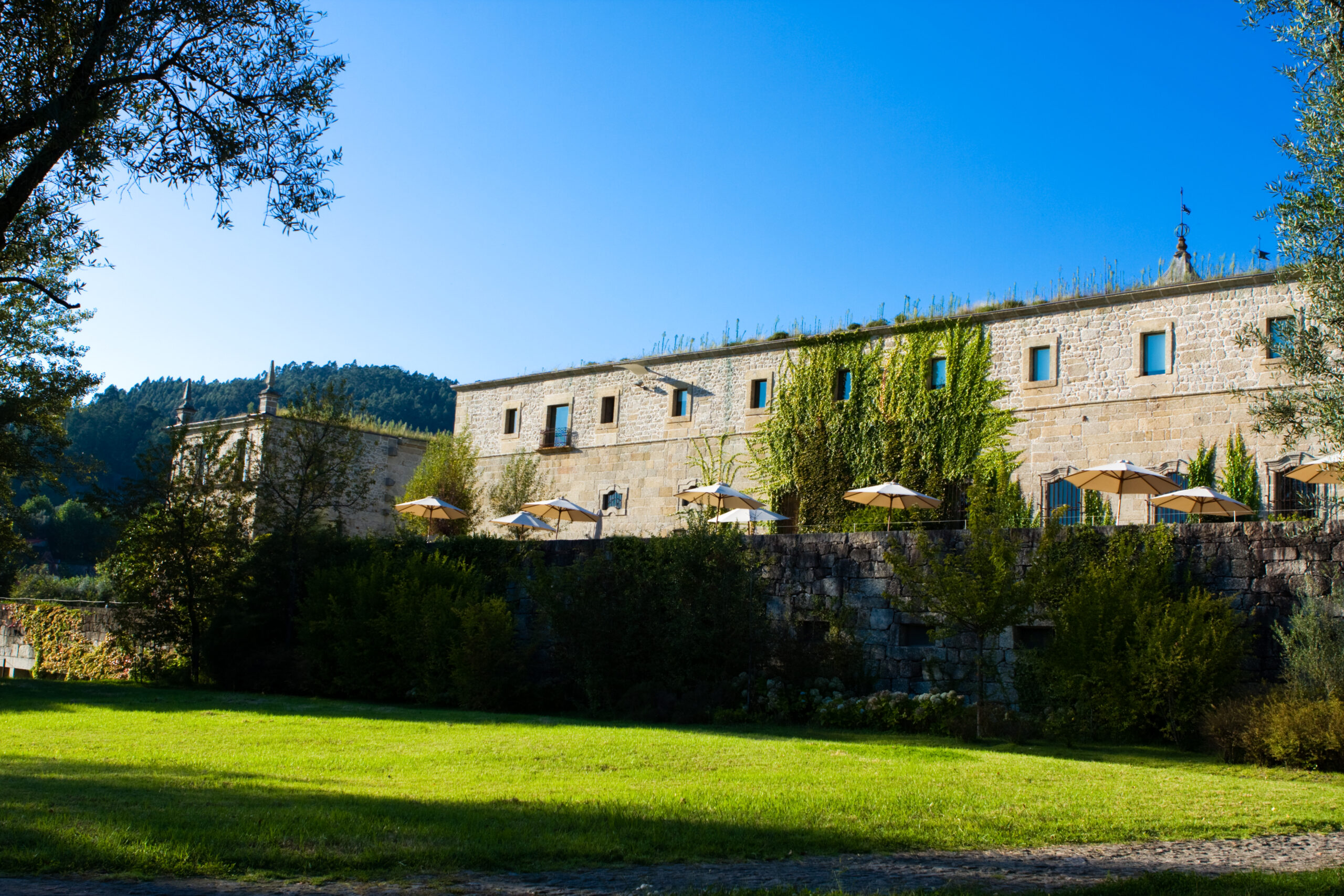
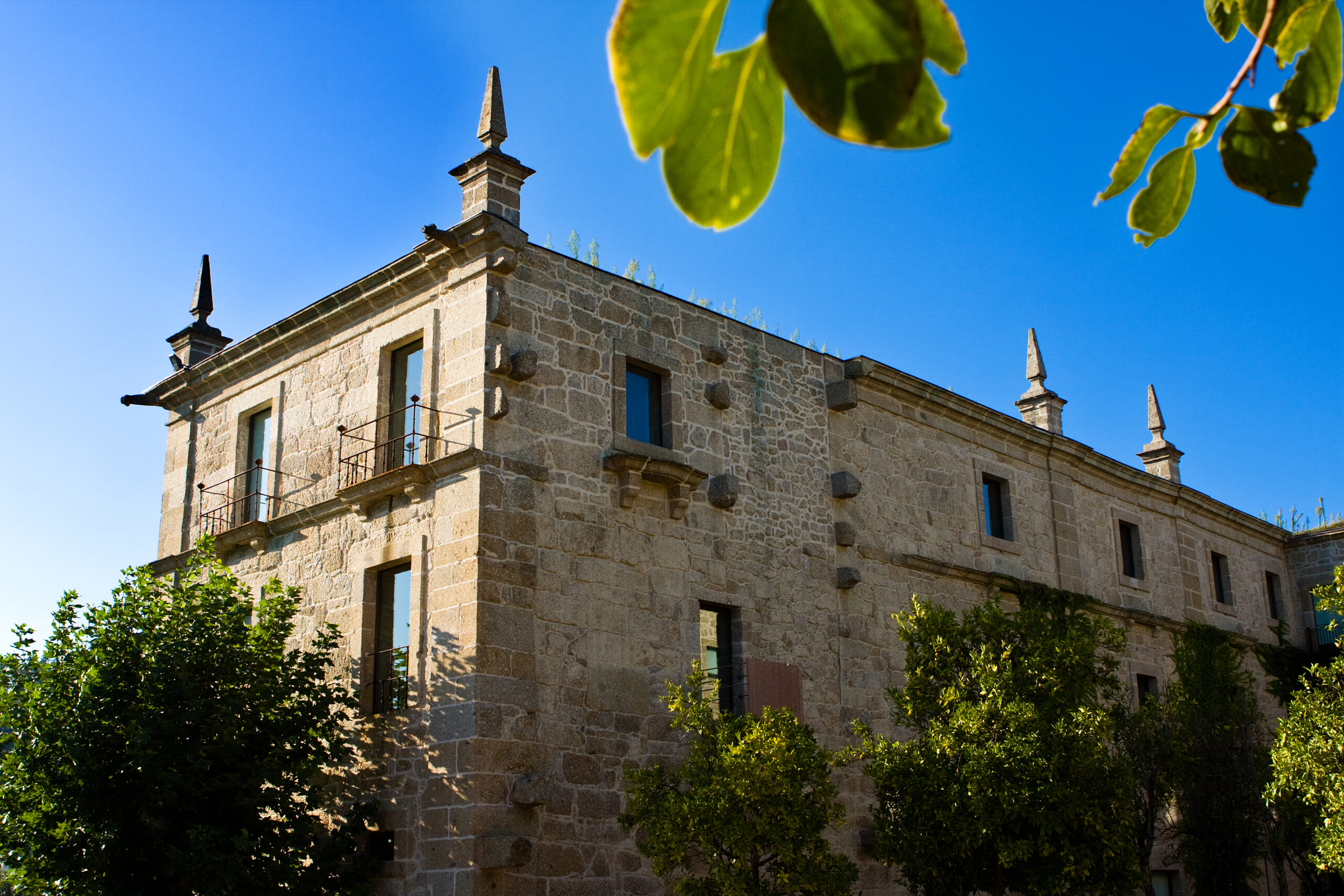
The Pousada de Santa Maria de Bouro is today, by consensus, an important undertaking of the council, not only for the service itself, but mainly for the fact that it can take visitors and guests to learn a little about the history of the region and beyond.
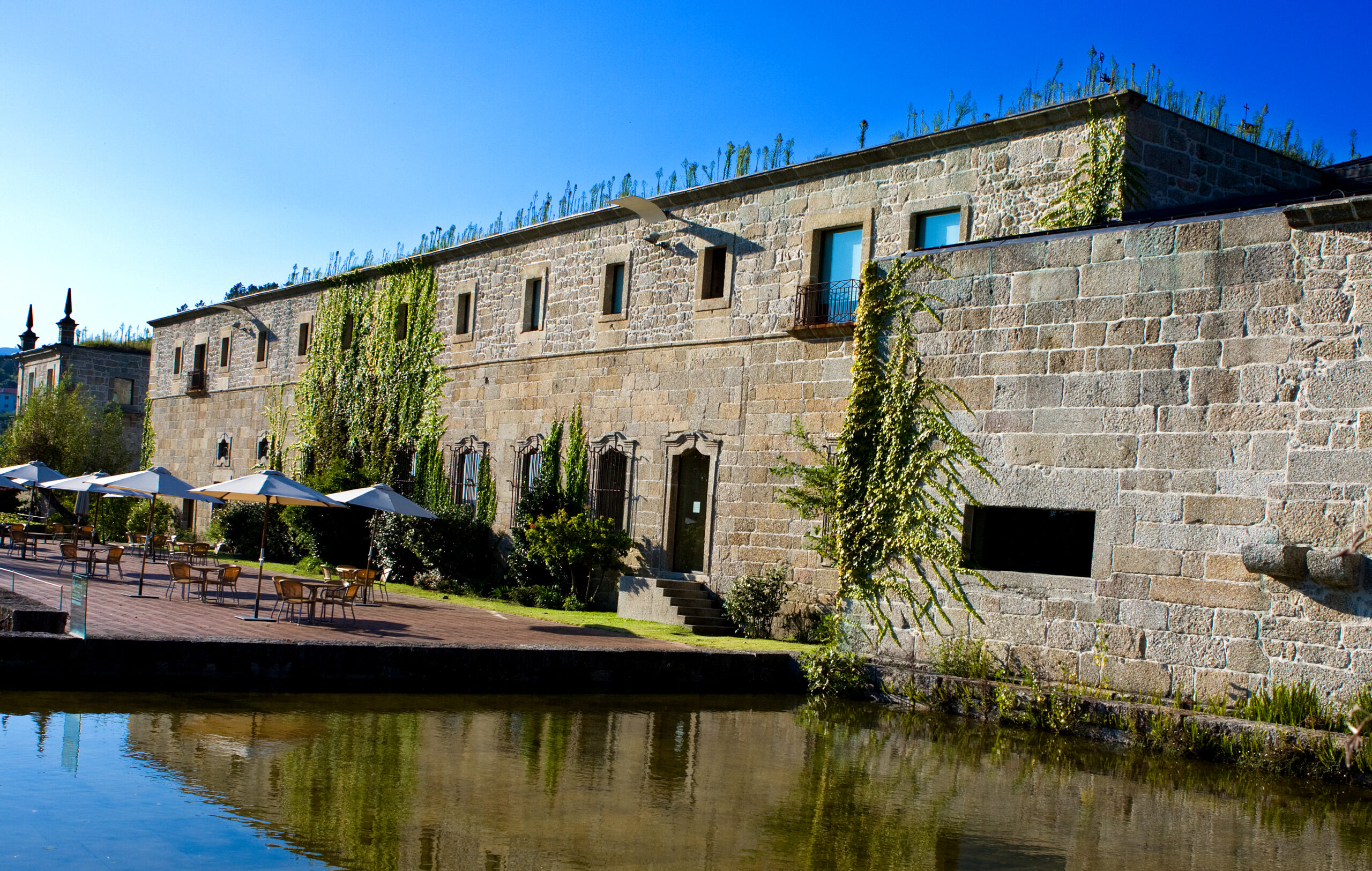
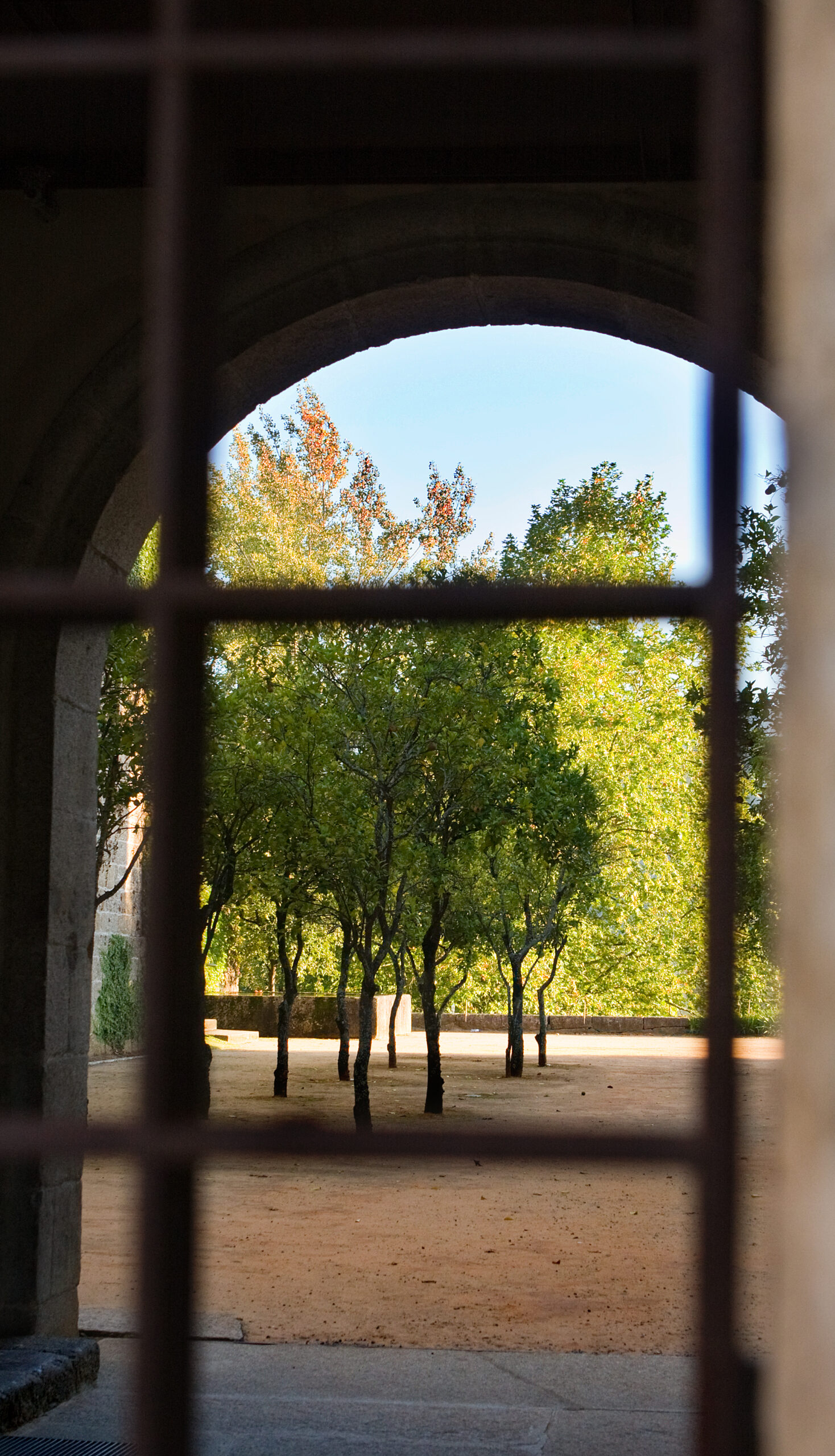
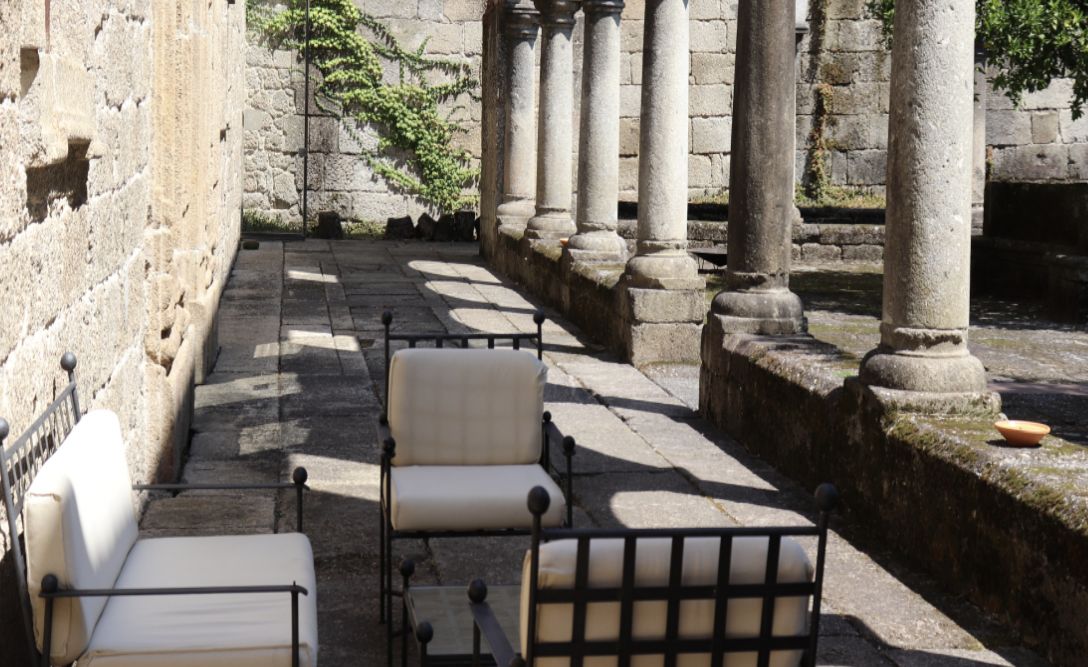
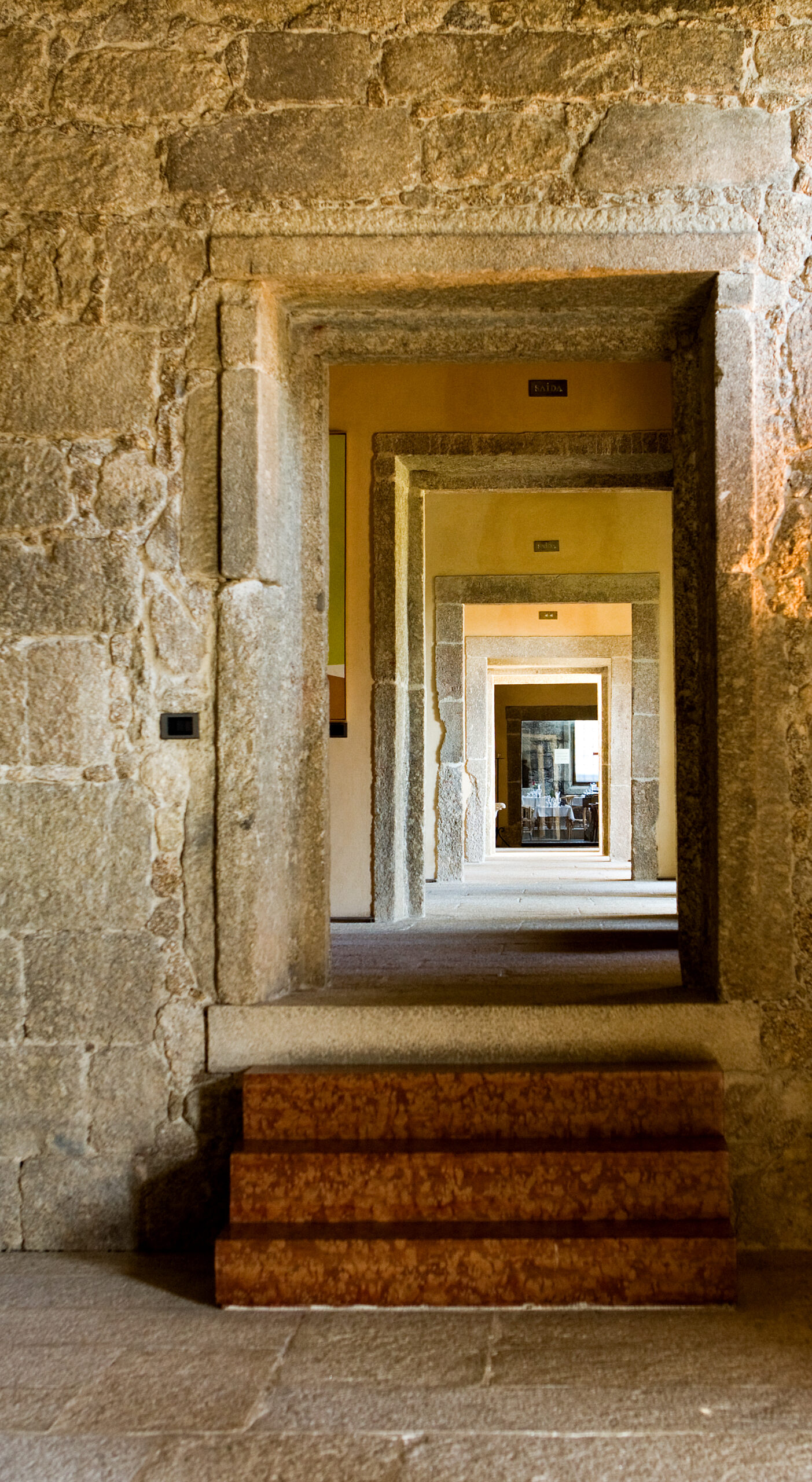
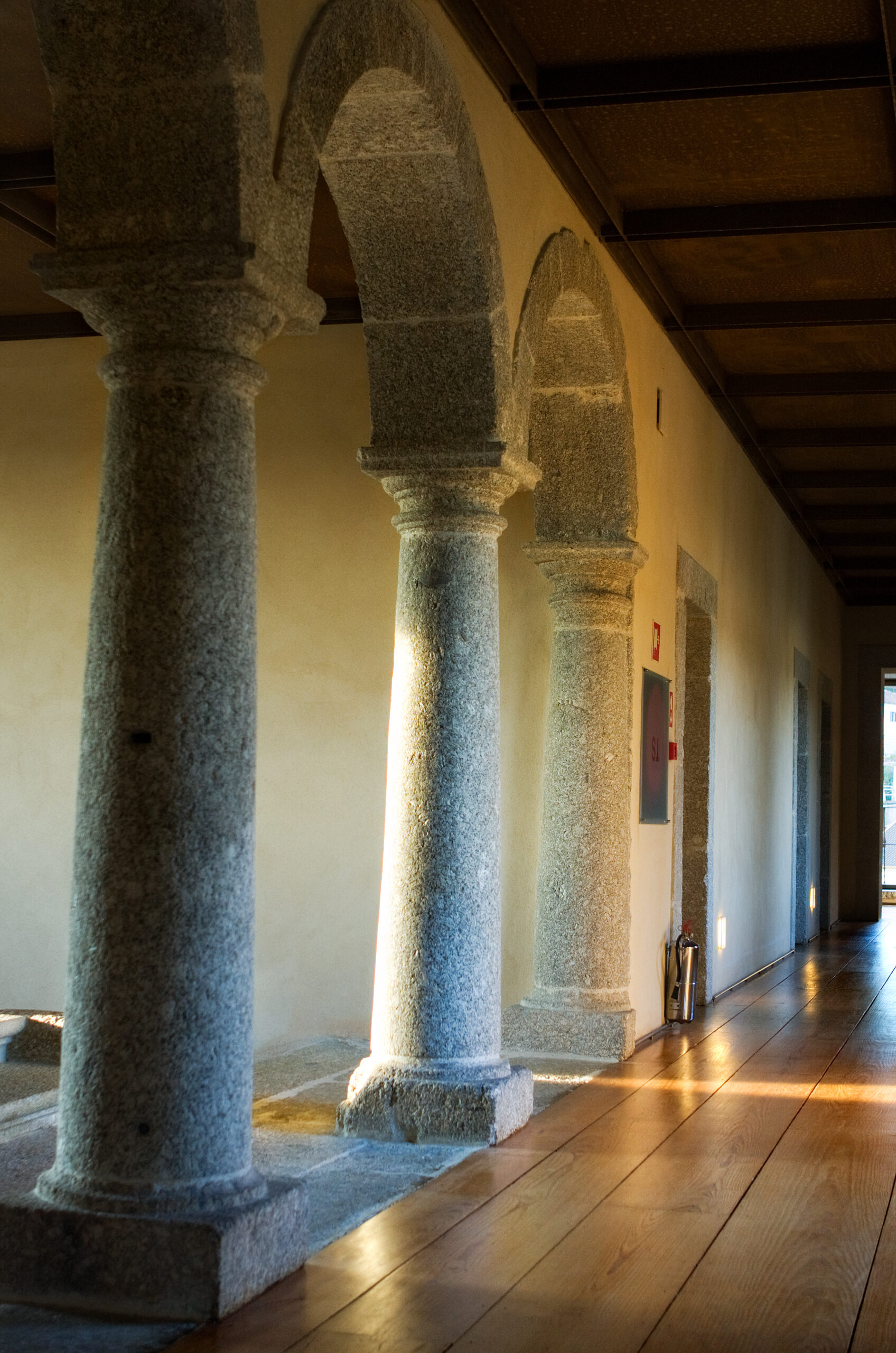
In fact, the recovery project carried out by Souto Moura took into account the preservation, as far as possible, of architectural and decorative aspects of the old monastery; in addition to the introduction of elements characteristic of the municipality of Amares, which included orange trees, vineyards and olive groves.
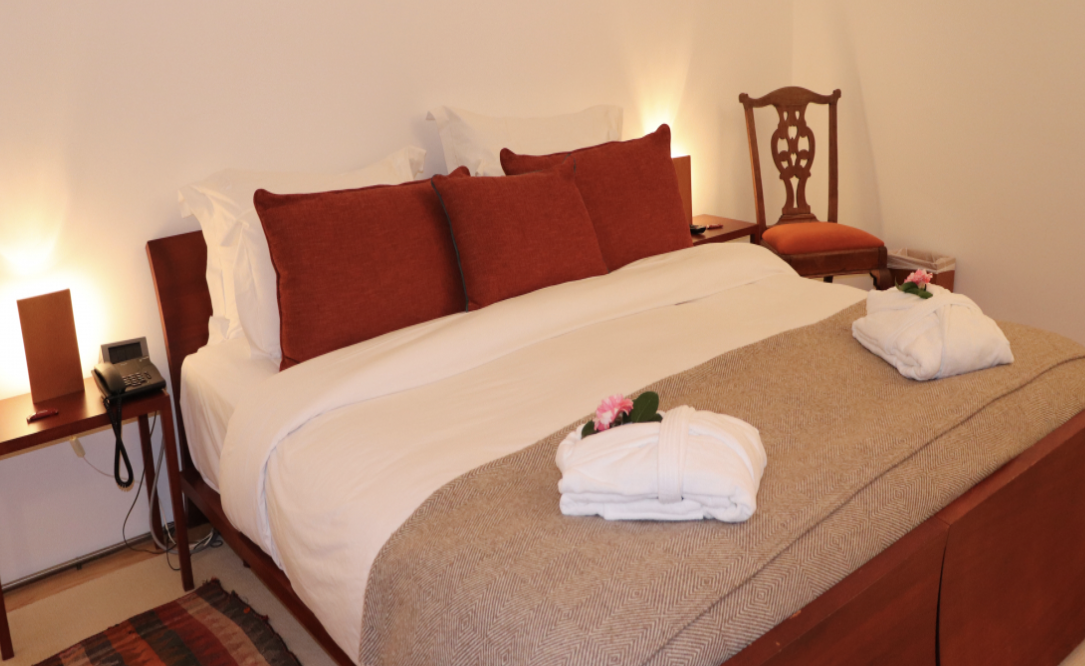
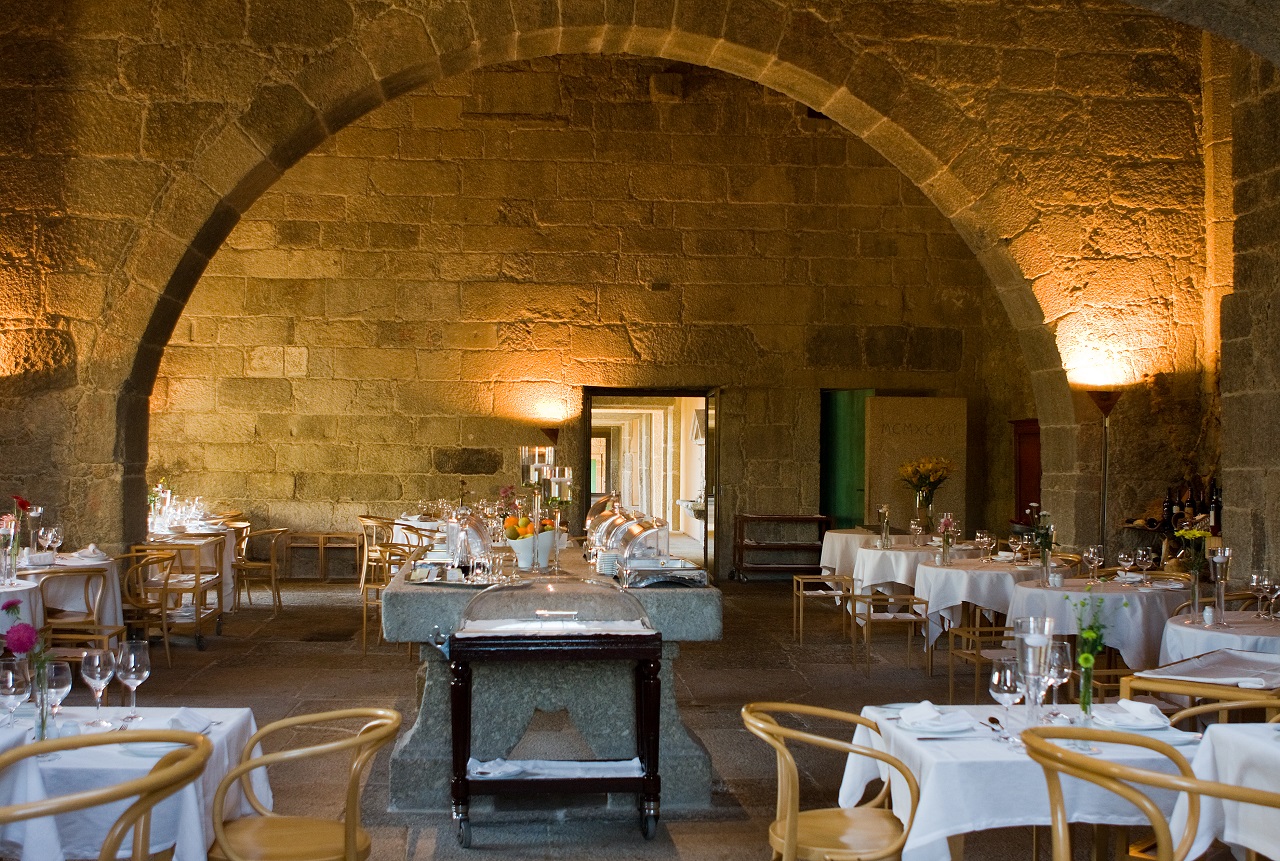
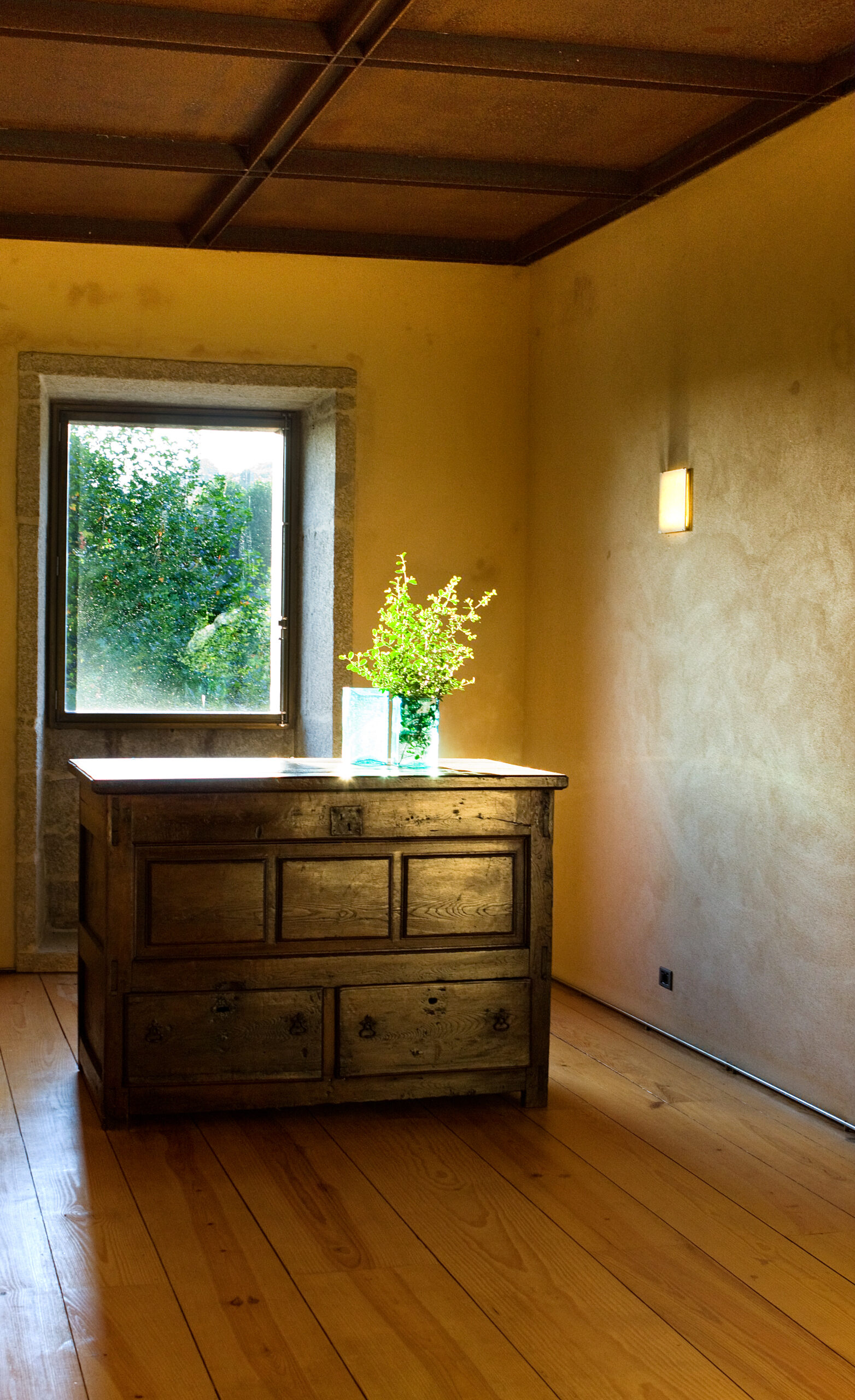
For example, the old kitchen continues to perform this function, as does the dining room, introducing luxury to the old building. The same can be said of the former monks’ cells, now transformed into 32 luxury rooms.
The old wine press was restored, other facilities were transformed into meeting, conference and exhibition venues; only the chapter house is underutilized.
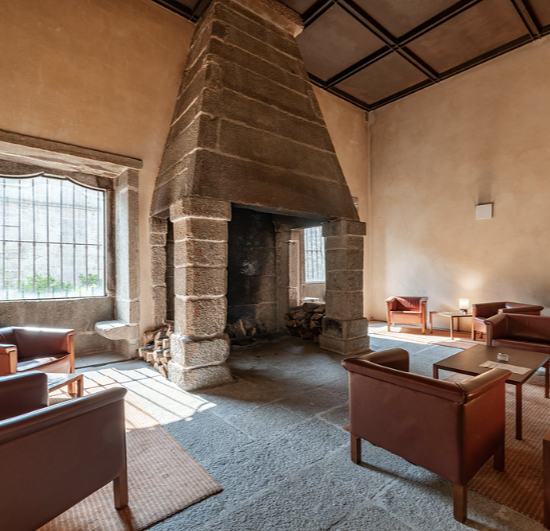
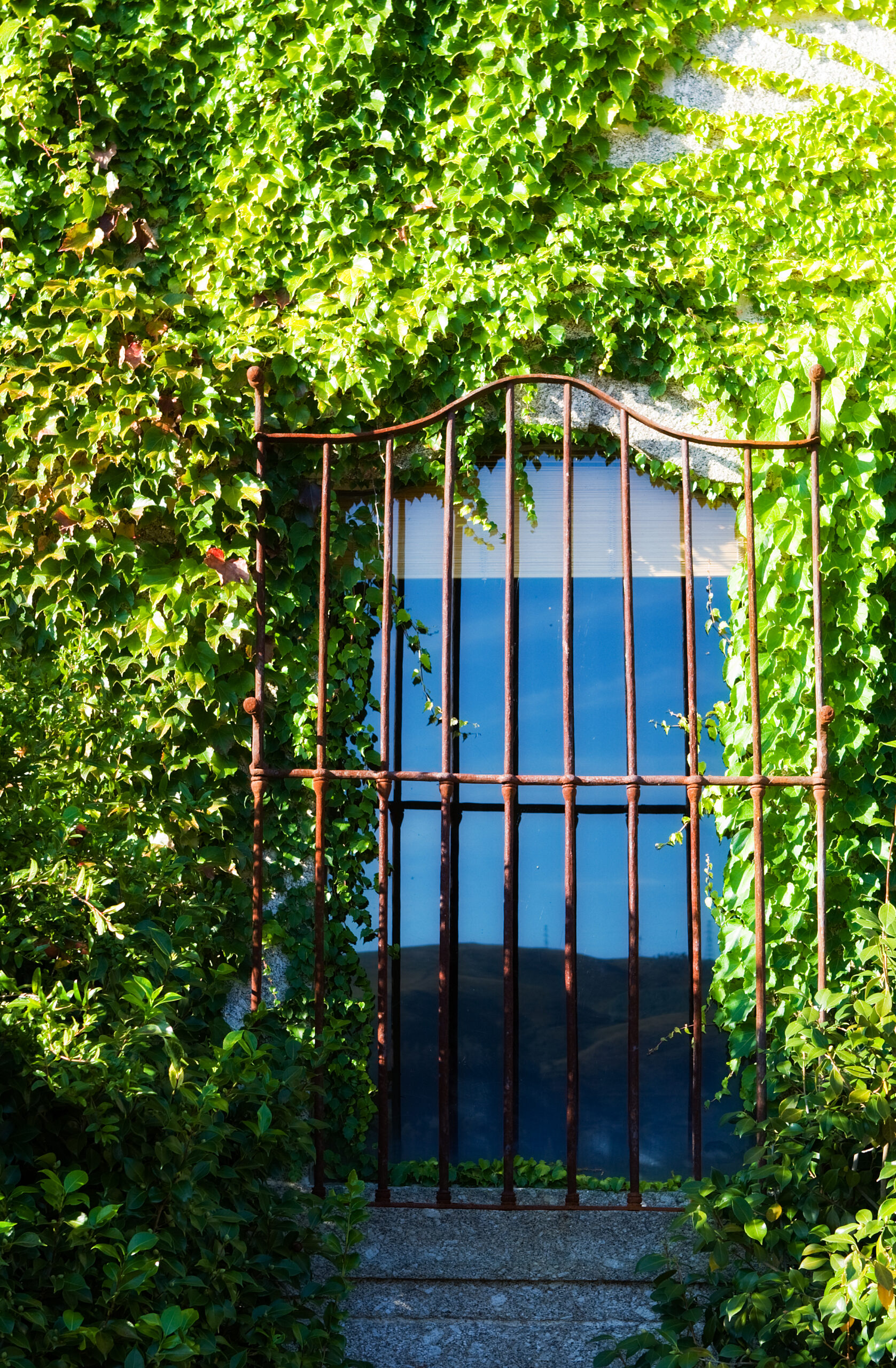
In addition to wood and stone, the architect used new materials such as iron, coffer, steel, glass and titanium, in a combination that is pleasing to the eye.
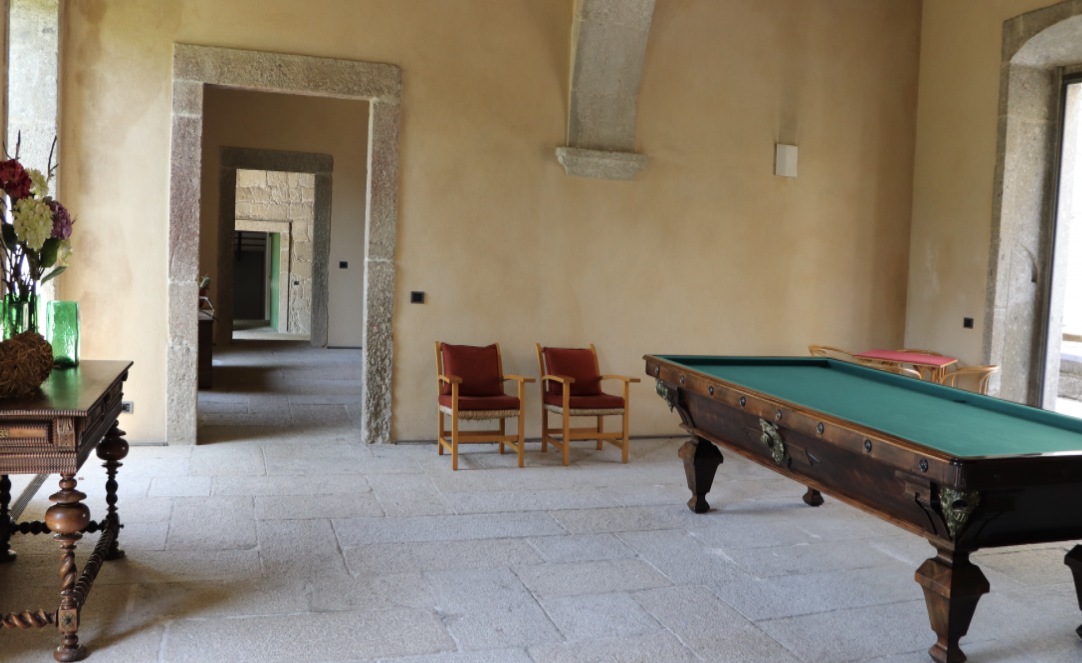
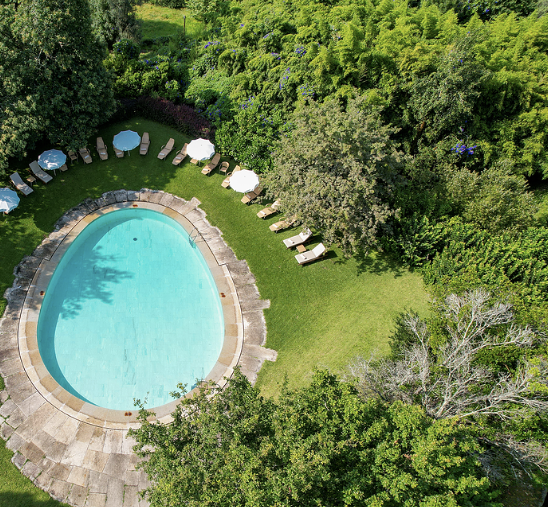
The property’s renovation also included the construction of new equipment for modern times, such as swimming pools, tennis courts, games rooms, among other infrastructures.
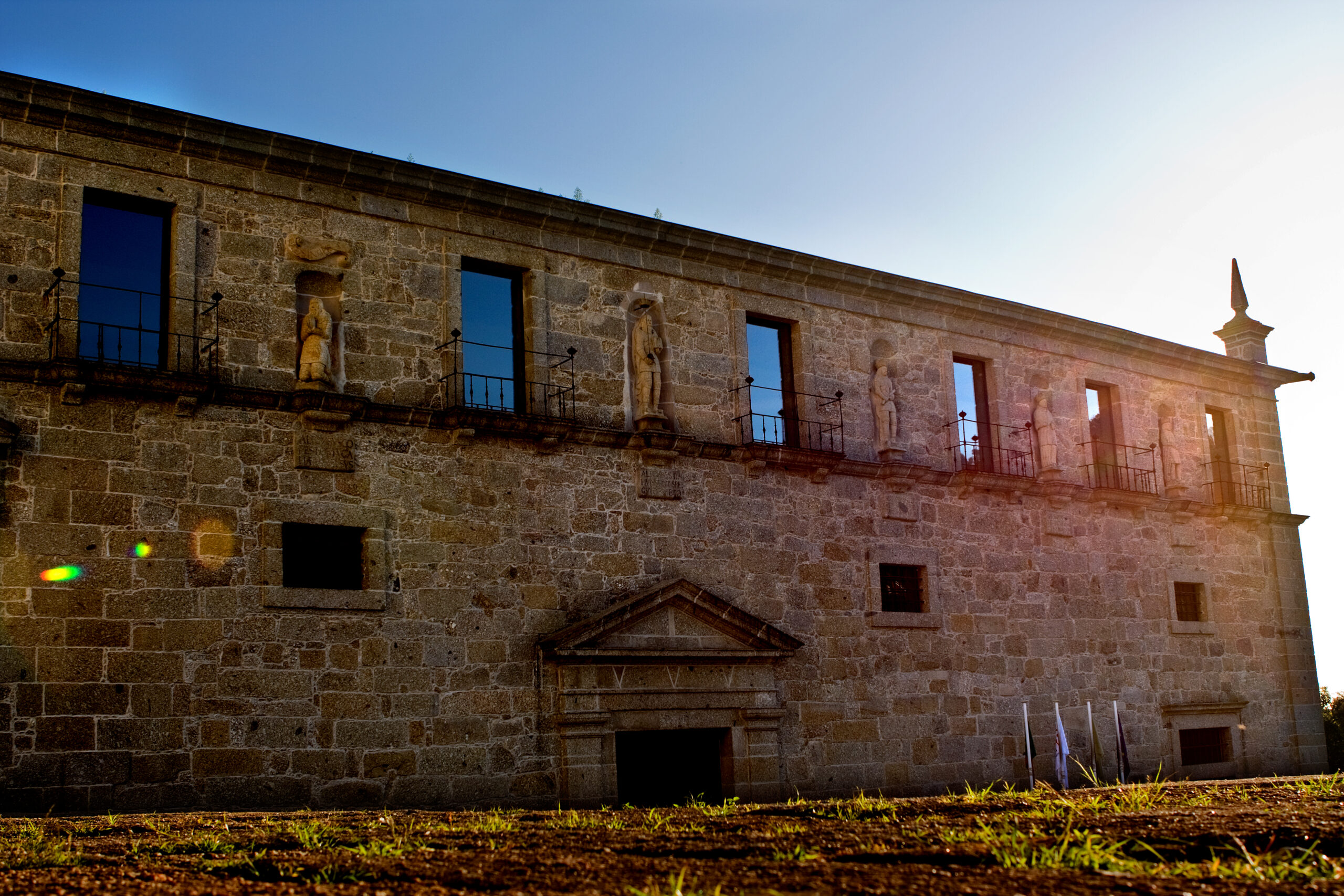
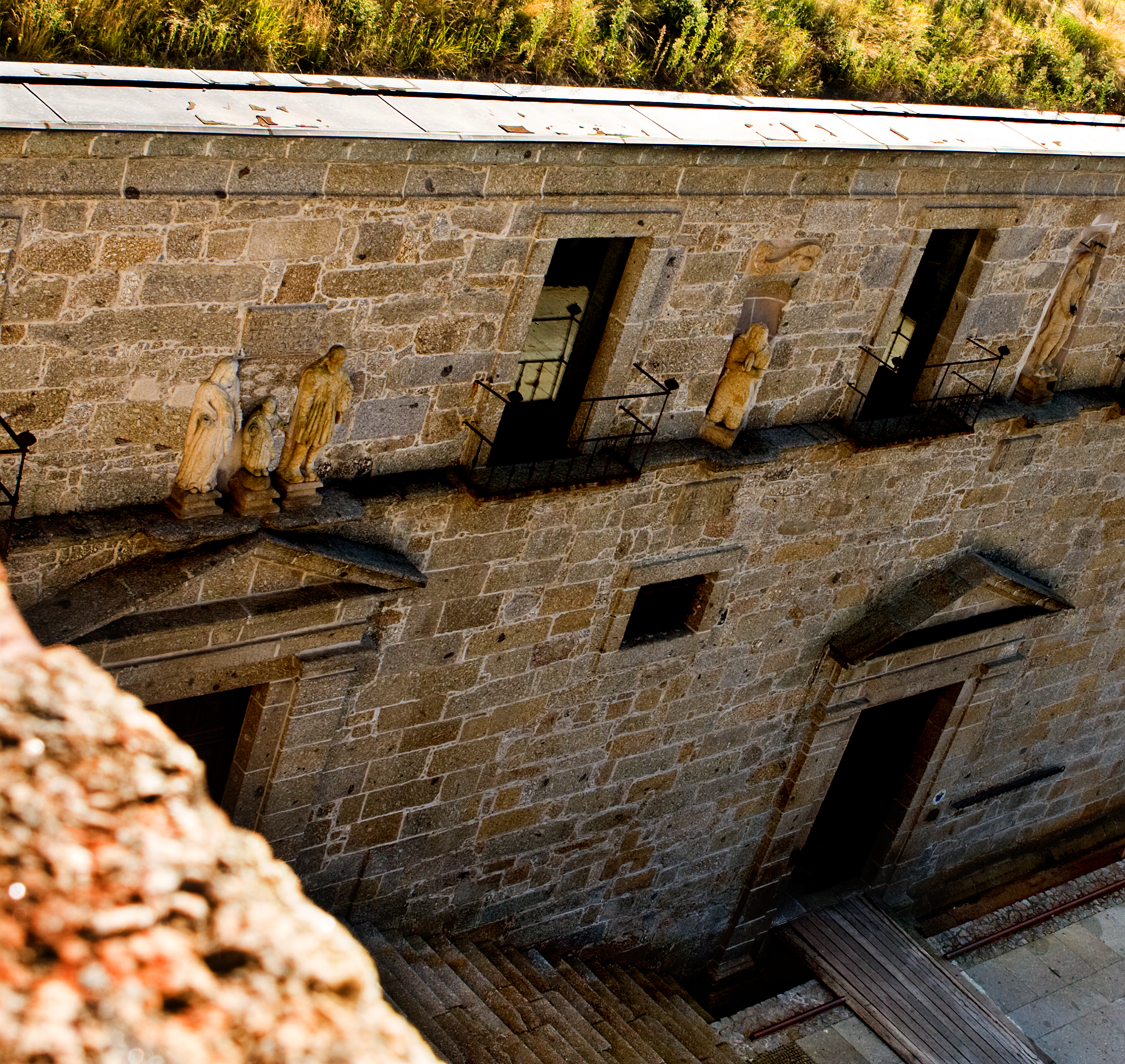
Anyone who passes by the road or enters the guesthouse’s courtyard cannot fail to notice the statues on the building’s main façade. These are figures who in one way or another are linked to the life of the Monastery. In the first niche is the Holy Family, which shows the devotion that the Cistercians had to Nossa Senhora. The “identity” of the second statue is not consensual, as it says D. Henrique, but it is thought to be D. Afonso Henriques, as duke, at the time of the monastery’s construction. D. Sebastião, who suppressed the order; Cardinal D. Henrique and D. João IV are the other figures on the facade.