Known as António Variações, António Joaquim Rodrigues Ribeiro, son of Deolinda de Jesus and Jaime Ribeiro, was born in Fiscal on December 3, 1944.
During his childhood he studied at the local school and helped his parents in the fields with daily chores. At the age of 11 he finished primary school and got his first job in Caldelas. At the age of 12 he went to Lisbon where he worked as an office apprentice, barber, shop assistant and sales clerk.
After completing his military service in Angola, he traveled to London in 1975 and Amsterdam where he discovered a new world and learned the profession of barber. This experience led him to work as a barber in Lisbon during the day and at night he dedicated himself to music, performing shows where he already showed off his eccentric look with colorful clothes and original accessories. His songs already combined several musical styles such as pop, rock, blues and fado.
In 1978 he signed a contract with the Valentim de Carvalho record label, but did not release any music. It was only in 1981, on Júlio Isidro’s program “O Passeio dos Alegres”, that his songs became known and he began his career.
In July 1982, now under the name António Variações, he released his first single, with “Povo Que Lavas No Rio” by Amália Rodrigues and “Estou Além”. A year later he recorded his first LP “Anjo Da Guarda”, with ten songs written by him and which would transform him into a popular star on a national scale, with the hits “É p´ra Amanhã” and “O corpo é que paga”.
After touring several festivals and pilgrimages, in 1984 he recorded his last LP entitled “Dar e Receber” and participated, for the last time, in Júlio Isidro’s program “A Festa Continua”.
On May 18, 1984, he was admitted to the Pulido Valente hospital and was later transferred to the Red Cross Clinic, at the request of his family, due to a bronchial-asthmatic problem.
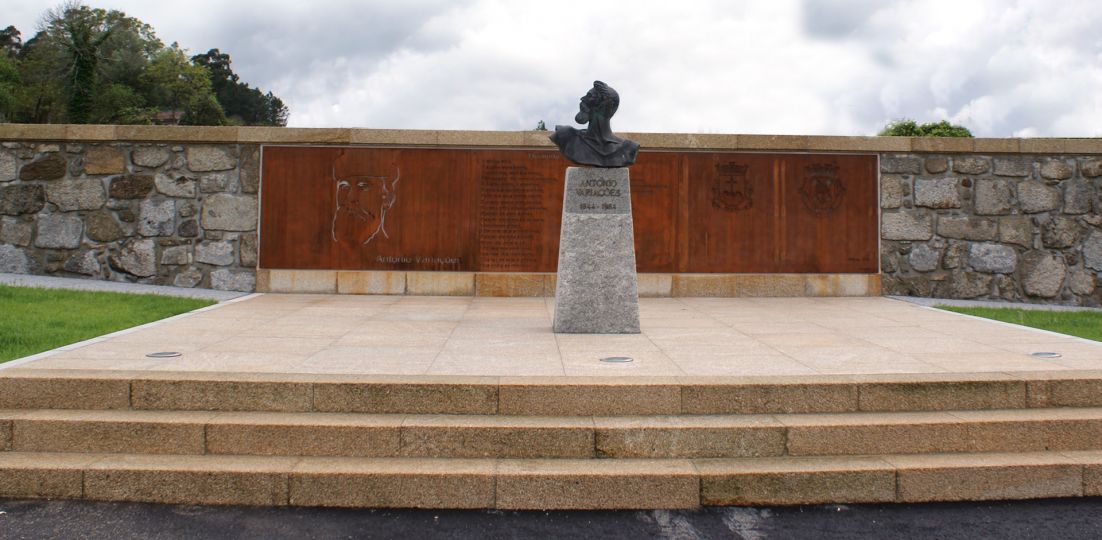
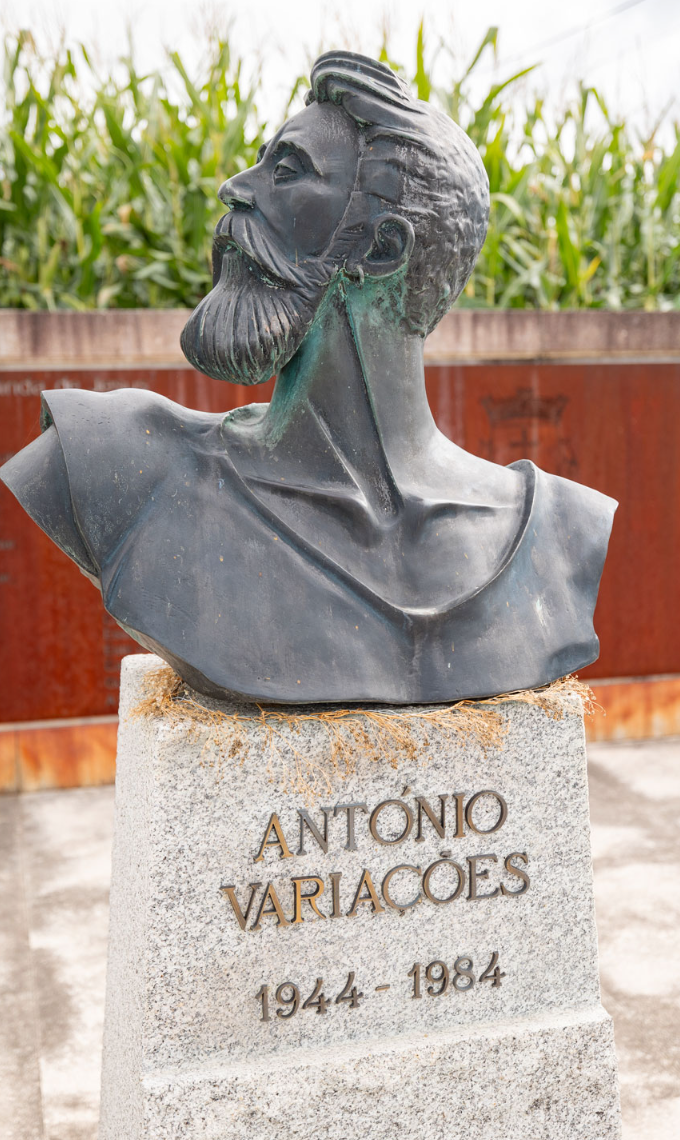
He died on June 13th from bronchopneumonia and is buried in Fiscal, in the cemetery of his hometown, where a bust by the artist Arlindo Fagundes was also placed in his honor.
The songs that were forgotten along with their heritage were recently released by seven Portuguese musicians and are now invading the radio and television stations of our country.
“Variations is a word that suggests elasticity, freedom. And that is exactly what I am and what I do in the field of music. What I sing is heterogeneous. I don’t want to fit into one style. I am not limited. I care about doing things in various styles.”