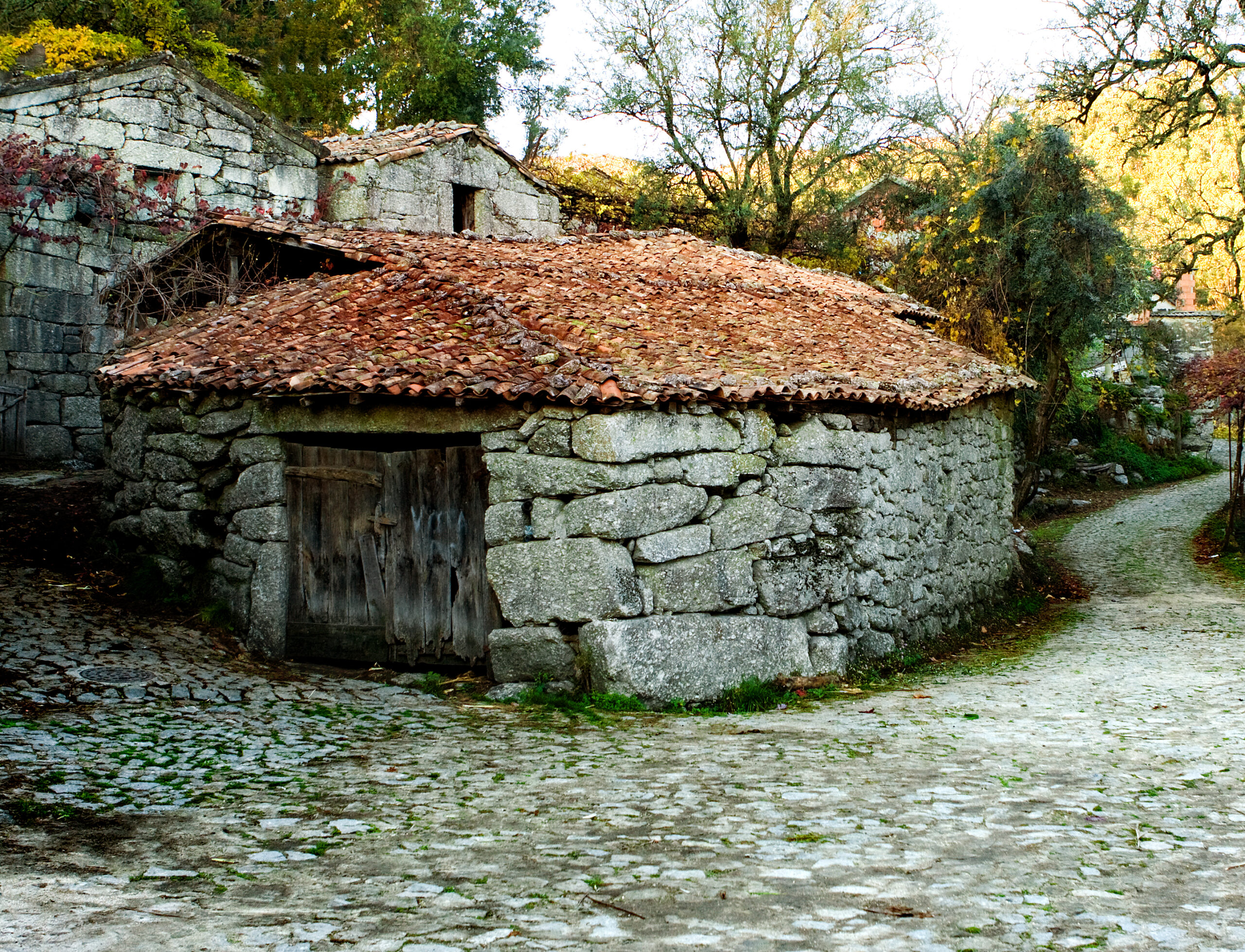
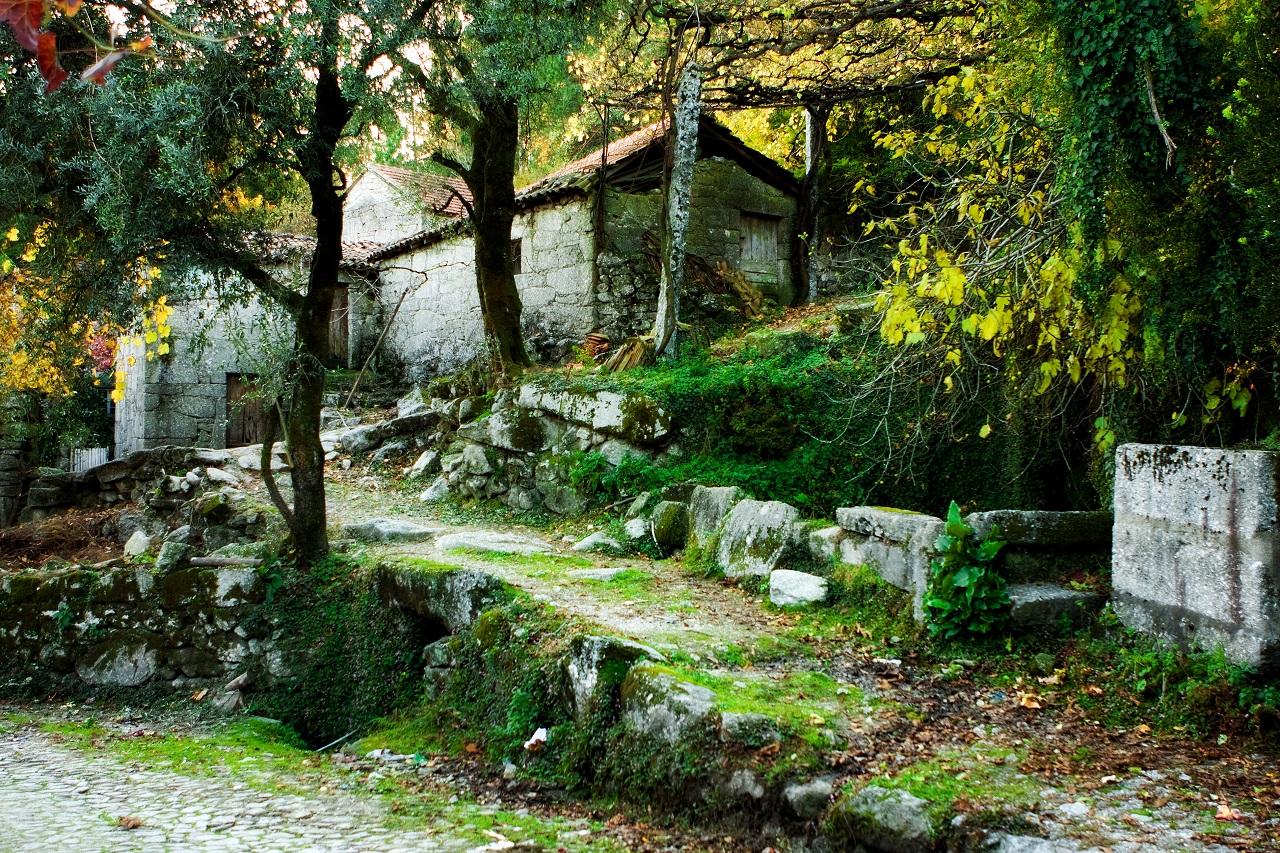
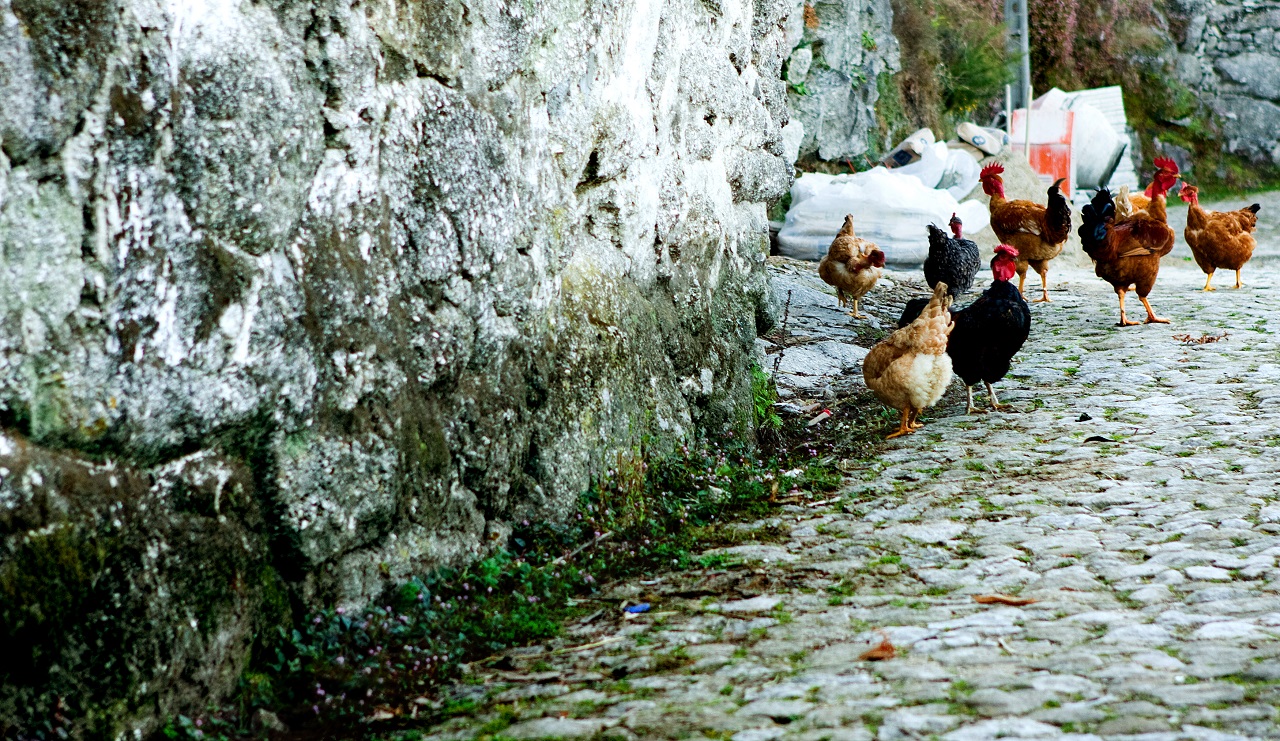
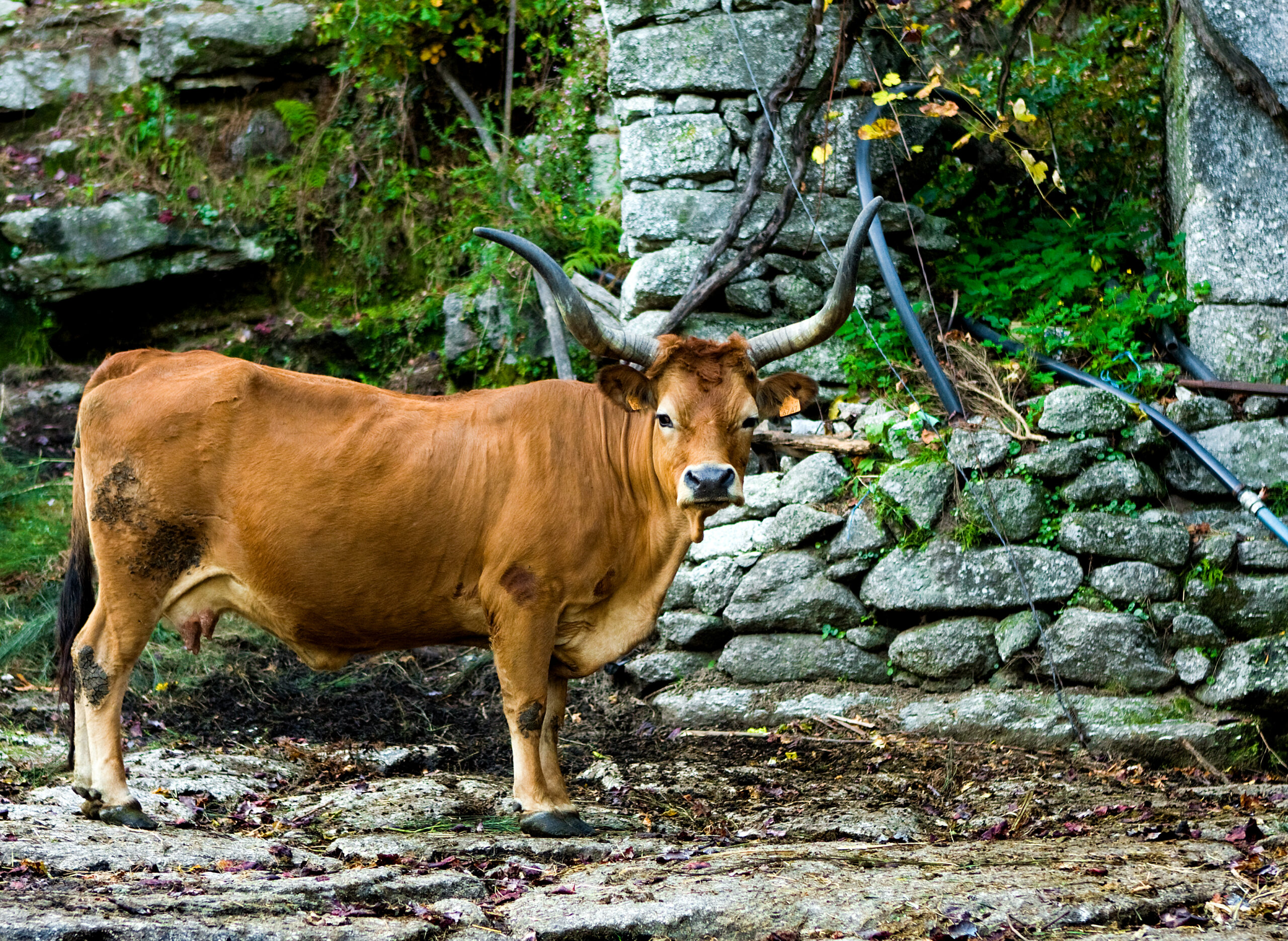
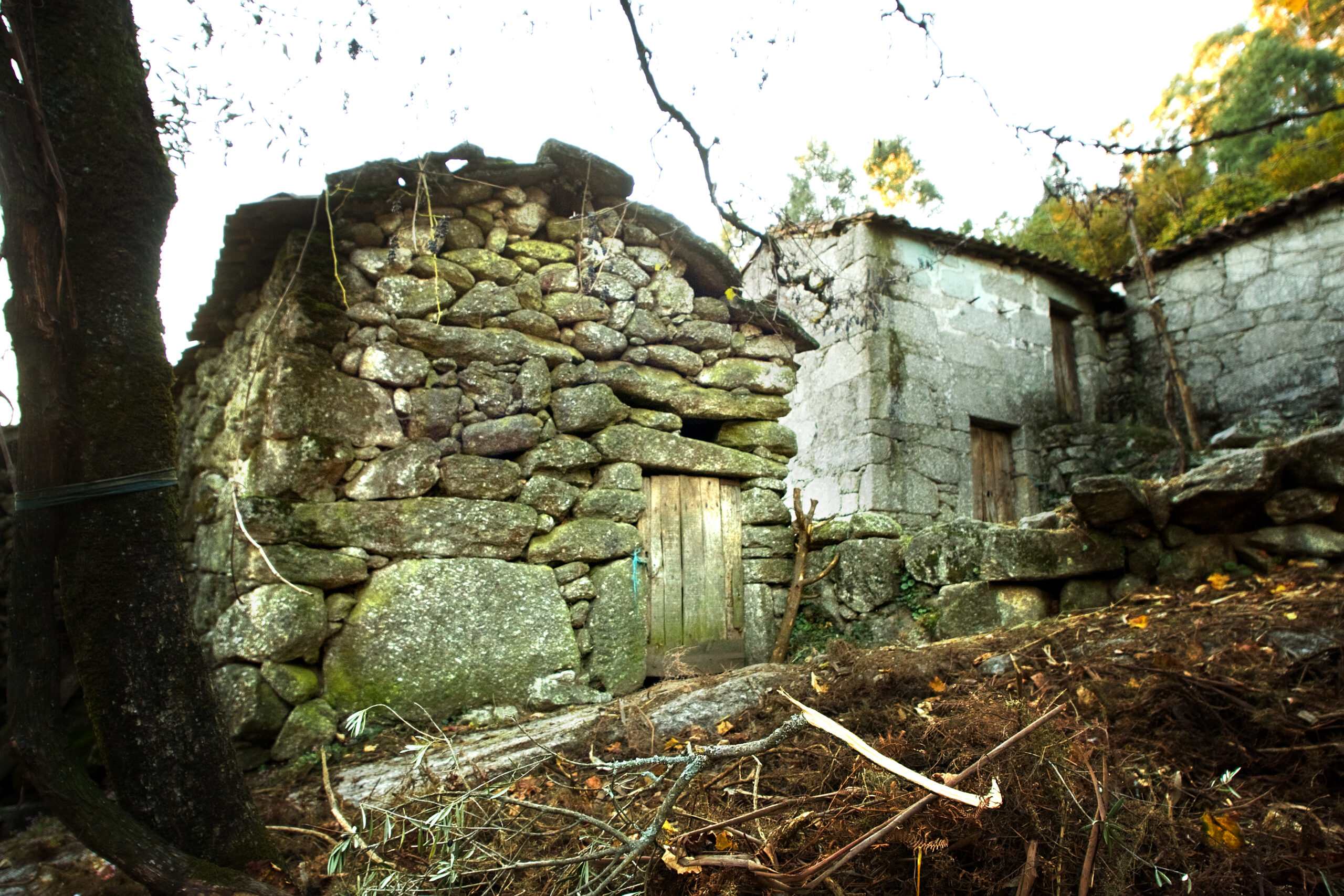
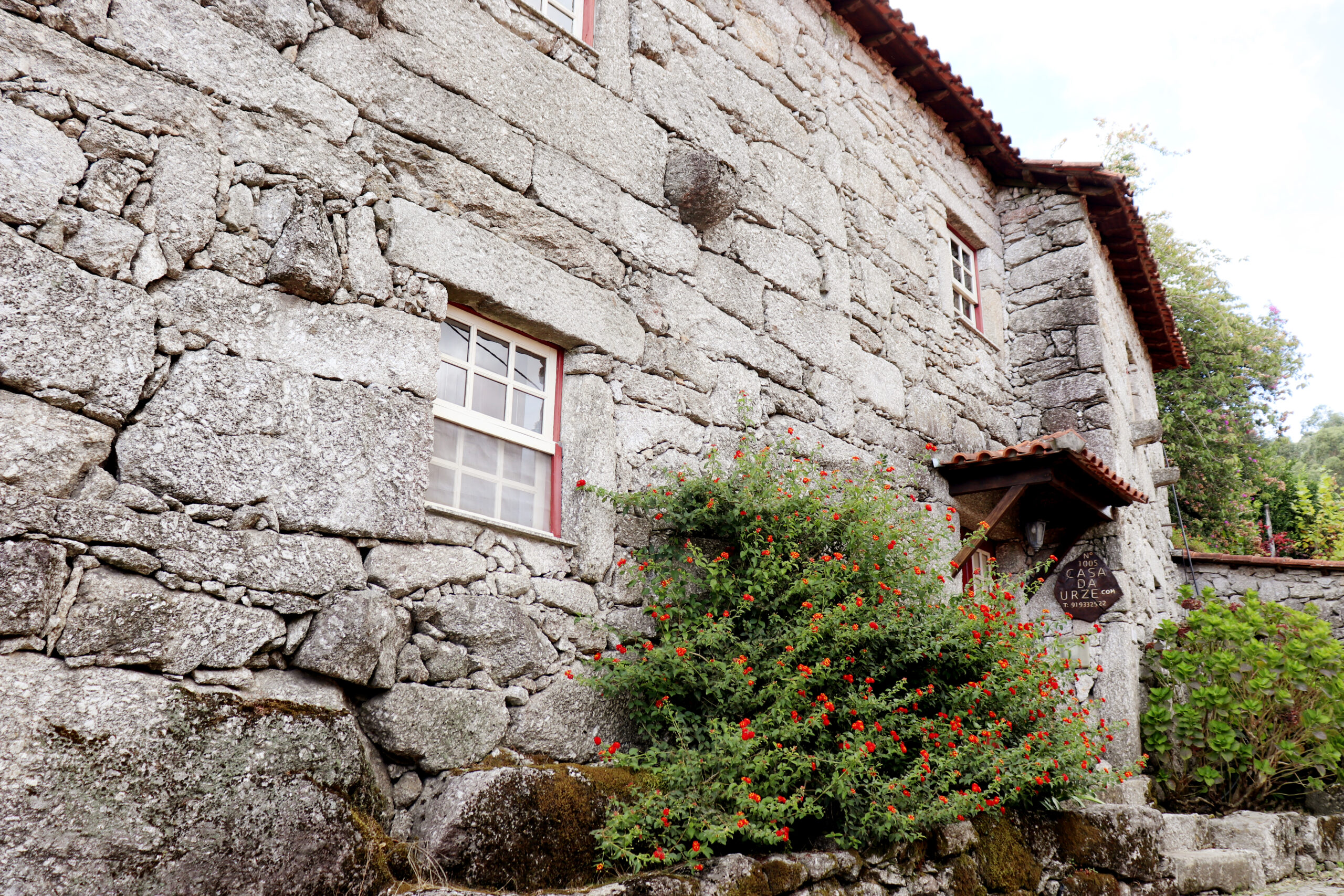
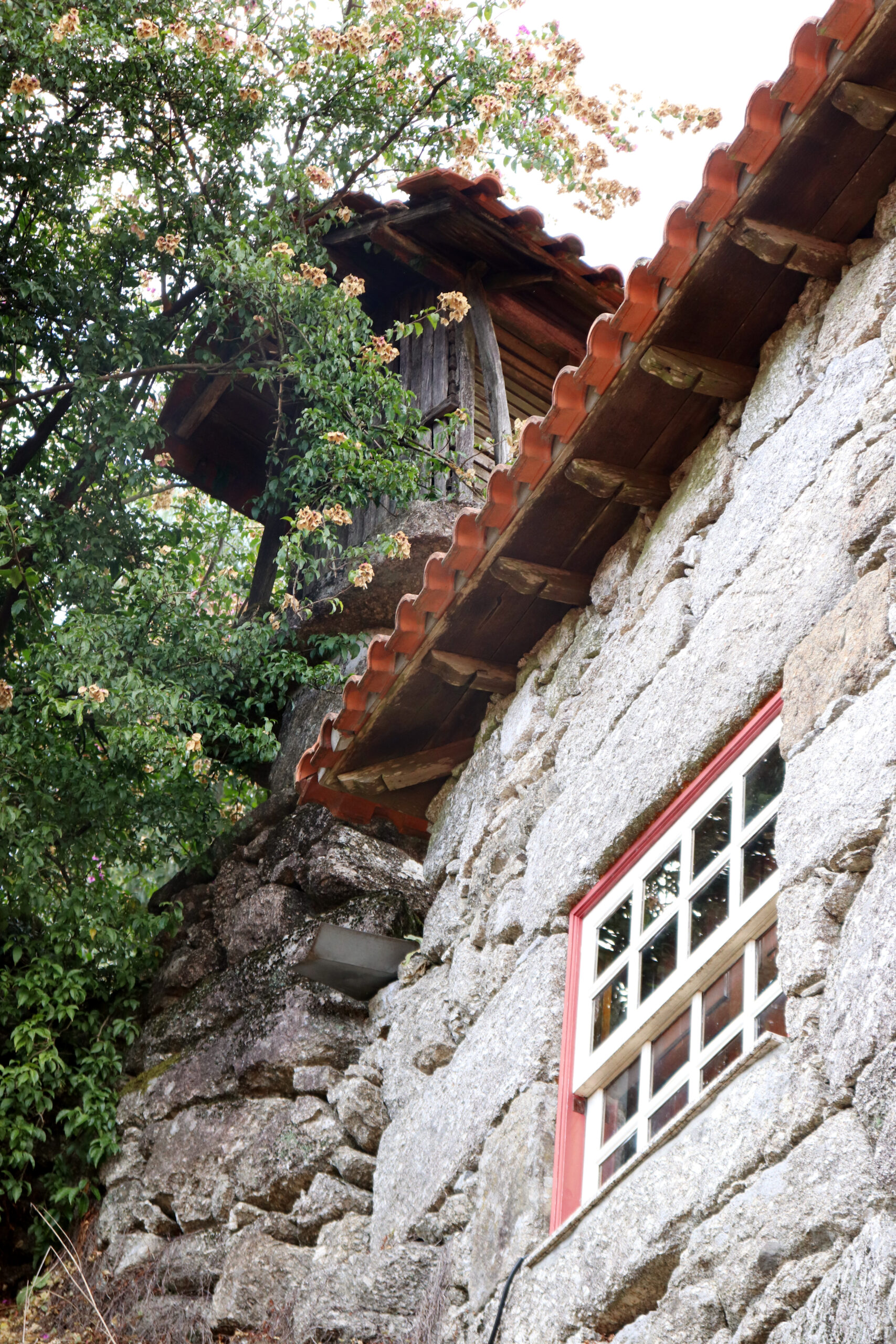
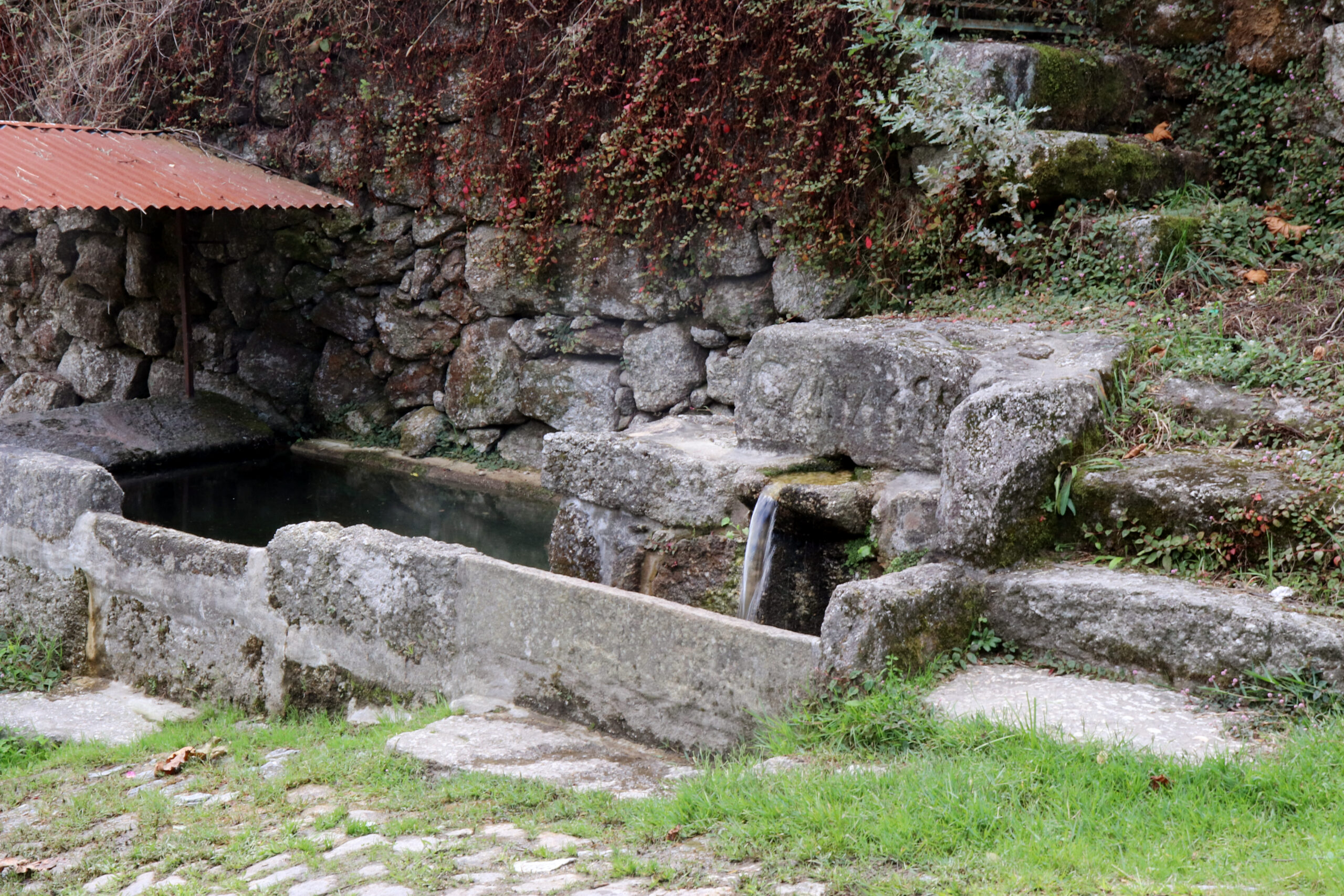
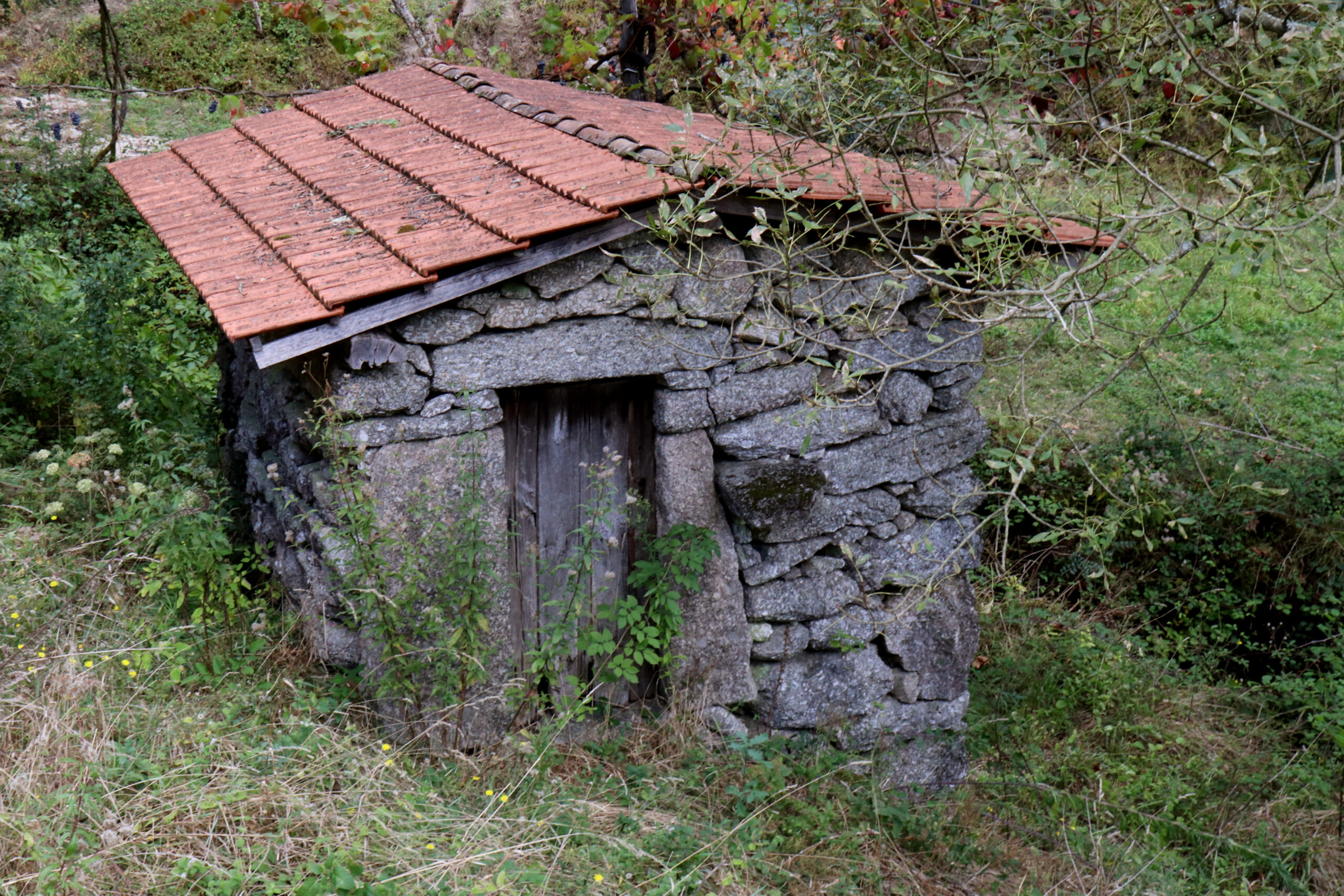
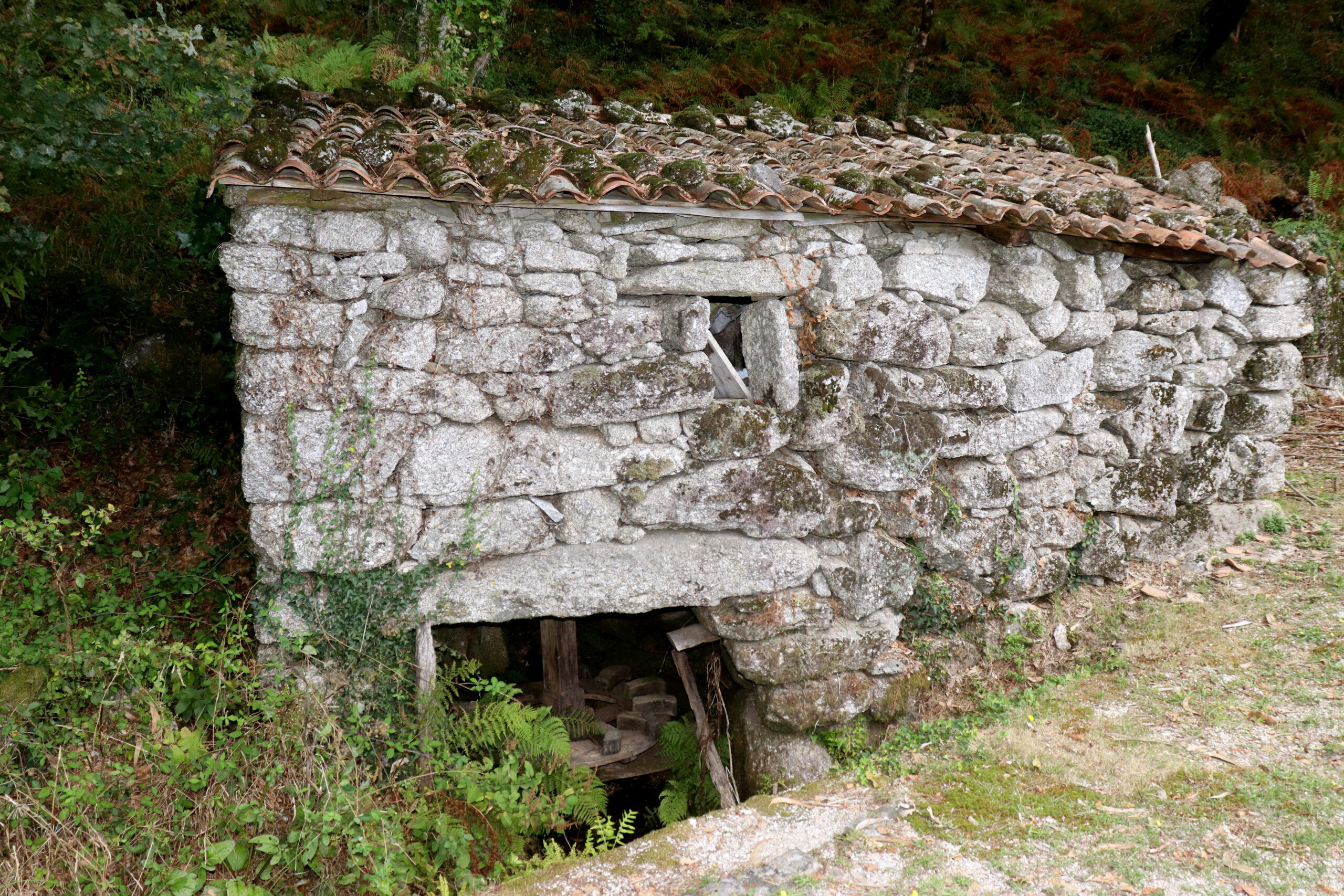
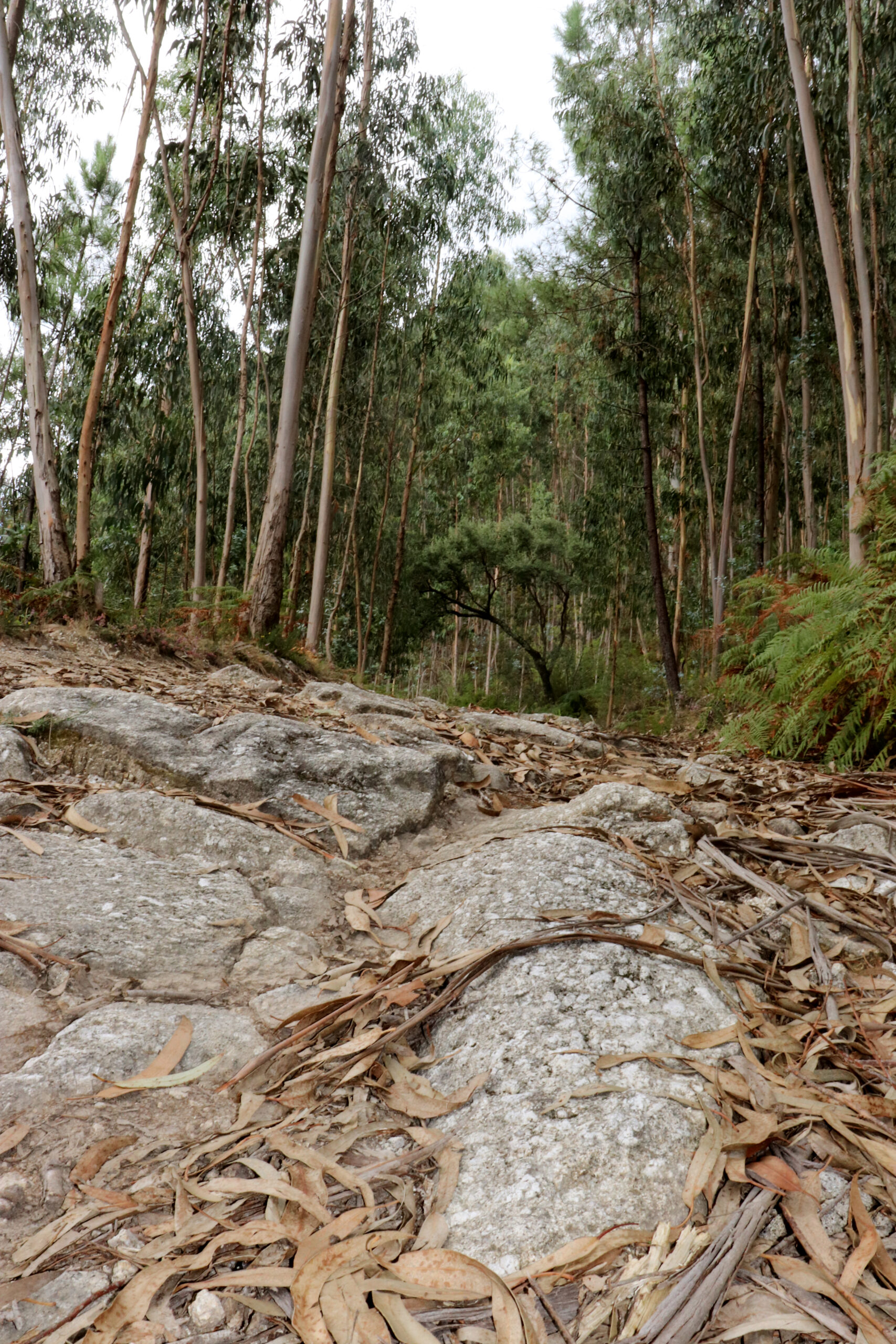
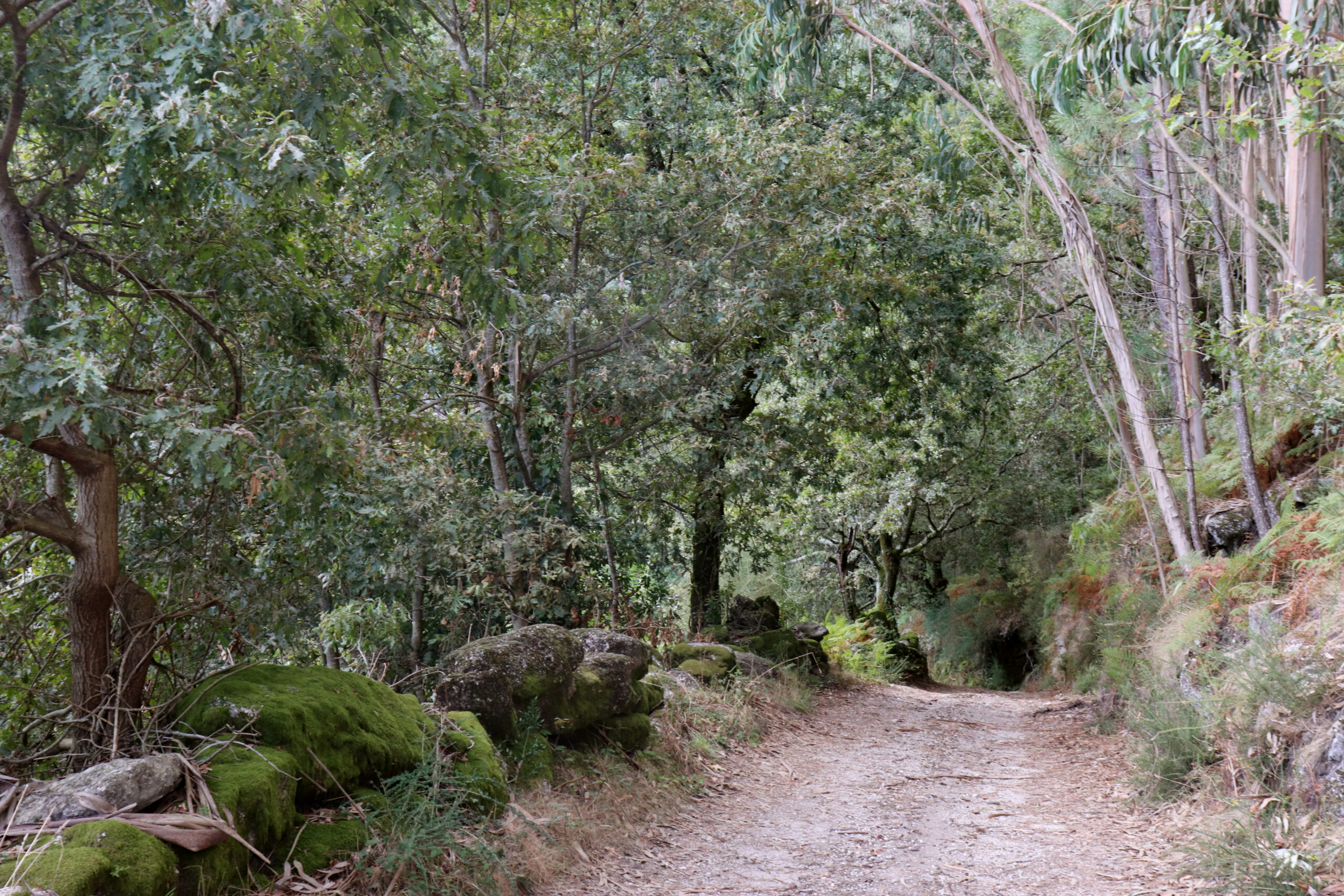
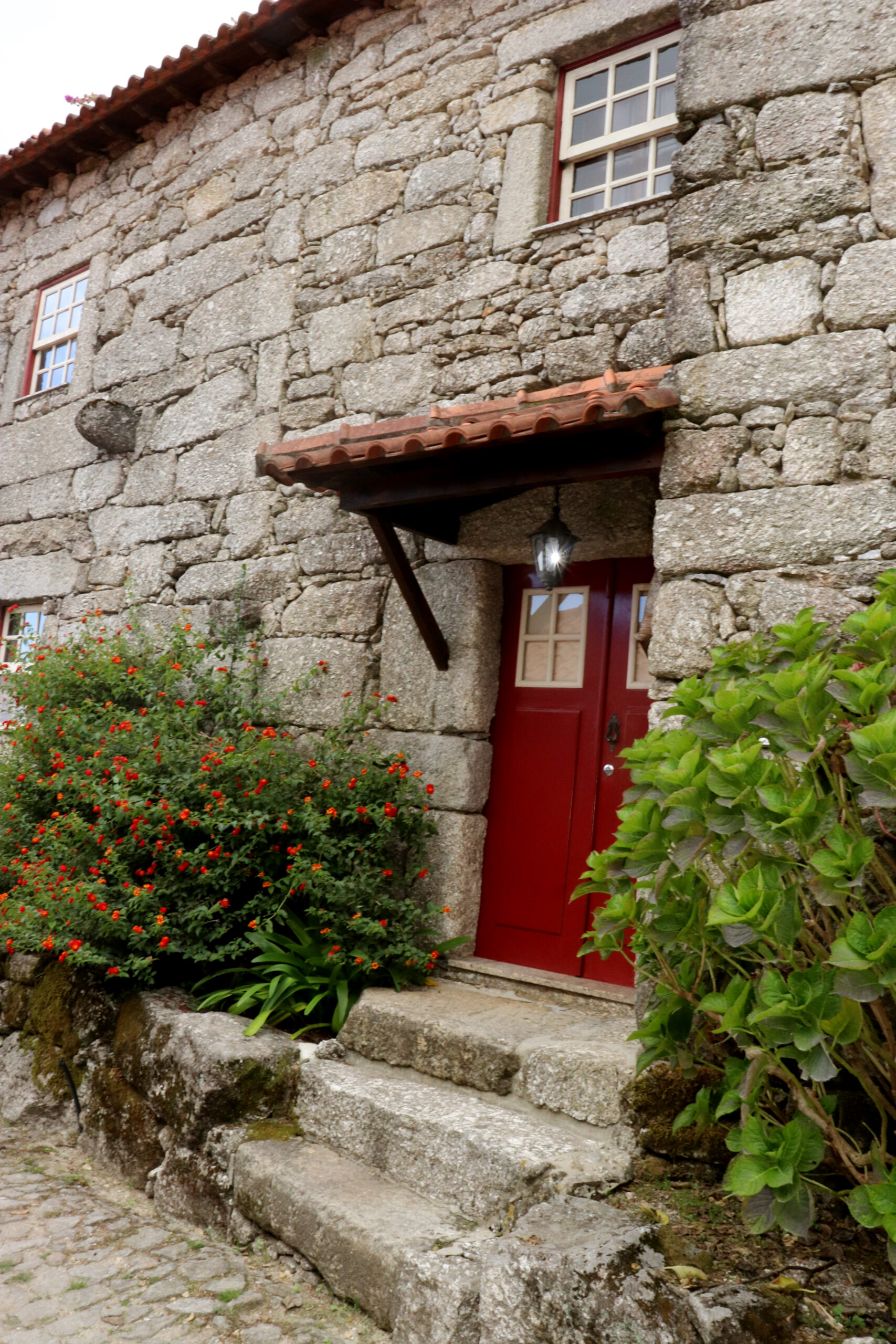
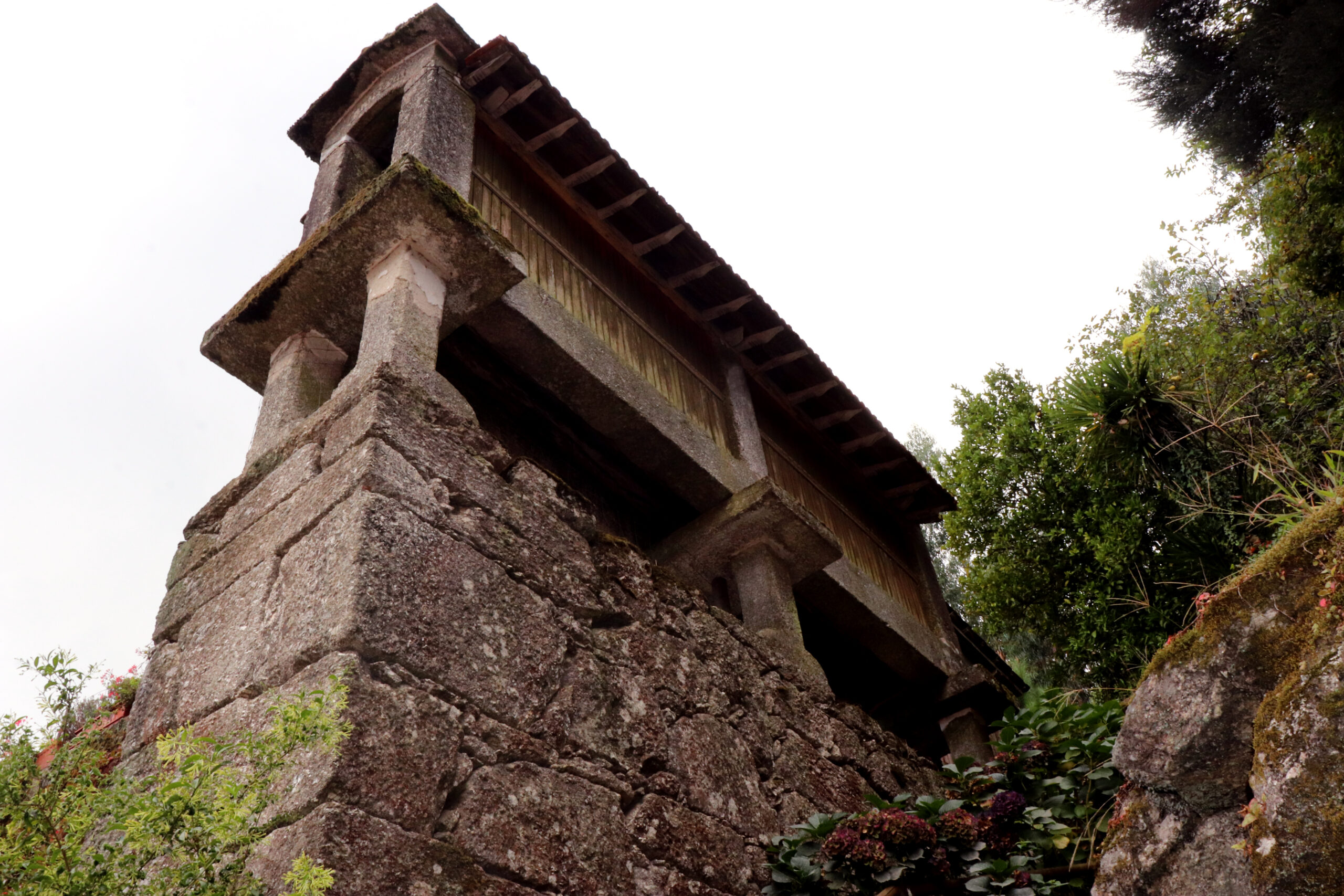
The village is nestled on the slopes of the Santa Isabel do Monte and Monte da Abadia mountains, enjoying unique landscapes. In the historic center of the village, there is a group of rustic houses built in granite stones, as well as some granaries and mills so characteristic of Minho. Some houses have been renovated and adapted for rural tourism. The narrow streets give access to others, made of dirt, which sometimes take us along surprising trails, sometimes to unexpected encounters with herds or, for the more adventurous, even to the aerodynamic swing of Urjal.
The Urjalândia project – sustainable Christmas village was born from the idea and objective of revitalizing and promoting the historic village of Urjal, whose dynamics were incipient, despite being part of the network of historic villages. In the wake of the Christmas season, sustainability, environmental challenges and rural development, the idea of creating the first ecological village in 2017 was born. To this end, the aim was also to involve the local community in an intense way.
To this end, at Christmas time, several spaces are created throughout the village of Urjal, up to the natural amphitheater of the oak forest, where visitors can contemplate nature and rural tradition. In addition to the natural elements of native species, the village is transformed to cultivate the imagery around the Christmas village. The work is the result of the involvement, commitment and dedication of the entire community who have been working for several months to create the Urjalândia space.
Urjal thus becomes a sustainable Christmas village where the atmosphere is magical and the entire village is decorated to the nines. In addition to contact with mother nature and the traditional games promoted, it is also possible to take a ride on horseback or in a carriage. As expected, Santa Claus is handing out souvenirs to all participants of this event, delighting children and adults alike. Visitors are also treated to a giant orange king cake, an iconic fruit of the municipality of Amares. The Urjalândia – Sustainable Christmas Village event is the result of the population’s involvement in creating a magical space at Christmas, with sustainability as the key word.
The museum is located in the village of Urjal, parish of Seramil, municipality of Amares. Classified as “Villages of Portugal”, it still maintains some of the experiences that mark the rurality of these lands. This house, which is now a museum, is located in an old farmer’s house dating back to 1896, and was for many years the private residence of a family generation known as “Casa do Cabo do Urjal”, with its first owners being Manuel António da Costa and Joana Maria de Sousa, with their six children, one of whom was Father Manuel António da Costa. José da Costa and Custódia Maria Antunes, with their 11 children, would be the second family to live in the house, with their son João Antunes da Costa married to Maria Conceição Sameiro da Silva, who had 5 children, being the last to live in the house. The “Canastro” (granary) that dates back to 1937, which still exists in the village, was built by this family. The museum is a testament to the agricultural past and the practice of traditional techniques and knowledge that contributes to promoting, conserving and disseminating cultural assets related to rural life that mark the social and economic history of the municipality of Amares. A visit to this house museum allows us to bring the past to life, safeguarding and disseminating legacies that, without museological intervention, were doomed to disappear quickly. The house-museum has several themed rooms related to rural activities where you can appreciate pieces linked to domestic chores as well as the organization of the farmhouse of yesteryear: the farmer’s kitchen, the bedroom, a room evocative of practices, a wine cellar, a space for slaughtering pigs, a vast and rich collection representing the experiences and knowledge that are part of the identity of the land. The house, with traditional Portuguese architecture, built with stone blocks, with cobblestone floors and flights of stairs, was restored while maintaining its original features, all its decorative and ornamental aesthetics. The entire contents constitute an important museum center in the municipality of Amares, dedicated to agricultural themes. It is not only a valuable repository of history and culture, but also a dynamic agent at the service of the community.
THE SMOKER
Smoking sausages is deeply rooted in our culture, having been practiced for decades. The origin is related to man’s need to preserve meat for long periods of time. The space, in addition to the exhibition, has an area for processing meats and sausages, equipped with the necessary tools for this. This service is carried out by local people who also prepare the smoked meat. Smoking is done using the old process, it is a slow and continuous cooking method using the smoke from a wood fire, in order to make the meat more flavorful. A new concept of a museum with the artisanal production of sausages and smoked meats, typical of the villages, with the inclusion of a smoker with a traditional concept, emerges as a way of creating a dynamic, at the service of the community and visitors, who can taste and buy these products at the museum’s sales point.
TIMETABLES AND VISITS
MONDAY TO FRIDAY: CLOSED*
SATURDAY: 2:00 PM TO 8:00 PM
SUNDAY: 10:00 AM TO 12:00 PM – 2:00 PM TO 7:00 PM
*Located approximately nine kilometers from the center of the village of Amares, the Urjal Rural Heritage Museum receives visits by prior appointment for groups.
CONTACTS
MUNICIPALITY OF AMARES:
MUNICÍPIO DE AMARES:
Largo do Município, 4720-058 Amares (Portugal)
+351 253 991 330 | + 351 253 993 761
[email protected]
U. F. DE SERAMIL, VILELA E PAREDES SECAS:
Largo da Igreja nº.1, 4720 – 721 Seramil Amares (Portugal)
+351 919 773 987 | +351 919 773 973
[email protected]