Cultura
Francisco de Sá de Miranda
Francisco de Sá de Miranda
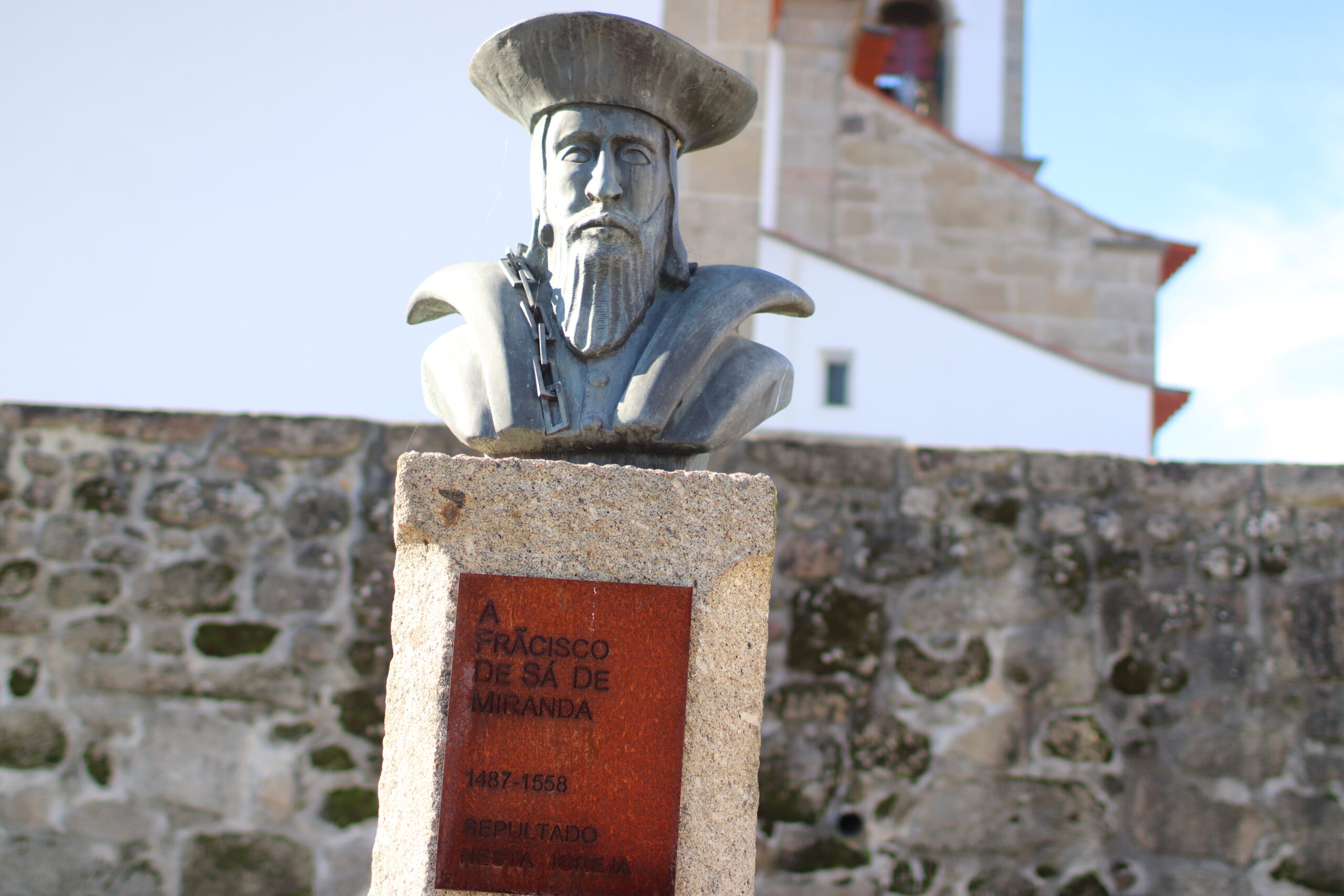
Francisco de Sá de Miranda, a Portuguese poet and humanist, was born in Coimbra in 1486 or 1487 and died in 1558. He was the son of Canon Gonçalo Mendes de Sá, Canon of the Cathedral of Coimbra, and Inês de Melo, an unmarried lady, perhaps from the noble Mello family, with whom the priest had at least 8 children. He obtained a doctorate in Law from the University of Lisbon, and is referred to as a “doctor” in the Cancioneiro Geral by Garcia de Resende, published in 1516.
Sá de Miranda was a nobleman at the Court of D. Manuel, where he met Gil Vicente and Bernardim Ribeiro, with whom he formed a friendship and it was as a courtier that he appeared as the author of poems (songs, vilancetes and esparsas) in the Cancioneiro Geral. Between 1521 and 1526 or 1527 Francisco de Sá de Miranda travelled to Italy, where the Renaissance in the arts and literature had reached its peak. As a result of this stay, he introduced the novelties of the Italian school into Portuguese culture, namely the decasyllabic verse, compositions in triplets and octaves, the sonnet, ode, song, eclogue, sextina and prose comedy. A pioneer in the use of classical forms, Sá de Miranda initiated the Renaissance period in Portuguese literature. In 1527 the Court of D. João III took refuge in Coimbra, away from the plague epidemic that was spreading in Lisbon. Sá de Miranda maintained very close relations with the king and the nobles of the Court. Although he had already broken off his ties with the Court, he maintained lasting friendships with D. João III. The king’s fondness for Sá de Miranda earned him the Commandery of S. Julião de Moronho (municipality of Tábua) which he later exchanged for the Commandery of Duas Igrejas (municipality of Vila Verde).
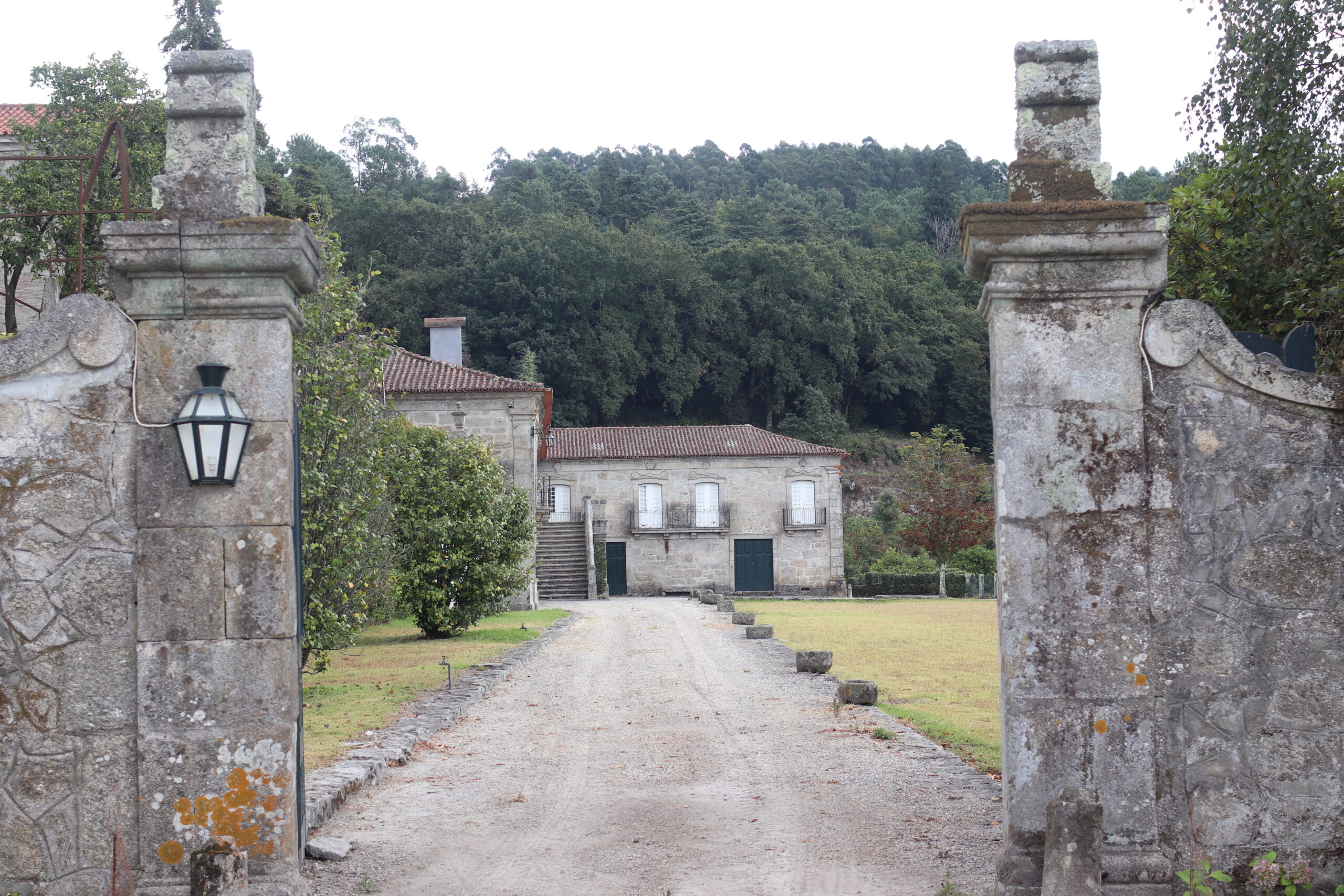
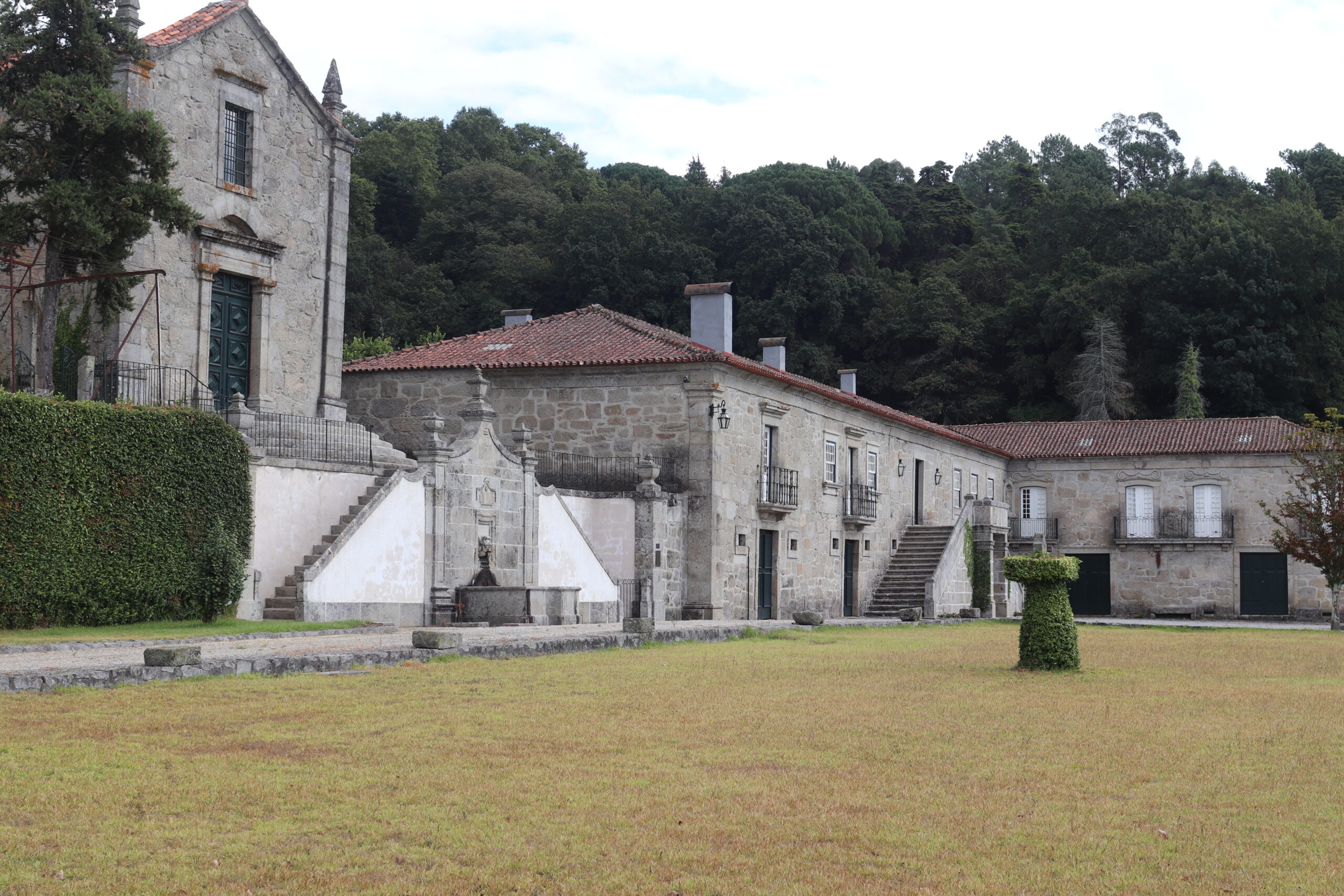
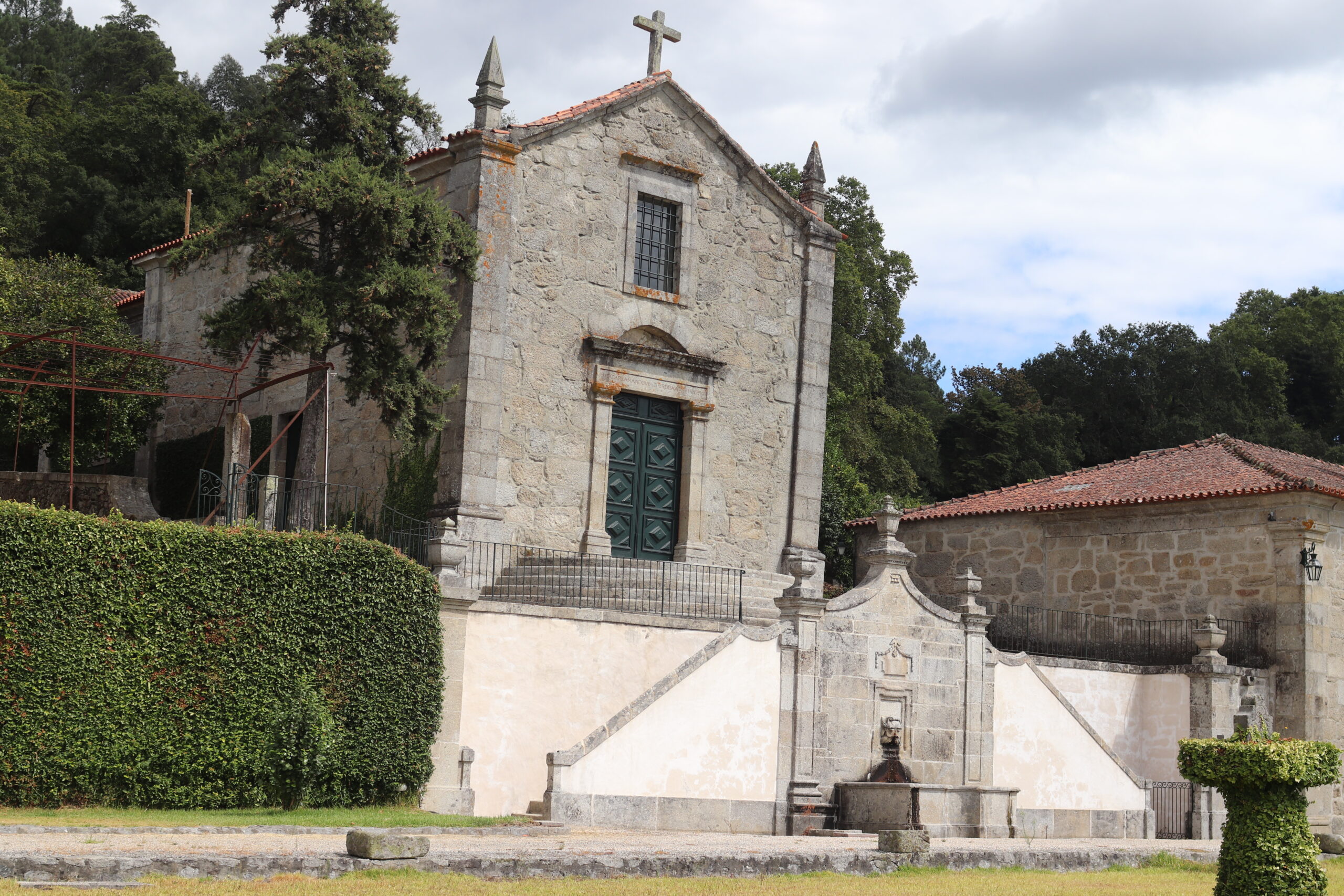
Around 1530, Francisco de Sá de Miranda married D. Briolanja de Azevedo, from the Azevedo family that had crossed with the Machado family, lords of the House of Castro, daughter of Francisco Machado, Lord of the House of Torre (Vila Verde) and Lord Donatário of the municipality of Entre Homem e Cávado. It was in the House of Torre that Sá de Miranda and his wife lived until 1552, where they raised and educated their sons, Gonçalo Mendes de Sá and Jerónimo de Sá e Azevedo. After his marriage, he bought part of Quinta do Barrio, in Fiscal, but it was only after he had acquired the other part of the farm that it became Quinta da Tapada, where they moved in 1552.
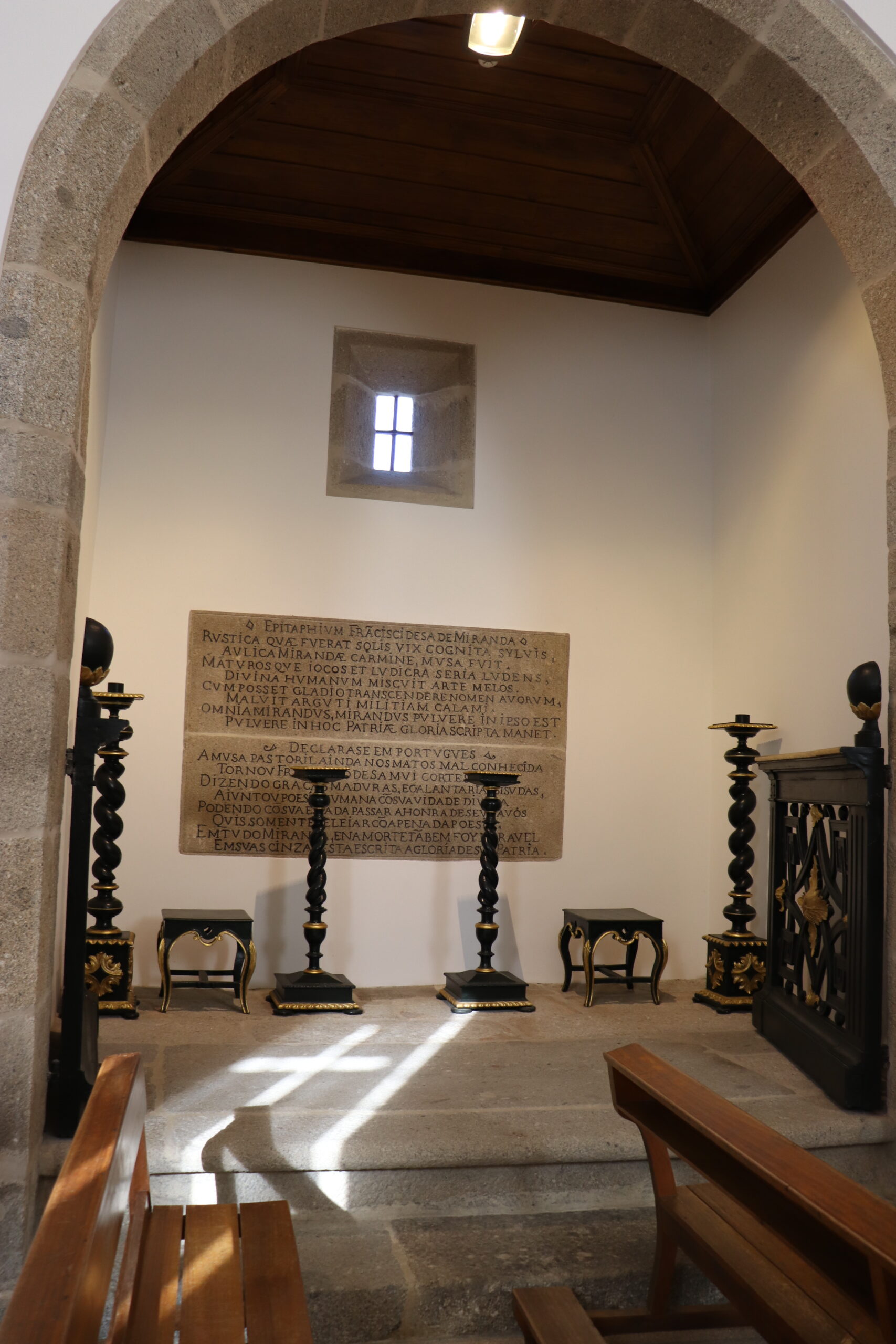
The death of D. João Manuel, who had great admiration for Sá de Miranda’s work, in 1554, the death of his eldest son in combat in North Africa, and the death of his wife, profoundly affected the poet’s final years, and he died in 1558. Sá de Miranda left behind an important epistolary work and a series of eclogues, among other texts. His work was published posthumously, in 1595.
Sá de Miranda was a nobleman at the Court of D. Manuel, where he met Gil Vicente and Bernardim Ribeiro, with whom he formed a friendship and it was as a courtier that he appeared as the author of poems (songs, vilancetes and esparsas) in the Cancioneiro Geral. Between 1521 and 1526 or 1527 Francisco de Sá de Miranda travelled to Italy, where the Renaissance in the arts and literature had reached its peak. As a result of this stay, he introduced the novelties of the Italian school into Portuguese culture, namely the decasyllabic verse, compositions in triplets and octaves, the sonnet, ode, song, eclogue, sextina and prose comedy. A pioneer in the use of classical forms, Sá de Miranda initiated the Renaissance period in Portuguese literature. In 1527 the Court of D. João III took refuge in Coimbra, away from the plague epidemic that was spreading in Lisbon. Sá de Miranda maintained very close relations with the king and the nobles of the Court. Although he had already broken off his ties with the Court, he maintained lasting friendships with D. João III. The king’s fondness for Sá de Miranda earned him the Commandery of S. Julião de Moronho (municipality of Tábua) which he later exchanged for the Commandery of Duas Igrejas (municipality of Vila Verde).
Around 1530, Francisco de Sá de Miranda married D. Briolanja de Azevedo, from the Azevedo family that had crossed with the Machado family, lords of the House of Castro, daughter of Francisco Machado, Lord of the House of Torre (Vila Verde) and Lord Donatário of the municipality of Entre Homem e Cávado. It was in the House of Torre that Sá de Miranda and his wife lived until 1552, where they raised and educated their sons, Gonçalo Mendes de Sá and Jerónimo de Sá e Azevedo. After his marriage, he bought part of Quinta do Barrio, in Fiscal, but it was only after he had acquired the other part of the farm that it became Quinta da Tapada, where they moved in 1552.
The death of D. João Manuel, who had great admiration for Sá de Miranda’s work, in 1554, the death of his eldest son in combat in North Africa, and the death of his wife, profoundly affected the poet’s final years, and he died in 1558. Sá de Miranda left behind an important epistolary work and a series of eclogues, among other texts. His work was published posthumously, in 1595.
Photos from who visited us
Updated on 03/07/2025
Ponto adicionado ao roteiro “nome do roteiro”